Dennis Cooper: “There shouldn’t be any restrictions at all”
|PHILLIP PYLE
Dennis Cooper swears that his writing doesn’t come from a place of immorality, though he generally doesn’t care for moralism.
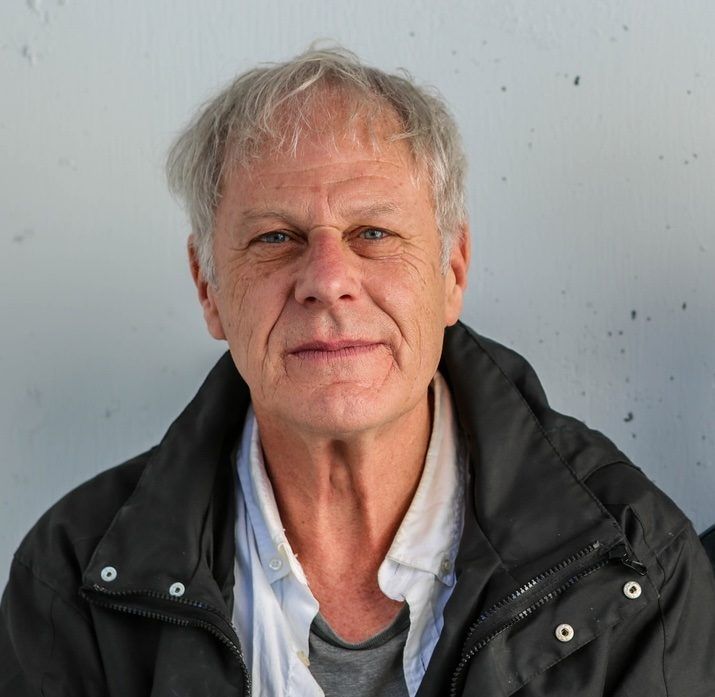
Dennis Cooper photographed by Christopher Ho. Courtesy of Grove Atlantic.
The author of thirteen novels—including the celebrated five-novel “George Miles Cycle” (1989-2000), The Sluts (2005), and I Wished (2021)—and the founder of Little Caesar Magazine and its namesake press, Cooper entered the literary underground unwilling to compromise and, five decades later, has yet to falter. In recent years, he has expanded into film, co-directing three features with Zac Farley, while continuing to publish daily entries on his often generous, occasionally deranged blog. Throughout it all, the Pasadena-born, Paris-based writer and critic is merciless in his treatment of taboos, whether they surround teenage sex, violence, drugs, or murder. Less discussed is his equally consistent commitment to a form of experimentation in which, no matter how razor-sharp the edge of its exploits, one still encounters the sophisticated prose and structure of a writer who is, ultimately, a formalist.
On the occasion of the republication of Closer (1989), the first novel in the “George Miles Cycle”—named after the author’s beloved childhood friend, whose suicide he learned of nearly a decade into the series—I spoke with Cooper about writing on amphetamines, the source of his obsessions, and his ethics of fairness.
Phillip Pyle: In the introduction for the new edition of Closer, Lynne Tillman writes, when reflecting on rereading the novel, “the whole thing has been thrown up in the air and come down as something else.” I’m curious if you’ve also experienced this feeling, republishing the novel over 35 years later.
Dennis Cooper: I haven’t actually looked, so I guess I should do that. I’m just curious to see what it’s like to have people discover it now. I hope I am going to reread it. I think I’d be happy with it.
PP: When did you last read it?
DC: I never really reread my books, so I wouldn’t have read it since 1990 or something.
PP: You were taking a drug that you essentially describe as meth when you were writing Closer.
DC: I was living in Amsterdam and there was this drug called “pep” that people were using, which was basically crystal meth. I was doing it more than I should have. I was working on Closer, and I don’t know if you’ve ever written on crystal meth but it doesn’t work out too well. [laughter]
PP: I’ve written on Adderall many times, which I imagine is a similar experience.
DC: You get a lot of mileage, but there’s nothing in it that’s good. It’s good to vent or something.
I was doing that and a bunch of other crazy stuff. Then I got really run down, and I got German measles (Rubella). It was a really bad case of it. I thought I had AIDS, of course, at first. I was so wiped out by that. I was in bed for three months, and that’s when I really started working on it, because I was like, I don’t want to die having only done that earlier stuff. I wanted to write this because I had been planning it for so long. It’s more like I wrote when I was recovering from all of that rather than being on it [“pep”].
PP: In Closer, just like in Frisk, there are characters that are auto-fictional stand-ins. I know that you conceived of the “George Miles Cycle” when you were a teenager, but I’m curious if the actual scenes that were written, especially in terms of sexual violence or death, were also things that first came to fruition then.
DC: No, all that stuff came later. I had always been interested in writing about that stuff, and I had always written about it, to one degree or another. But all the stuff that was in that book was invented when I was writing it.
What was preset was the structure of the cycle, how some of the characters would work, and how the stories would work. There was a very complicated structure. They [the stories] had all these rules, but then they would come out of whatever was going on in my life at the time. The only thing that was really set was that it was going to be about George.
PP: So the formal element of it came first in a lot of ways.
DC: I knew I wanted to write about that really difficult area and make it represented somehow. Later, I decided to make George the center.
I had a general sense of how the five books would work. Then I had to figure out how to write it, so I was working on the prose.
PP: Marquis de Sade was an inspiration. Were there others?
DC: He wasn’t really an inspiration stylistically, but I read him when I was 15 and was like, Oh, you could write about these things very directly and explicitly and get published in books. It was legitimizing. The only thing about de Sade’s formula that interested me were the parts at the end that he had not finished, the notations for what he wanted to do.
PP: Were there touchstones as a teenager that inspired you formally?
DC: I was very influenced by music. I was really into experimental films, and I still am. I was studying them, but I was kind of studying everything. I was just trying to absorb stuff from every field.
I didn’t just stick to writing, because I never studied writing. I never studied fiction, so I just had to invent how would I write a novel without having those skills that you learn in school or whatever. So I was looking to other mediums too, because I thought, Well, I’m excited by this music, so I want to find out why it’s exciting to me and maybe try to do something like that with language. I was all over the place.
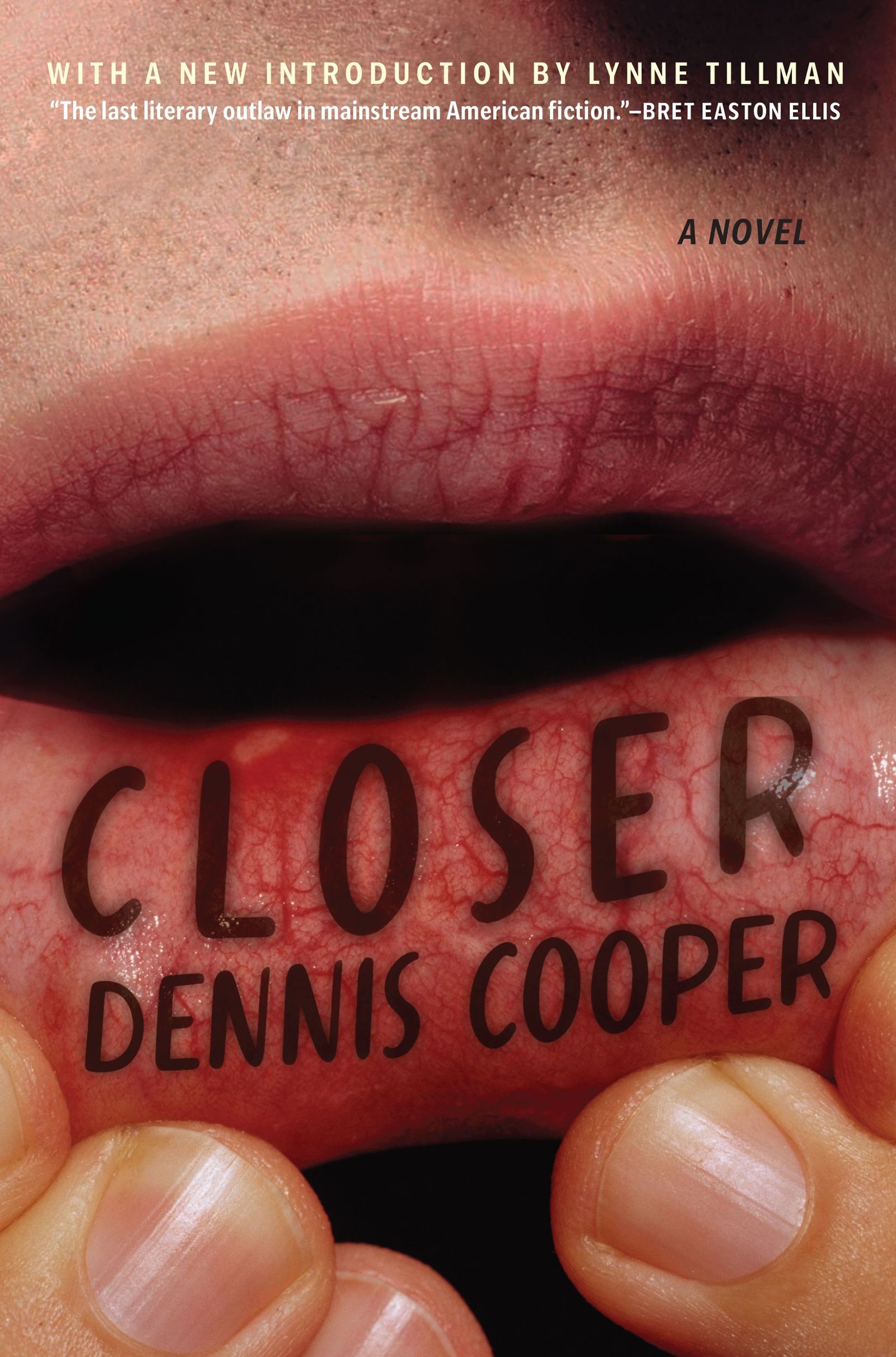
The new edition of Closer, republished by Grove Atlantic in May 2026.
PP: One of the things that I find interesting in Frisk in particular is the different degrees of divergence characters after the same shared experience. Dennis, the narrator, has shared sexual experiences with a friend in his early 20s via three-ways, for instance, but then they have wildly different sexual desires later in life. One of them has run-of-the-mill kinks and the other fantasizes about murder. Is that gulf of desire that emerges from shared experience something that also had a personal tie-in for you? Where you had a very different reaction to something than, say, your friends?
DC: It was not really experiential. It was all fantasy to me. I mean, I had sex and everything, but I wasn’t personally like that at all. I was much more of someone who lived in their head. So, it was more things that I saw represented, then there would be a difference between the way I looked at it and the way they looked at it. That was interesting to me.
It was hard to find people who had the exact kind of interest and were able to quite coldly objectify it without being immoral, because I wasn’t immoral. But I realized that people couldn’t look at that stuff. They couldn’t think about the stuff that was an influence to me.
It was then a question of, how do I make this stuff palatable? How do I make people deal with it but also ease them into trying to imagine it [themselves]? Because fiction is a collaborative art. You just write the formula, and then the reader makes the whole work thing in their heads. There isn’t really a novel until it’s read. And then there’s thousands of novels because everybody makes a different novel out of the material.
PP: One of the ways you encourage immersion is through including prominent figures from reality. In Frisk, for instance, the narrator talks at length about a Brian Eno record and describes one of the characters as looking like Keanu Reeves. In The Sluts, too, there’s a journalist who writes for The Advocate, which you have written for yourself. In general, there are a lot of moments where your work as a journalist crosses over. Has there ever been an explicit tie between your work as a journalist and as a novelist?
DC: I wrote the books you’re talking about long before I was a journalist. The only explicit one is a section in Guide (1997) that originated as an article I wrote for Spin Magazine, where I went and I hung out with these homeless kids, hustlers, and drug addicts, then wrote this piece that took that [experience] and fictionalized it. It made it much more terrible, but it’s the same people in the story.
But I’m really interested in music and all those things as a lure of something. The trick is not to do it in such a way that it dates the work. I don’t want to write things overly-tied to their time.
PP: In past interviews, you’ve made the point to distance yourself from the actions of the characters in your novels, many of whom have this outspoken disdain toward moralism as a politics. What’s your take on morality?
DC: I’m an anarchist, and that informs everything for me. So I’m not interested in generalizations and those kinds of things. That’s when you start getting into morality and this preset system that you have to buy into. I’m more of a person that feels like people are inherently ethical and are corrupted by hierarchical power.
I just trust myself. I felt really comfortable with my intention, because I’m not a sadist or anything. I always identified more with the younger characters than the older characters. That was always there. So even if I subject the younger characters to violence or cruelty, I’m always writing from inside those characters.
I think in fiction and imagination, you can do anything you want. There shouldn’t be any restrictions at all. It’s about the presentation, because you have to create a presentation that’s fair to the reader, for instance. So even if you challenge them or fuck with them, there’s always a way in which they also have power over the book.
PP: How do you see anarchism manifesting in the writing itself?
DC: In every way, I don’t know. I’m not the kind of person that is like, these are my rules as an anarchist. I just realized that I was one at a certain point.
In the writing, it’s [in] fairness and how power works. Taking seriously the power dynamic between the reader and the writer. And in the context of the fiction, even if it doesn’t seem balanced, things almost always end up being imagined rather than real. That’s a problem for people, too. With Frisk, people always say, “Oh, I hate the ending.” “It’s a fiction. You wanted it to be real?”
PP: Does that also carry over to your relationship with genre or how people perceive your writing?
DC: I’ve always been lumped in with “gay literature.” That’s fine, I’m gay and everything. But it just isn’t something I think about. Or transgression for that matter. I just write what I write, and they’re like, Oh, you’re a transgressive writer, you’re a gay writer.
Those things don’t interest me. I’m really individualistic. There are other writers whose work I relate to or feel kinship with but—
PP: Who are those writers?
DC: Well, there’s lots, right?
PP: I’m curious because I was reading the obituary you wrote for Burroughs, where you were understandably critical of his use of a ghost writer toward the end of his life. Are there writers who you have a less vexed relationship with?
DC: Most of the people that inspired me were dead when I was into them. The Nouveau Roman writers were alive I guess, but I was in America then and didn’t speak French. There are all of these people who are my peers whose work I really like, like Robert Gluck, Lynne Tillman, Eileen Myles, Dodie Bellamy, and Gary Indiana.
Generally now, I just read new writers.
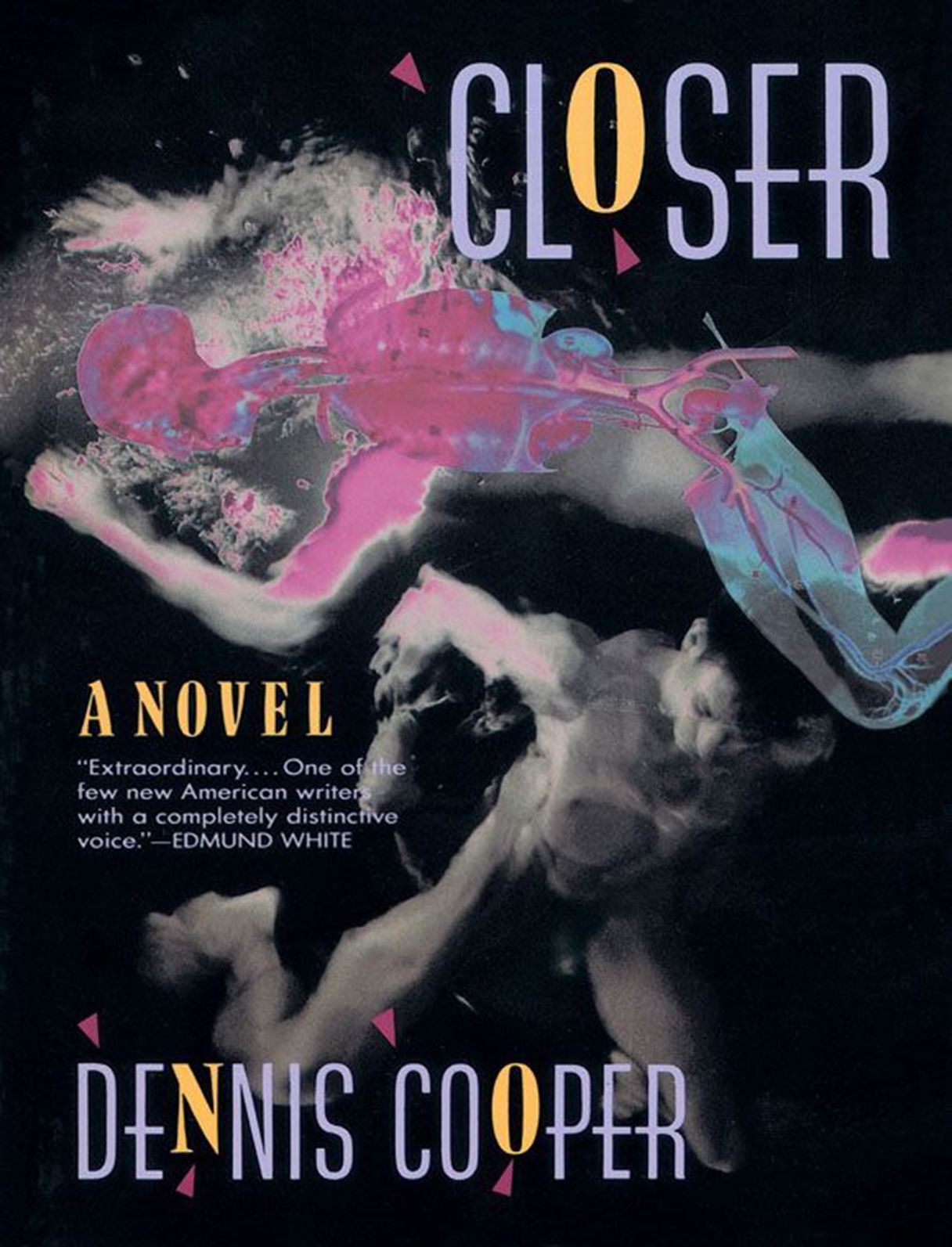
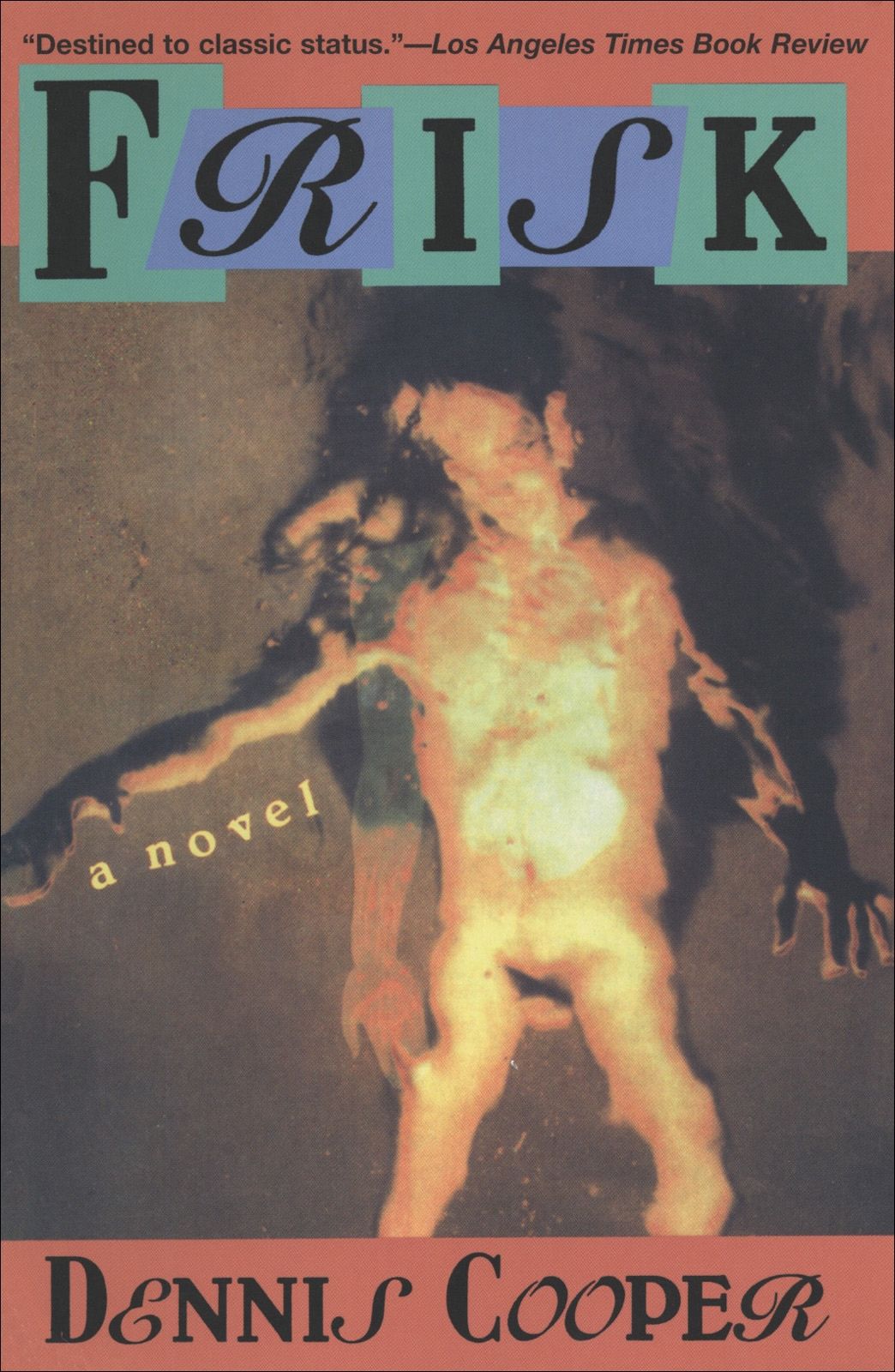
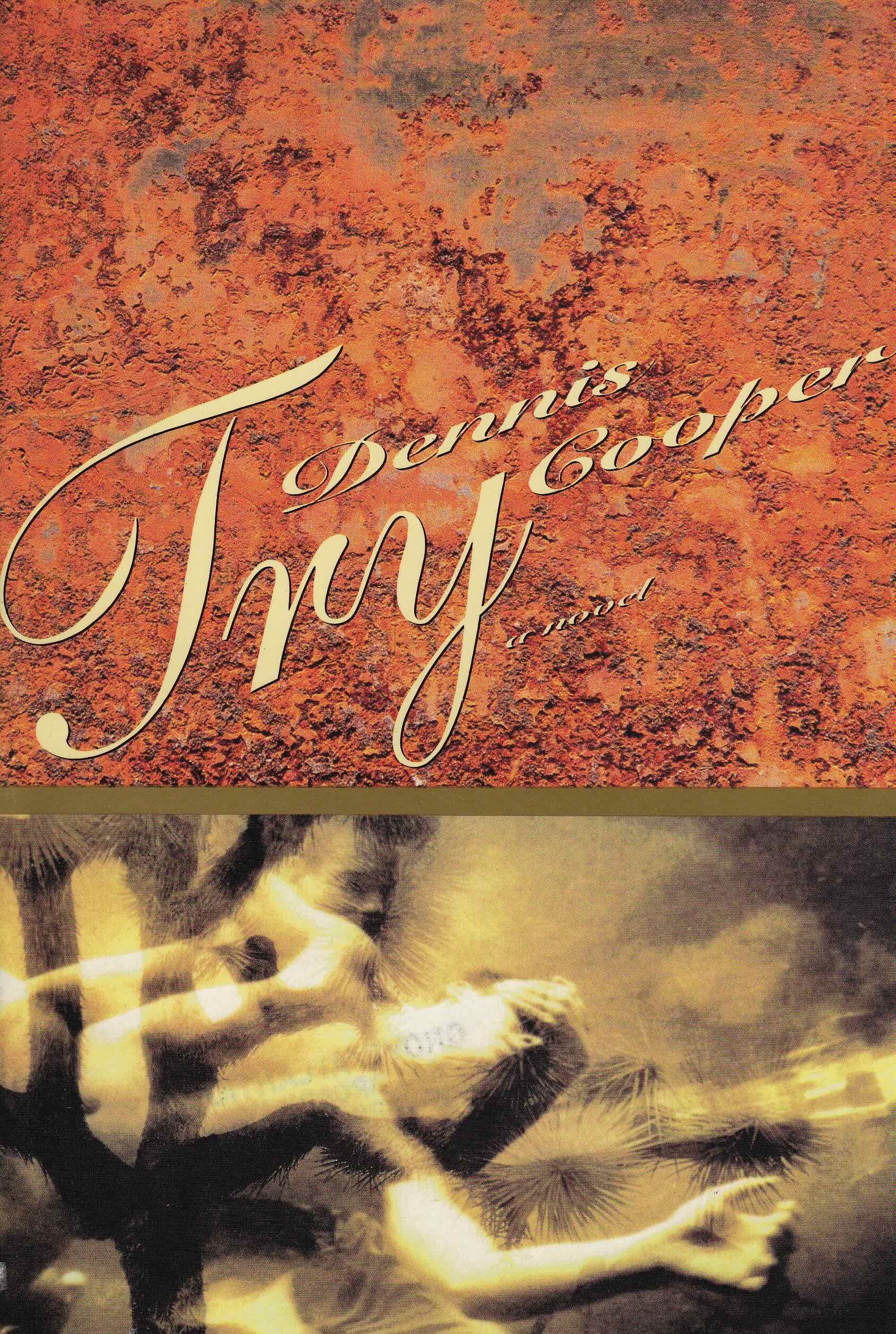
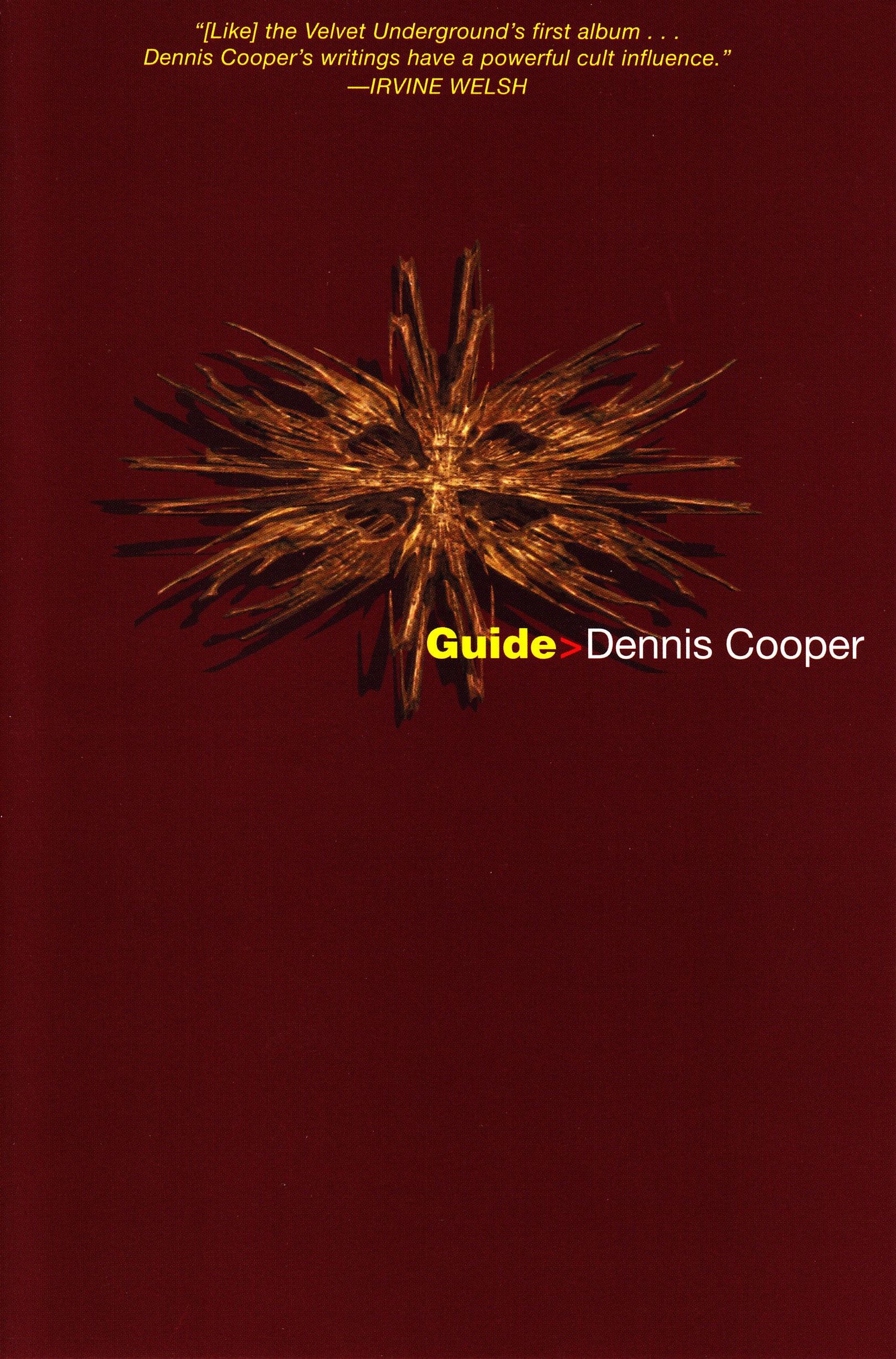
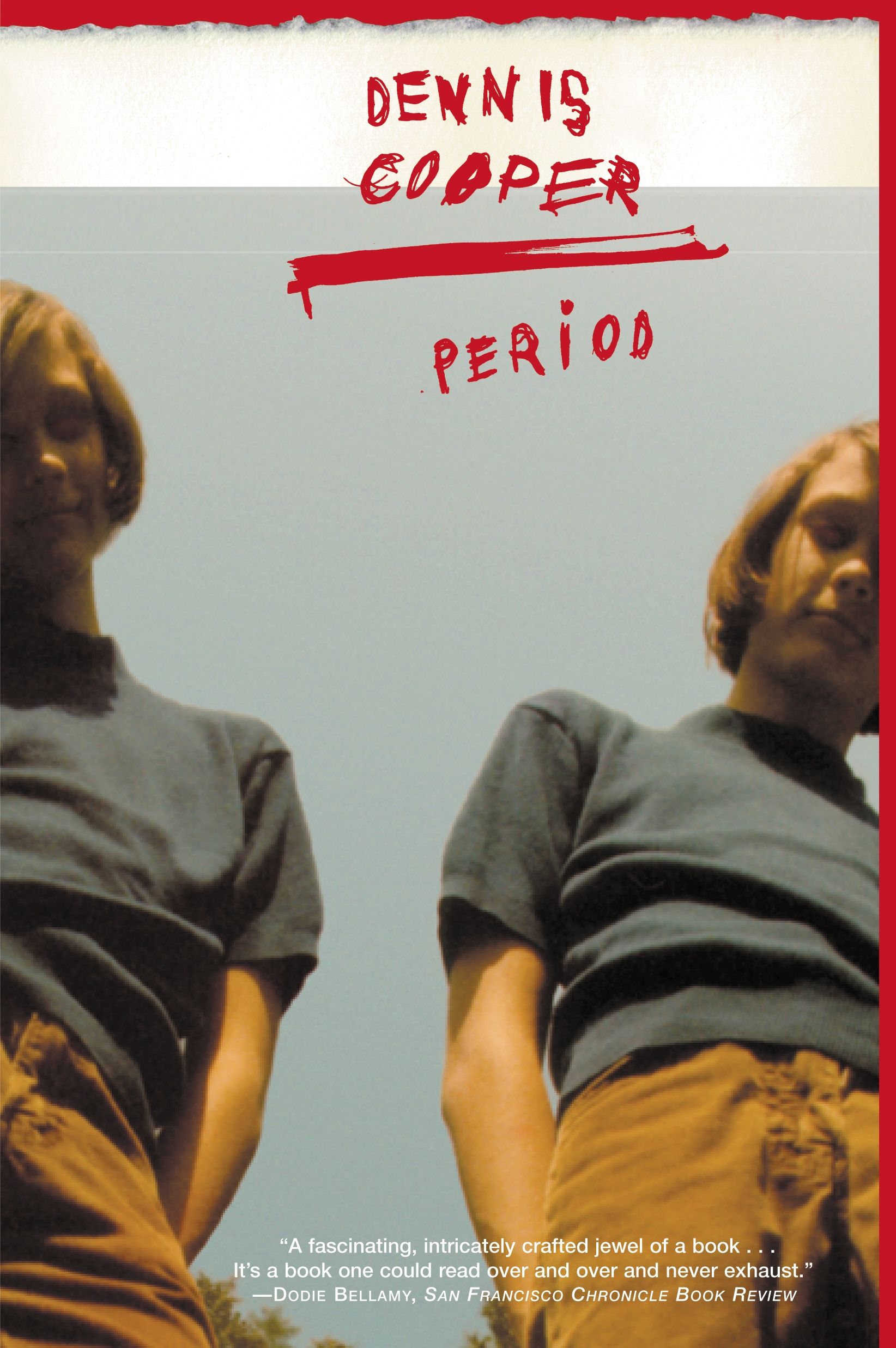
The five novels from the “George Miles Cycle,” published between 1989 and 2000. Courtesy of Grove Atlantic.
PP: Your blog is a place where you’re both writing about others’ work and showcasing (your own) new fiction.
DC: I have been doing it for so long now that it’s just second nature. It’s, weirdly, hugely popular. It gives me a reason to investigate things all the time. I mean, I would be looking at writers and music and film all the time anyway, but there’s a purpose to it if I put it on the blog.
I also really like curating, either with the two presses I ran or with art. It’s a way to get to talk to writers and artists who are really exciting and doing good work. And if I’m in a position where they like me, by supporting them, it means something to them, too.
PP: Lynne writes in the intro for Closer—when talking about it being written during the height of the AIDS crisis—that, “Back then, fantasy itself was dangerous.” I was also thinking about danger in relation to both your blog and The Sluts, because your own blog was wiped a decade ago and in the latter, there’s a moment when the forum at the center of the story is closed because of a real event that happened.
I agree with what Lynne’s saying, but I also think there’s a point to be made about how writing in the post-internet age makes danger even more omnipresent, because not only the things you’ve written—or the books you own—can be dredged up against you, but your entire digital footprint can be.
DC: I don’t really worry about that kind of stuff. I look at what I look at, I’m interested in what I’m interested in. People can hold my own work against me but luckily, I’ve never been in a situation where people use it against me.
I feel like I’m really invisible or something. I never have been a big, successful writer or anything. I just slipped through the cracks. I’m just considered to be this weird, underground guy. It’s actually very advantageous because no one ever would think to attack me, because they don’t think of me as having any power.
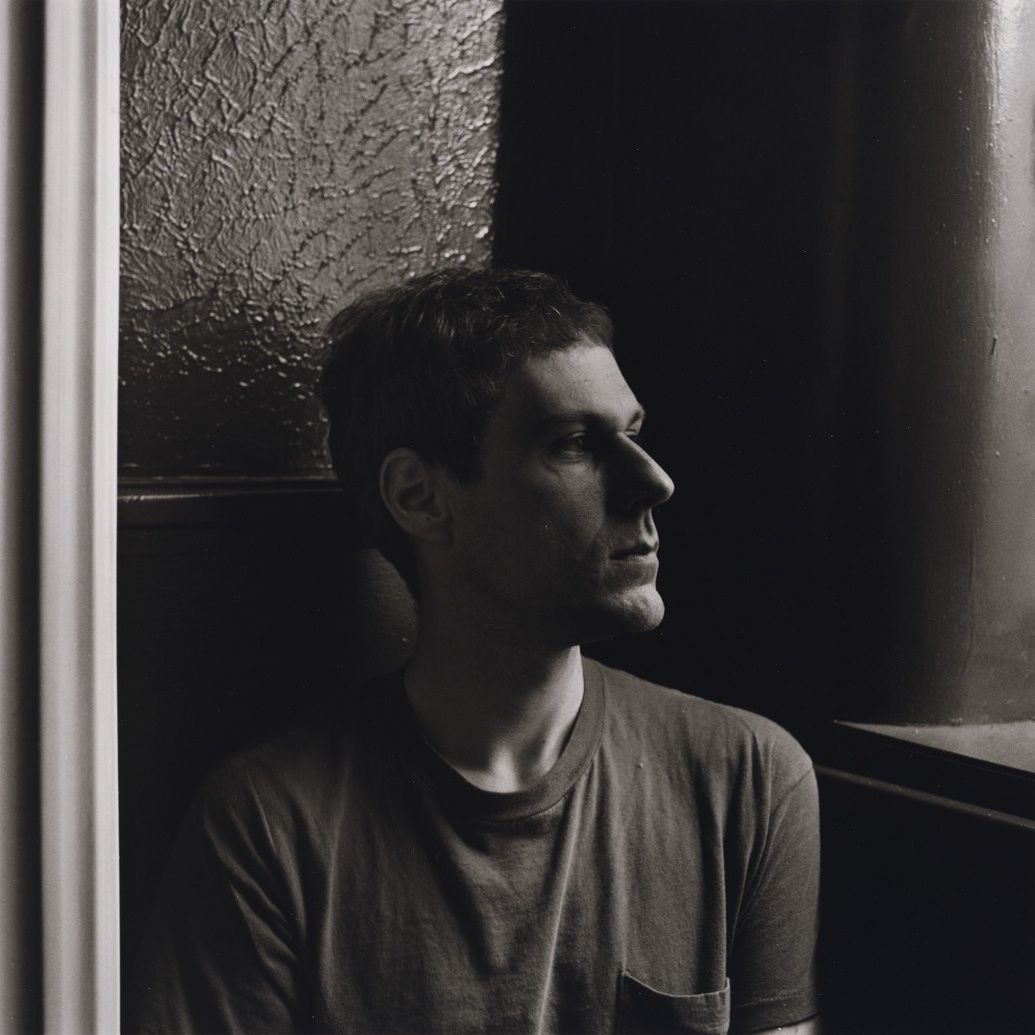
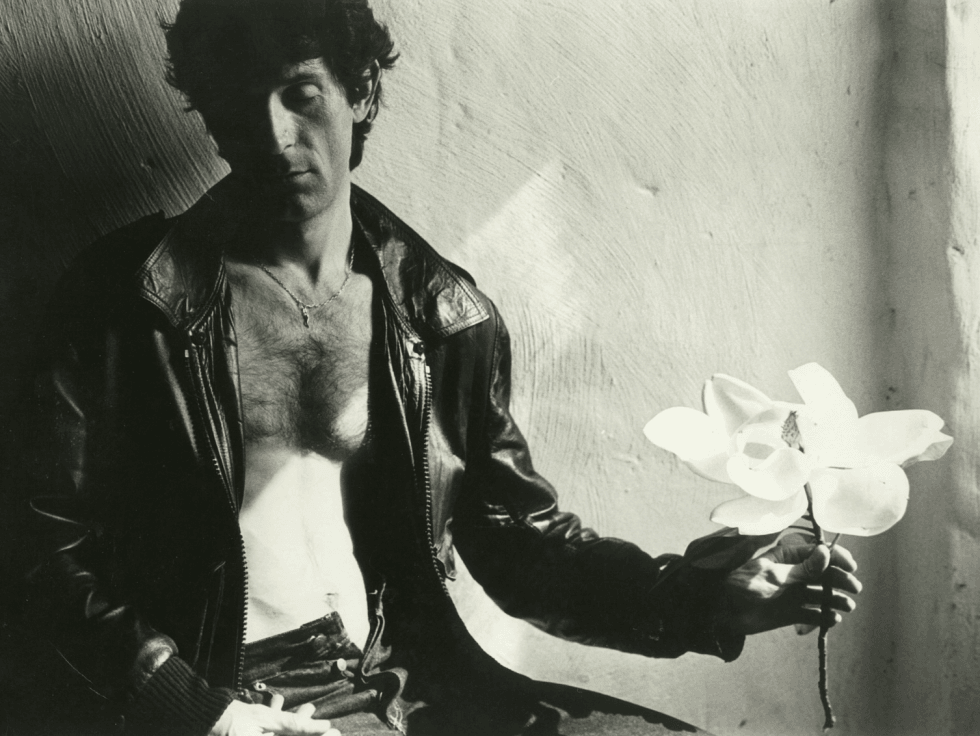
Portrait of Dennis Cooper around the time he began writing Frisk (1991). Photo by Robert Giard. Courtesy of the author.
Credits
- Text: PHILLIP PYLE
Related Content

Never Born, Never Dying: EILEEN MYLES

SEAN DeLEAR: One Way Bus To Stardom
The Ghost of Rimbaud: On David Wojnarowicz
IYKYK: An Interview with Chris Kraus and Hedi El Kholti, Editors of SEMIOTEXT(E)

Mining a Counter-History from the Past: WILLIAM S. BURROUGHS and Subcultures in Kansas

VIRGINIE DESPENTES: Hates People, Loves Dogs.

An Orgy of the Mind With Charlie Fox
Lauren Oyler Says No—And Sometimes Yes
In Outer Space with WILL ALEXANDER
“The Earth is Trembling”: ÉDOUARD GLISSANT in conversation with HANS ULRICH OBRIST

We Salute PETER GENTE (1936–2014)
The Icelandic Condition