Ultrace: “A car is an object of applied art”
|JULIA KRAEPLIN
It’s midnight on Lake Como, and the shirts are coming off. One guy has a crocheted balaclava pulled over his face, and the other half-naked people around me are dancing to techno.
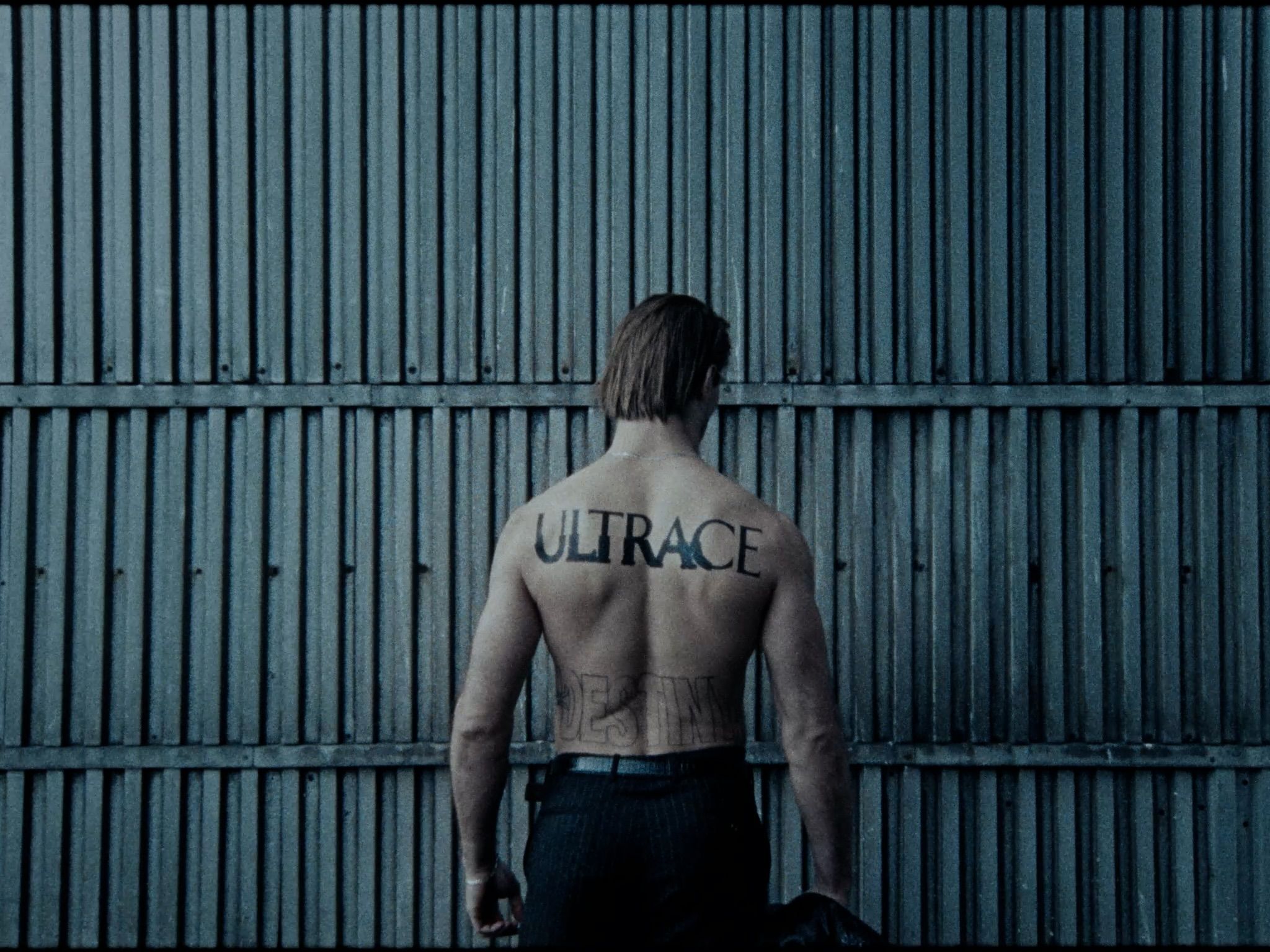
The setting of this scene is Villa Erba during Concorso d’Eleganza, one of the most prestigious automotive gatherings on the planet. Earlier in the night, BMW M unveiled the design their new M2 CS amid a throng of JDM legends and wide body builds. BMW Classic usually owns the Friday night party kicking off the event, but for the May 2025 edition, they brought in the Polish automotive collective Ultrace as co-host. Now I can’t imagine a party without their involvement.
“Julia, do you want to ride in a drift car?” When the Grabowski brothers asked me this at last year’s Ultrace, I thought I was going to collapse. Then, as we walked through the crowd, down the stairs, and through the gate to an atmosphere suffused with smoke, screaming engines, and thousands of people looking down from above as if at the Colosseum, goosebumps began to take over my body. It is precisely this feeling, which is at once electric and dizzying, singular and collective, that Ultrace attendees experience year in and year out.
Club de Ultrace was founded in 2011 by Adrian Kapica, who continues to work hand in hand with Kacper Chmielowski and Michał Rabczuk to organize the annual event. Having begun with just 30 cars in a tiny parking lot in Wrocław, Poland, Ultrace now functions as part car exhibition, cultural phenomenon, and rave. Today’s version features 1,000 curated cars handpicked from a pool of tens of thousands of applicants, and draws 50,000 visitors from 40 countries. Tickets for the experience are released before a single name on the lineup is announced, yet they sell out in seconds.

Part of Ultrace’s appeal is their visual language, which is unlike any other found in the car world. There’s no chrome, no lifestyle photography, no polished corporate branding to be found in the collective’s external messaging. Instead, one is left with just flags, crests, and an overwhelmingly brutalist atmosphere.
Ahead of their first-ever event outside Poland, Archived Dreams, which takes place from April 24-26 at Areal Böhler in Düsseldorf, I spoke with Ultrace founder and CEO Adrian Kapica about turning car culture into culture with a capital “C” and Ultrace as “organized chaos.”
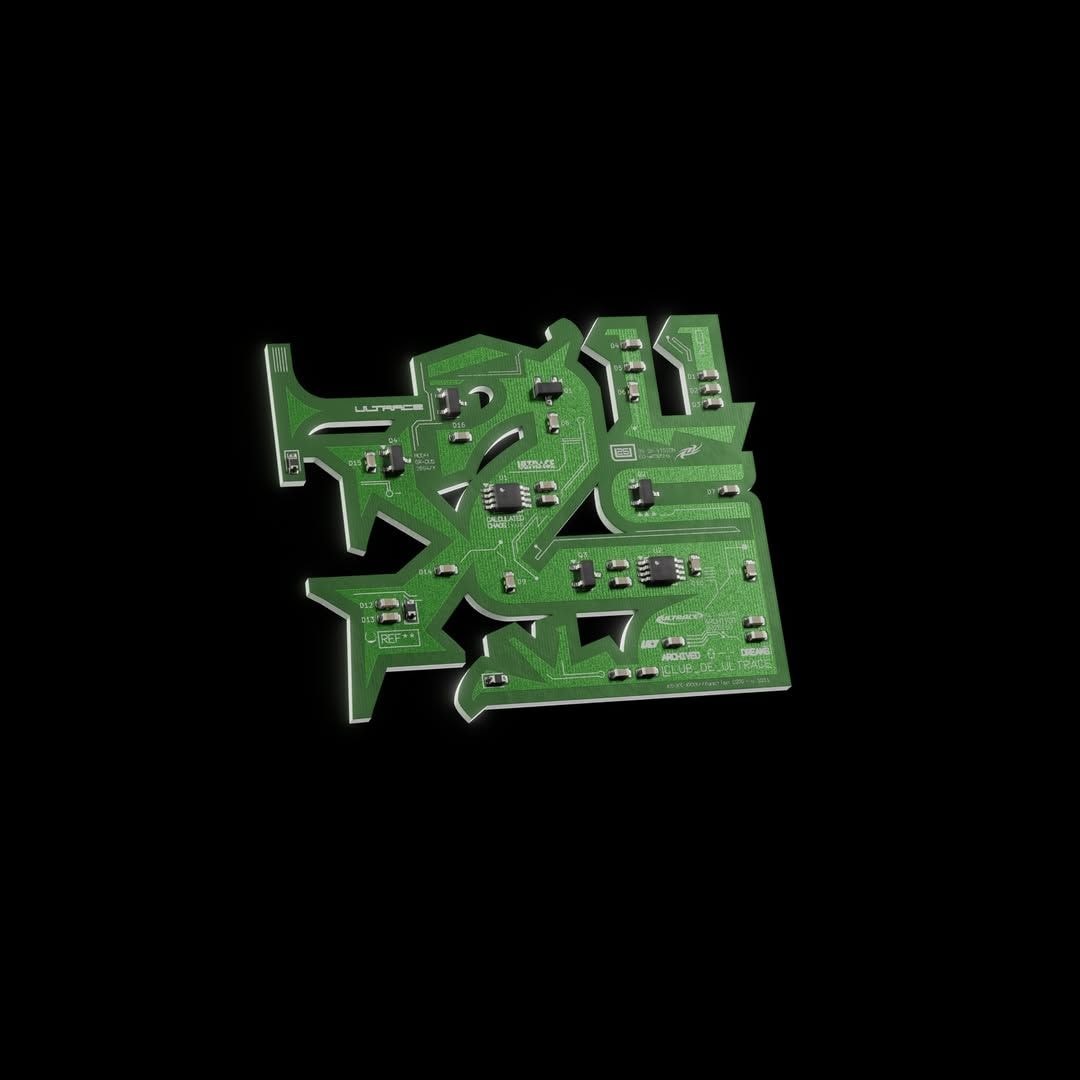
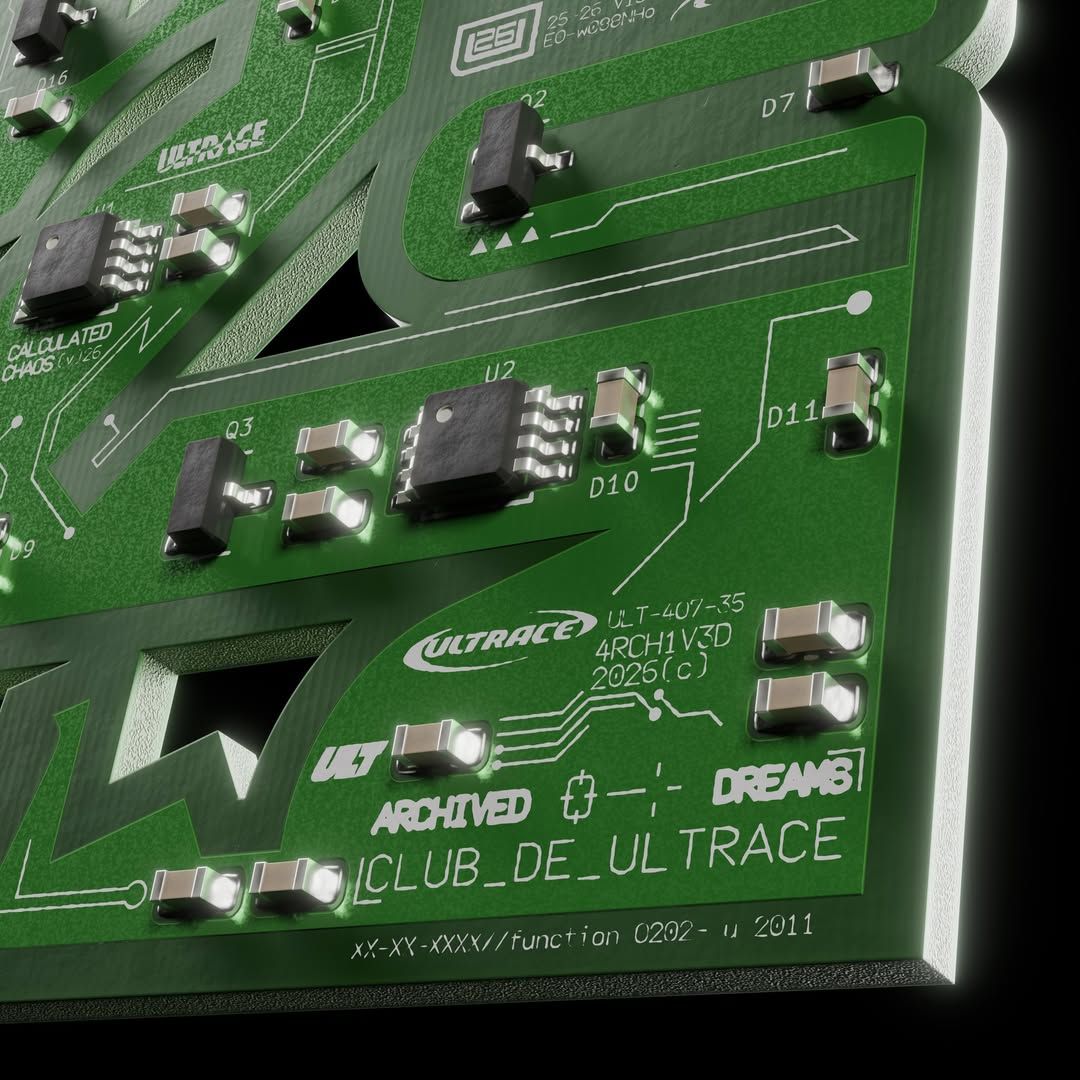
JULIA KRAEPLIN: Your visual language feels closer to brutalist architecture or a Berlin techno club than anything from the automotive world. What has shaped your design direction?
ADRIAN KAPICA: Eastern Europe has a rich cultural heritage and a visual identity with a great deal to offer. It’s a style deeply rooted in the place we come from, and precisely because the automotive world has barely touched it, that direction felt like the natural thing to do. Much like how Race Service carries a distinct Californian sensibility, and F.A.T. International is steeped in the motorsport spirit of ice-bound Austria, we, too, are proud of where we come from.
JK: Where does car culture end and art begin for you?
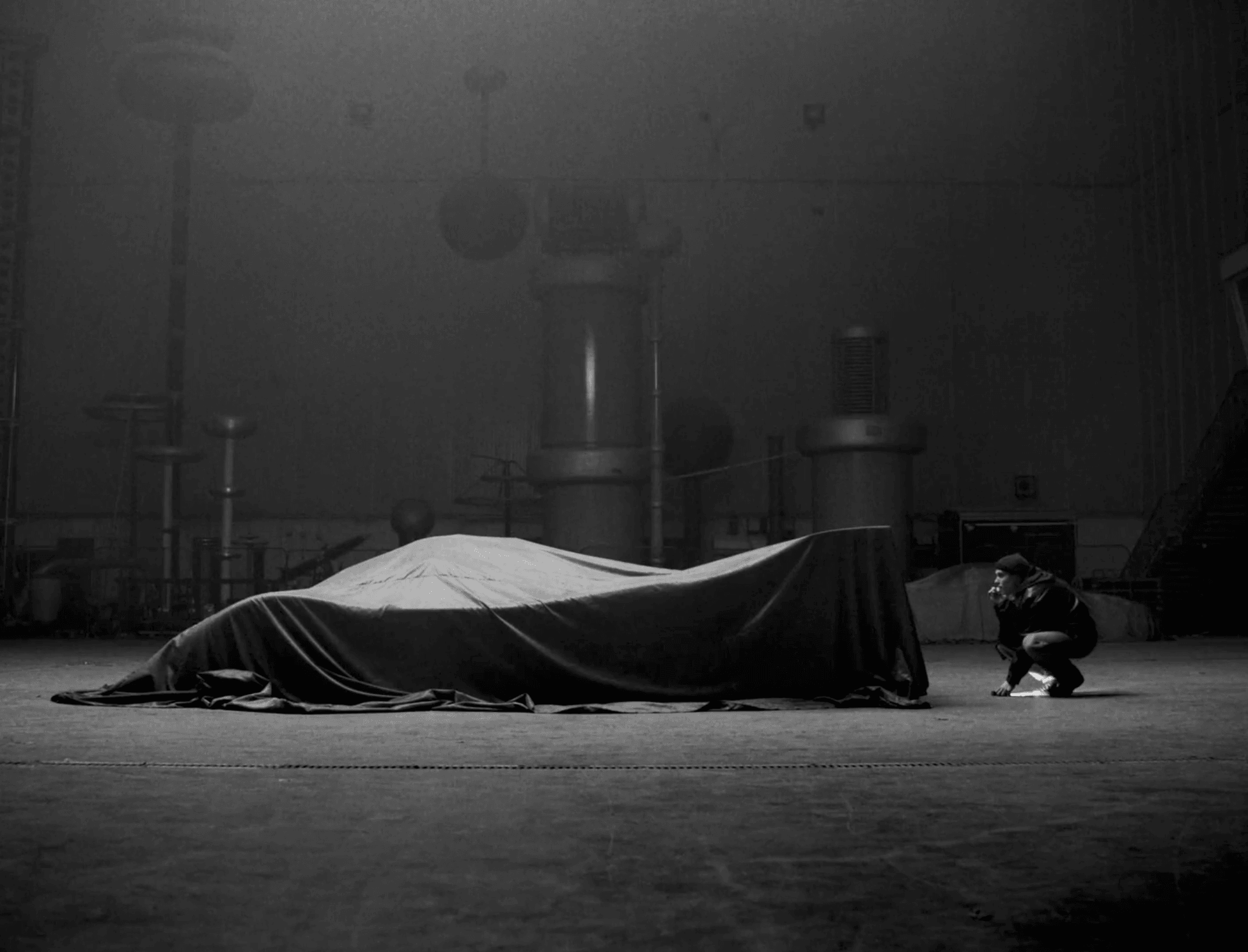
AK: The line was never clearly drawn for me. A car is an object of applied art; its form can be read as sculpture, and as a conceptual object it becomes a symbol of culture in the broadest sense. That’s the space within car culture that fascinates me most: the possibility of filling it with culture with a capital “C.”
JK: And what does that look like in reality?
AK: Today, Ultrace is a mirror reflecting the state of automotive culture in Europe. Alongside Ferdi Porsche’s personal 962C, you might find Lando Norris’s Kaido Racer, a collection of Sauber C9s and C11s, Mercedes CLRs and CLK GTRs—all among nearly one thousand everyday cars, including your F430 Scuderia or my RX-7. The fact that a Bugatti EB110 owner and a Honda Civic owner can receive equal recognition creates something entirely unique.
JK: If Ultrace were a building, what would it look like?
AK: Right before the event, when chaos closes in on all sides, Ultrace would probably be 33 Thomas Street in New York—all bunker-like rawness and interiors in the spirit of House van Wassenhove. Come July, once both events are behind us, we hope to look more like the UC Innovation Center in Santiago, with interiors closer to Zenhouse in Kerala. In other words: organized chaos.
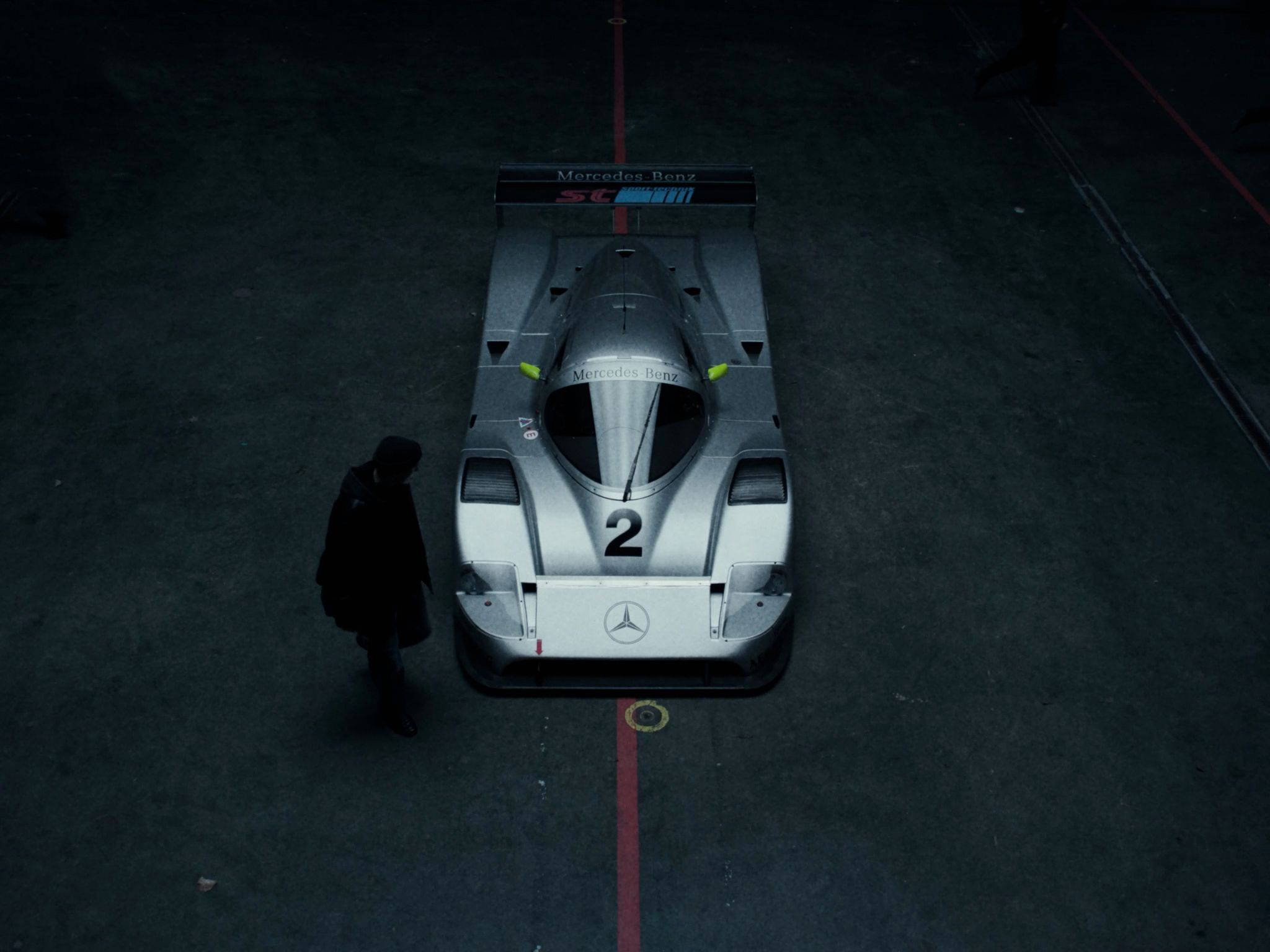
In June 2025, I went to the real thing at Tarcźyński Arena in Wrocław, Poland. There were 50,000 people in attendance. The cars they bring are the kind you’d normally only associate with the era of open F1 paddocks, or those which are behind museums ropes and in private collections: one of only 12 Maserati MC12 Corsas ever built; the Porsche 962 C from the Rennmeister collection; the Porsche 935 by Madlane in Japan—a masterpiece that proves show cars aren’t always race cars, but race cars are always show cars. And alongside the heavy hitters, there were nearly a thousand cars built by mechanics, obsessives, and visionaries who poured every cent and every weekend into their builds.
These are kids who grew up on Gran Turismo. People who know the old Mid Night Club stories from Japan—back when illegal races were organized through cryptic newspaper classifieds and before anyone called it culture. Every wheel is polished like a satellite dish, and every detail is intentional, all of them brought together by the same feeling, which is what happens when obsession becomes physical. The result? A form of art which just so happens to have an engine.
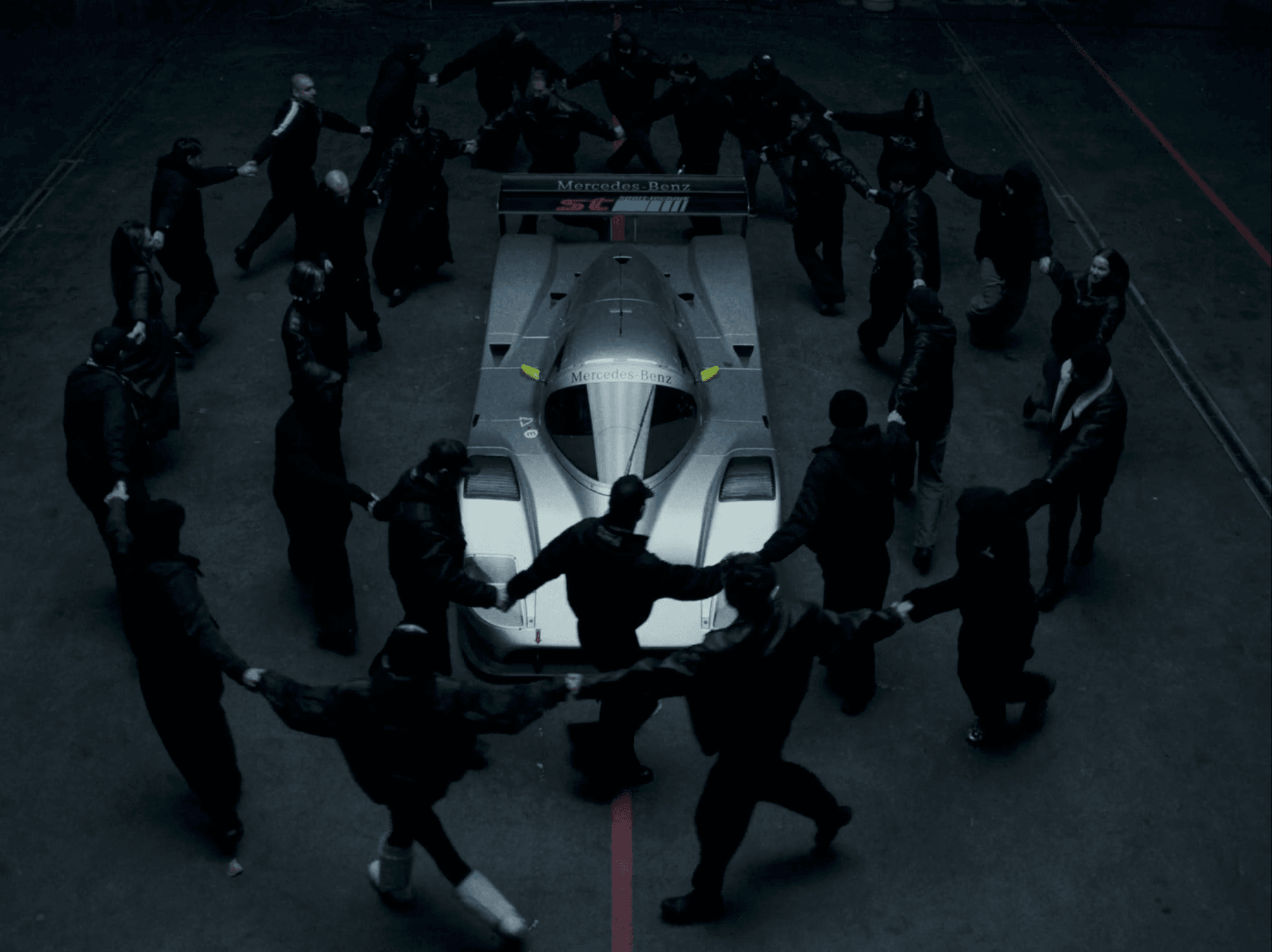
Ultrace’s Archived Dreams, the collective’s first all-encompassing event outside of Poland, will unfold across five historic industrial halls and 35,000 square meters of space at Düsseldorf’s Areal Böhler from April 24-26.
Credits
- Text: JULIA KRAEPLIN
Related Content
The Spiral Walker: JULIE MEHRETU
Un Rendez-Vous with Parisian Car Dealer ARTHUR KARAKOUMOUCHIAN
STEPHEN BAYLEY on CRASHED CARS and the DEATH OF THE MODERN ERA
L’ART DE L’AUTOMOBILE and THE BROKEN ARM’s T-Shirt Commemorates Car Burnings in the French Suburbs
A Writer Wanted to Run a Marathon, So We Sent Him to Nike Research Labs in Oregon

Soccer Star PAUL POGBA, JUERGEN TELLER and Son Kick it in Paris
Life’s Game: the Home of adidas Football

Juventus FC x 032c
Transmissions: Culturecure
Interview: NBA star ANDRE IGUODALA talks sacrifice, freedom, and what needs to change