No Such Thing As Magic: Anton Corbijn
|LUNA SFERDIANU
The shroud that insulates celebrity has been thinning lately, but that isn’t any of Anton Corbijn’s concern. For the past 50 years, the Dutch photographer and filmmaker has been capturing some of the most admired and contentious faces in music without compromising their mystique.
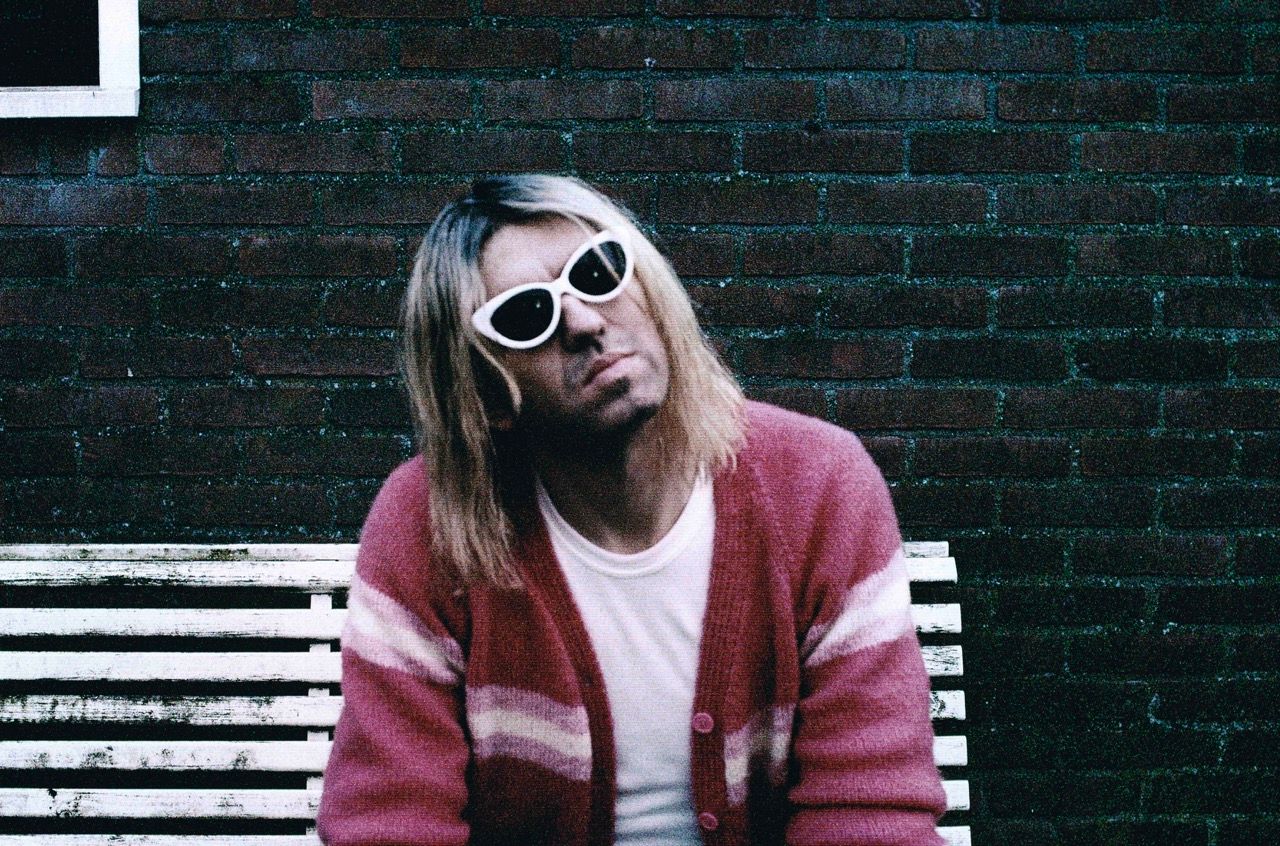
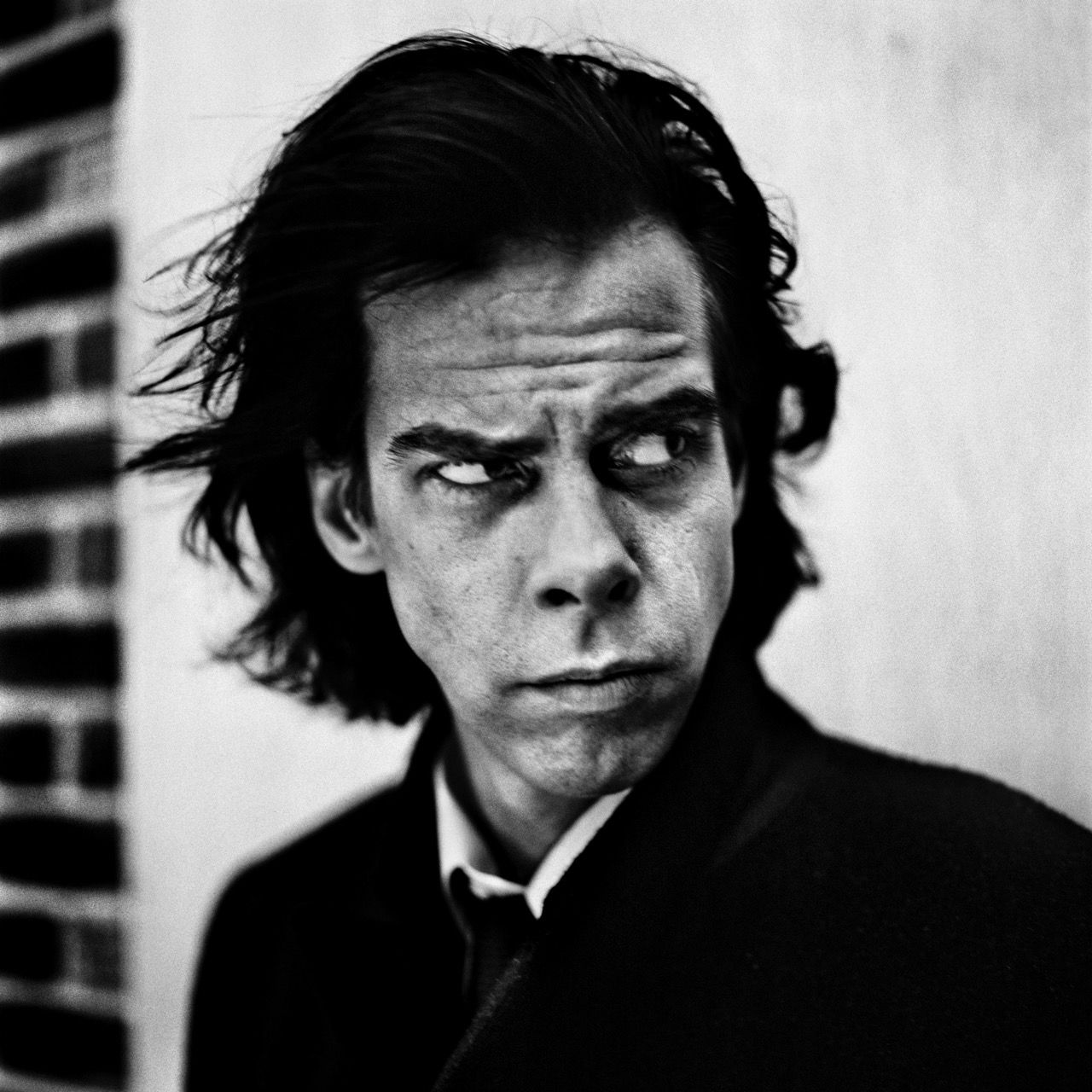
“I thought there was some magic world somewhere there. I discovered there isn’t,” he told me in a neutral tone when I tried to inquire on the background of his visions of 1980s Malibu or 1990s Orlando. Confident in the inherent allure of his work, Corbijn has long refrained from sharing stories surrounding his most iconic images. His black and white portraits of a frowning Nick Cave, a sullen PJ Harvey, or an ethereal Sinéad O’Connor thus all share a similar effect: beckoning toward an unreality where the halcyon times they depict are still alive.
That world is also at the center of “corbijn, anton,” the artist’s retrospective currently on view at Fotografiska Berlin until late September 2026. On the occasion of the exhibition’s opening, I chatted with Corbijn about what photography means to him now.
Luna Sferdianu: Susan Sontag ascertained that “images are a grammar and, even more importantly, an ethics of seeing.” Celebrity status, too, is constructed predominantly through the grammar of visual culture. What about this grammar do you think is so enticing?
Anton Corbijn: I personally don’t think I’m after celebrity. I’m after people who create beautiful things. Some of these people are very well known or celebrities or whatever, and some are not, but my focus is really on their creation.
LS: As a person who constructs visual narratives on other people’s experiences, do you identify as an outsider or an interlocutor in this process?
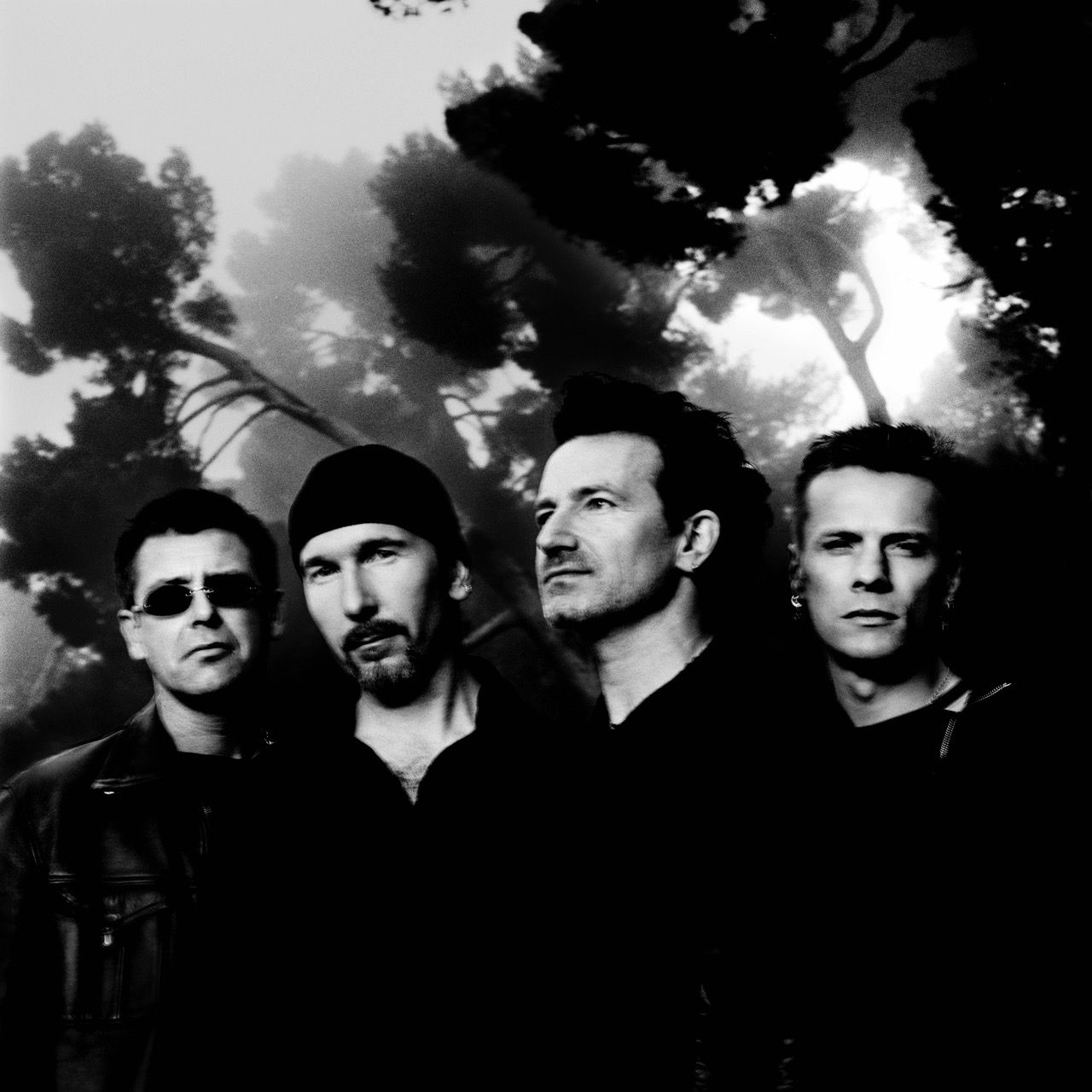
AC: When I first started working with U2, I came in as an outsider. I’ve been working with them now for 44 years, so they’re family.
But with all the people I met for the first time I was bound to have a more outsider view of things, and that is neither bad nor good. I always liked to find a way to photograph people in a way that hasn’t been shot yet and that says something both about that person and about me.
LS: In what ways did you manage that so far?
AC: Well, I only succeed now and then. You have to be lucky and inventive.
LS: When you first started photographing, you were still living in the Netherlands. Obviously, it is not the most culturally-abundant place on earth. At least, there’s a stark difference between the Netherlands (specifically The Hague, which you have moved away from) and the epicenters of culture you lived in later in your life.
AC: The Hague is definitely not an epicenter of anything, apart from institutions.
LS: I was wondering how your upbringing and the beginning of your adult life there informed your craft?
AC: I grew up on an island south of Rotterdam. I lived in The Hague when I left my parents’ home and wanted to do photography. In the 70s, before moving to London, I also lived in The Hague for four years. I wanted to study in an art academy. I tried in Breda, Amsterdam, and The Hague, and I didn’t get into any of them.
In The Hague, there was a photography school that had one day of photography classes a week. I went there for a year and a bit. I didn’t know anything about photography and I wanted to master it. But that school was almost an antithesis to my love for photography. It made photography into a job, a profession. So I left and then made my own way. Then I moved to London for almost 30 years, and then I came back to The Hague. My girlfriend at the time, who’s now my wife, wanted to go to a bigger city. So we first settled on Berlin, but in the end, it became Amsterdam.
LS: How did it feel to move to London from The Hague?
AC: I was quite a provincial guy, even in The Hague. London was overwhelming. Now everything is similar, but it wasn’t then. In the 70s, you could really feel it was a different country. I had a headache for months just trying to make myself understood, and my English was also not very good. But the people reacted positively to my work; I was working almost from the get go.
LS: Did you always have an affinity for capturing the emblematic people of the Anglosphere, or did that develop more slowly?
AC: I think my approach was very basic initially. I was simply a fan of musicians, and I naturally wanted to photograph them. I wanted to be closer to them, because I thought there was some magic world somewhere there. I discovered there isn’t, but it was interesting for me to put a picture to the sound. Sometimes I succeeded in that, and sometimes it remained merely a picture.
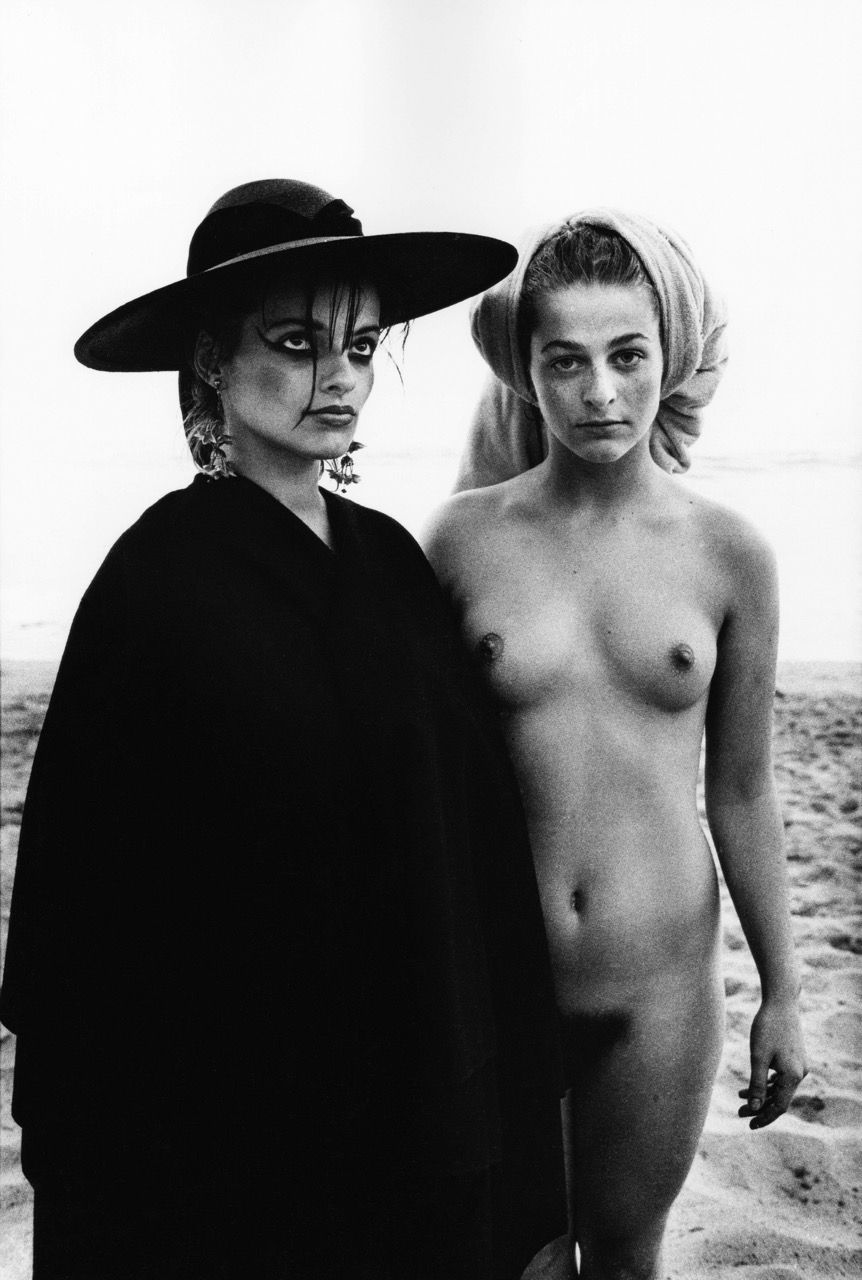
LS: There’s so much myth embedded in your photographs. I am enticed, for example, by the Malibu picture of Nina Hagen and Ari Up, which is a centerpiece in the Fotografiska exhibition. What is the lore behind that?
AC: I’ve told a lot of people that story, and I’m trying to limit what I say about pictures. But since it’s out there somewhere… The Slits asked me to do the album sleeve for Return of the Giant Slits (1981), and they wanted naked pictures in the desert. We were in LA, then we went to Berkeley, and from there on, we were going to drive into the desert to take a picture. We drove for a day, and we arrived somewhere and Ari Up said, “Nah, I don’t feel like taking my clothes off here.” Oh God. So we drove to another desert, and she said the same thing. So then we headed back to LA. They said we should visit Nina Hagen, who had a beach house in Malibu, and finally on the beach she said, “Yeah, this is great.” So they took their clothes off. Nina was pregnant in the picture too.
LS: I think there’s something special about the context in which certain art is being made, especially photography.
AC: The reason I am limiting sharing about my photography is that you, as a viewer, can make a picture on your own. You can think of what is around there. Once you tell people how the picture is taken, they can only see the whole context that way. You limit that beautiful ability to make it yours.
LS: That also is true. While we’re on the topic, what is the use of photography for you?
AC: I think there’s a duality to it. Part of it is about making a living. The other part is about trying to do something with my life. A successful picture gives me a lot of purpose. In the context of the world today it is maybe meaningless, but the only thing an artist can do is his art.
LS: How does it feel to you to exhibit such an encompassing retrospective?
AC: I don’t know the answer, I just know that it’s okay at some point to look back and see where you got to in all those years. And I’m very proud of the work I’ve been able to make without a proper education or anything, and without people believing in me when I started. Admittedly, I had no plan B, so failing was not an option. That gives me a lot of pleasure actually.
LS: The whole idea of a retrospective—and your images in themselves—exudes this nostalgic feeling in association with bygone days, or some general time that cannot be retrieved or lived any longer. What is your relationship to nostalgia?
AC: I’m unfortunately quite nostalgic in my character, but I’m trying to not go there. It’s not a positive force, I think I’m much better without it. It’s an element that is part of my photography, and a lot of the people I photographed are no longer with us. You couldn’t do it again.
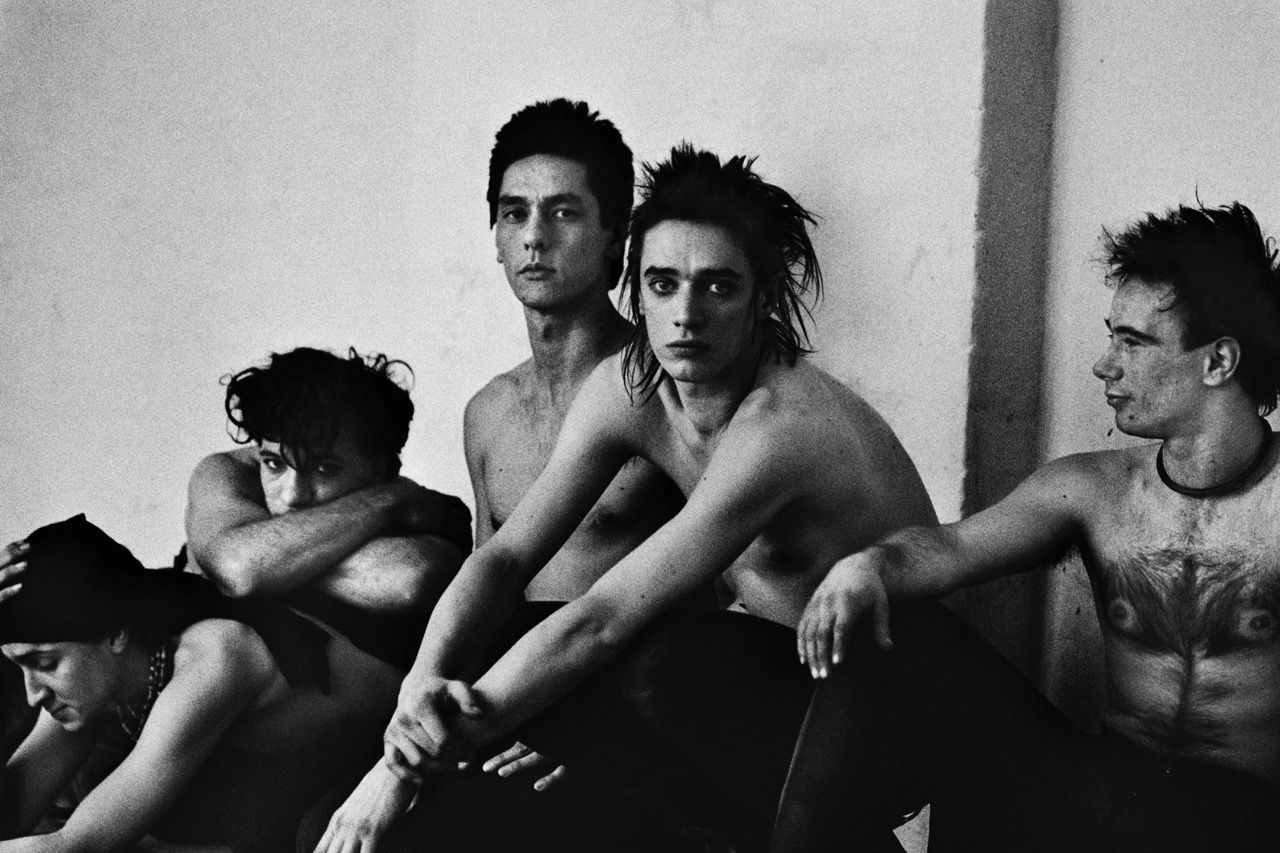
LS: A lot of our culture is contingent on nostalgia. Sometimes it really feels like there are very few things to look forward to in visual culture, so we just look backwards instead. Do you have any thoughts on that?
AC: It depends how far you go back with nostalgia. I think it’s fine to use nostalgia for the better, if you want to show people what was possible. Because this whole new generation doesn’t know how good it was, but they can only live in the now, that’s what they have to deal with. So in that context, I think it’s important to tell people there was also an era where specific things were possible. I think we should look at what’s really happening at the moment in the world, [especially] when a few people with too many resources are shaping how we live.
LS: Among other titles you held throughout your career, you were the art director for Depeche Mode. Nowadays, the idea of an art director means something totally different. What did that look like back then?
AC: I was an art director for Depeche Mode for some things, and it was an unpaid function. I was asked to do certain things, like album sleeve design, stage design, and films. I also made the logos. I didn’t know much about graphic design or lettering, so I made a lot of it myself. Some of it worked really well and some maybe less so, but everything is experience.
LS: You just finished your upcoming film Switzerland. What else are you preoccupied with these days?
AC: I’m working with U2 on some stuff again. Then I’m starting on another film, there’s a script and everything.
LS: Is there any particular part of your work that you want to leave behind for posterity?
AC: No. I hope the person who inherits my work will be my wife. And that something gets done to preserve it thereafter.
Credits
- Text: LUNA SFERDIANU
Related Content
Fantasies of Blood: Ulrike Ottinger and Isabelle Huppert
ART AT WAR: BORIS MIKHAILOV and WOLFGANG TILLMANS in Ukraine
Rave, Relic, Reel: Paranormal Frequencies in Mark Leckey’s Latest Works
Embracing Vulnerability with Michella Bredahl
Soldier: "Painting is about making the things you love immortal"
The Human Stain: Helmut Lang at the MAK Center at the Schindler House
Collecting – and Celebrating – With Publisher Benedikt Taschen
“Consciousness and what lies beneath it”: Exhibiting David Lynch (1946-2025)