Fantasies of Blood: Ulrike Ottinger and Isabelle Huppert
|PHILLIP PYLE
During a roundtable with Isabelle Huppert at the Berlinale earlier this year, I sat by a film journalist who asked the actor, “Is there anything that can throw you off balance in life?” To which she replied, with not irony but a knowing smile, “Do you really expect me to tell you?”
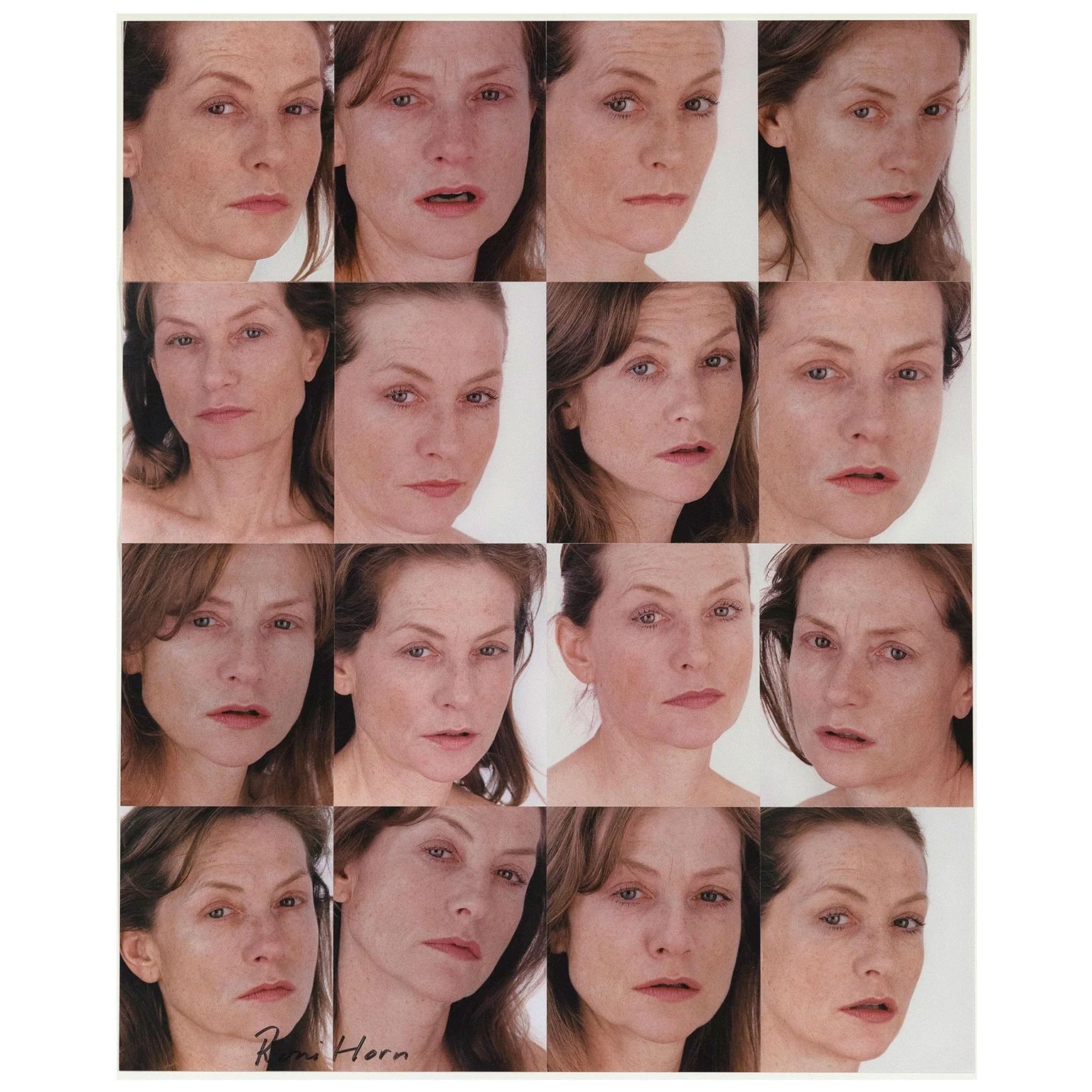
This playful reticence is also a hallmark of her acting. Having appeared in over 20 films that have premiered at Cannes and been nominated the most of any actress for Les Molières (France’s national theatre award), Huppert is often lauded for her performances in psychologically vexed roles. Yet, beneath the austerity or repression for which her characters are known, there is also something excessively emotional and unpredictable at play.
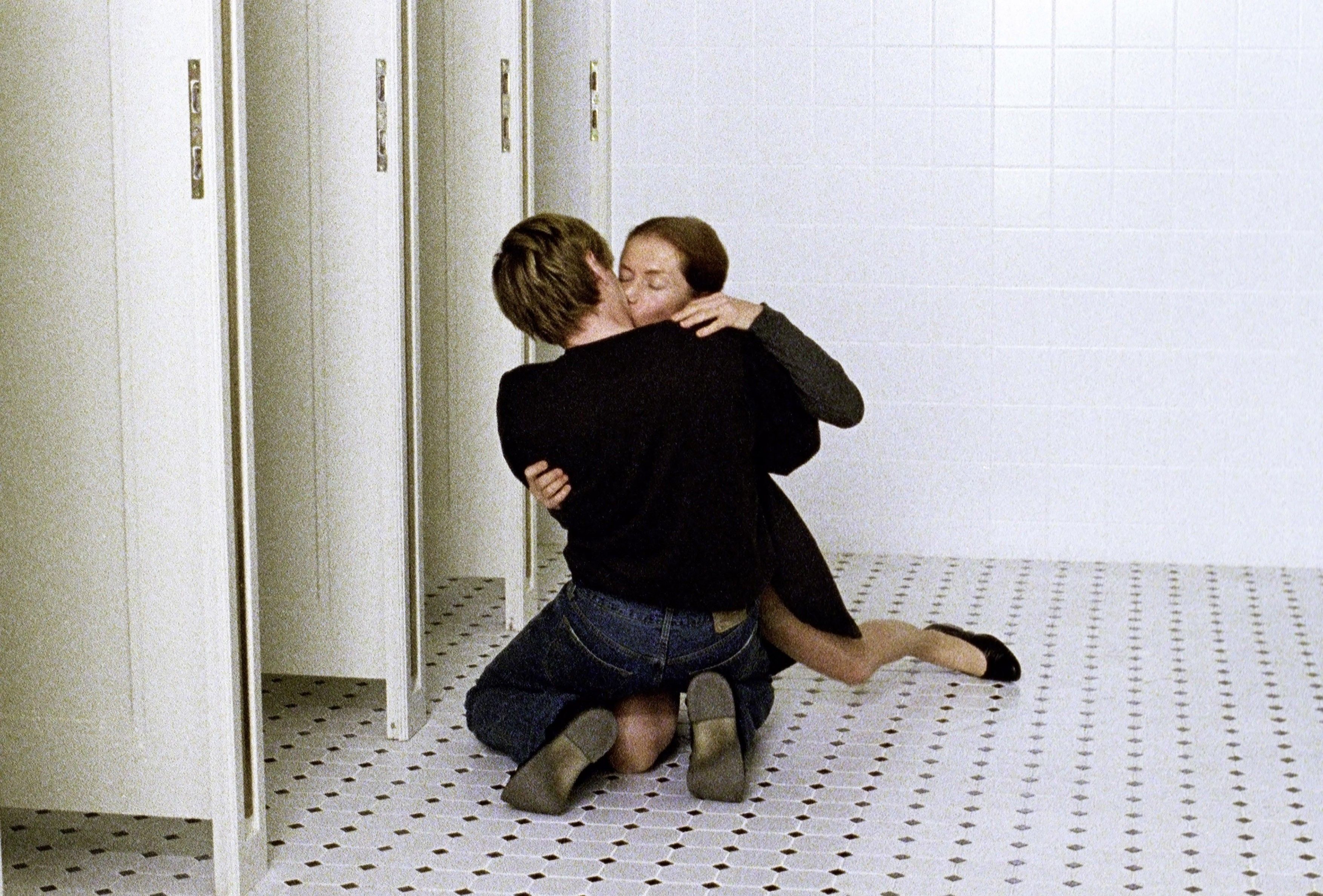
In Michael Haneke's The Piano Teacher (2001), she played Erika Kohut, an unmarried Viennese piano instructor who seeks to liberate herself from her repression by orchestrating a sadomasochistic relationship with a young male student, only to stab herself after the enactment of the very sexual release that she had prescripted. Her genius often emerges in these limit-experiences, where, rather than submitting to the conventions of acting, narrative, or the dramatic staging of an emotion, she works with the character she’s playing to produce a psychological effect closer to reality than it is to cinema or theater.
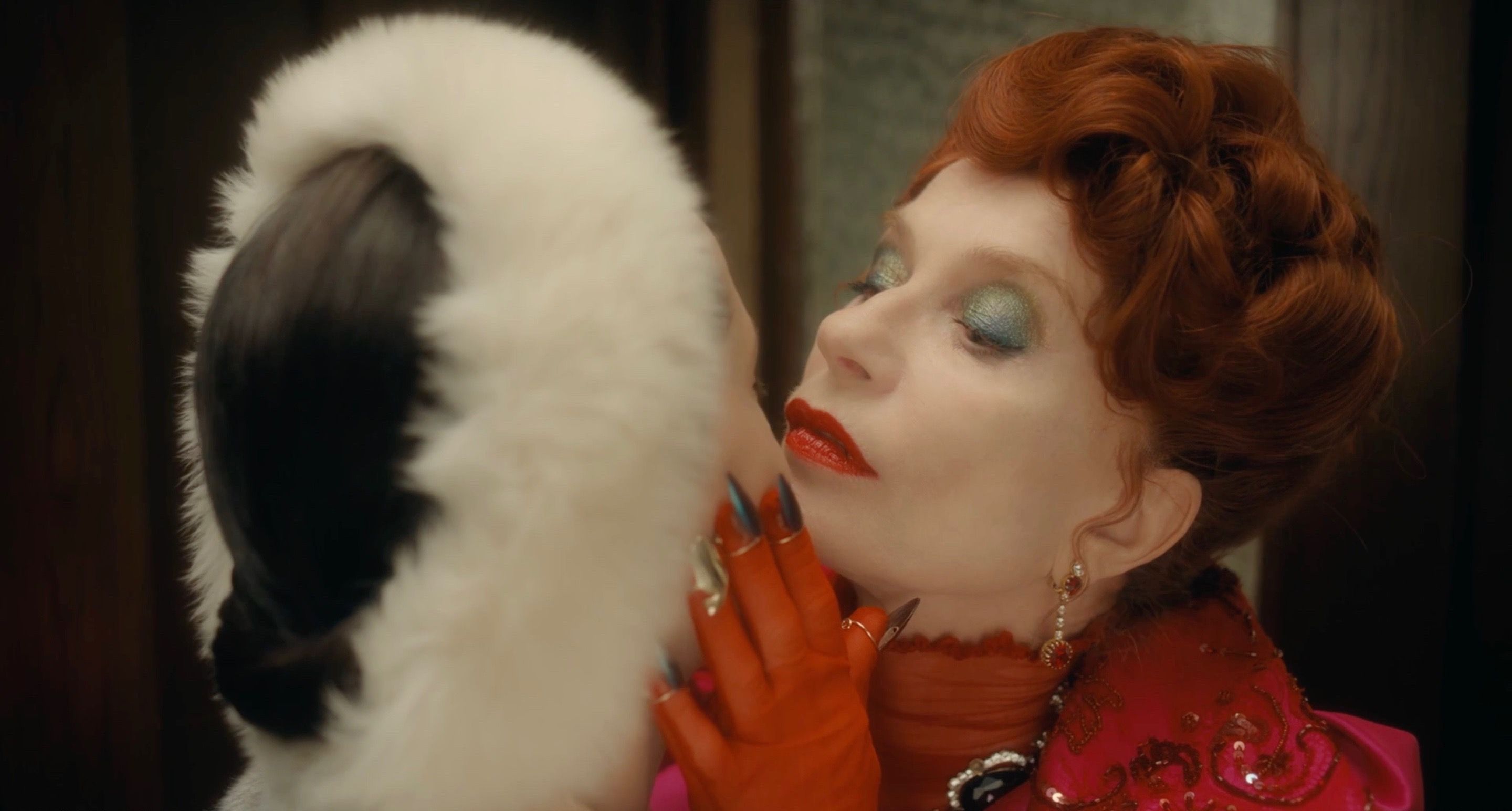
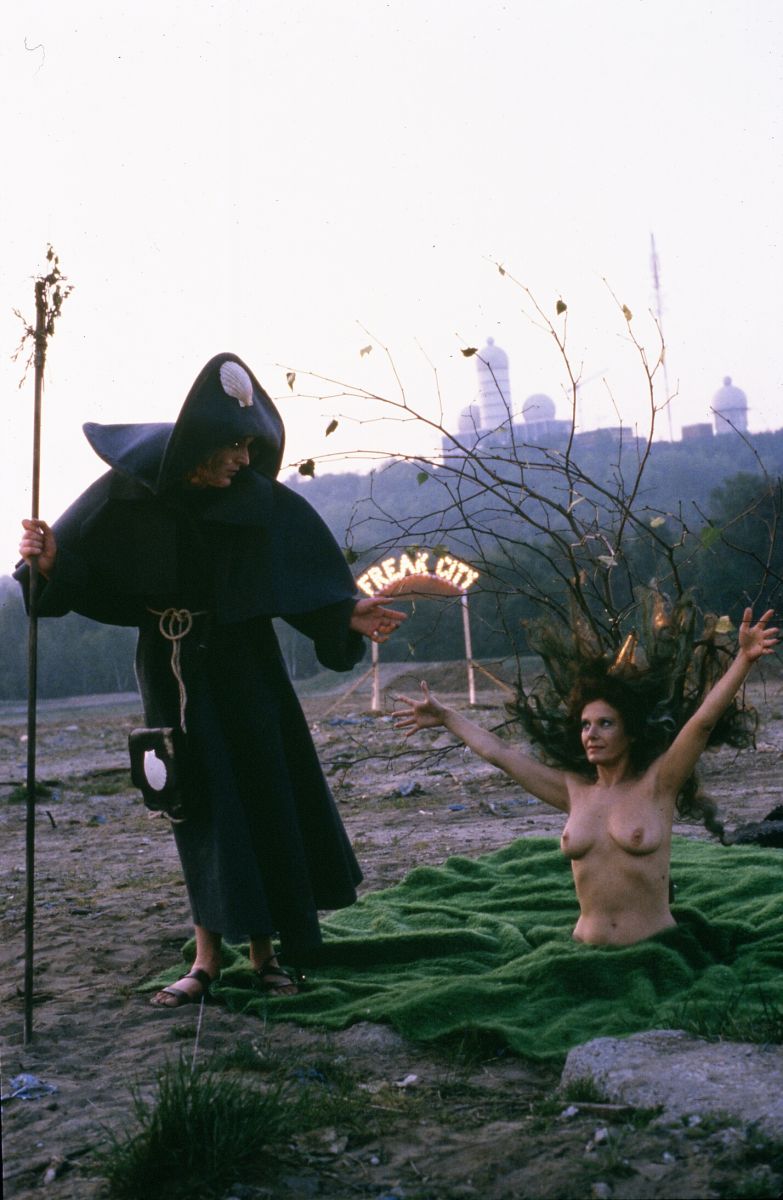
For her latest film, The Blood Countess (2026), directed by the legendary German experimental filmmaker Ulrike Ottinger, the actor returned to Vienna for a role that is decidedly more iconic than real. Written by Ottinger with the participation of Elfriede Jelinek, who also wrote the novel from which Haneke adapted The Piano Teacher, The Blood Countess centers on the fantasies surrounding the historical figure of Erzsébet Báthory, a 16th-century Hungarian noblewoman-turned-serial killer who allegedly “bathed in the blood of 650 young women to keep herself young.” Rather than treating this bloody history as fact, Ottinger focuses on its potential as myth, transforming the infamous “Blood Countess” into a vampire and transporting her to modern-day Vienna. Replete with the camp humor, baroque sensibility, and queer sense of history for which the filmmaker is known (Freak Orlando (1981), Dorian Gray in the Mirror of the Yellow Press (1984)), the film’s atmosphere radically differs from those that Huppert normally inhabits.
Interested more in the reveries surrounding the Blood Countess’s name than the impossible task of portraying or verifying the actualities of her life, Ottinger plumbed this particular history in service of an idea rather than a truth. And with Huppert as the vessel, this idea was sure to come true. Phillip Pyle met with Ulrike Ottinger and Isabelle Huppert separately the day after the film’s Berlin premiere to discuss the potential of the genre film, working together in service of an idea, and how you’ve already failed if you try to define something beforehand.
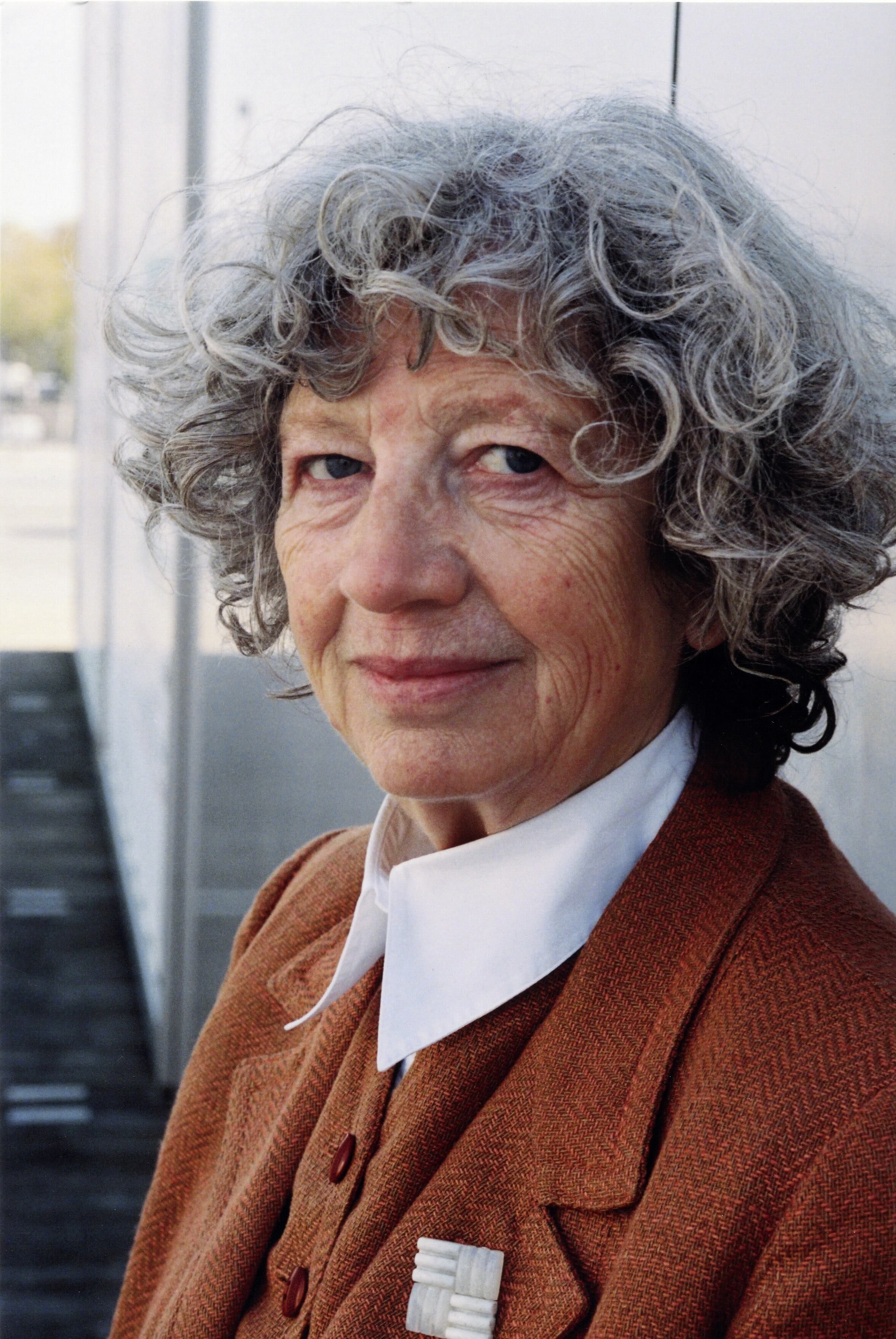
Ulrike Ottinger
Phillip Pyle: You engage with many different genres and histories in your films. What drew you to the history of the “Blood Countess” and the vampire genre, generally?
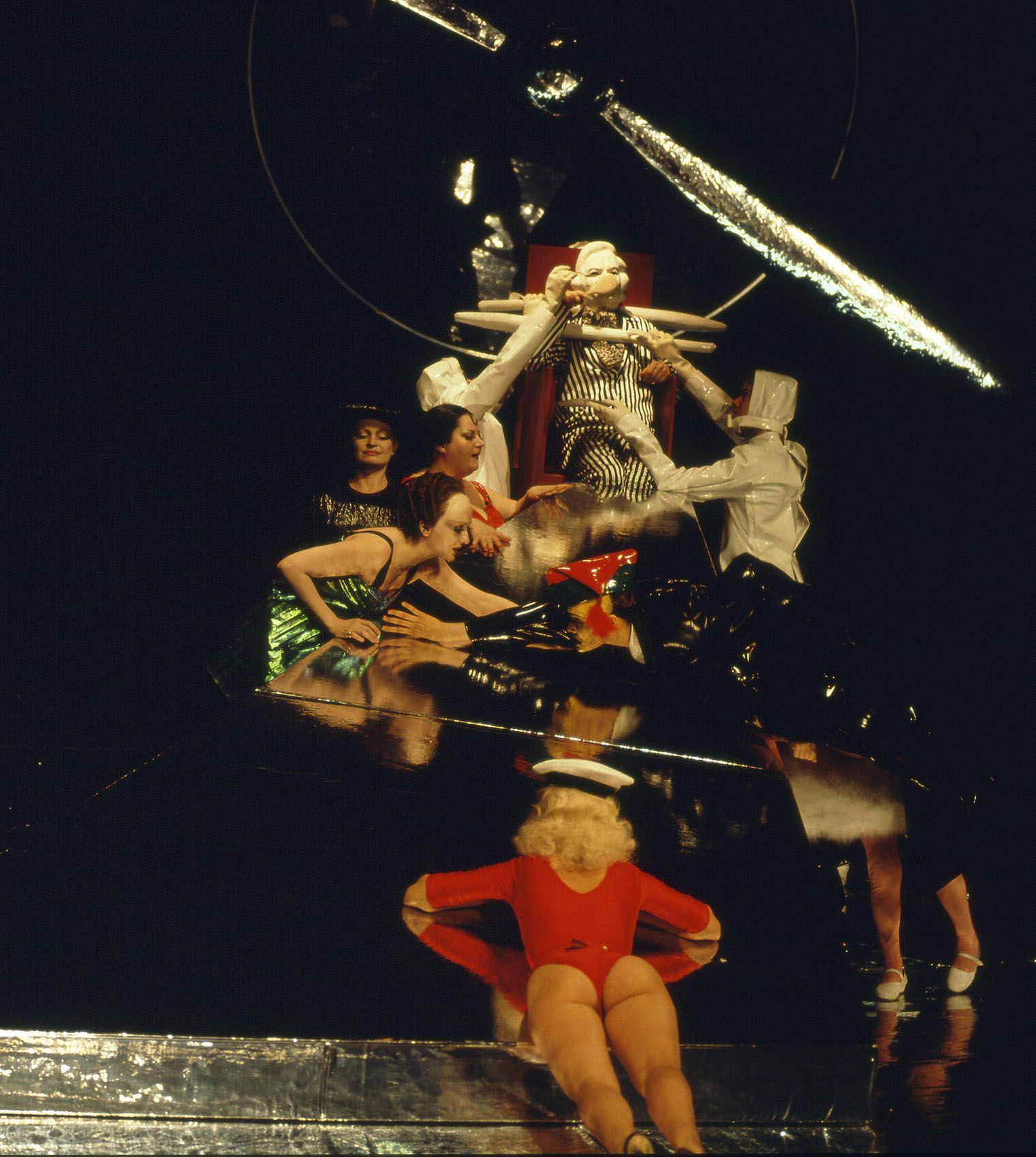
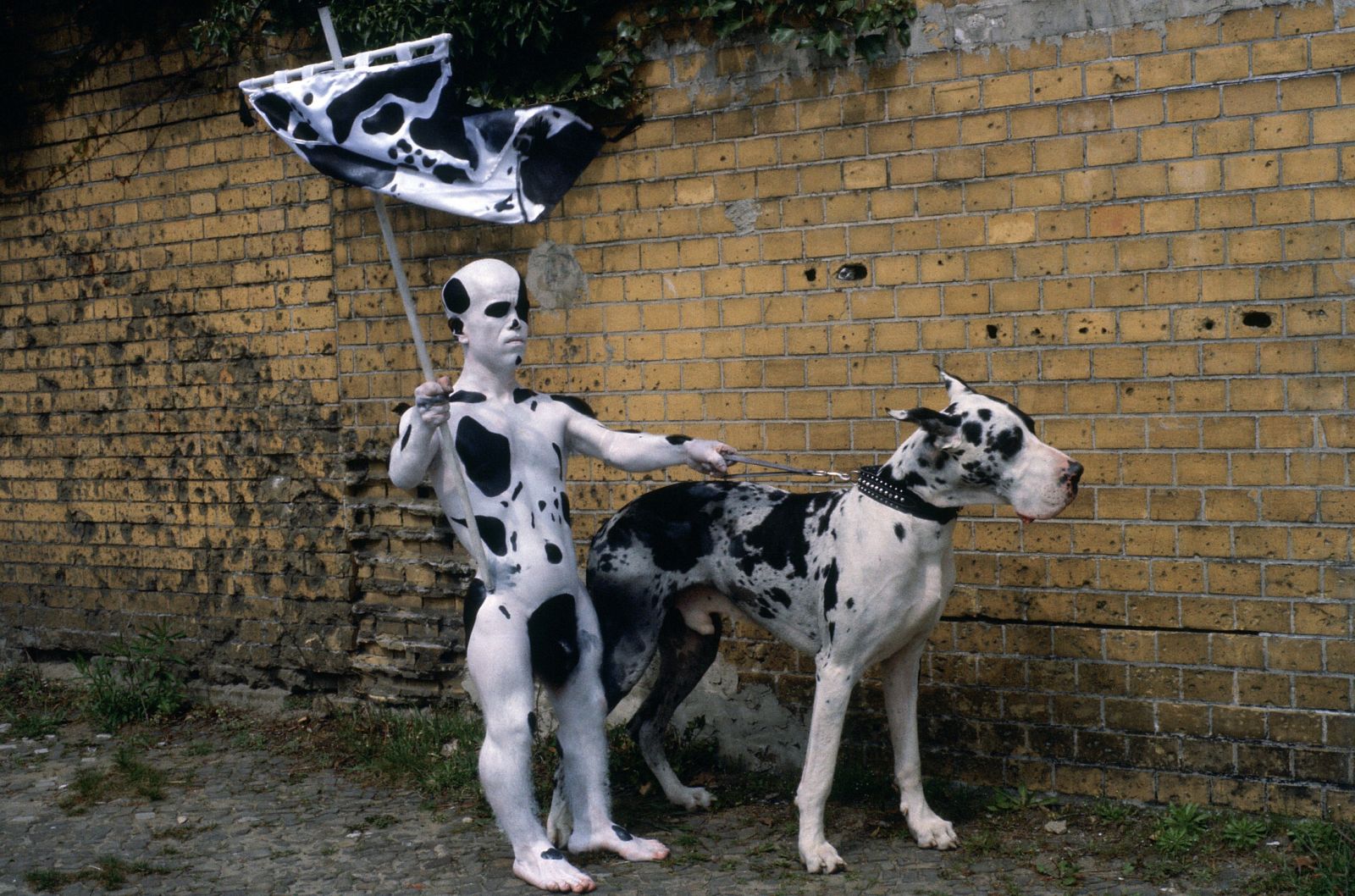
Ulrike Ottinger: In general, I’m not interested in the vampire genre as such. I’m also not so interested in the history of the Blood Countess [Erzsébet Báthori]. I’m more interested in the fantasies around the figure of the cruel woman that wields power over others. The Blood Countess is close to other mighty figures in my earlier films like Madame X played by Tabea Blumenschein or Dr. Mabuse played by Delphine Seyrig.
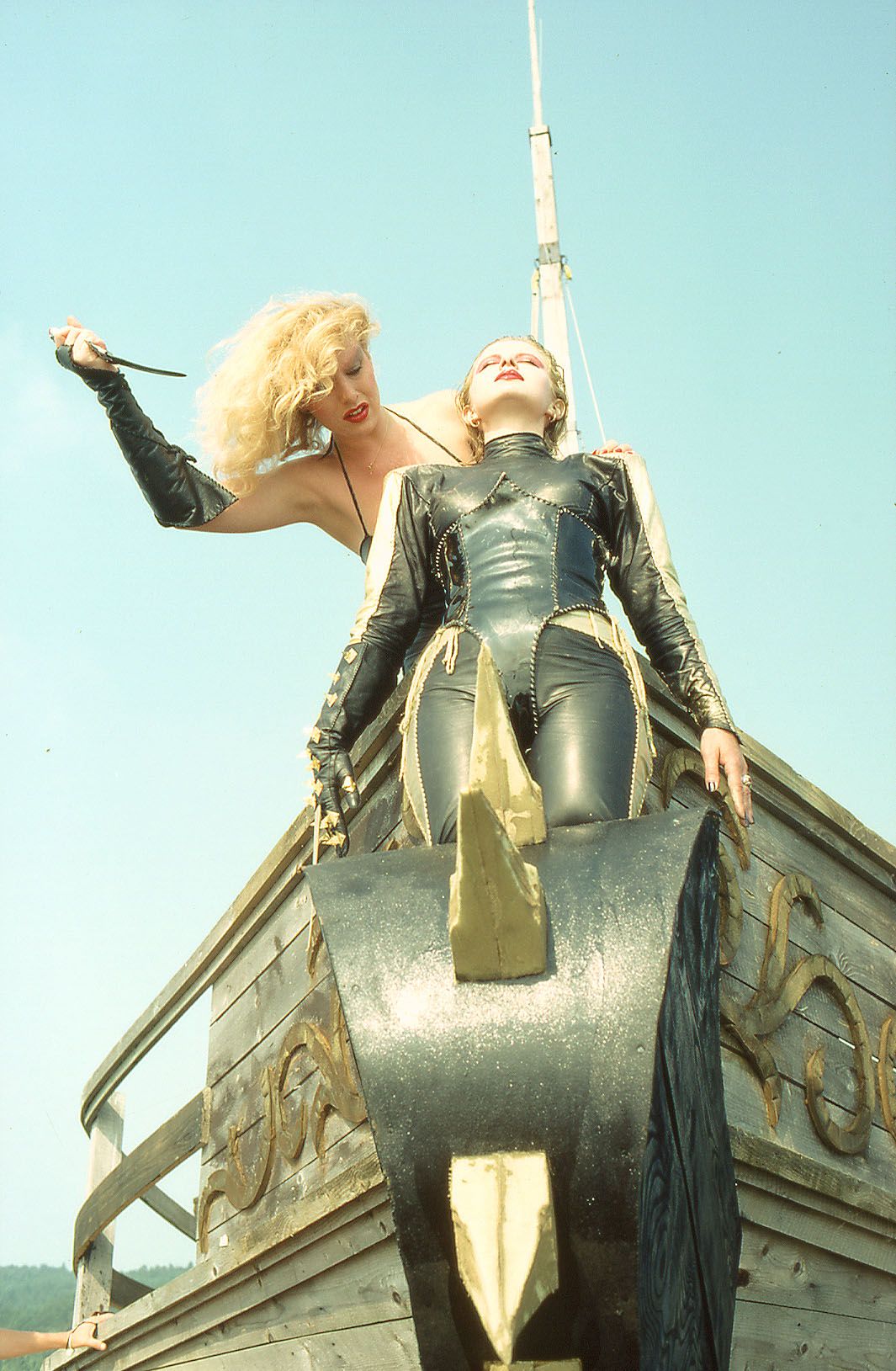
In the past, I also often used the genre film like the pirate genre in Madame X: An Absolute Ruler (1977). I like to play with genre, but even if you are playing with it, you have to take it seriously in the first place. There are norms you have to fulfill, and expectations that come with a genre which you can subvert. In The Blood Countess for example time played an important role, because the past, present, and future are not important for vampires, so I could challenge their “eternal powers” through the figure of Bubi.
PP: The film is set in Vienna, which plays an important art historical and architectural role in the film. There are, for instance, scenes where one of the victims is turned into a statue and where we witness a tour and discussion around public sculptures in the city center. What drew you to Vienna as a setting?
UO: The film started with particular locations in Vienna. I like to walk through cities and to discover places. When I discover them, I become interested in their history. Then I read a lot of books to get information about them. When you get the history of these places or structures, you already have half of the screenplay, because some locations are simply that fascinating, grotesque, bizarre, or just beautiful. Their histories also play into the figure of the vampire, who comes from the past and lives forever.
This is part of the genre’s fascination nowadays. People try to reach eternal life through techniques of preserving their bodies. They think that they don’t depend on human nature. This hubris is unbelievable [Laughs]. All of these ideas—of history, of places, of the newest ideologies—intertwine in my films. My films are never simple constructions or follow straight forward dramaturgies. They say a lot of things at the same time.
PP: The credits mention that you wrote the film’s dialogues “in participation” with Elfriede Jelinek. What was the process of working with Elfriede?
UO: I wrote the whole screenplay and dialogues. Then, because Elfriede is a good friend of mine and I had done three mise-en-scènes for her plays, I called her and said, “I would like it if you’d look a little through the dialogues. I think that you could add some typical Viennese expressions to my dialogues giving them a witty spark.” So one day, we looked through the screenplay, and she said, “I will send you some of my wordplays. You can use them or not.” So, sometimes I used her words or sentences and combined them with my text. It became an amalgam and made some of the dialogues stronger and more interesting.
PP: You had Isabelle in mind from the moment you first conceived the story. I was struck by the irony between her role as this more passive female protagonist and the world that surrounds her, which is absurd and often misunderstands her. What was your working relationship like?
UO: We talked a lot together about her role. Normally, she plays these psychologically worked roles, and in this film, the role is iconic. In the beginning, she said, “If I don’t have real emotion toward others, how can I play this?” I said, “You have an iconic role. You are not interested at all in the others. You are interested in your thing. You are a dictator; you are manipulating everybody around you. You chant, direct, and go your own way.” In the beginning, I think it was difficult for her. She wanted to have more words, and I said, “No, a vampire doesn’t need many words.”
In general, I think it [the film] was interesting for the actors because they could do something different than what they’d normally do in films. Also, as a director, I wouldn’t have been able to do it in this precise way if I didn’t have great actors. The Blood Countess’s maid, for instance, is phenomenal. She is an absolute contrast to her. She plays a bit grotesquely and even a bit in the style of the old German expressionist films. The young family rebel is also wonderful. He has this simple wish to become a normal human being, and tries so hard to get it. So, there’s actually a bit of a psychological element in his character. He has this round phase and is so kind, with all these vampires around him. [Laughs]
PP: The imagery in your films is often sumptuous. In this film, there is even an erotic quality to many of the scenes where she kills her victims. It’s an eroticism that borders on lesbian homoeroticism. What drew you to this?
UO: I think it makes things even more interesting, especially within this genre. It adds something to her figure.
PP: Did you come across any scholarship throughout your research that portrayed the Countess as a potentially queer figure?
UO: When I did this research on the historical figure, I found mostly fantasies about the Blood Countess. We don’t even definitively know if the accusations against Erzsébet Báthori are real or just a form of political intrigue against her. But what interests me especially are exactly these fantasies: if you have a name like “The Blood Countess,” people immediately have a lot of associations. Each of the interviewers told me what they knew about her, and each one told me a different story. [Laughs]
PP: [Laughs] And they’re all equally true!
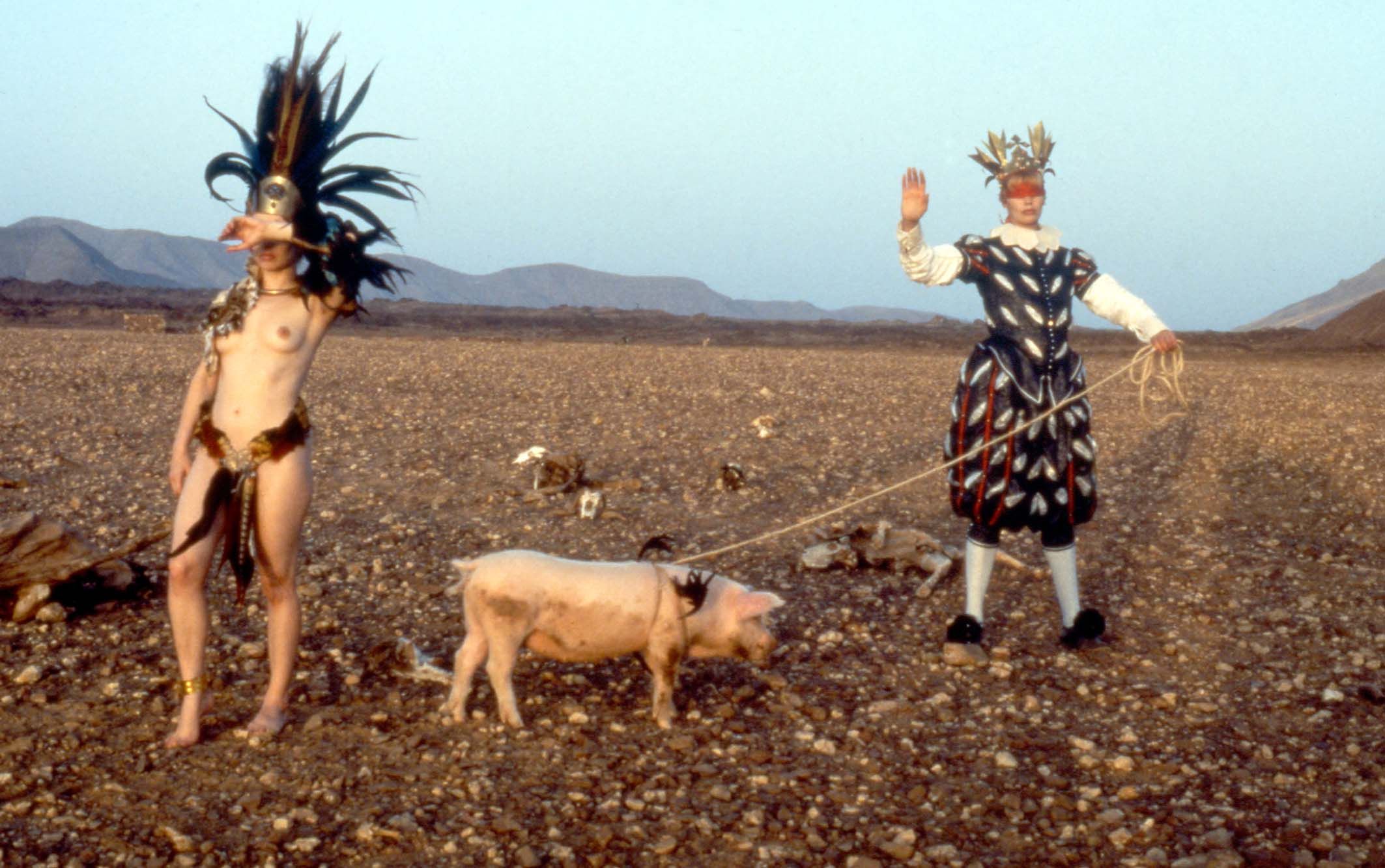
UO: Of course, since all fantasies are based on some kind of reality, and they very much form our reality. I therefore worked with names like Dr. Mabuse and Dorian Gray in Dorian Gray in the Mirror of the Yellow Press (1984). In Freak Orlando (1981), I worked with Orlando, who is not a vampire but who in Virginia Woolf’s novel also lives throughout centuries, as a man and as a women. These kinds of “fantasmatic chain reactions" are what I try to evoke in my feature films, and also in The Blood Countess.
Isabelle Huppert
Phillip Pyle: Isabelle, you’re used to playing morally ambivalent characters. When you're embodying a character like the Blood Countess, who is more iconic than psychological, is it difficult for you to maintain a sense of nuance?
Isabelle Huppert: It’s just different. I wouldn't say it's more difficult, but each movie has its tone, its music, its way of relating to the audience. And this one certainly has a very specific way of relating to the audience. So, it’s not more difficult, you just have to understand the tone of the film, follow it, and not go against it.
Imagine if I come on the set, and I said, “This character to be more psychological. I have to understand why I do this and why I do that.” You just have to let yourself be drawn, or taken by all the situations.
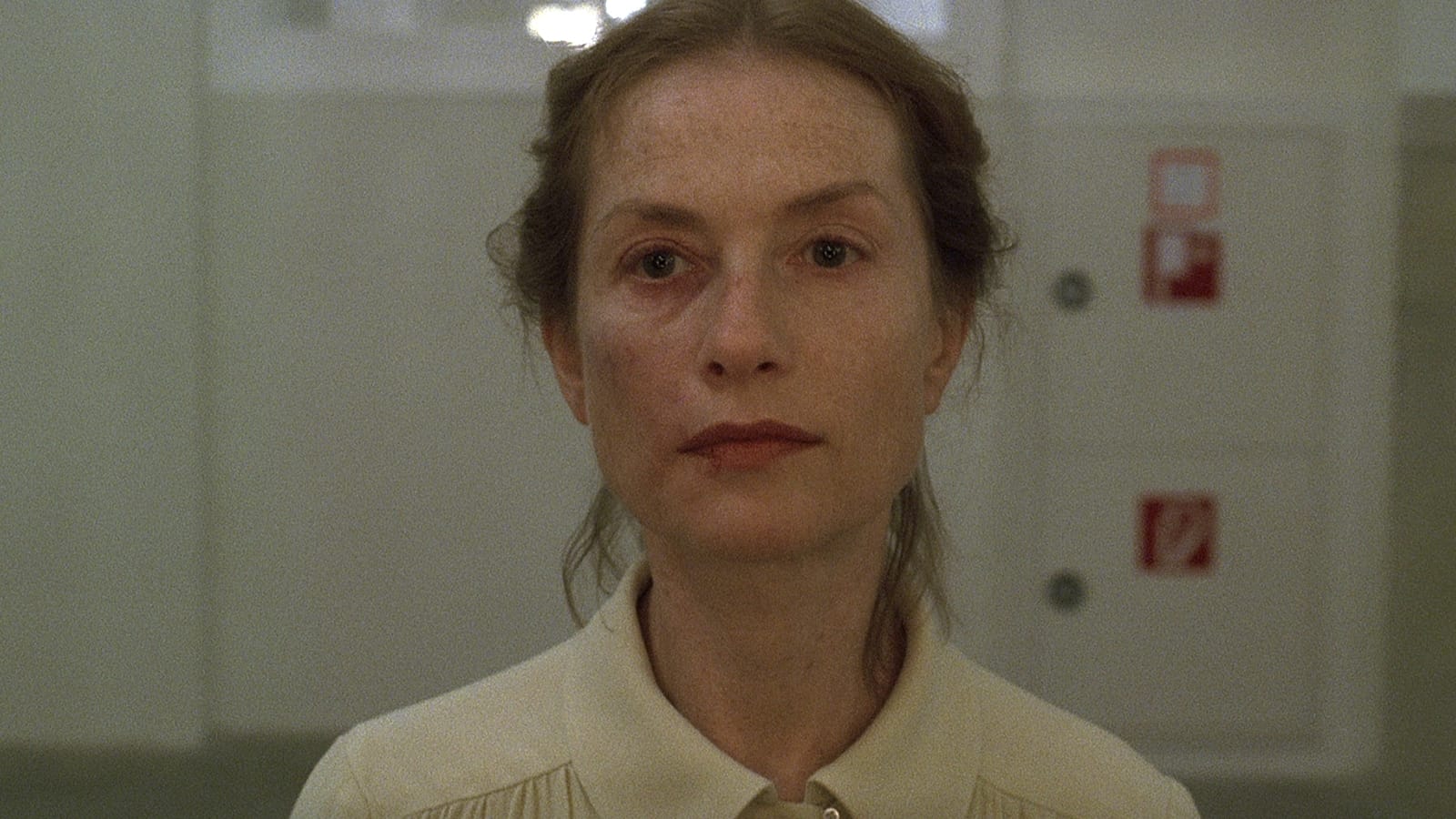
PP: Ulrike had you in mind to play this role from the beginning. When you first read the script, did you feel some kind of familiarity with the character? Did you see yourself being written into it?
IH: Not really, no, because the character is not very defined in the writing. She goes from one situation to the other. Sometimes she’s more serious, sometimes she’s more composed. There were also many ways to approach the character according to each scene, so I never really had a defined idea of how I was going to be. But I had no doubt that I was going to find that out once I was on the set.
If you try to define something too precisely before, I think you’ve failed. You just have to be open to all the situations on set.
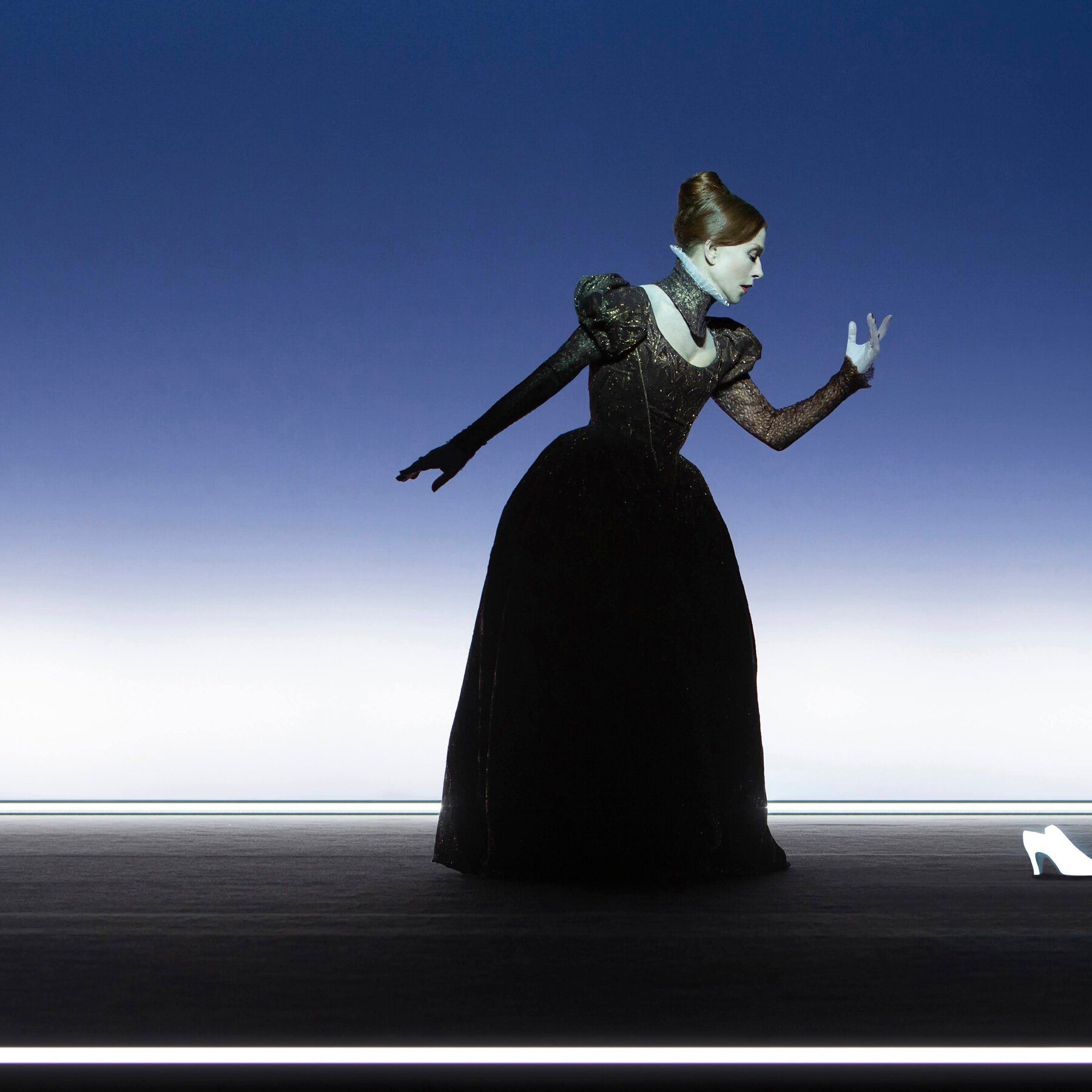
PP: When you’re playing the role of historical figures such as Mary Queen of Scots (Mary Said What She Said) or this one [Erzsébet Báthory], or even fictional characters from a historic works of literature, such as Madame Bovary, do you find that there are particular continuities in how you approach historical subject matter?
IH: It depends. You know, Mary Queen of Scots is very special. I don’t think we ever spoke about Mary Stuart with Robert Wilson, yet Mary Stuart is entirely there. That was Bob’s genius; to not have a psychological, nor a straightforward approach to whatever he was doing. It was more through shapes. He was a very abstract director. That doesn’t mean that it does not come with very concrete and emotional feelings, but the way it gets there is very abstract and formal. And Each story is different.
Madame Bovary is a very interesting character, because she is more like a concept. I don’t know if exists in German, but we say bovarysme, which means to be bored and to be a certain type of woman. In fact, when you read the book, she’s never really defined by [Gustave] Flaubert. You can’t really say whether she had dark hair or bright hair, so she’s subject to a very broad imagination. Each film has its own way of being approached.
Credits
- Text: PHILLIP PYLE