No More Ghosts, Please: On Taste and NTS Radio as an Antidote to AI Slop
|Shane Anderson
NTS Radio is a global project with six million monthly listeners, broadcasting 600 radio shows from sixty cities across the globe. In some ways, NTS is of its time, integrating features from other streaming platforms and social media. And yet, NTS also harks back to a time when we trusted those dedicated to their passions before culture flattened. What follows is an argument for why NTS and taste matter in this age of AI slop.
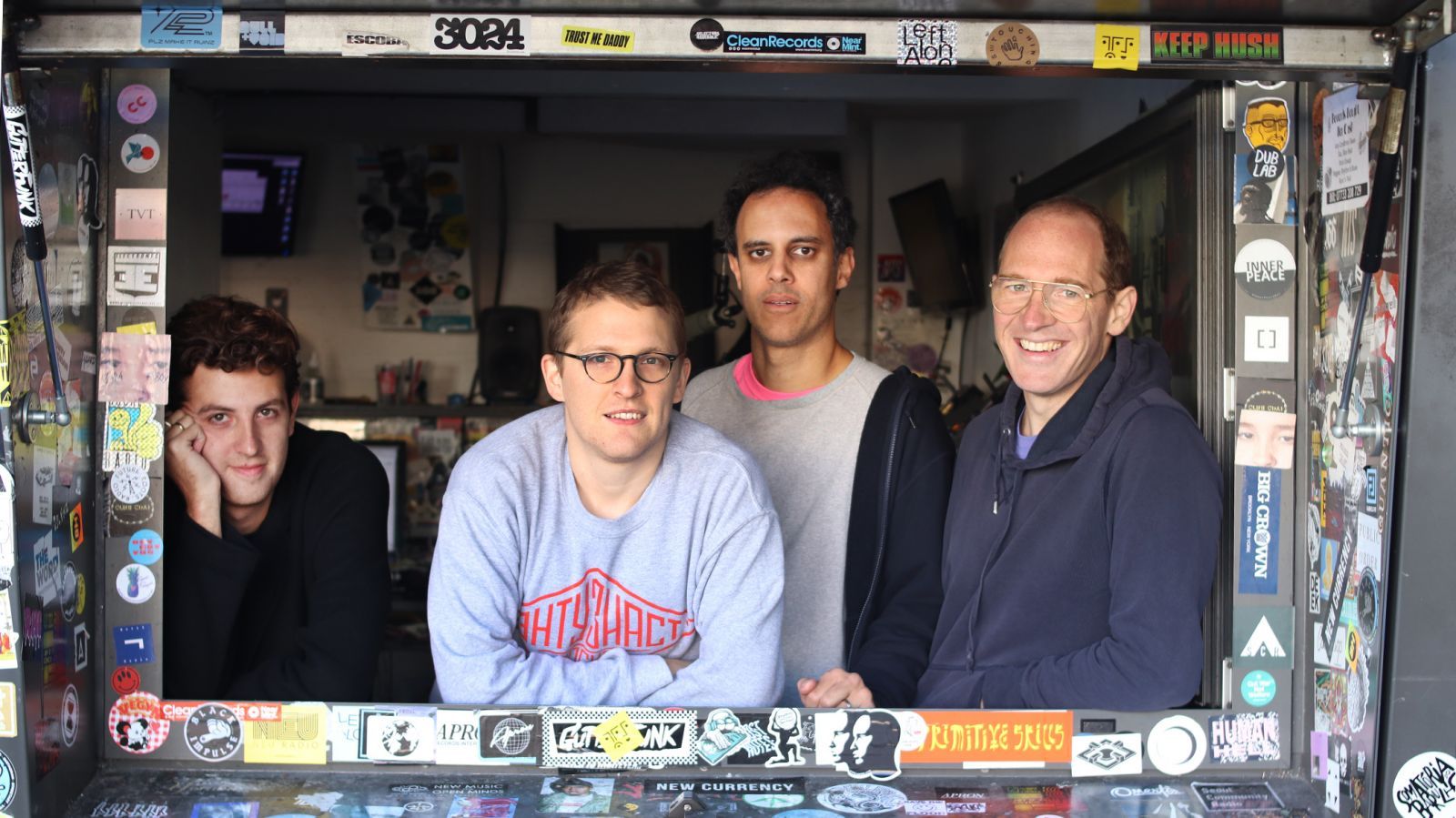
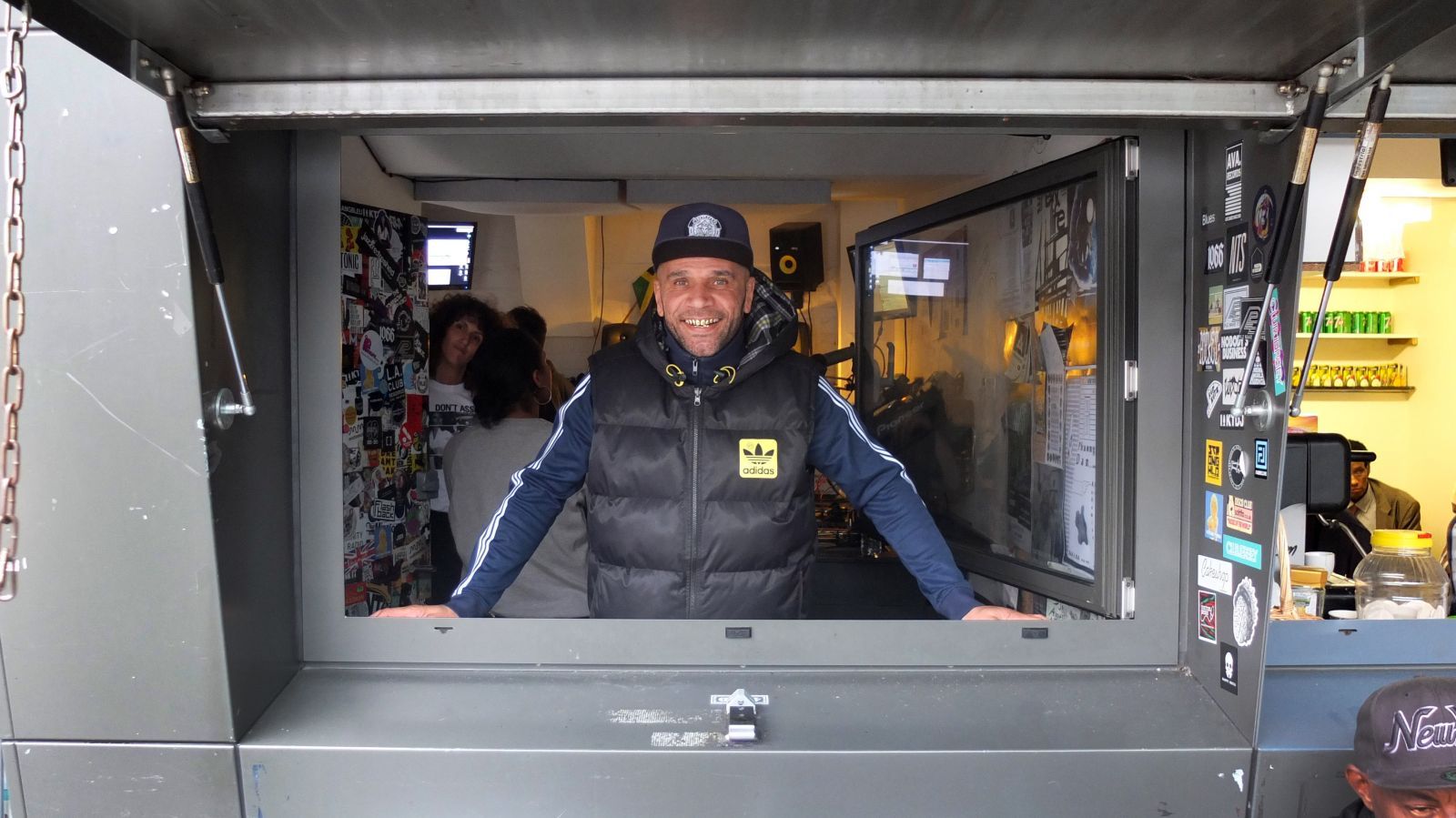
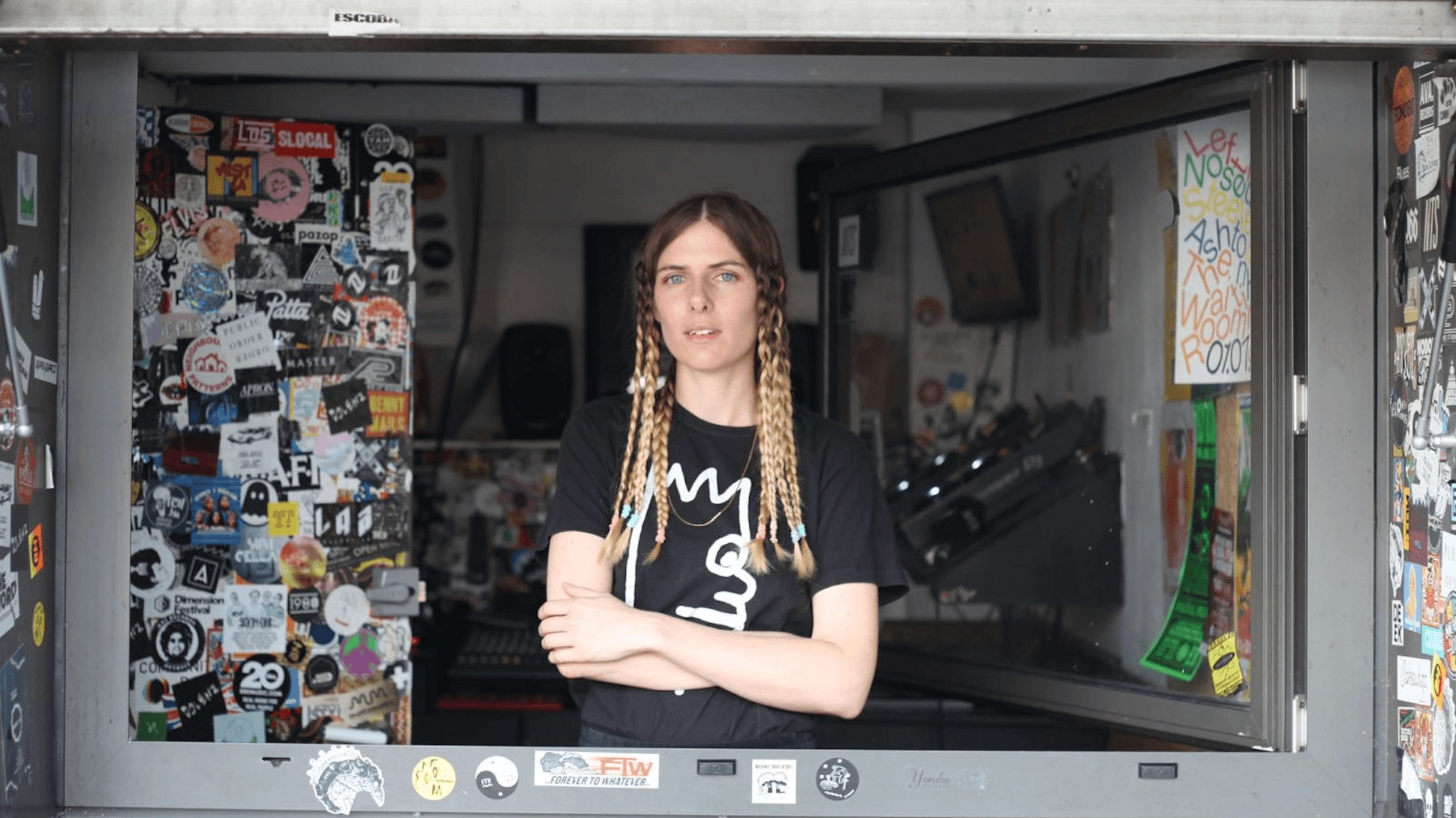
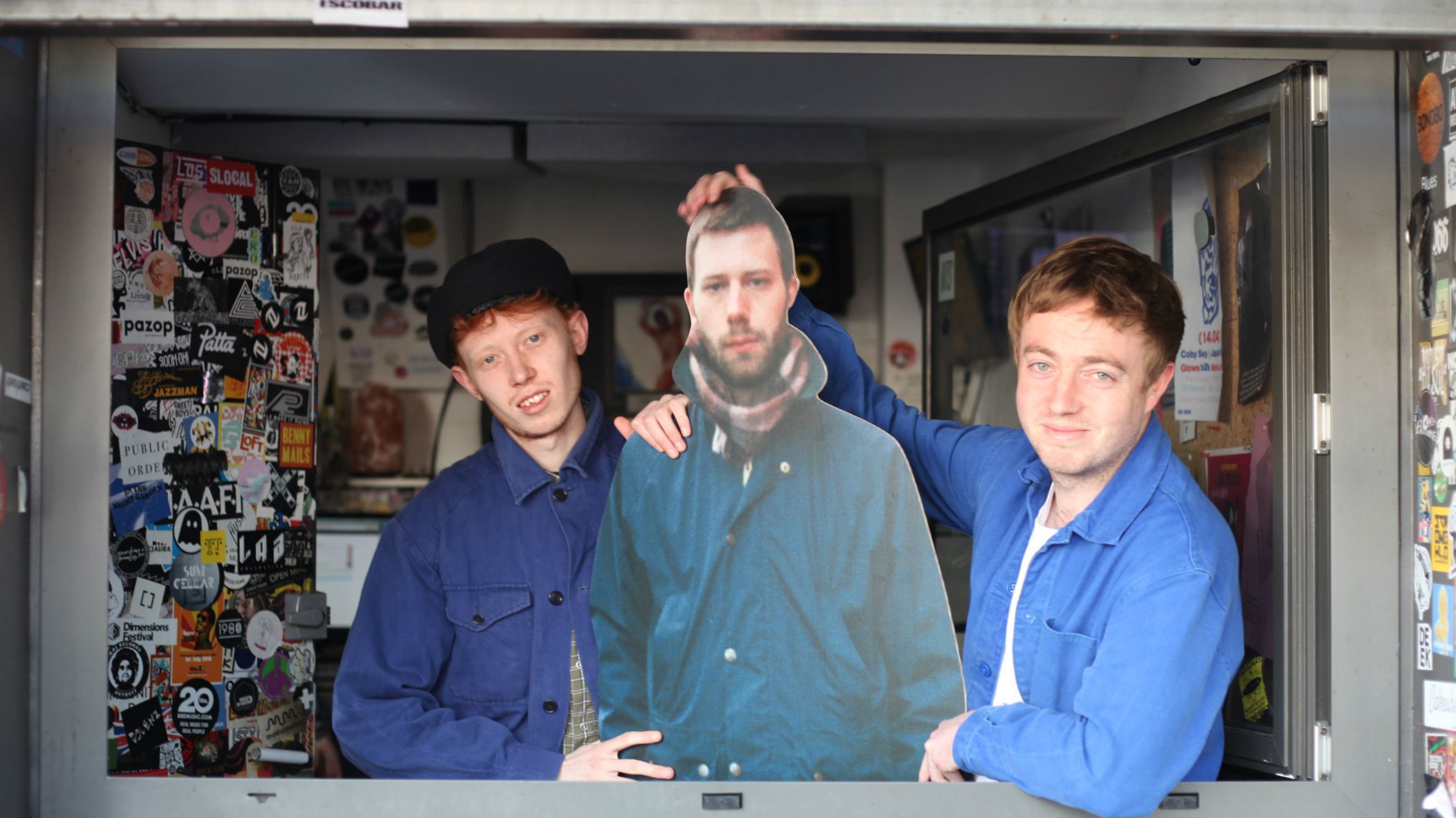
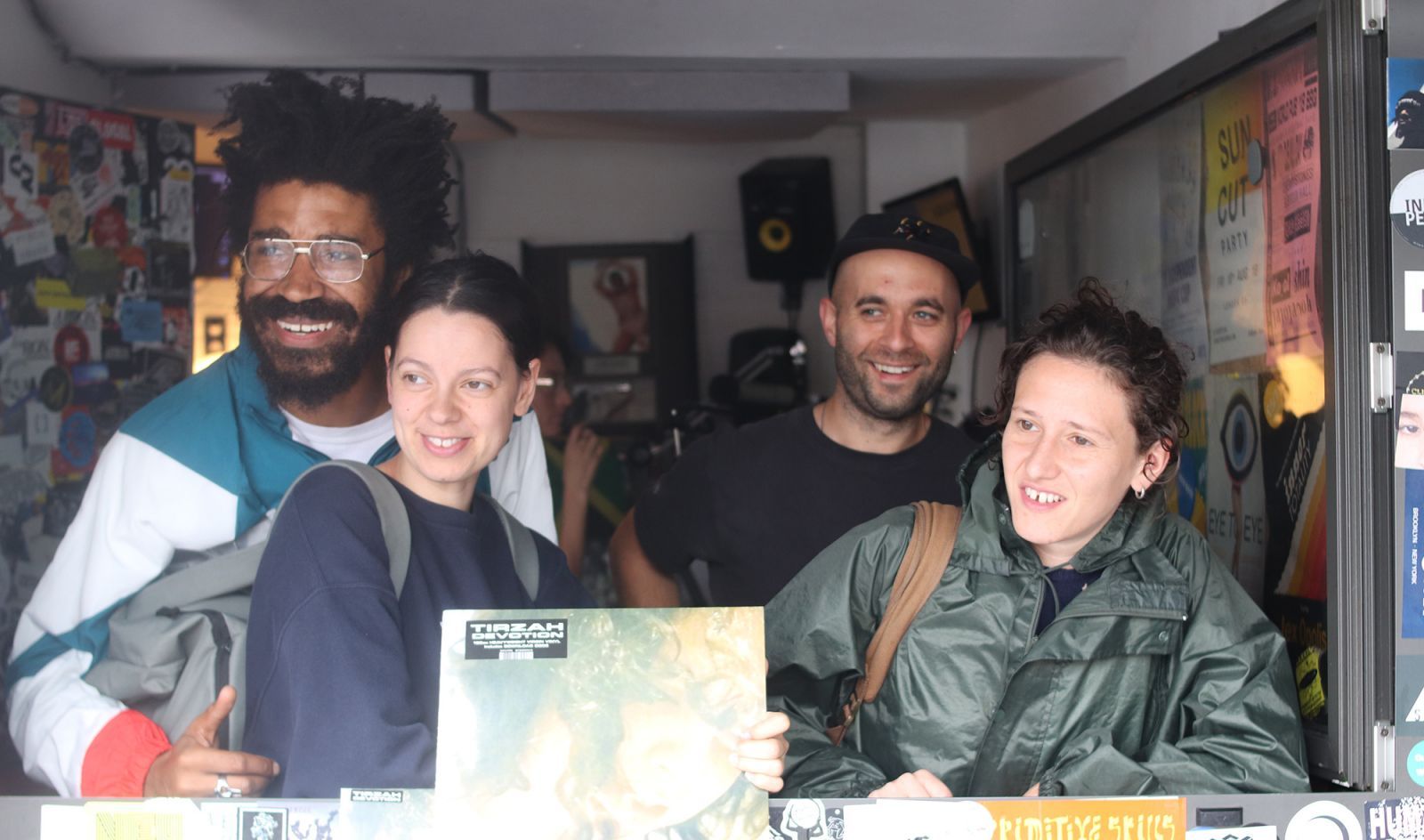
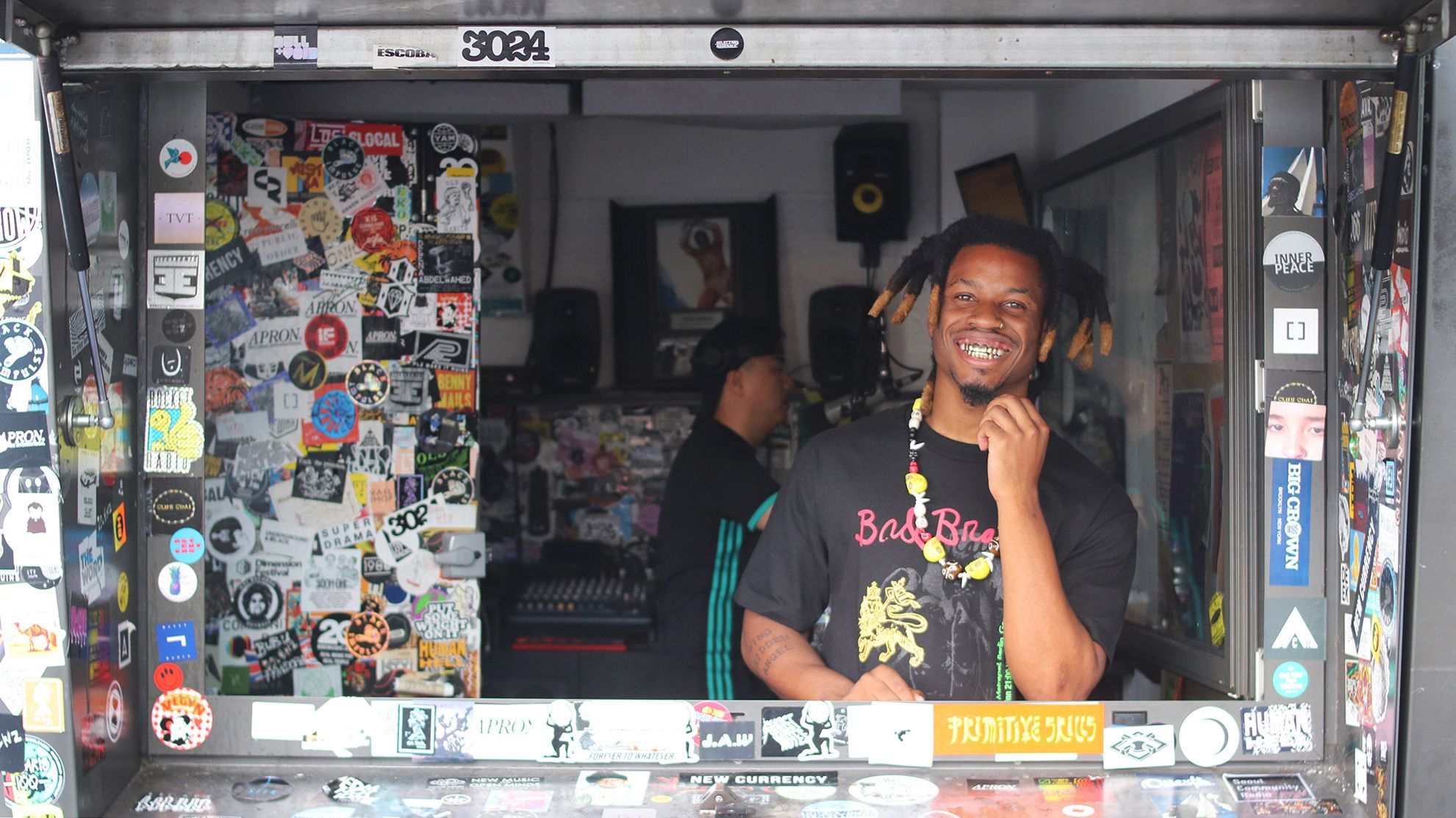
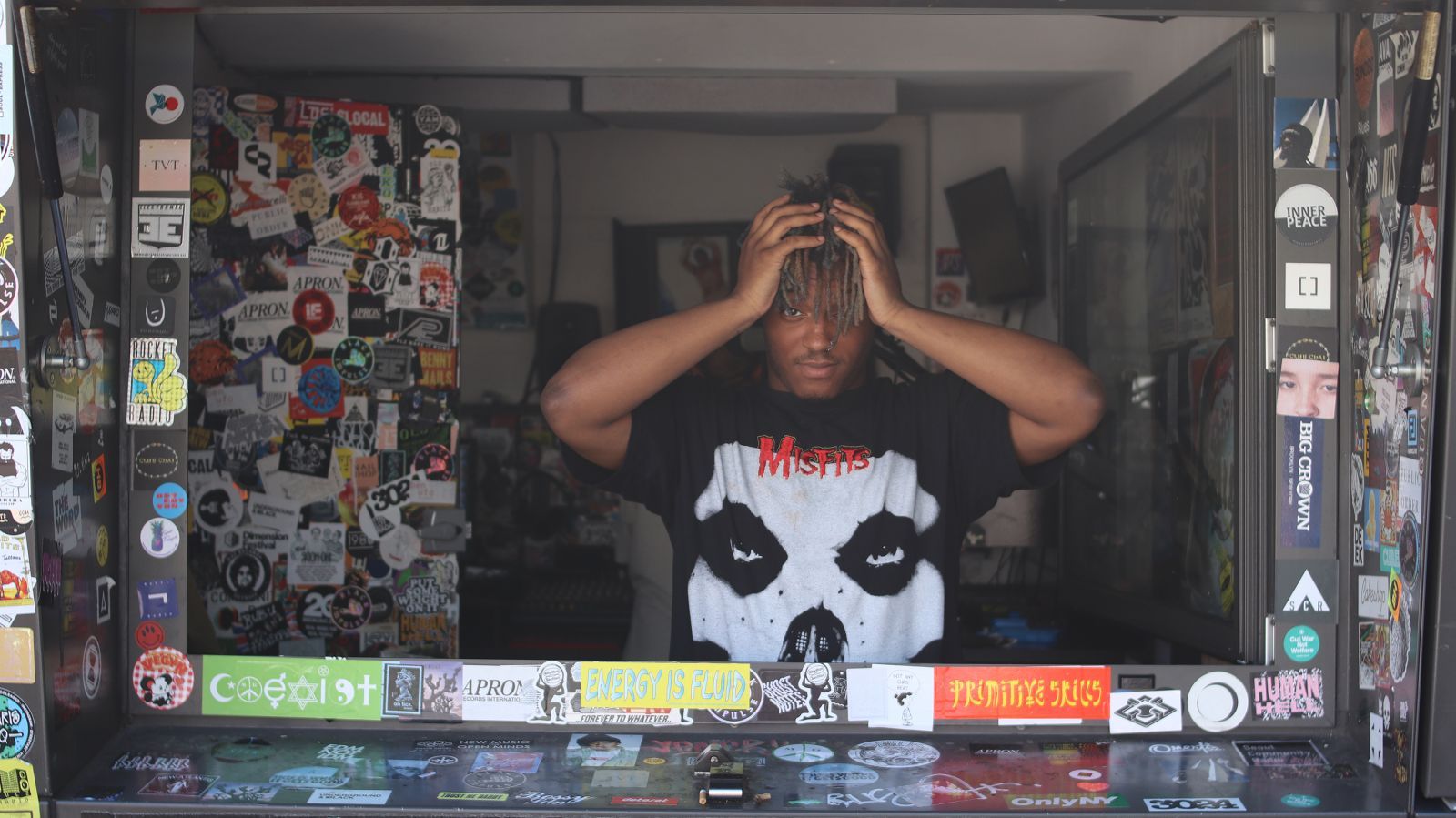
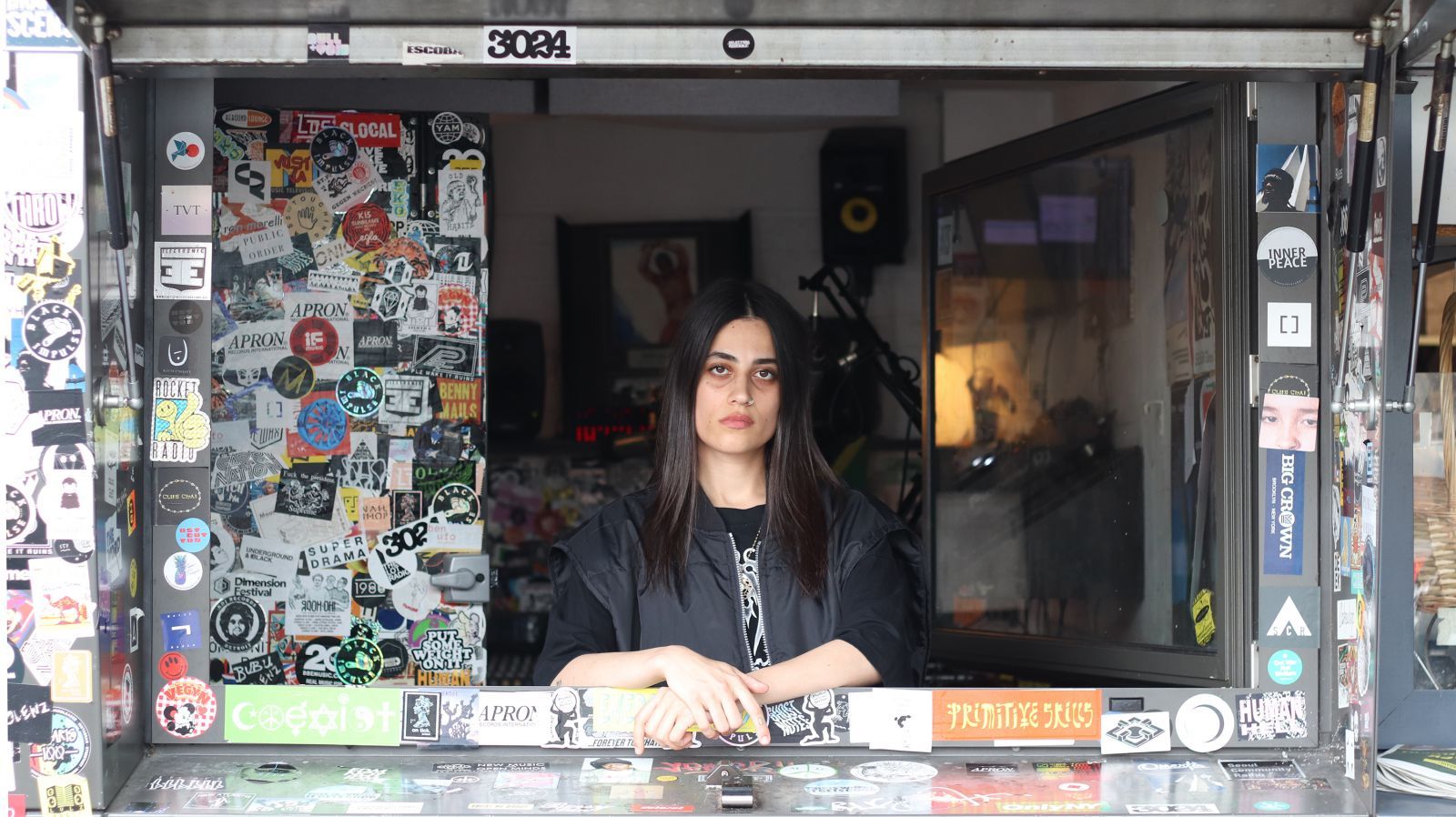
NTS Radio Hut Pics: Floating Points, Four Tet, Jamie XX, Caribou; Goldie; Lauren Halo; Mount Kimbie, King Krule; Tirzah, Mica, Levi, and others; Denzel Curry; Juice Wrld; Coucou Chanel
Not Today, Satan
What It’s Like to Use NTS
It was the morning of the Rapture and I was driving down the Autobahn with the Early Bird Show on NTS Radio. Bitter Babe was the guest DJ and she was playing Hildur Guðnadóttir’s “Elevation,” a long, ominous cello piece whose droning glissandi practically announced the end of the world. And yet, the brightness of the sun on the highway felt nothing like the Armageddon and neither did the trees reddening on that crisp autumn morning. When the song ended, Bitter Babe’s sleepy voice came on the air: “For this specific show, I took inspiration from the book Man and His Symbols by Carl Jung.” She invited listeners to share their dreams in the chat, and, as I took my exit, my mind flashed to AM talk radio, where callers rave about Jesus and salvation.
I parked at the pool behind the city of Wuppertal’s trash incinerator. While I crawled through the water for my daily swim, my mind drifted back to the invitation. What does one dream about when everything’s about to be over?
Back in the car after finishing my meters, I tuned back in and Bitter Babe was playing Asa-Chang & Junray’s “Hana,” a stunning, fractured track I saved on the NTS app. Then I opened the NTS Discord, where Bobby D, eleen, jambéi, Moanerette, Neko, and Teaspoons Galore were casually chatting about Nikola Tesla, nightmares, and book recommendations for lucid dreaming. Bitter Babe joined in and wrote: “The only thing I can say about my dream last night is that I don’t recommend falling asleep after listening to a podcast about cannibalism.” I laughed. Also because RaptureTok was obviously a hoax.
This wasn’t the apocalypse. It was just another day of revelations on NTS.
Nuts To Soup
A Case Study in Taste Making
Driving home, I had the sudden thought that twenty years ago it would have sounded insane to be almost solely devoted to a “platform” with two live stations and an archive of past shows. In the age of Napster and LimeWire, the idea of having the world’s music gathered in a single digital space was a kind of mythical El Dorado, a promised land of endless discovery. That dream of the internet in the aughts came true—streaming platforms really do deliver almost everything under the sun—but in doing so, they’ve also made choice feel like a burden: hard to navigate and difficult to remember. Whereas listening to NTS feels human and pleasurable, Spotify occasionally feels like shopping in a massive supermarket in a foreign country: I can’t decide between twelve versions of ketchup and twenty types of mustard and am then forced to do the same with every other product on my list. The promise of more choice only brings paralysis. Even the word “streaming” suggests drifting down a river without purpose or agency.
In contrast, when I think back to my morning with Bitter Babe on NTS Radio, I’m struck by the musical challenges she posed and my delight in following her on her journey. It felt like I was being let into a world I might never have entered on my own. I wasn’t guiding it but I was asked to be a part of it. And somehow, that feeling has become addictive. I’ve found myself obsessing over NTS shows like Dimension Door, which plays dungeon synth—a spinoff of black metal and electronic music I had never heard of before. Its host William Dickson told me that the show is meant to accompany Dungeons & Dragons sessions, and even if I’m no Dungeon Master, I roll a D20 in my mind the whole time I listen.
This fervor is probably not unique to me, even if others feel more impassioned by other frequencies. Today, NTS is a global project with six million monthly listeners that broadcasts 600 shows round-the-clock from studios in London, Manchester, and Los Angeles—as well as from sixty cities across the globe. There, you can hear microgenres of ambient, techno, dub, metal, rock, and you name it, all selected by DJs or curated by the NTS team. Their NTS Guide To and In Focus explore anything from Cowpunk and Breakcore to the back catalogues of Death Grips, SOPHIE, and Burial.
These kinds of shows were not born in a vacuum. In America, college radio stations emerged to knit communities together and speak to the nation’s cultural pluralism, as Katherine Rye Jewell puts it in Live from the Underground: A History of College Radio (2023). In Britain, pirate stations like Radio Caroline and the Dread Broadcasting Corporation operated illegally to serve subcultures ignored by mainstream broadcasters. And by playing The Beatles and the Rolling Stones from international waters, Radio Caroline would end up changing culture—as would the Dread Broadcasting Corporation, which initially played reggae, soul, and funk. As journalist Lloyd Bradley has it, “no DBC—no dancehall-based black pirates; no dancehall-based black pirates—no unfettered development and distribution of jungle, grime and dubstep; no jungle, grime and dubstep—no Radio 1Xtra; no Radio 1Xtra—no self-defining [B]lack music as an accessible part of mainstream UK culture.”
“It’s easier to market and run ads when you narrow your broadcast. But that means you can’t put someone crazy in the studio and just say, ‘Do whatever you want.’” – Femi Adeyemi
To me, NTS feels like the bastard child of college radio and pirate radio. It is free-form and educational like the American model while carving out a cultural sphere outside of mainstream culture like the British model. And yet, NTS is more curated than either while remaining free-form. NTS’ founder Femi Adeyemi told me that when they started in 2011, “we programmed everything. Everything. It was pretty unlistenable at some points, but it had a unique aesthetic. Nothing truly existed like it.” NTS resonates with people because the hosts share their passion for music as opposed to typical radio programming: “There’s a reason why most stations have generic playlists or play the same type of music,” Adeyemi said. “It’s easier to market and run ads when you narrow your broadcast. But that means you can’t put someone crazy in the studio and just say, ‘Do whatever you want.’ You’ll lose advertisers or break some rule or get fined by a regulating body.”
But that risk is the point. NTS does not dictate what the DJs play. Hosts are free to stream anything from dungeon synth to Turkish music from the 70s. They can highlight their communities or their own tracks or even stream from a boat off the Santa Catalina island and talk freely about the wind and weather. They can share who they are and what they care about. “This is much bigger than radio,” Adeyemi asserted. “Our mission is to be good for music.”
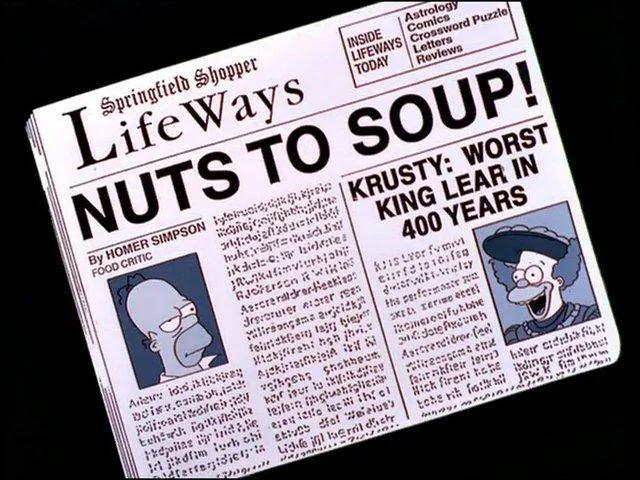
Adeyemi ran a blog called Nuts to Soup from 2008 to 2010. The name comes from a Simpsons episode, where Homer confuses the saying “soup to nuts,” meaning beginning to end.
Never the Same
An Argument for Humans
A few weeks before the Rapture hoax, I was stuck on a long-distance flight and I wanted some music to fill some of the many hours ahead. Without internet, I couldn’t turn to NTS, and I woefully discovered that I must’ve been on an aught-years bender the last time I re-organized my Spotify downloads folder. The only things saved were noisy or jarring albums by Animal Collective, Boris, Gang Gang Dance, and Liars; all a little too heavy for sleep. I did, however, have Radiohead’s Kid A Mnesia, undoubtedly a classic, even if experimental-lite. I clicked on the album and while its familiar sounds swelled in my headphones, I scrolled down and accidentally landed on the “You Might Also Like” section. Despite not being able to click on them, even the recommended band names were insulting. No, I do not like Fleetwood Mac or Mazzy Star. And I will not listen to Coldplay or Jimmy Eat World after “Idioteque” either.
Once I arrived in my hotel room in Osaka, the jetlag kept me on European time. Out of boredom, I looked at the aforementioned playlists that were “Made for Shane Anderson” in the middle of the night. Some weren’t entirely terrible, but most were filled with the more predictable and “listenable” hits of bands I didn’t even like when they were released.
I was somewhat surprised. Spotify’s algorithm is meant to analyze your listening habits—what you skip, save, and repeat—and then compare those patterns with other users with similar tastes. To improve its recommendations, Spotify acquired the AI startup Niland in 2017 and it now uses LLMs to “craft contextualized recommendations through personalized narratives,” according to a 2024 post on its Research blog. The Swedish tech company would have you believe this is beneficial, but in practice this turn to AI instead silos you within a conventional listening space of what you’re supposed to like. When playlists are guided by engagement metrics and predictive modeling, experimentation has a low ROI. After all, a dissonant piece might terminate the listening session and perhaps the habit.
In my experience, what’s even worse is Spotify’s AI DJ, which launched in 2023. It promises a mix tailored to your listening profile: songs you know and love plus newer tracks to discover. I don’t know about yours, but mine mostly serves slop from artists I’ve never heard of. That night in Osaka, for instance, I noticed that almost all of the artists in the queue had fewer than 20,000 monthly listeners, including the ungoogleable Abondance (my first hit was always the Bible in French). Spotify lists Abondance’s offensively inoffensive trip-hop album Merci Dieu (2023), but no matter how often I altered my search terms, I only came up empty beyond another band of the same name, whose Instagram bio claims they’re published by Boom Records, a “data-driven distribution label built to empower artists by using market-proven strategies and technology.” Maybe Abondance is real. Or maybe it’s stock music with a generated cover. Either way, the feeling was uncanny. It felt like a ghost in the shell.
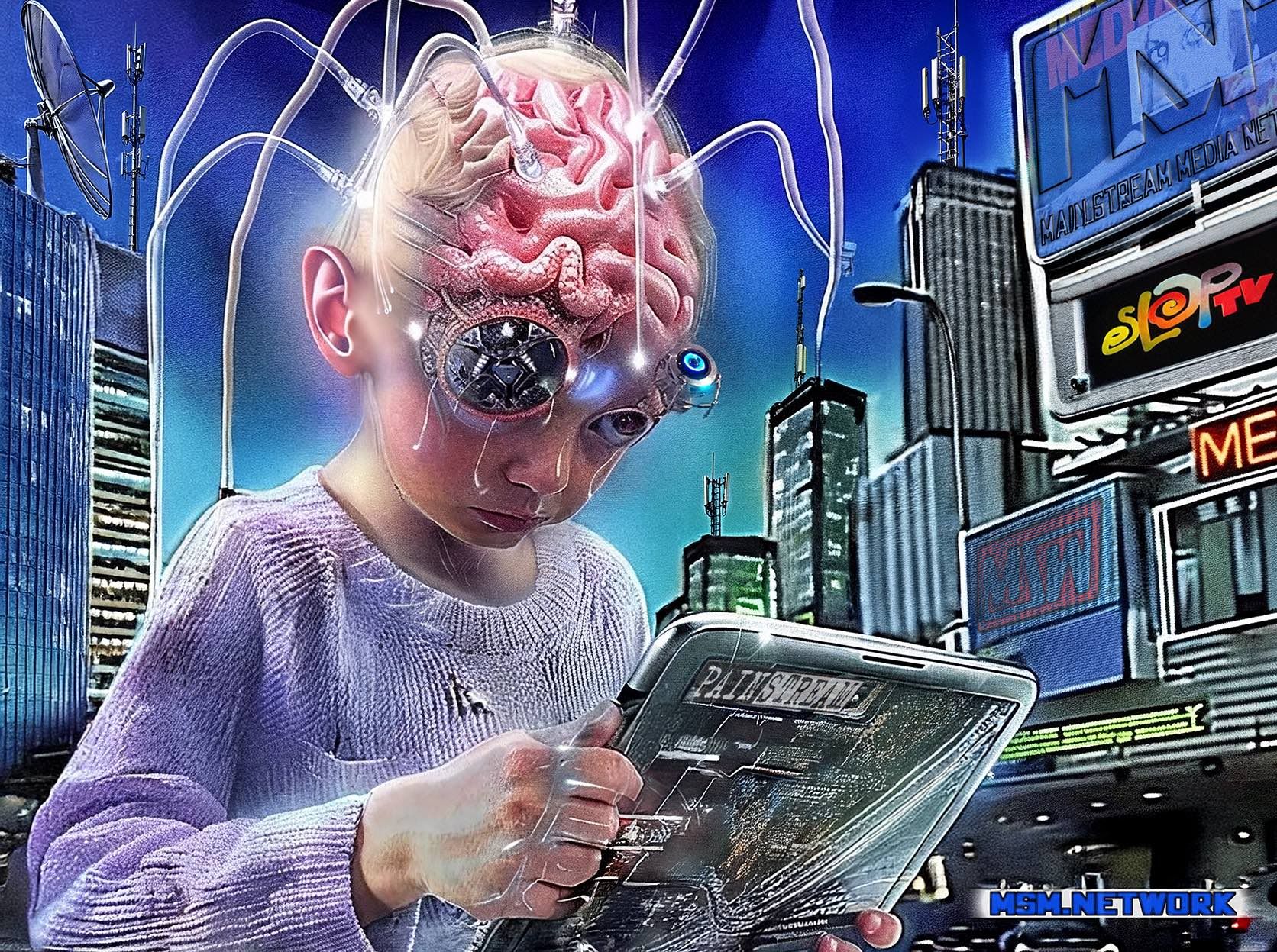
Jon Rafman, Main Stream Media Network, 2025, Video Still, Courtesy the artist and Sprüth Magers
The fact that I could find nothing about the group aligns with what Liz Pelly, author of Mood Machine: The Rise of Spotify and the Costs of the Perfect Playlist (2025), described in a Harper’s article about Spotify. She notes that the platform “was filling its most popular playlists with stock music attributed to pseudonymous musicians—variously called ghost or fake artists—presumably in an effort to reduce its royalty payouts.” Pelly cites David Turner, who used data analysis “to illustrate how Spotify’s ‘Ambient Chill’ playlist had largely been wiped of well-known artists like Brian Eno, Bibio, and Jon Hopkins, whose music was replaced by tracks from Epidemic Sound, a Swedish company that offers a subscription-based library of production music.” Abondance abounds.
That Spotify would quietly swap out some of the world’s most famous artists to reduce royalty payments would be funny if it weren’t so bleak. Musicians receive somewhere between 0.0003 to 0.0005 USD on average per listen, which means that if your song happens to achieve a million streams, you’re now 3,000 to 5,000 USD richer. Nevertheless, in August 2025, NPR chronicled how songs of the AI-band The Velvet Sundown “ended up on Spotify users’ Discover Weekly feeds, as well as on third-party playlists boasting hundreds of thousands of followers. Within a few weeks, the band’s music had garnered millions of streams.”
“Questions of authorship, identity, and the future of music in the age of AI aren’t a parlor game; they’re about how much room is left for human intention, compensation, and care.”
Apparently, some real people take credit for The Velvet Sundown’s music, while admitting that it was constructed with AI. In a now-deleted post on their Instagram, The Velvet Sundown suggested that the project “isn’t a trick—it’s a mirror. An ongoing artistic provocation designed to challenge the boundaries of authorship, identity, and the future of music itself in the age of AI.” This provocation seems to be rather overstated (and worded like the “it’s not a X, it’s a Y” coinage that LLMs love), given that the music is nostalgia-drenched Americana à la The Band. And yet, when I read The Velvet Sundown’s statement, it hit a nerve. Questions of authorship, identity, and the future of music in the age of AI aren’t a parlor game; they’re about how much room is left for human intention, compensation, and care. How we relate—to art, to work, to one another—feels like one of the most pressing philosophical, political, and cultural questions of our time.
Out of curiosity, I decided to try my hand at Suno AI and Udio, two of the larger technology companies for prompting songs. I wanted to see if I could make something meaningful or off-beat or at least funny—something, in other words, that couldn’t be on a Spotify AI DJ playlist due to its absurdity or abrasiveness. On a whim, I gave Suno the following prompt: “Create a weird song about driving a tractor that sounds like a noisy industrial band from the 80s. I want it very disjointed and to contain unexpected elements and a dog barking in polyrhythms.”
The result? “Tractor Death Cult”
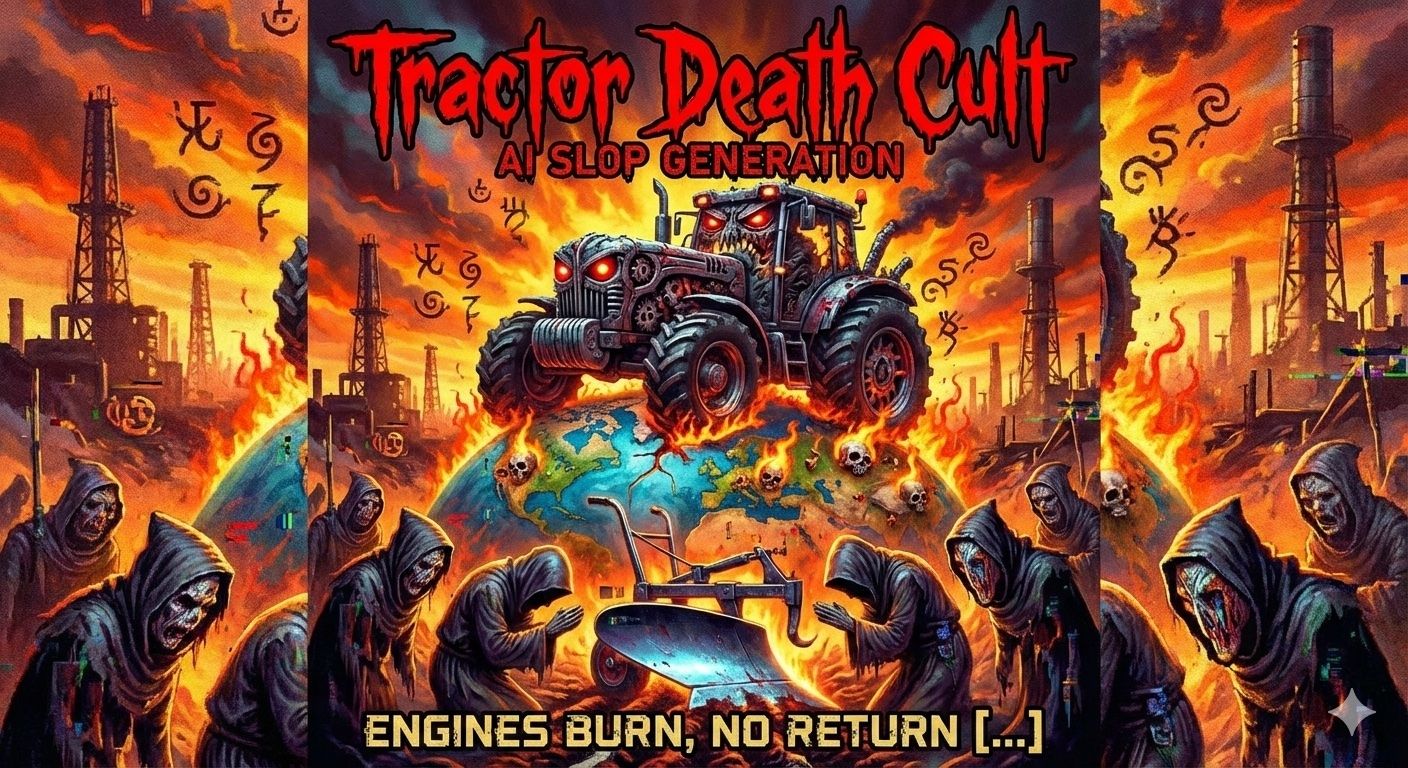
[Verse]: Grease teeth grind / Iron lung cough / World ends now / Underneath the plow. [Prechorus]: Hydraulic scream / A metal dream. [Chorus]: Tractor Death Cult / Tractor Death Cult / Engines burn / No return […]
Musically, the various versions it created sounded like Korn, NIN, and Megadeth met at a retirement home and decided to string bits from their old hits together. With a Trent Reznor-esque voice over rap-rock drums and metal licks, I won’t say it was unlistenable, because I did listen to it, but it did make me very, very sad. The AI had flattened everything, turning the noisy potential into a power rock jam. Udio fared no better, offering “The Tractor’s Song,” which sounded like Ian Curtis on antidepressants singing over a rejected B-Side of The Magnetic Fields, and others that are too vanilla to write about.
No amount of further prompting could get either AI platform to sound anything like Negativland’s Escape From Noise (1987), which begins with a track parodying data analysis for the radio. Nevertheless, Udio did get closer to making two songs almost like a dubstep Aphex Twin track, but the results (“Symphony of Strife” and “Whirling Chaos”) sounded eerily similar. When I listened to them a second time in succession, what bothered me most was how their timing felt identical and how clean everything sounded, even when the lyrics were some kind of “colorless green ideas sleep furiously” nonsense.
“AI seems to be incapable of wabi-sabi, that small refusal of sterile perfection.”
There was no friction, no dirt—and definitely no dogs barking in polyrhythms. For now at least, AI seems to be incapable of wabi-sabi, that small refusal of sterile perfection. Sen no Rikyū, a tea master from the sixteenth century, comes to mind: after a student swept a garden spotless, he shook a tree so that the space was not too pristine. Life is dirty and even if cleanliness is next to godliness, if you’re next to God, you’re also pushing up daisies.
But what’s to be done? Leave the platform en masse out of protest? I don’t think you have to, and I certainly won’t. I still like to listen to full albums, which platforms like NTS don’t provide. Nevertheless, we should be clear about what Spotify is and what it wants. Co-founders Daniel Ek and Martin Lorentzon are not musicians or DJs; they built a platform that monetizes user attention through subscriptions and advertising like technofeudalist lords. It sells itself as a utopia of choice, but it behaves like a tech company: optimize engagement, cut costs, expand. After Spotify’s 2024 payout to the music industry, the company reported an operating profit of 1.37 billion dollars, and that is expected to grow. When Ek recently announced he would step down as CEO to become executive chairman—going, as he put it, “from player to coach”—it was reported that he had amassed a net worth of 7.95 billion USD. With that money, he has heavily invested in the Berlin-based AI military defense company Helsing. For context, fewer than ten musicians have ever become billionaires: Selena Gomez, Bruce Springsteen, Paul McCartney, Taylor Swift, Rihanna, Jay-Z, and Jimmy Buffett.
Udio, by the way, is really good at making music that sounds like Jimmy Buffett.
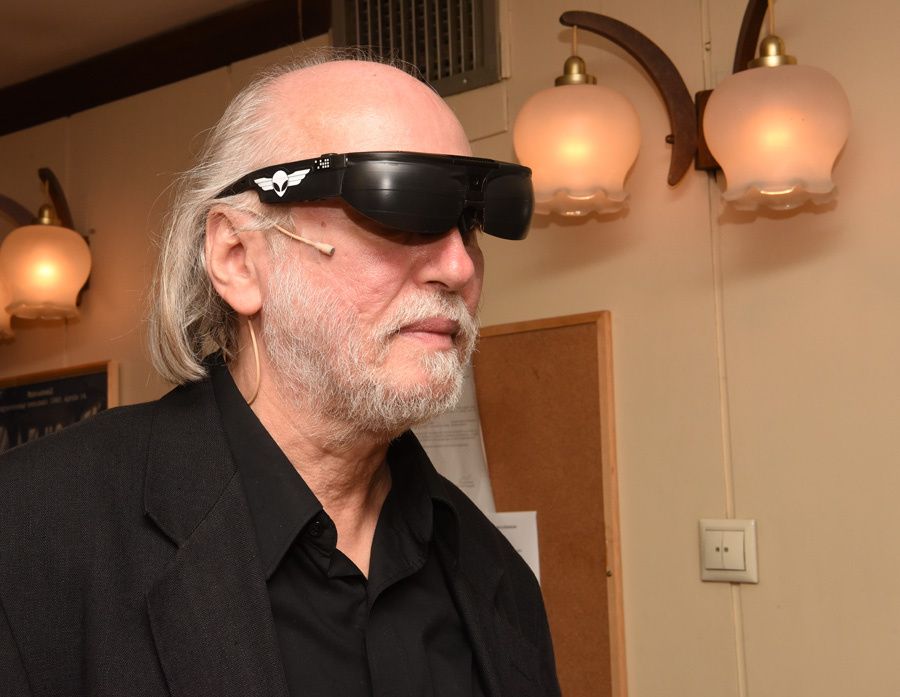
László Krasznahorkai wearing ODG R-6 smart glasses, courtesy of Aero Glass (Photo: Zsuzsa Szkárossy / Fidelio.hu)
Not Too Shabby
Why Taste Matters
“Taste is first and foremost distaste, disgust and visceral intolerance of the taste of others.” Sociologist Pierre Bourdieu penned these lines in his treatise Distinction: A Social Critique of the Judgement of Taste (1979) based on his ethnographic research in Paris in the 1960s and 1970s. In the book, Bourdieu argues that taste is not personal but rather a reflection of social class. Cultural elites decide what matters and the uneducated masses are forced to follow. The elite, in other words, reproduce their “dominance” by defining what counts as “good” taste. As such, taste, for Bourdieu, has traces of blood from class warfare. Taste is basically violence.
Bourdieu wrote those words almost fifty years ago and I can’t help but wonder whether they still hold true as a compass. The argument seems to believe in something like the culture, singular, which in our increasingly fragmented world doesn’t quite hold. Different art disciplines feel less related to one another today than they did fifty years ago (think about all those collaborations in New York in the 70s) and developments in one fail to make waves in others. Shortly after the Nobel Prize in Literature was announced, I was on the phone with a dancer friend and mentioned that László Krasznahorkai won. Their answer: “Who?” We’ve all become so siloed in our own isolation chambers that we increasingly have to speak of cultures, plural.
High culture in many ways feels like a niche genre enjoyed by those who carry non-BPA water bottles in tote bags. And instead of turning to historically great cultural institutions for guidance and enjoyment, much of the world has turned to video games. More than 3.32 billion people game today and the market currently has a valuation of 522.46 billion USD, making it the biggest entertainment industry.
Has high culture become less of a driving force because it has become so codified? I had this thought recently when I was invited on a press trip to experience the fine dining Helsinki has to offer. There, we went from one plate of minuscule white fish over herb-infused cream and butter to another over onion foam. Everything met the standards for haute cuisine yet it tasted basically the same. The overcompensating richness plus the repetitive use of edible flowers gave me a stomach ache. The only memorable meal I ate there was at Aoi, recommended by food journalist Kenneth Nars. When the pancake dessert was served, Nars looked at me and said: “You know it’s going to be good, if they trust themselves to only use two colors.” What he meant was simple: the chef there had real taste.
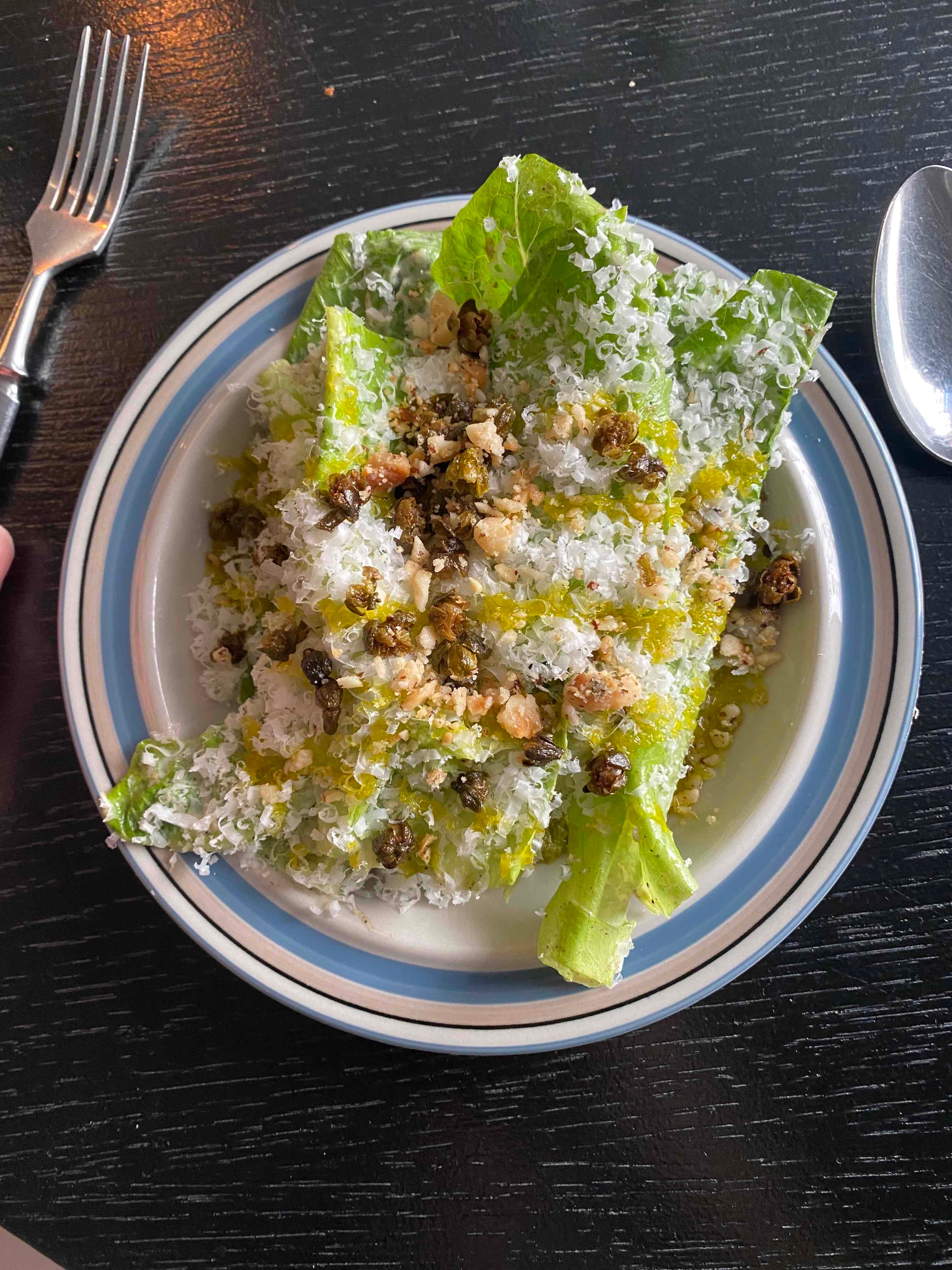
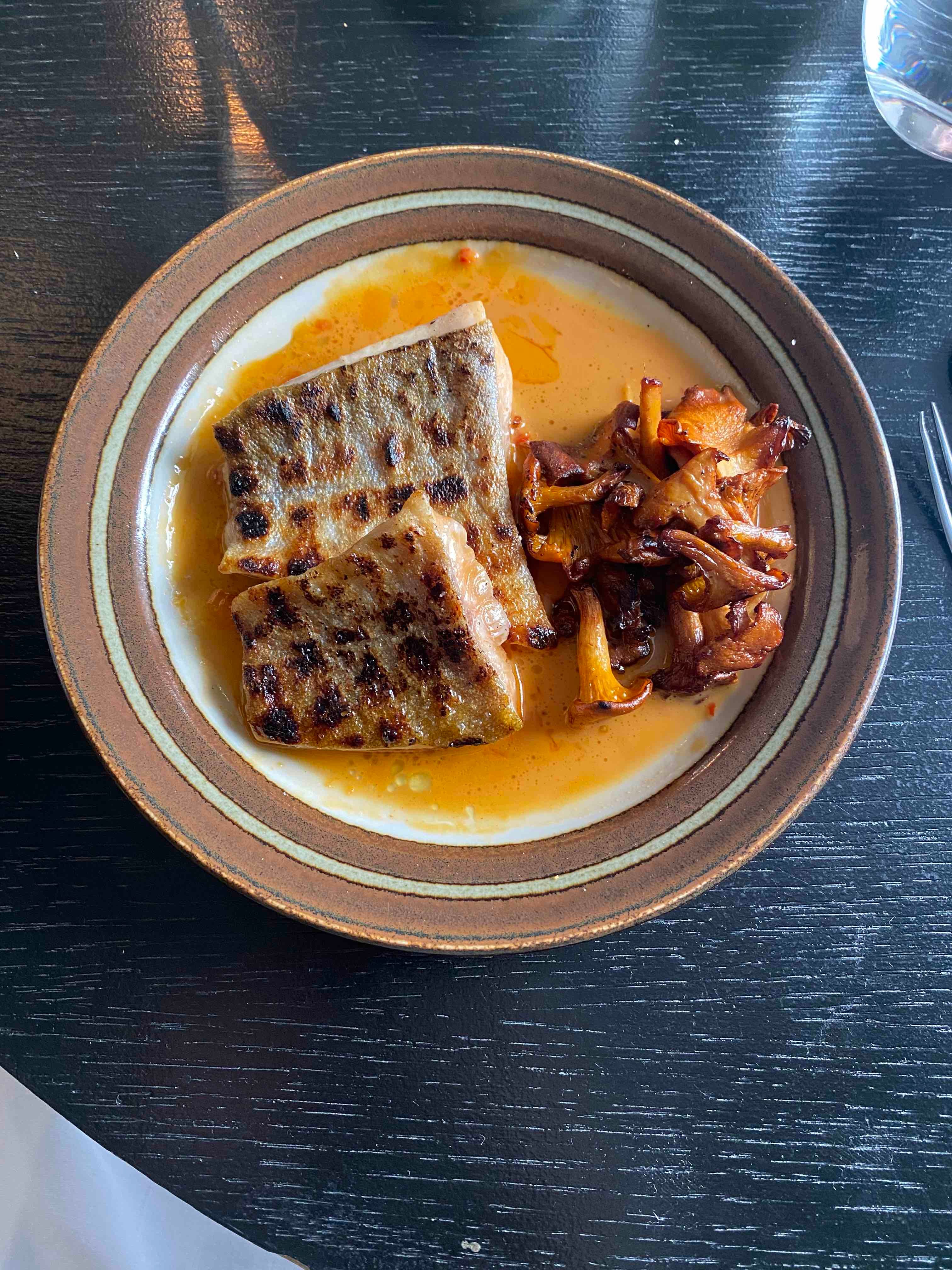
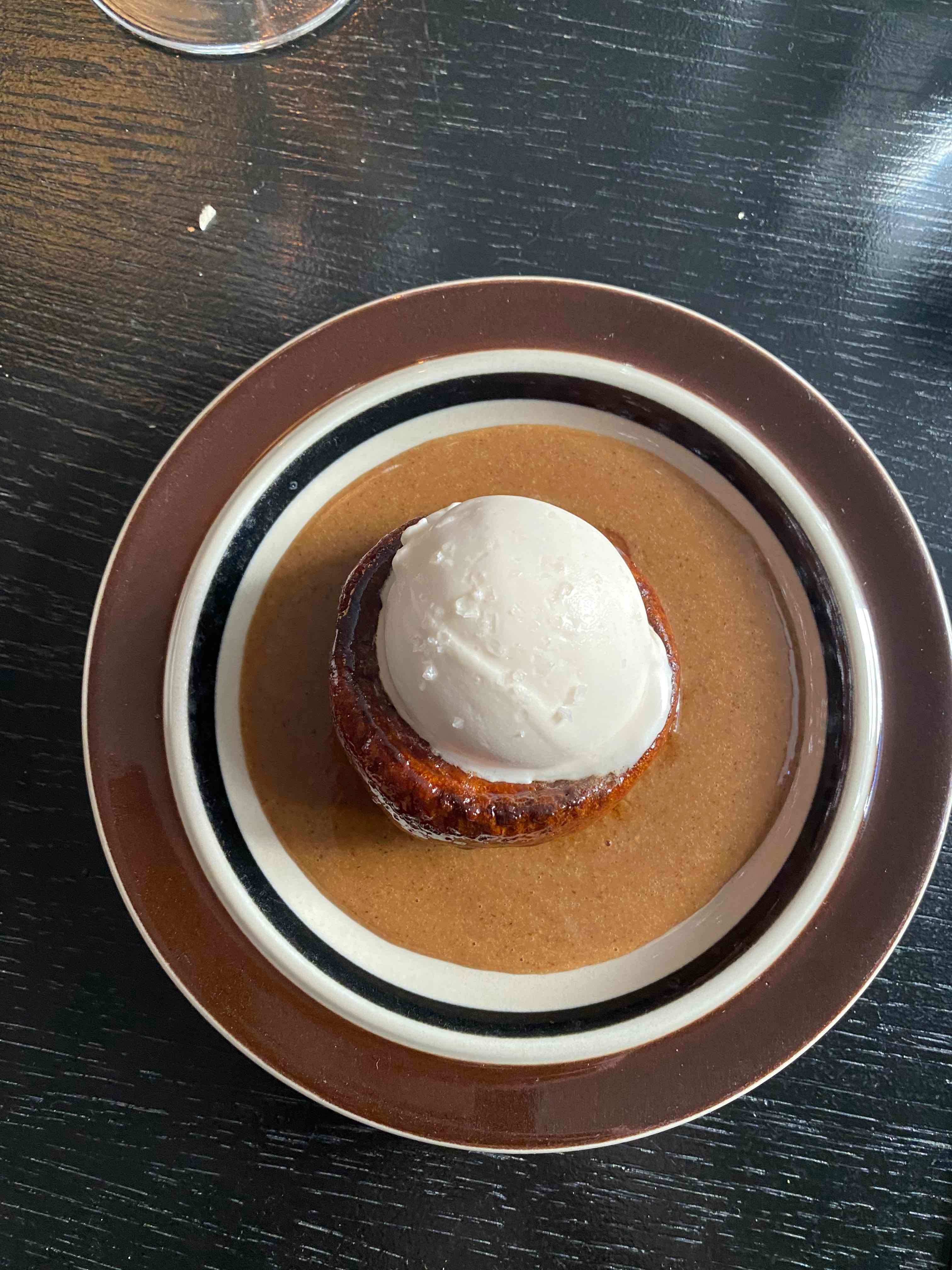
True taste: Simple Colors at Aoi Restaurant in Helsinki
This isn’t to say that the great Bourdieu is entirely wrong. Taste is still a cultural signifier. It still has the power to distinguish you as someone belonging to a group even if these are more overlapping and contradictory than ever. And taste matters. Maybe even more than it did before, given how you can create a banal track about tractors with the same amount of effort it takes to shitpost.
Indeed, as Krithika Shankarraman, former VP of Marketing at OpenAI and now at Thrive Capital, suggested: “Taste is going to become a distinguishing factor in the age of AI because there’s going to be so much drivel that is generated by AI.” Regardless of her intent, which is probably to advise the predatory tactics of businesses, it remains true that taste is not algorithmic and can’t yet be emulated by data-crunching. Taste comes from engaging with the world and is developed with every movie you don’t like that everyone raves about and all those ear-blistering J-core sets that make you beam like an idiot.
“In the age of AI, taste is much more about intimacy.”
Bourdieu was right: taste is about making distinctions. It’s about active curation based on discernment. Taste in other words has to do with personality. It has to do with who you are, where you grew up, and what you were exposed to. It’s about developing a point of view and confronting our contradictions with our critical faculties, our emotional intelligence, and our lived experience in the world around us. As NTS’s motto has it: “Don’t Assume.” Discover and cultivate interests, find a community.
And now that culture has become so stratified, it feels to me like sharing taste is one of the last unifying aspects of life that will prevent us from becoming robots. To me, NTS is a perfect example. It brings together people from all over the world to explore non-corporate music and a variety of cultures. Cultures from different countries, cultures within the world I inhabit, and cultures that are only now emerging. What’s more, NTS creates a common space, a community of shared tastes, which can be further explored on Discord, where listeners in Seoul, São Paulo, and Manchester can share a sonic experience and chat in a modern equivalent of record stores. Taste, then, does not seem to be about hierarchy as Bourdieu believes. In the age of AI, taste is much more about intimacy. Taste, then, doesn’t just have to create distinctions. It can also bring us together.
With how rapidly AI has developed (looking at you, Will Smith eating spaghetti), it’s not inconceivable that LLMS will develop some tastes of their own and might even participate in tastemaking—but I’m not that worried. We’ve learned how to navigate many other technological shifts and plenty of them were portrayed as the end of the world as we knew it too. Maybe the only way to stay human is to choose human curation over algorithmic convenience—to keep finding the Bitter Babes and Dimension Door dungeon masters, the ones still building worlds with humanity. They remind us that dreaming is work and that time is better spent with passion than with worrying about the Rapture. It will come when it comes.
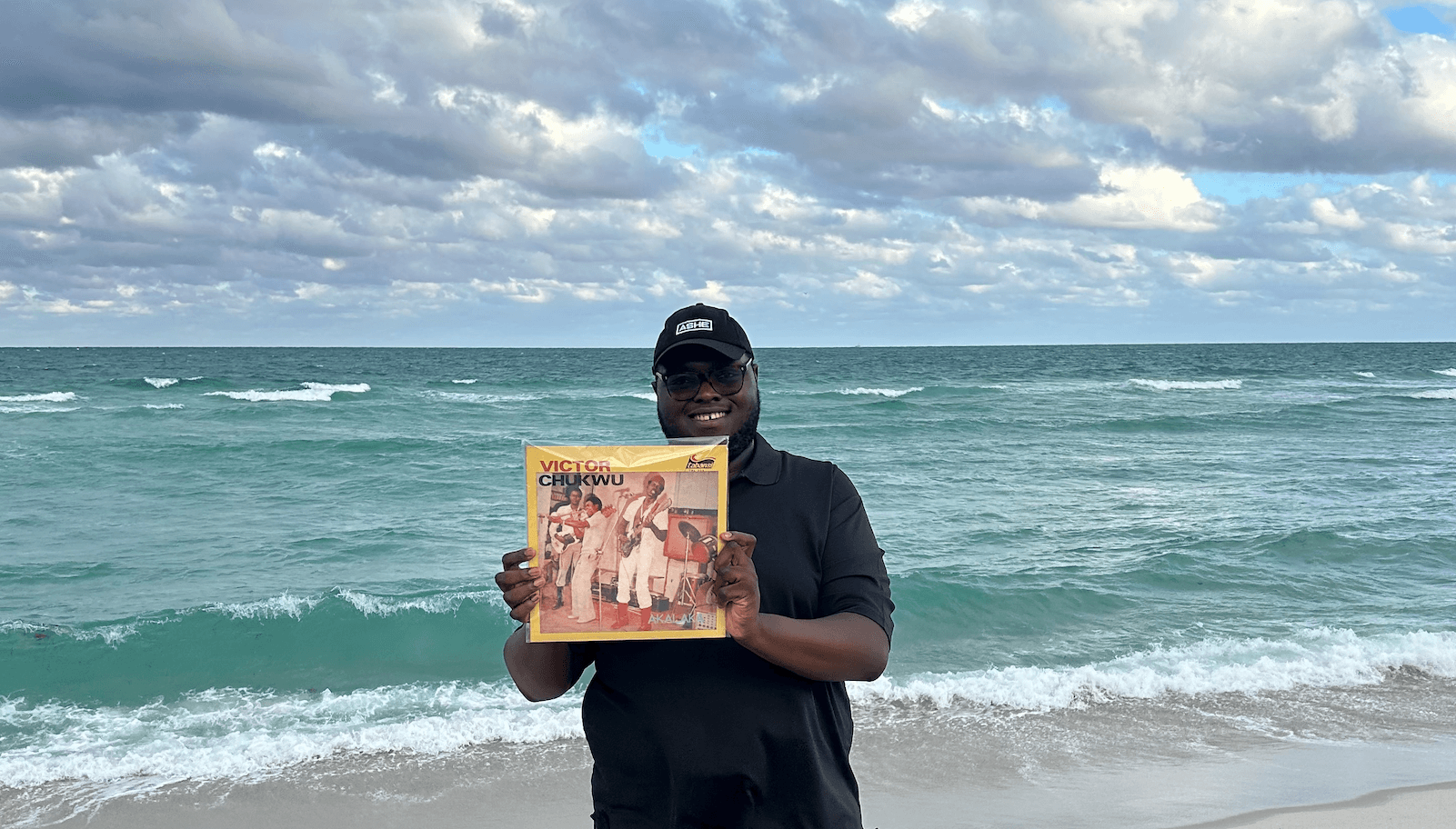
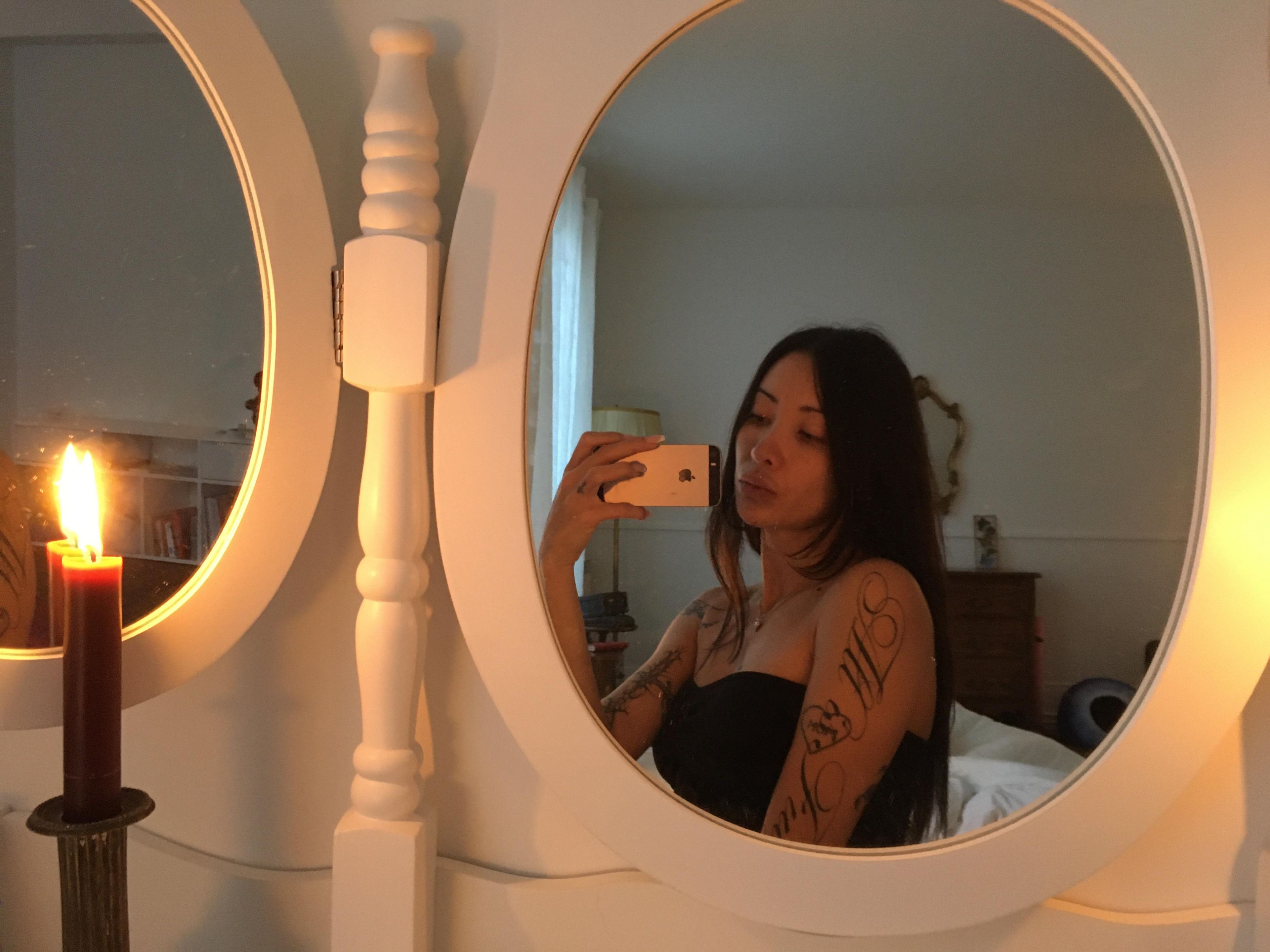
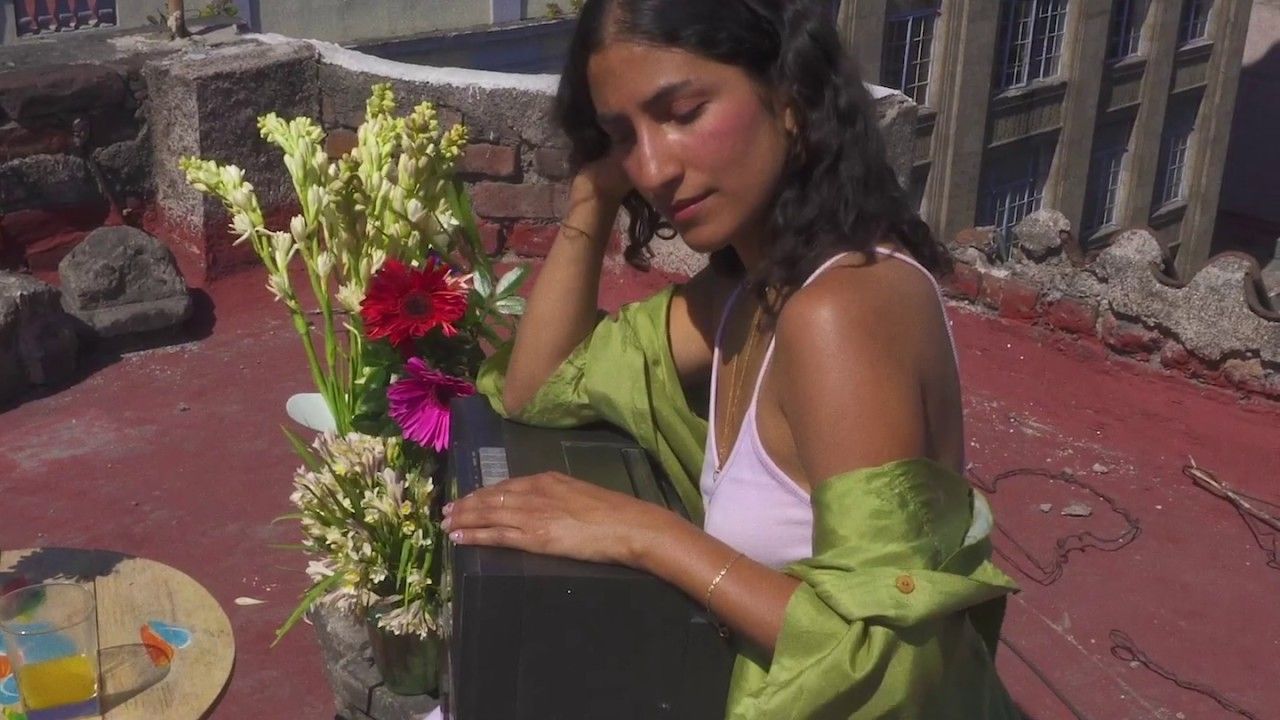
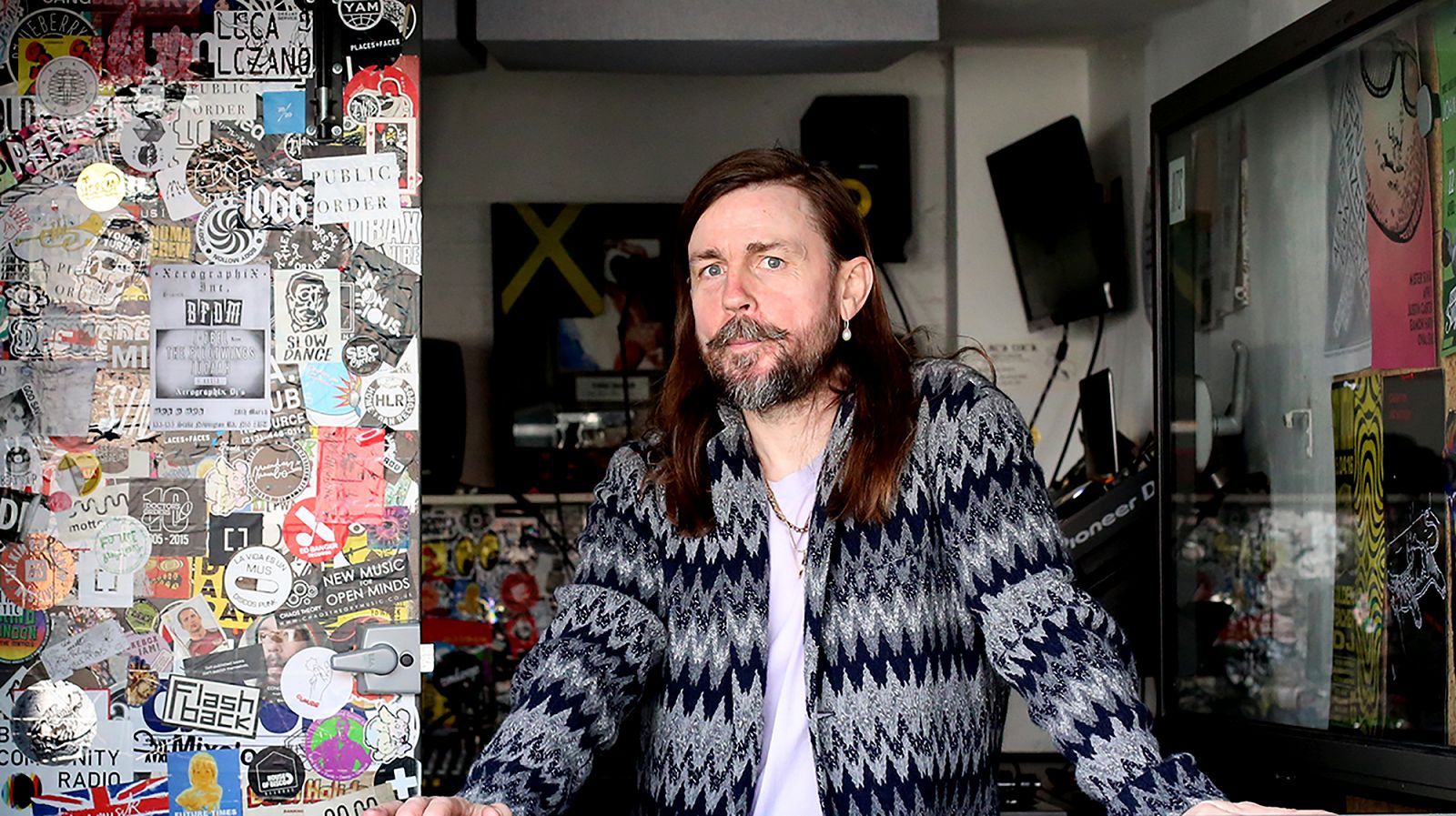
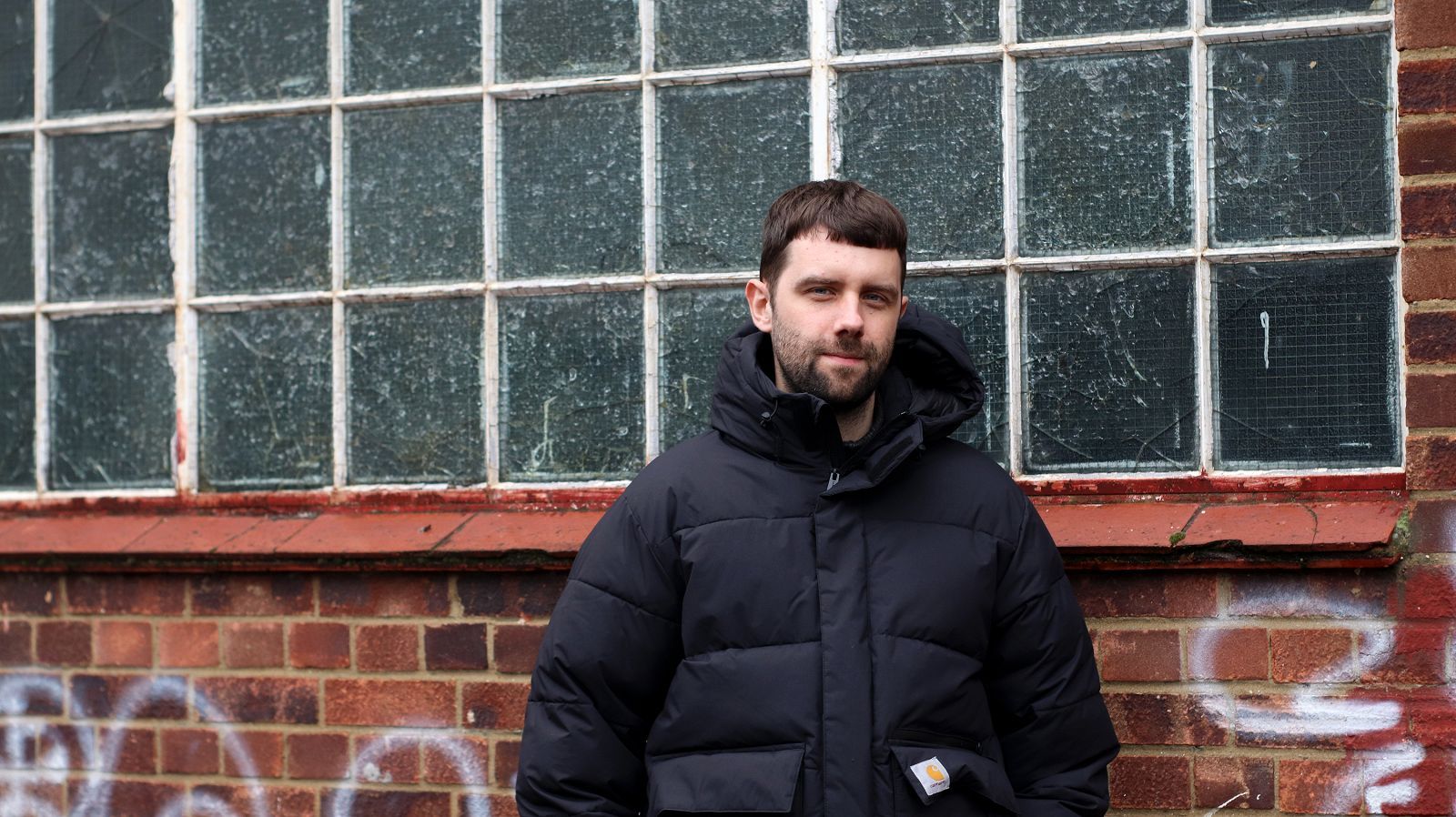
Chief Commander Dr. Dare Balogun, Bitter Babe, Como La Flor, Mark Leckey, Rory Bowens, Low Income $quad, Ashley Wales, La Cosecha Internacional
Never boring Totally fun Sexy forever
BONUS TRACK: A Word from NTS Residents
Shane Anderson: Why NTS? Or, tell me about the name of your show and what you play.
DJ: Chief Commander Dr. Dare Balogun
Show: Dare Balogun (Highlife, Soukous, Afrobeat, etc.)
I’ve been a resident since July 2025, though I had guested on the station a few times since 2023. I do it because I love the records I play and I want to share them. My focus is traditional African music and the cultural contexts that surround it. For me, it’s not just about playing tracks but explaining why they matter, preserving my own culture, and educating listeners along the way.
At its core, the show is about communal listening, which is how much of this music was always meant to be experienced. But it’s also about sharing a feeling. When I play highlife, Tuareg rock, makossa, soukous, or any of the countless genres Africa has produced, I feel joy, elation, and a reminder that life is worth living; and there must be a God, if music like this exists. That warmth isn’t only for me as a Nigerian, it’s powerful to see listeners around the world feel it too.
DJ: Strahinja Arbutina
Show: Low Income $quad (Trance, Club, Hardstyle, Happy Hardcore, Euro House, etc.)
It’s the only platform that allows all types of “weirdos” (including me) to present their own vision of music, while at the same time having big enough reach to make a substantial difference in musical perception all over the world. The show I’ve been running would hardly find a home in a less tolerant setting. The theme of my show is usually the same: to cover different aspects of the newer wave of production—meaning music from Latin producers, music from the queer community, and generally music that’s off the beaten path, often non-polished and musically distorted. I feel like giving these tracks a spotlight on NTS is something that gives a glimpse into a different kind of scene, one that you won’t find unless you actively search.
I love moments when I realize it’s scheduled next to, for example, a live-streamed sound of a sea organ placed in Croatia. Only NTS could do that.
DJ: Ashley Wales
Show: Westward Ho! (Classical)
I’ve always loved the radio as a medium and always enjoyed making and taking part in radio shows. Westward ho! has been a great opportunity to play CDs from my collection of classical music, especially 20th and 21st century repertoire. In my opinion classical music is for everyone and not just the elite. You just have to approach it with an open mind and ears.
DJ: Bitter Babe
Show: Obsidian Dreams (Electronica, Ambient, Ambient Techno, Cloud Rap, Trap, etc.)
I chose this name because of the obsidian stone and what it signifies. It’s a stone with protective powers, especially from negative energy. Obsidian absorbs it and that’s what I wanted to create with my show. The dream part I guess is because I like the ethereal dreamy side of music and you will find that also a lot in my curations.
DJ: La Cosecha Internacional
Show: La Cosecha Internacional (Corrido, Rancheras, Norteño, Rhythm and Blues, Nueva Cancion, etc.)
Eduardo Arenas from Chicano Batman picked the name La Cosecha from a list of Mexican corridos I chose. I later added Internacional because I remember Don San Francisco from Sabado Gigante would say it at least ten times an episode.
Everything has to be true and not afraid. The people that listen have lives and they’re not always perfect why should my song choice or art choice be perfect? Not always beautiful but always human.
DJ: Rory Bowens
Show: The Slip (Soul, Trip Hop, Leftfield Pop, Straight Jazz, Lovers Rock, etc.)
The name of my show was the idea of my former co-host Emma way back when we were doing it on a university radio station in Galway, Ireland. She is a huge Nine Inch Nails fan and it’s named after one of their records. There’s usually no theme with my show but it all fits into a certain feeling I’ve built for it over the years. I find most of my music on my phone on the bus commuting to my day job in Dublin.
What I love about NTS is you’ll tune in randomly and a host will be playing a tune that floors you for the day. This happened recently when I heard Music 4 Lovers drop Raw Soul Express “Dedicate All My Love” on The Early Bird Show.
DJ: Mark Leckey
Show: Abundance Dump (Noise Rock, Experimental, Rap, Punk, Hyperpop, Breakbeat Hardcore, etc.)
I tried out [the name] Mark Leckey’s Abundance Dump for a while. The last show I did was called Stochastic Oscillator but even I find that ridiculous. I do the show purely out of love. It’s a vocation for me. Getting the opportunity to do a regular slot on NTS revived my love of music. Prior to that I was heading towards that inevitable point where you think new music just ain’t what it was, etc. NTS saved me from that particular hell.
DJ: Como La Flor
Show: Como La Flor (Bossa Nova, Bolero, Latin Soul, Cumbia, etc.)
NTS for me is a global community of music-obsessed people. A place where you can discover and listen to music, knowing it’s been touched and led by people with dedication, love, nuanced emotions, and not by algorithms.
Credits
- Text: Shane Anderson