Brenda’s Business with MIRKO BORSCHE
|BRENDA WEISCHER
There are jobs you don’t do forever simply because they have little chance of turning into a career.
A graphic designer might be one of them. There is always someone younger with fresher ideas, who is not burnt out, who works faster, who has newer programs, who does it for less. They might even be dabbling in the field as a student to support their bills, their skate career, or to take someone out for dinner. And this works for them because ultimately, the profession rewards reinvention but rarely longevity.
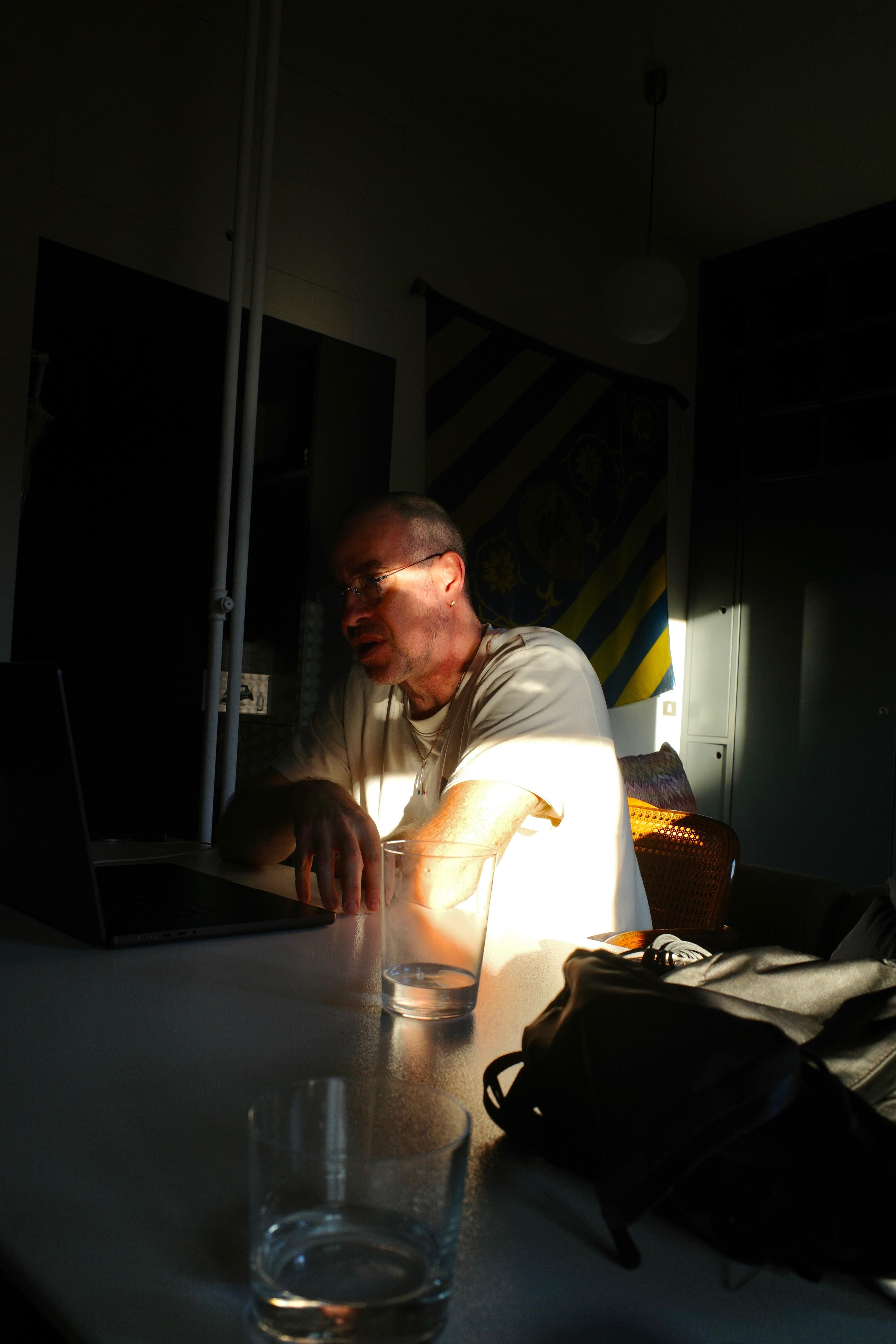
When Mirko Borsche asked me how many graphic designers I knew over the age of 40, my answer was embarrassingly short. Yet, for more than two decades, Borsche has managed to turn a profession notorious for burnout into a business. Through his studio, Bureau Borsche, he has created visual identities for everyone from Porsche, Supreme, and Rimowa to the leading cultural institutions, magazines, and brands shaping contemporary taste. At a time when design is increasingly treated as content—produced faster, consumed quicker, and forgotten sooner—his work has remained both recognizable and influential.
This interview doubles as the announcement of Mirko Borsche as the new Art Director of 032c.
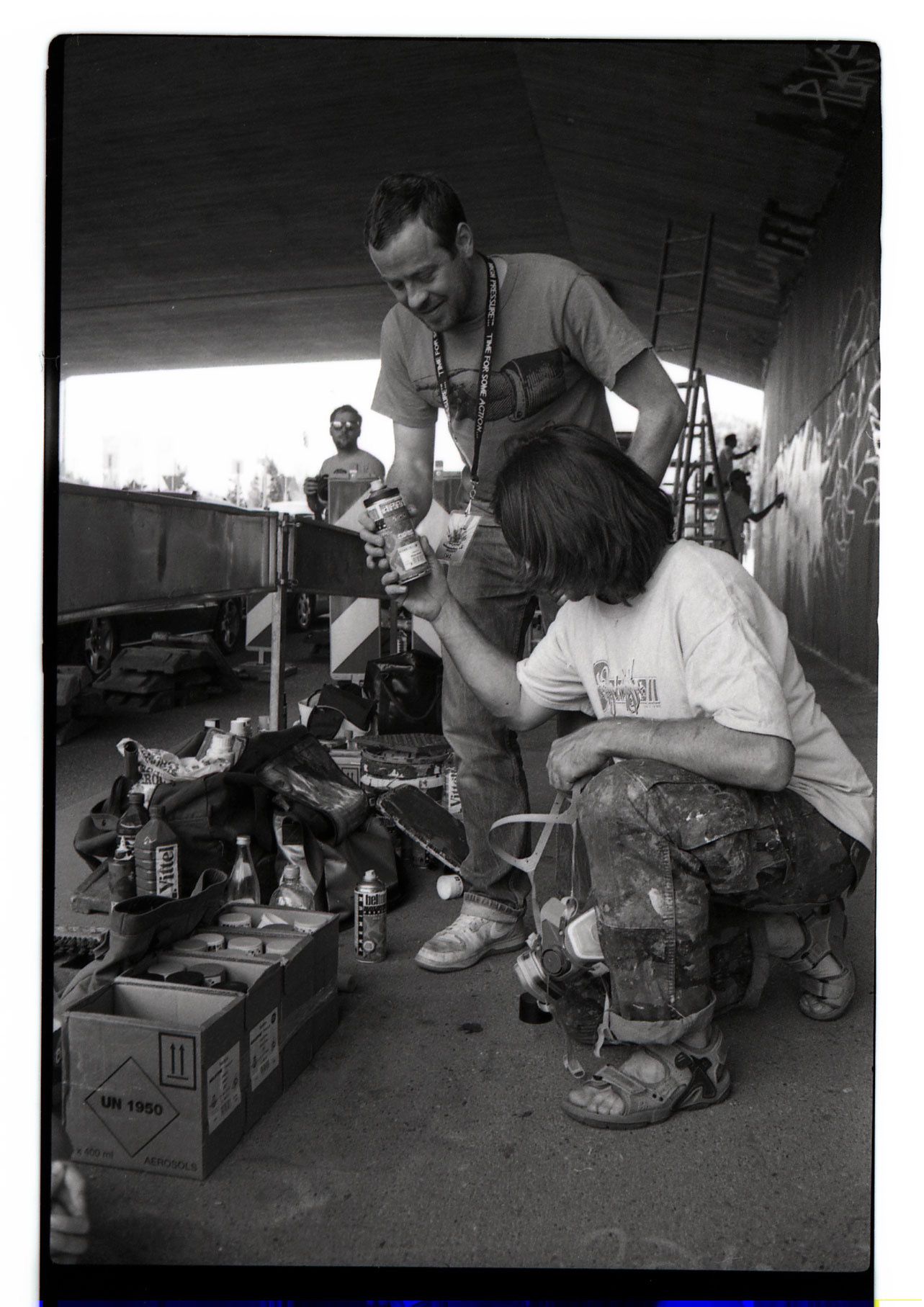
Brenda Weischer: I’d actually like to start at the end. Let’s say someone comes to you with a brand, or they’re launching a product, and they say: “My product is great. Why does the font in my newsletter need to match the one on my social media, which needs to match the one in my logo? Why do I need all of that?”
MIRKO BORSCHE: You don’t, of course. I mean, who actually needs that? Nobody does.
BW: Oh.
MB: But if you want to stand out in this flood of information, and ultimately be remembered, then the real question is whether you have anything that can create that recognition for you. The simplest tools are usually typography and color.
BW: Okay, we’ll get to the giant brands in a minute. But let’s assume we’re talking about a freelancer, someone promoting their own product, an influencer—whatever. All of my platforms already have their own typography. My Substack looks different, Instagram looks different, Spotify looks different. So what can I actually do as an individual? Do I need a logo?
MB: That depends on how you want to position yourself. Do you want to position yourself as a brand, or as a person? If you want to position yourself as a brand, then yes. If you want to position yourself as a person, then no.
BW: Isn’t everyone a personal brand these days?
MB: Maybe. I’m just not sure that’s sustainable forever. And then there’s the question of what happens when you really build yourself as a brand. If you’re treating yourself as a brand, then you also have to take branding seriously. You have to maintain it. And you have to live with the fear that one day people may simply stop finding your brand interesting—which means you’d constantly have to relaunch yourself. If you’re showing up as a person, on the other hand, you’re reinventing yourself every day anyway. You’re not in the same mood every day. You don’t eat the same breakfast every morning. I think authenticity is incredibly important, partly because it’s much easier to sustain. Otherwise you end up building an entire brand structure around yourself. And as you know yourself, at some point you’ll need a team. You’ll need a social media team. You’ll probably need someone overseeing your styling.
A logo alone isn’t enough. Everything has to feel coherent from beginning to end. And honestly, the people who pursue that kind of consistency too rigidly often become boring pretty quickly.
BW: Okay, so I don’t need—as I thought—a graphic designer, a stylist, a publicist, a press agency, a social media manager?
MB: You can. But the more transparent things become, the more competitive every market gets. Eventually you reach a point of over-saturation where everyone with a budget has access to the same things. Five years ago, an Instagram verification badge actually meant something. Now you can just buy one. So what’s the next point of differentiation?
BW: Yeah, I spent years waiting for mine. By the time I got it, it had already lost its meaning.
Speaking of your job, when you’re working with large clients and doing “everything” for them, what is the final thing you actually deliver to the client called? I imagine some kind of design manual you’ve spent five years working on that they constantly have to open. Like, “How would Mirko want us to do this newsletter?”
MB: That’s a brand book. Today it’s digital. It used to be printed, then over the years it became a PDF because people wanted to save paper. Now they’re essentially internal websites with company access.
From there you can download the fonts, download layouts, logos—all the assets you need. You can look up things like: “Which colors can be used in which context? What am I allowed to do? What am I not allowed to do? What are the protection zones?”Because especially in branding, we’re usually not the people implementing the work. We’re a small team and we’re essentially setting the direction.
But we have to make sure that if the work goes to Korea, or to America, and a designer sitting there executing it arrives at the same result we would have arrived at.
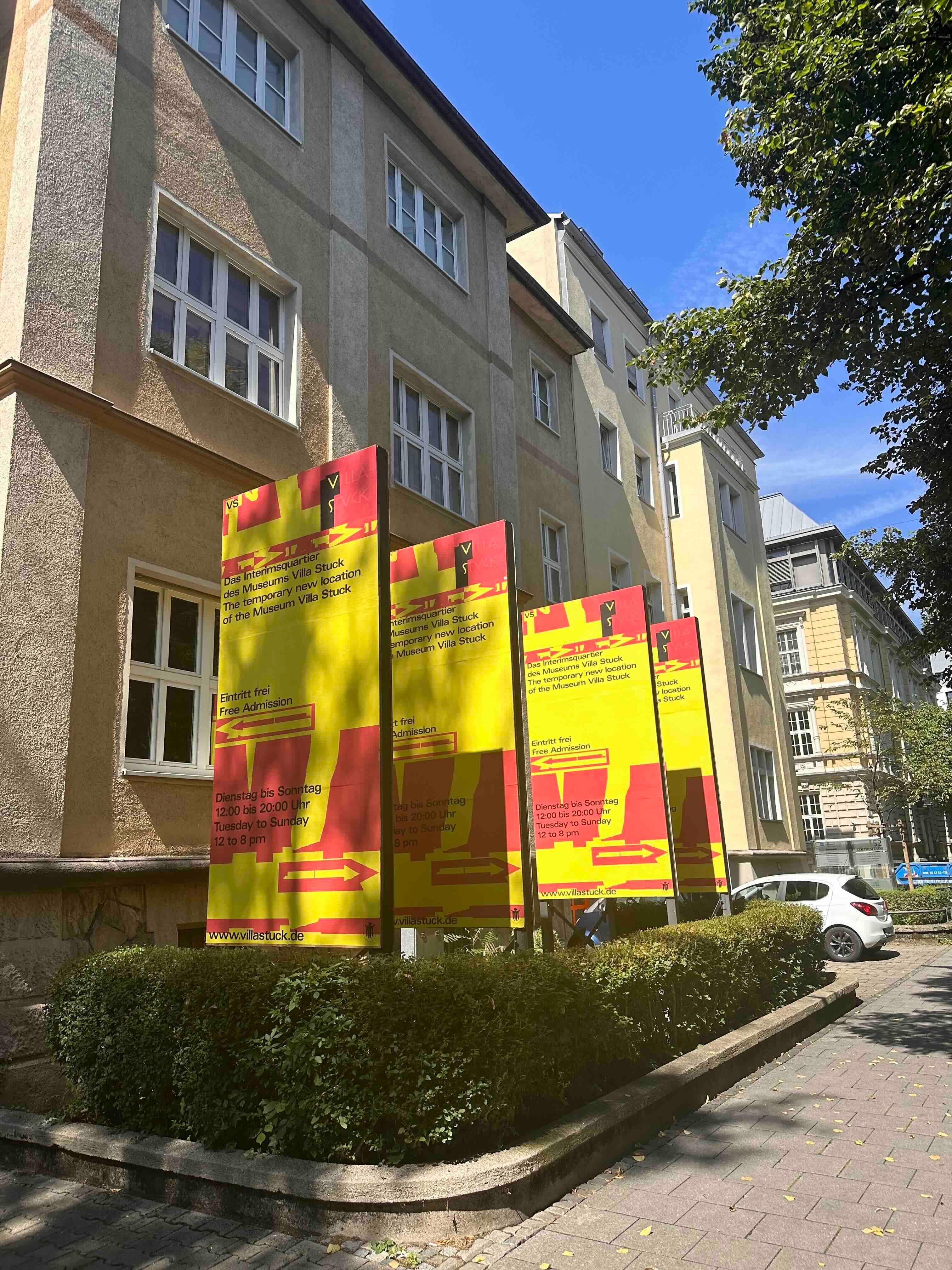
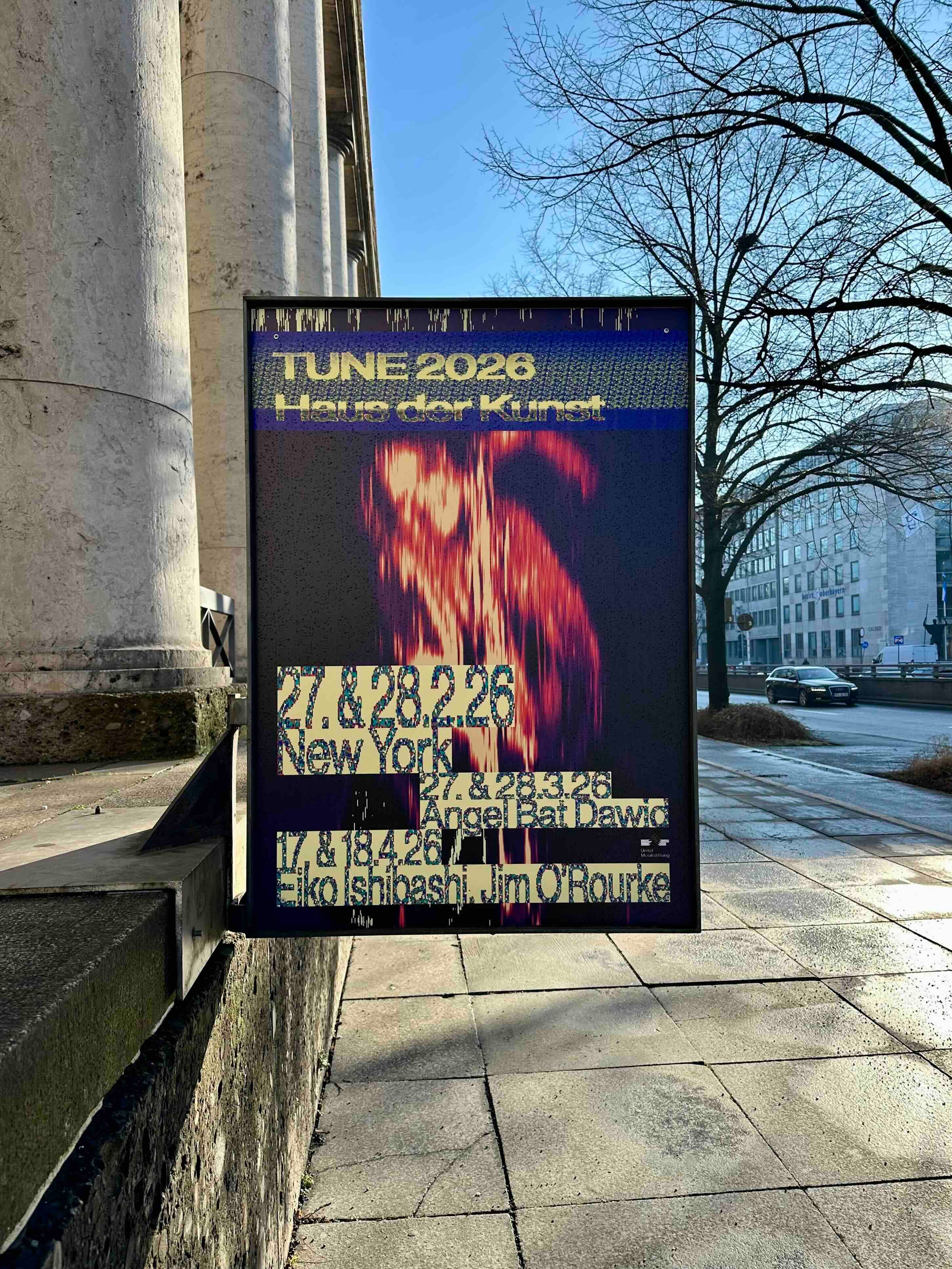
BW: What is one design rule worth respecting?
MB: Think first
BW: Most overused reference?
MB: Twen Magazine
BW: Font to use if you want to look like everyone else?
MB: Helvetica
BW: What is the graphic design version of Ozempic face?
MB: VOGUE
BW: A logo everyone pretends to like?
MB: Apple
BW: How often do you run into the classic “you can lead a horse to water, but you can’t make it drink”situation? You’ve spent months, sometimes years, building something for a client. How can you possibly make sure it’s actually implemented the way it was intended?
MB: You can’t. Some clients stick to our concept religiously for years. Others go completely freestyle from day one. They spend a lot of money, then you see the first social media post or the first out-of-home campaign and it has absolutely nothing to do with what you created.
BW: But where does it go wrong? You’re talking to the creative director, or whoever is responsible for branding at a major company, and somehow it never seems to reach the social media team or the people working on the out-of-home campaigns. Where does the process break down?
MB: Very often, brands address their branding far too late, usually when things are already going badly.
We’ll spend six months working on something, and in the meantime their entire team gets fired and replaced. Then a new decision-maker comes in and, as is often the case, says: “Well, this was all done by my predecessor. I’d rather do things differently.”
BW: Yeah, it’s one of those areas where people bring you in far too late.
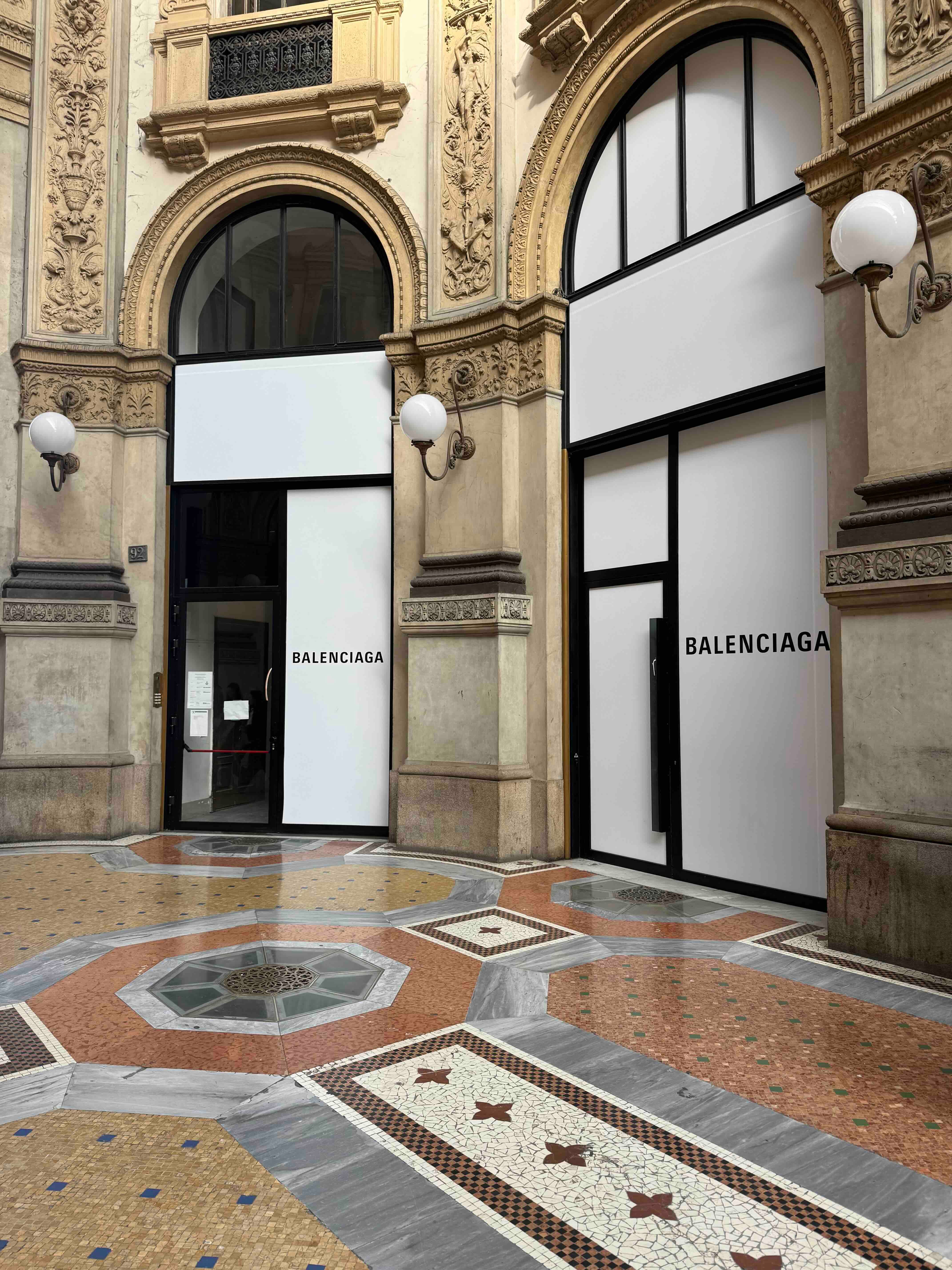
MB: A brand is something you should be working on constantly, not just when it’s struggling. There should always be small adjustments and refinements. That’s ultimately what makes a brand strong: having the confidence to keep evolving and moving things forward. When we redesigned the Balenciaga website, for example, it took a year. By the time it launched, every third e-commerce site on the internet looked exactly the same. In hindsight, we probably should have pushed things even further. Today, something remains a benchmark for a very short period of time. Then the market moves on and a new benchmark emerges.
BW: That’s also the problem with fashion brands, though. Every new creative director feels the need to change everything, partly out of ego. Everything has to be new every two years. And then three hundred stores around the world have to be completely renovated again.
MB: And implementation costs anywhere from tens to hundreds of millions, depending on the size of the company.
But that’s also why so many creative directors can’t wait to make changes. If you know you’re probably only going to sit in that chair for two or three years, you’re under pressure.
It feels a bit like the Champions League: “He didn’t win a title? Get rid of him.”
The problem is that if you spend years running a brand into the ground, rebuilding it becomes incredibly difficult.
BW: Best designed book you own?
MB: Dracula: Four Corners Familiars 3 by Bram Stoker
BW: Design trend that already feels dated?
MB: Micrographics
BW: The easiest way to spot bad taste?
MB: Eames chairs
BW: A logo that didn’t need changing?
MB: Jaguar
BW: I’d like to go back to the brand handbook for a moment and explain it for people who aren’t familiar with it. So I’m the client. I receive this finished internal website where everything lives. How do I actually use it? What’s in there? Can you give me an example using a major brand?
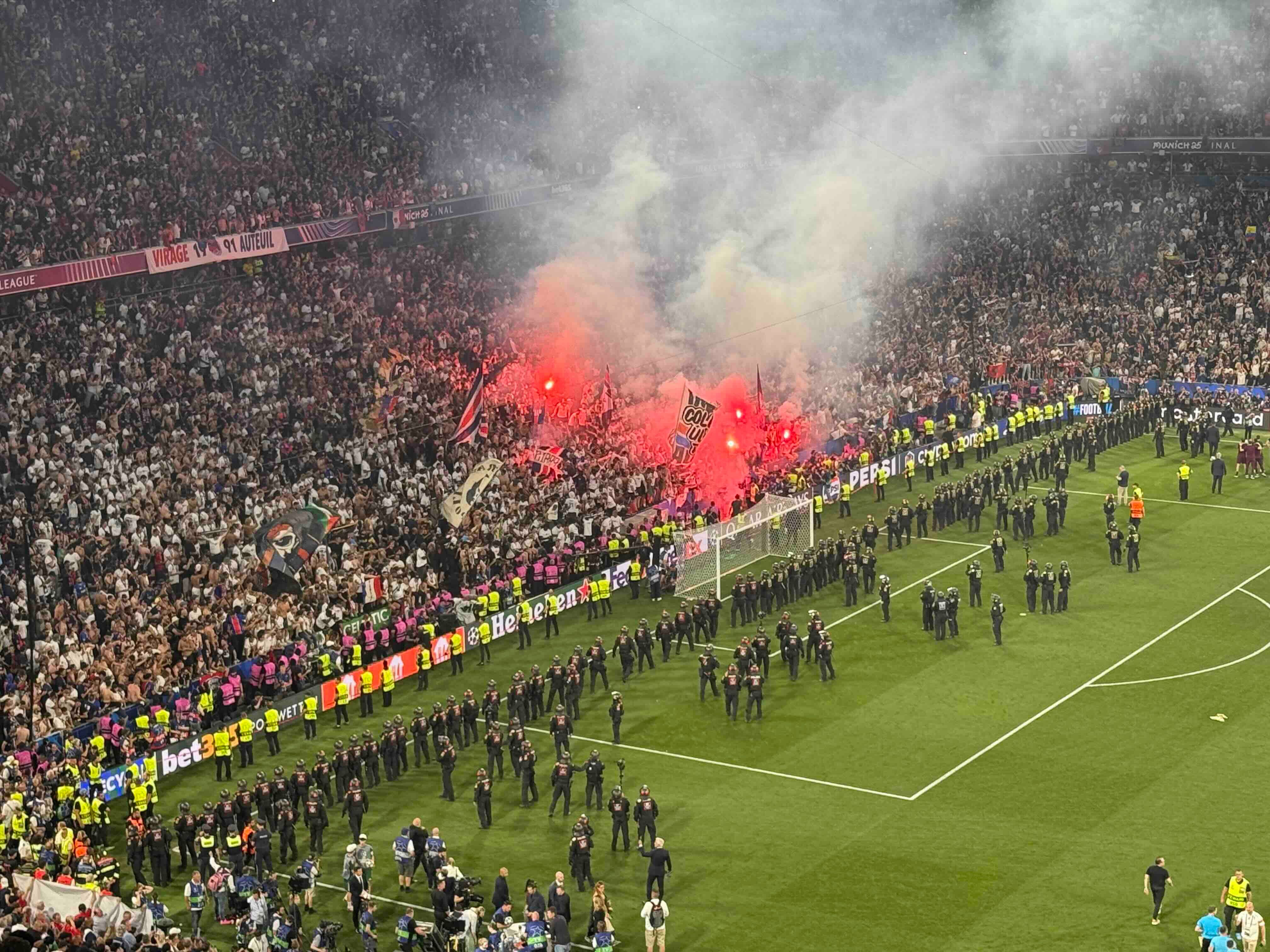
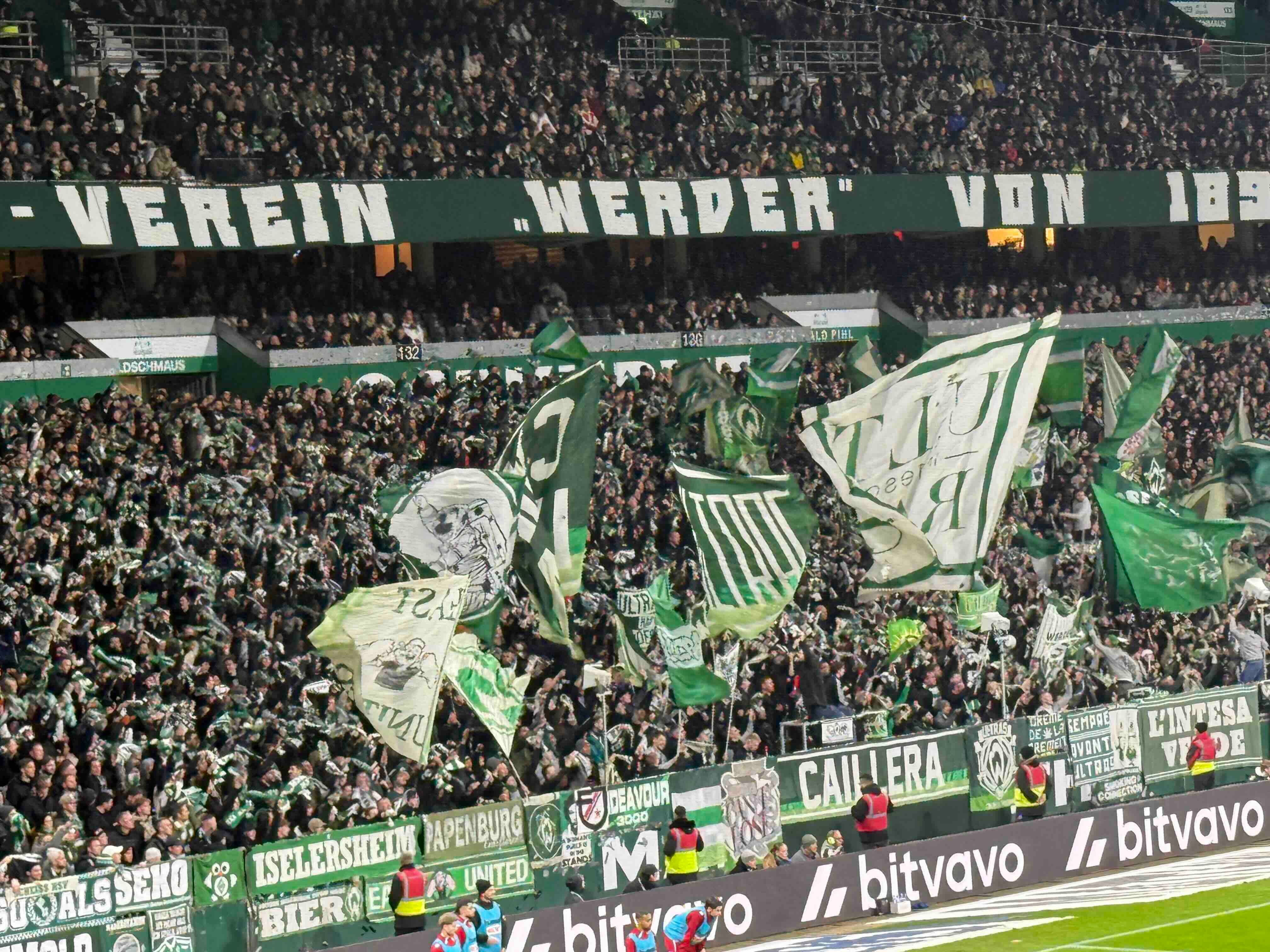
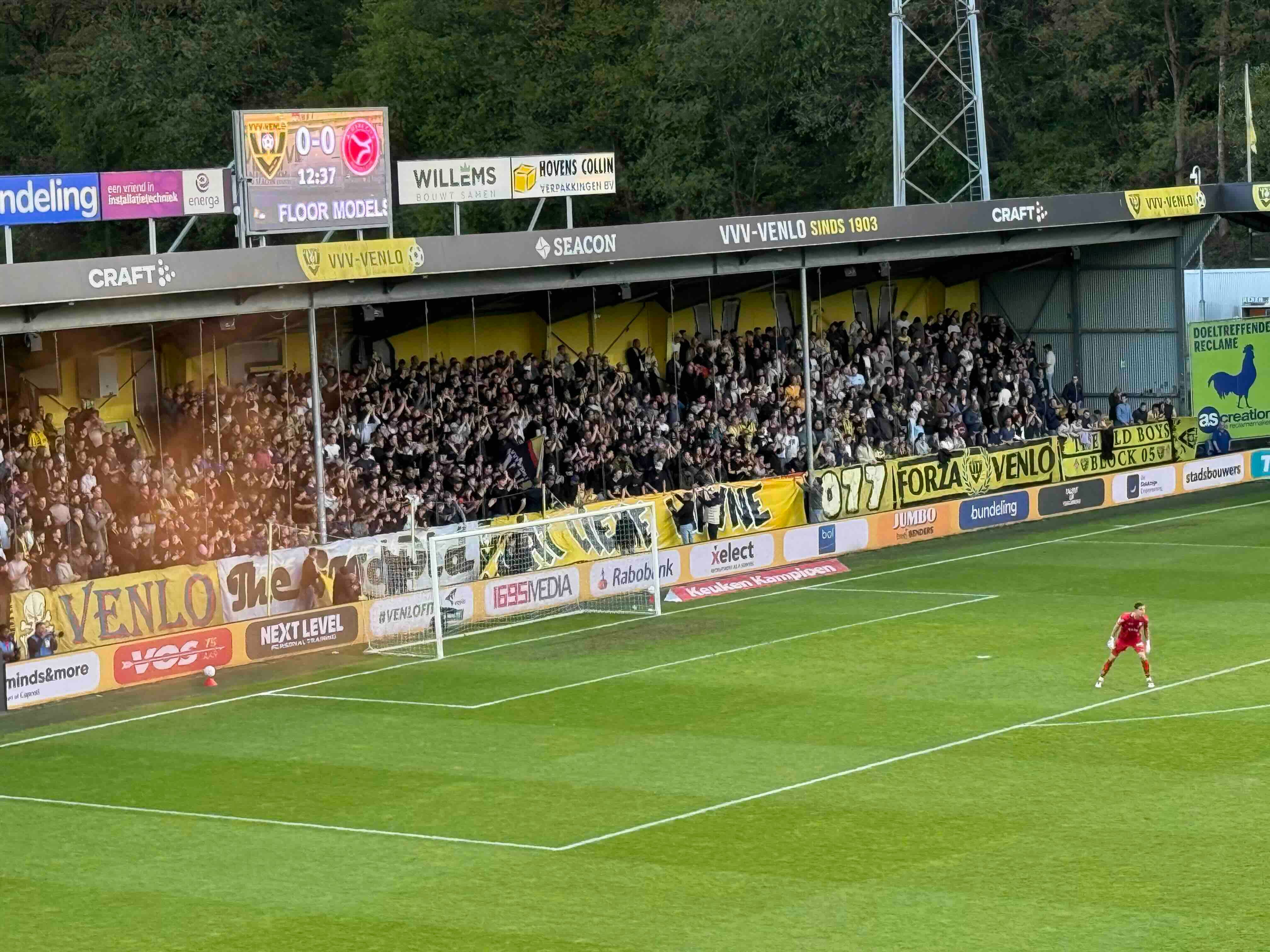
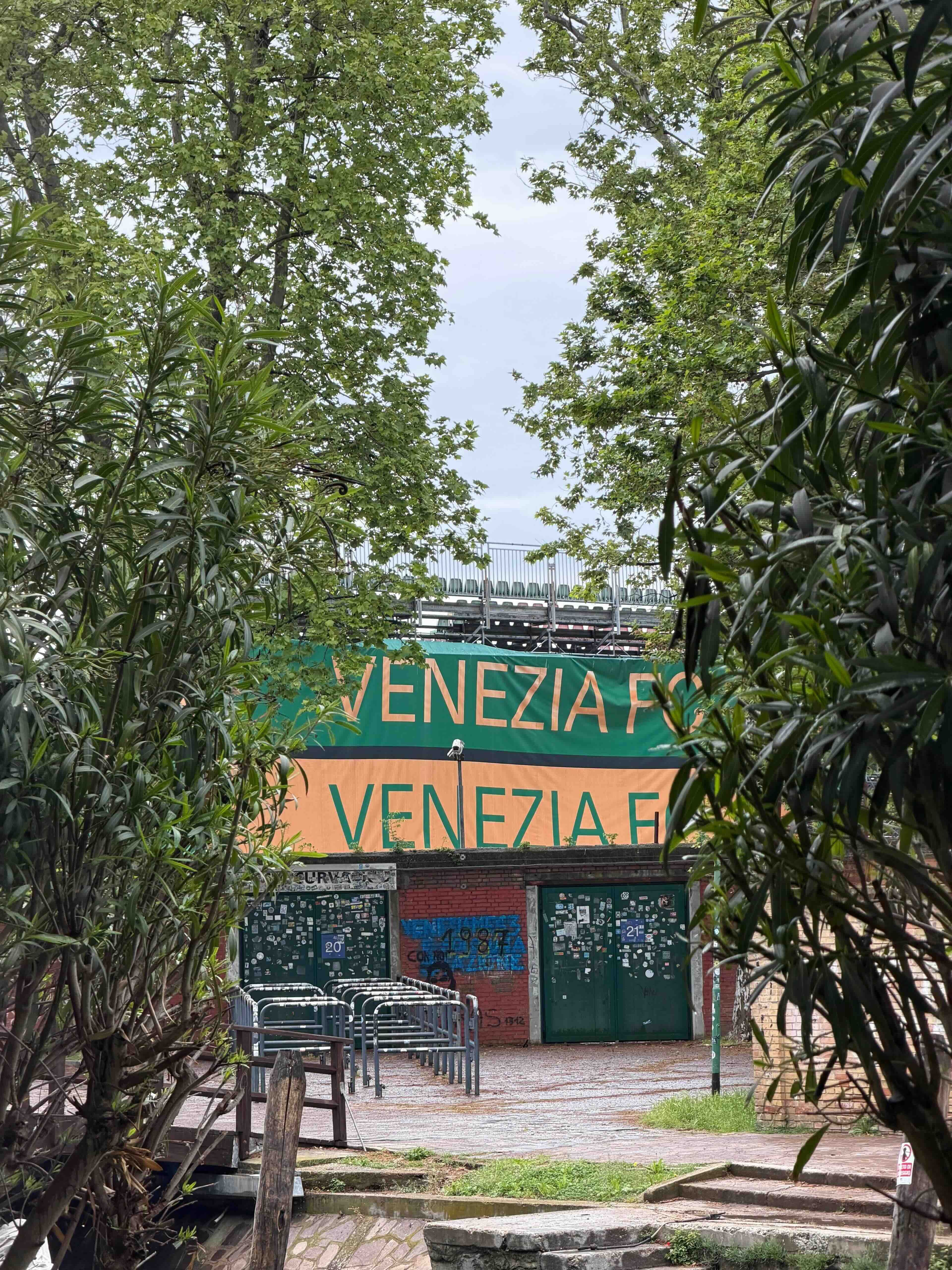
MB: Football clubs are actually a great example because they operate globally. They’re dealing with an enormous number of companies and channels. Media companies, broadcasters, social media agencies, websites, news platforms, merchandise partners, white-label manufacturers, technical sponsors like Nike or Adidas. Then there are the sponsors. Some clubs have 120 sponsors or more. All of them need to know how they’re allowed to use the logo in relation to the club crest—in which combinations and under what circumstances. At that point, a normal brand PDF simply isn’t enough anymore. What you need is a platform where different users have different levels of access. Sponsors, white-label partners—everyone gets their own login. Each group only sees the information that’s relevant to them.
BW: Oh God. Why?
MB: So they can download the assets they actually need. The rest isn’t relevant to them.
Let’s say you’re producing a coffee mug in China. Do you really want to click through all the social media templates, television graphics guidelines, animation rules, and everything else?
Depending on the project, we’re delivering anywhere between 4,000 and 8,000 files—from motion graphics and After Effects files all the way to InDesign and Illustrator documents.
BW: So I’m Nike. I have my own login to the football club’s internal brand handbook website.
MB: Exactly. There they’ll see things like which versions of the logo can be used on a jersey, what size relationship it has to have with the club crest, which colors are allowed, and so on. The advertising agency gets a completely different level of access.
BW: That’s crazy.
MB: When all of that exists and then, in the end, it still isn’t implemented properly, it’s even more frustrating.
BW: Who actually polices that internally at a football club? Whose responsibility is brand heritage, brand protection, branding governance?
MB: That’s the CMO’s job. And they have to be absolutely ruthless about it.
BW: Something has to go wrong eventually.
MB: Of course. Something can always go wrong.
BW: What killed magazine design?
MB: Marketing
BW: One design trend that actually improved things?
MB: New Ugly
BW: Which industry has the best graphic design?
MB: Heavy metal labels
BW: What font would ask you to split the bill after asking you out?
MB: Arial
BW: I’d also like to talk about attention. How do you get attention today? Apart from having an enormous budget and buying so much media that people can no longer ignore you. What still makes you stop and pay attention?
MB: Honestly, I think that’s probably the hardest question of all. At this point, I can barely predict what makes me stop. Everyone is pulling every lever they possibly can, which makes it incredibly difficult. AI doesn’t make things any easier because it enables an endless amount of trash to be produced. And then there’s money, like you said.
Look at Adidas and what they recently did for the World Cup. You’ve got 20 superstars in it. One of the hottest actors in America right now. Someone who’s exactly the right age for younger audiences to think he’s cool.
On paper, it has everything. But is it actually great?
BW: I’ve always found this obsession with target demographics a bit strange. Brands are constantly asking, “What does Gen Z want?”Why not tell them what they want instead? When I think back to myself at 13, I thought whatever the people I admired thought was cool, was cool. The idea that 13-year-olds are somehow the tastemakers—especially when you’re talking about major clients and multi-million-dollar budgets—is ridiculous to me.
MB: And it doesn’t work anyway. It’s the symptom of brands that have lost their DNA and no longer know where they want to go. The mood boards we get from some clients are honestly almost comical. They’re nearly identical.
No joke—almost the exact same images. The same Helmut Lang reference again.
BW: The Helmut Lang campaigns were really good, though.
MB: Of course they were. But if everyone is working from the same references, then it’s hardly surprising that the outcome always looks the same.
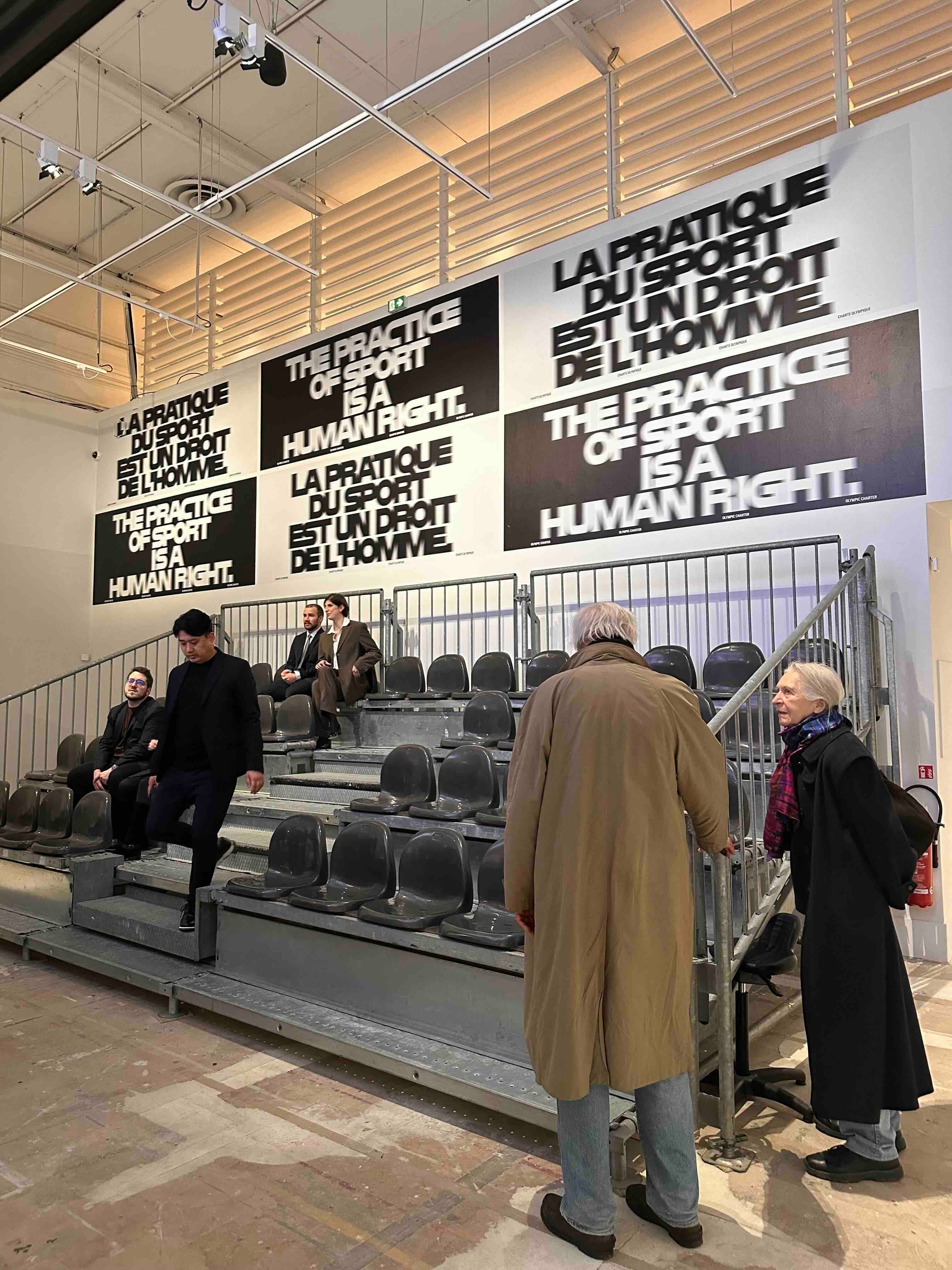
BW: Design rule that needs to be broken?
MB: Never use a design element just once.
BW: What design choice feels most “pandemic era” in retrospect?
MB: Gray
BW: Worst rebrand of 2026 so far? (or from the last few years, or ever)
MB: Jaguar
BW: And best?
MB: 032c :)
BW: That’s actually a perfect segue into AI. Can AI take creative people’s jobs?
MB: Most people won’t like hearing this, but we’re in a moment where people think: I’m young, I can have work-life balance, go jogging, travel the world, be successful, have a life. That’s not going to work. AI is simply another phase of industrialization. We’ve gone through this countless times before. It’s a new industrial revolution. And what industrialization does is reduce the number of jobs required. The jobs won’t disappear entirely. But there will be fewer of them because processes become dramatically more efficient. A year ago, creating mockups was two or three weeks of work for two people in our studio. Today it’s two hours of work for one person. But we’re also talking about an industry that’s incredibly young. At my age, I’m practically a dinosaur in this business. A complete dinosaur.
If I were CEO of Mercedes, I’d be considered relatively young. How many graphic designers over 40 do you follow who are still actively practicing, unless they own a large agency? In the early years, you simply have to work unbelievably hard. Partly because it’s such a subjective profession, and partly because it’s a profession that can be replicated relatively easily. The only way to differentiate yourself is through ideas. You have to read constantly. Know things. Know references. Know all the references. And not just the references from the last five years—the references from the last 200 years. Because that’s what allows you to explain why your idea, even if it looks superficially similar to something AI produced, is fundamentally different. Why your idea is worth 40,000 euros and not 60 euros. That’s the other consequence of industrialization: AI will inevitably drive prices down.
It’s no different from H&M selling suits. Mass production creates simple products at industrial scale and low cost. Suddenly you’re paying 60 euros for a suit instead of 1,500 euros for something made by a bespoke tailor. And a lot of people either don’t see the difference or don’t value the difference. I think that’s incredibly important, and it’s something many people are missing right now. People are becoming fascinated by the surface level of things—and if we’re honest, this is a fairly superficial industry in many ways. They look at something and say, “Wow, that looks great.” And then you have to ask: “Okay, but what does it actually mean?”
If something has no intellectual value whatsoever, then I start wondering why it exists in the first place. If its only value is that it’s “cool,” someone else can always come along and make something cooler. The only thing that creates longevity—for your work and for yourself—is substance. And that’s true for your job as much as it is for mine. It’s through ideas, through meaning, and through a certain depth of thought that you create something sustainable.
BW: And then there are the soft skills nobody ever talks about. Why would I still want to work with a real person?
MB: Maybe I actually want the meeting. Maybe I want to feel inspired. Maybe I want a bit of passion. Maybe I want a conversation. You don’t always want to make decisions on your own, do you? You want to trust someone. In your personal life, you ask your parents, your friends, your partner for advice. And for these kinds of decisions, you might want that same exchange with a graphic designer.
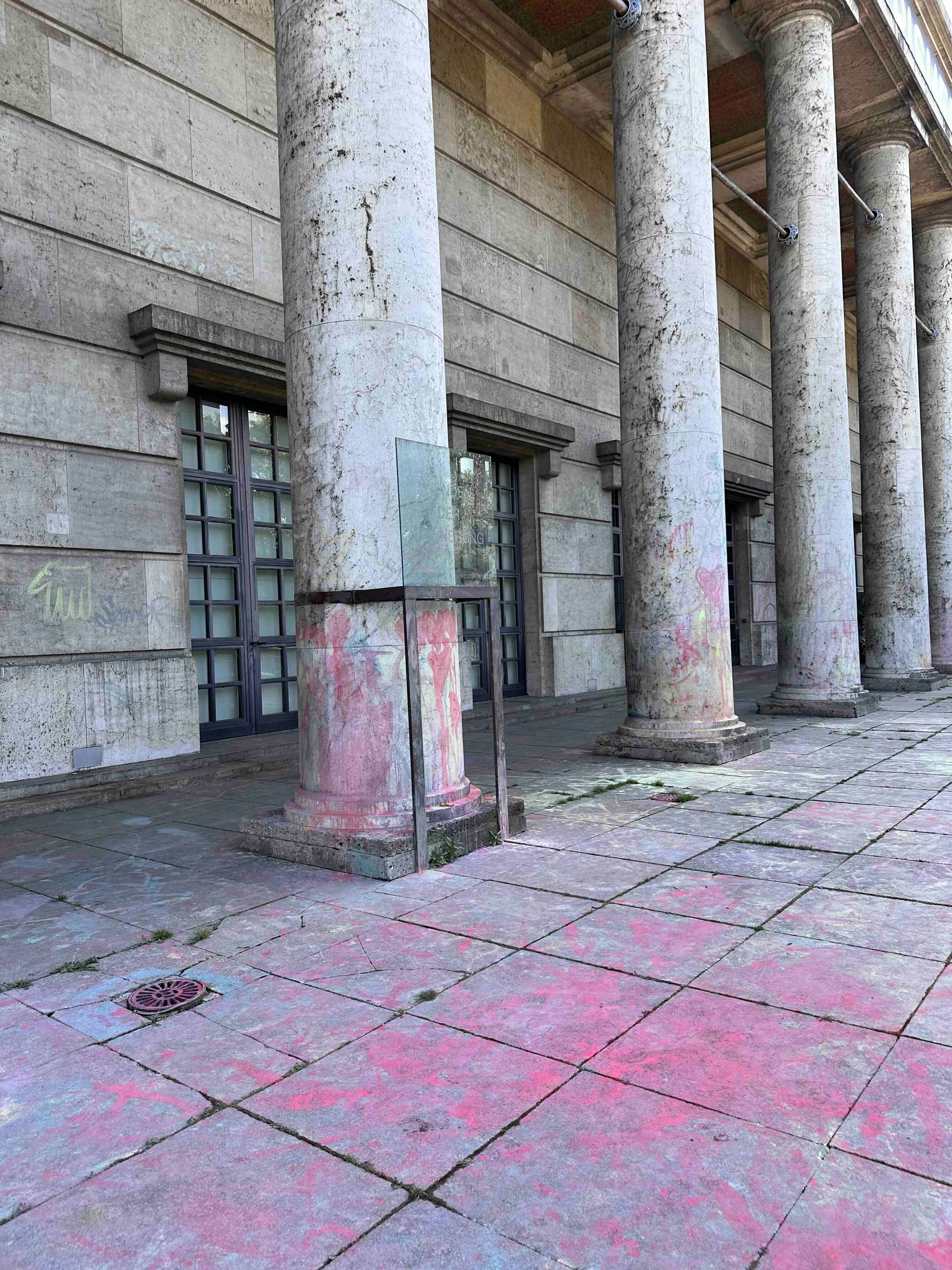
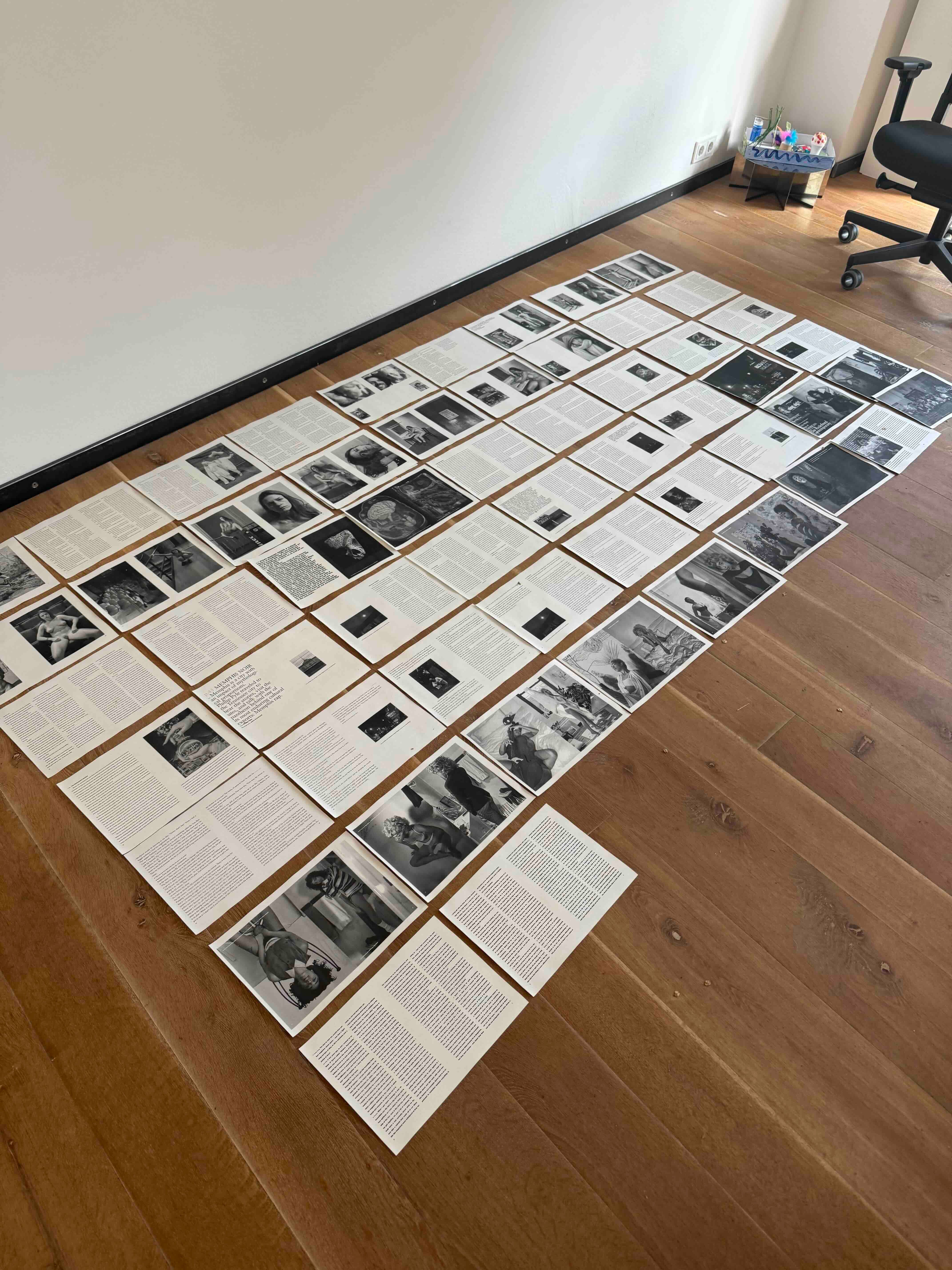
BW: We have to talk about 032c. What’s happening there? What are you working on? What did you look at? Which typefaces, and why? Why those colors? What do you actually want to change about a magazine? What do you still find exciting about magazines in the first place?
I read somewhere that you said print isn’t dying.
MB: I wouldn’t quite put it that way. You can clearly see that print is struggling. Attention is shrinking. Interest in print is shrinking. 032c is a magazine that’s been part of my life for a very long time. Mike [Meiré] transformed it very successfully through a major reinvention. But like everything that’s successful, it has also inspired an enormous number of lookalikes. There are now countless products that resemble it. The magazine has incredibly strong content, and that’s something we want to focus on again. We want the texts themselves to be taken seriously, rather than functioning primarily as graphic elements. We’re keeping the red. We’re keeping the black. Silver was always something that appeared occasionally throughout the magazine’s history, but it’s going to play a much bigger role for us. 032c isn’t just rooted in Berlin heritage, it’s rooted in German heritage too. And silver feels very German to me. As a people, we’re not exactly known for automatically thinking everything is fantastic. Silver is almost like gold’s slightly less enthusiastic sibling.
BW: Ha.
MB: When it came to typography, we wanted to bring a serif back into the mix, alongside Grotesk, Fraubas, and Diabetica. Akzidenz-Grotesk is essentially the grandmother of Helvetica. It’s a deeply German typeface. It was one of the earliest sans-serifs and was intended as a symbol of industrialization and modernity. From it came Neue Haas, Helvetica, Futura, and many of the typefaces people know today. Even Arial ultimately traces its lineage back to that family.
You’ll see—it’s all very nerdy. Helvetica is much more neutral and much more controlled than Akzidenz-Grotesk. You only really notice the difference when they’re side by side. For the body copy, we chose Sabon. It’s named after a type designer who moved from France to Frankfurt, and the typeface was conceived as a tribute both to him and to the tradition of Antiqua type that Tschichold worked on in the 1960s. It’s also one of the most widely used reading typefaces in Germany, so in many ways it was a straightforward decision based on readability.
The Times and Helvetica that were used previously feel much more technical and much more digital. When you see the redesign later, you’ll notice we’ve brought back all sorts of elements that haven’t really appeared in magazines for 30 or 40 years. Things that sound almost absurd today. For example, proper magazines used to have a small marker at the end of an article so readers knew: Okay, this is where the text ends. Or an arrow showing that the story continues on the next page. We’re trying to create a lot more orientation.
We’ve also introduced very generous line spacing. It’s certainly not the most space-efficient approach. Each page only contains 32 lines. And that’s another very German aspect of the project. We kept asking ourselves: what is the quality that defines Germans more than anything else? Pragmatism. It’s a very pragmatic idea. There’s nothing ironic or humorous about it. It’s serious. 32 lines. A strict grid. A clear system. That’s something we instinctively feel comfortable with. We’re also moving away from short headlines. We’d like longer headlines. Longer introductions. We’re allowing the typography of those elements to almost blend into one another. Because how often do you click on some clickbait article at [REDACTED] and immediately feel annoyed that you’ve been tricked into it?
BW: Do you think a magazine should be designed as intuitively as airport signage? The kind of design where it’s completely foolproof and you always know exactly where to go?
MB: I constantly have clients coming to us asking, “How do we stand out more?” A lot of people think the answer is to do more. To push harder. To be louder. To make things crazier.
And sure, if you walk through Munich looking completely outrageous, you’ll stand out.
Wear that exact same outfit in Berlin and nobody will even notice. In Berlin, you’d probably stand out more if you dressed conservatively. That’s one of the challenges of this industry. In many ways, it doesn’t make things easy for itself. And AI is only going to amplify that problem.
BW: How often do you come across magazines that are simply unreadable?
MB: Quite often. You see magazines where it’s obvious the designer is having a great time, but communication has completely disappeared. It’s a bit like being at a symphony orchestra and suddenly the drummer in the back starts going absolutely wild. You sit there thinking: “Wow, he’s either having a terrible day, or he really wants everyone to notice him today.”But you can tell the harmony is gone. And I think that’s where reliability becomes important. To me, that’s one of the biggest advantages print has over digital. How often do I come across something genuinely interesting online, make one wrong movement with my thumb, and the post disappears before I can save it? Print offers a kind of reliability that digital simply can’t. Whether it’s reading a book, getting to know an author, or spending time with a magazine, there’s a permanence to it that digital media doesn’t have. And I think that subconsciously causes a huge amount of stress for a lot of people, especially people in your generation and younger. It creates this constant sense of FOMO, this ongoing social pressure.
Am I missing something all the time?
Credits
- Text: BRENDA WEISCHER
- Images Courtesy: MIRKO BORSCHE
Related Content
Brenda’s Business with NOBU
Brenda’s Business with RICK OWENS
Brenda’s Business with GmbH
Brenda’s Business with ISAMAYA FFRENCH
Brenda’s Business with SOPHIA NEOPHITOU
Brenda’s Business with Fabio Piras
Brenda’s Business with JERRY LORENZO

Brenda’s Business with AMINA MUADDI
Brenda’s Business with Rimowa’s EMELIE DE VITIS
Brenda’s Business with Jun Takahashi
Brenda’s Business with Youssef Marquis
Brenda’s Business with LUCIEN PAGES