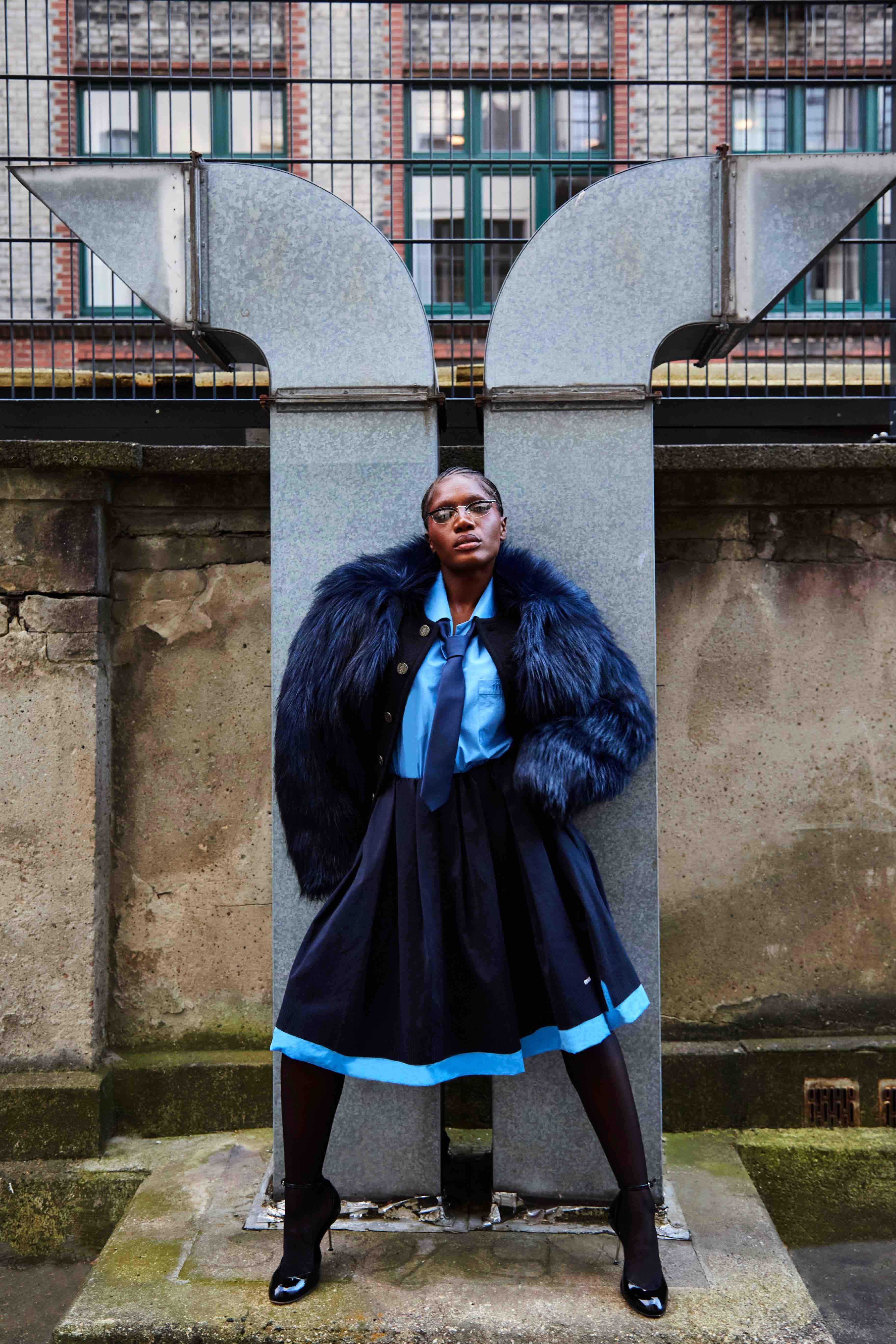
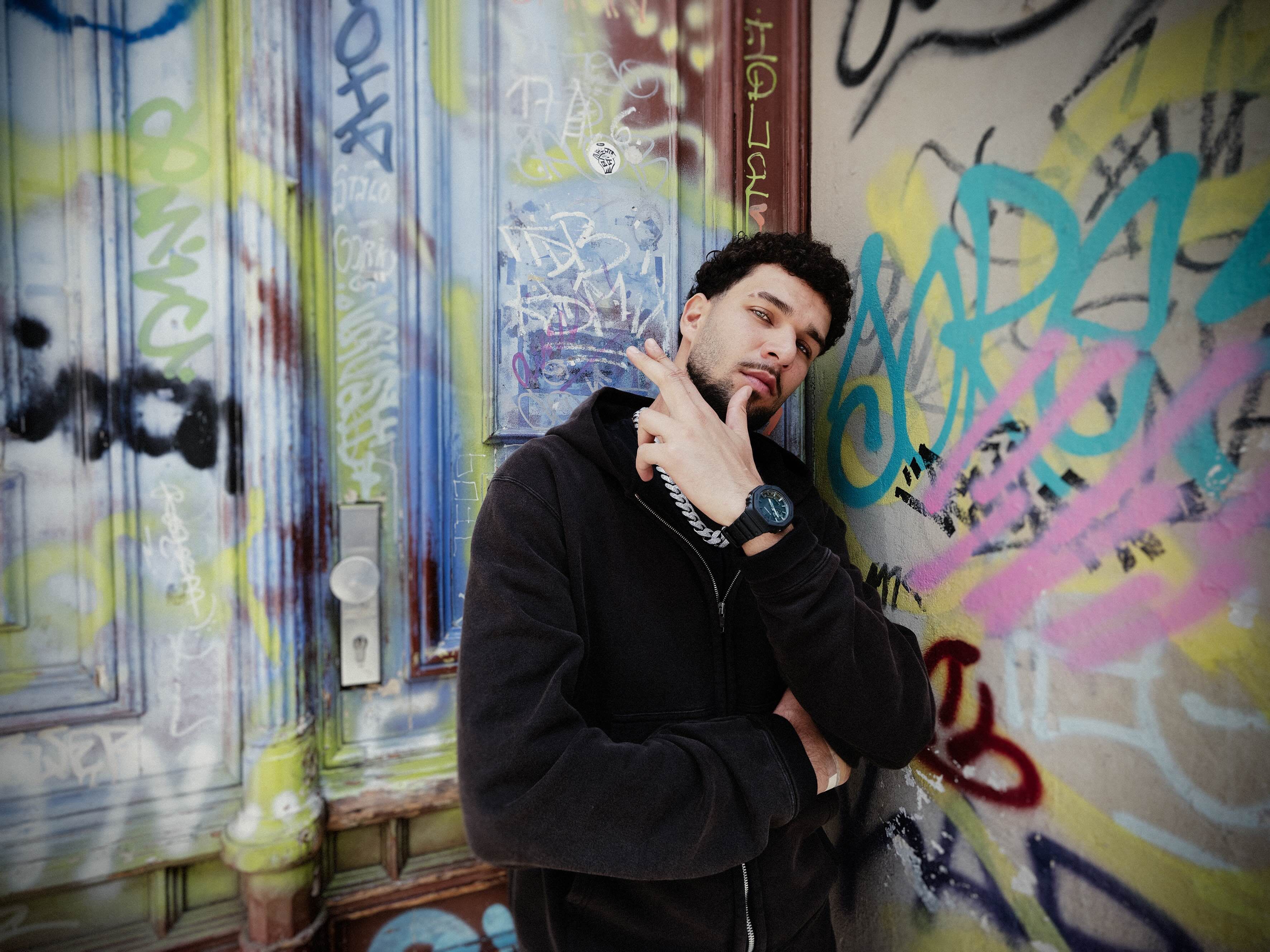
BE A MAN, THEY SAID: SKEPTA
|Jeanna Krichel
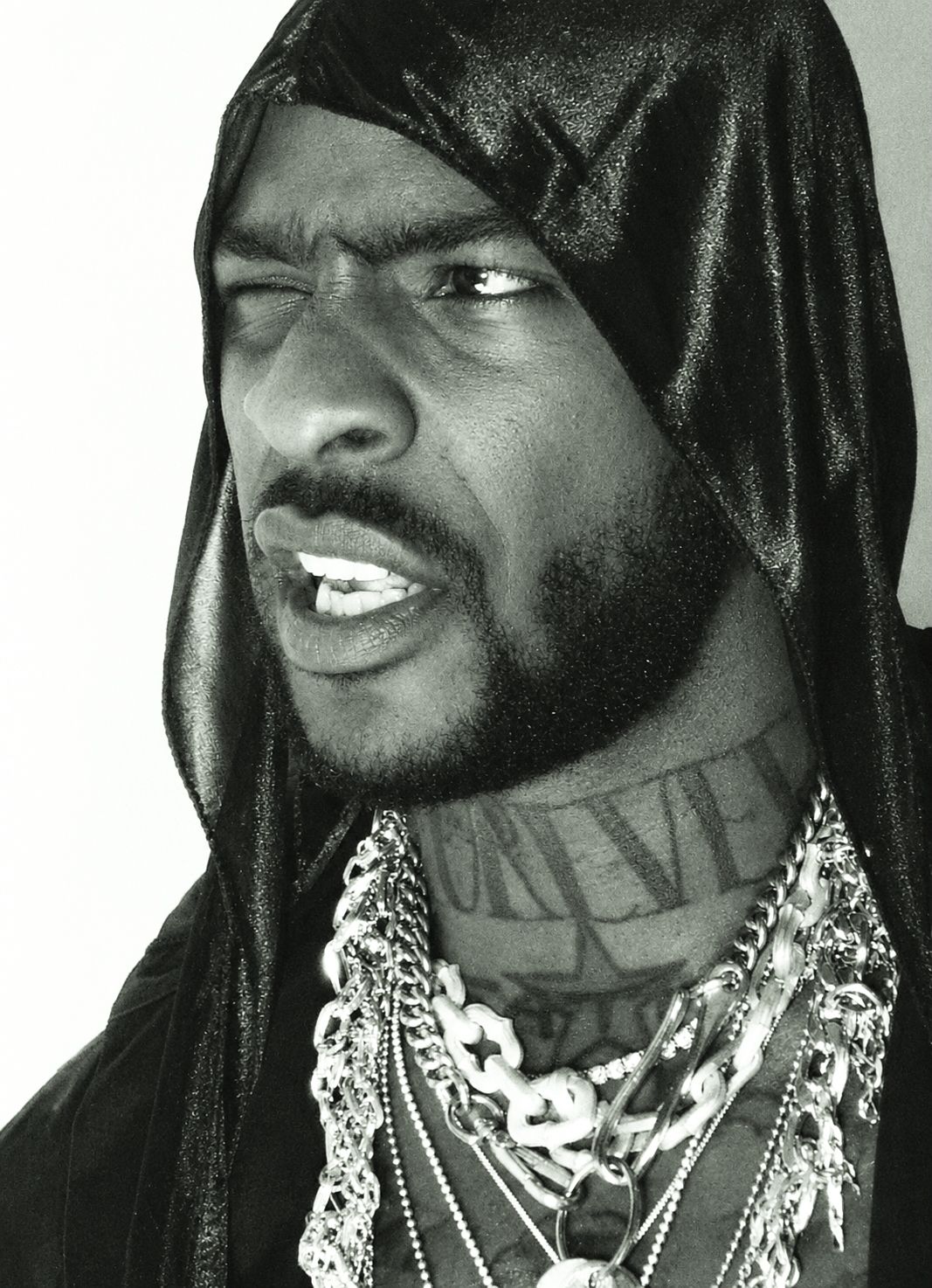
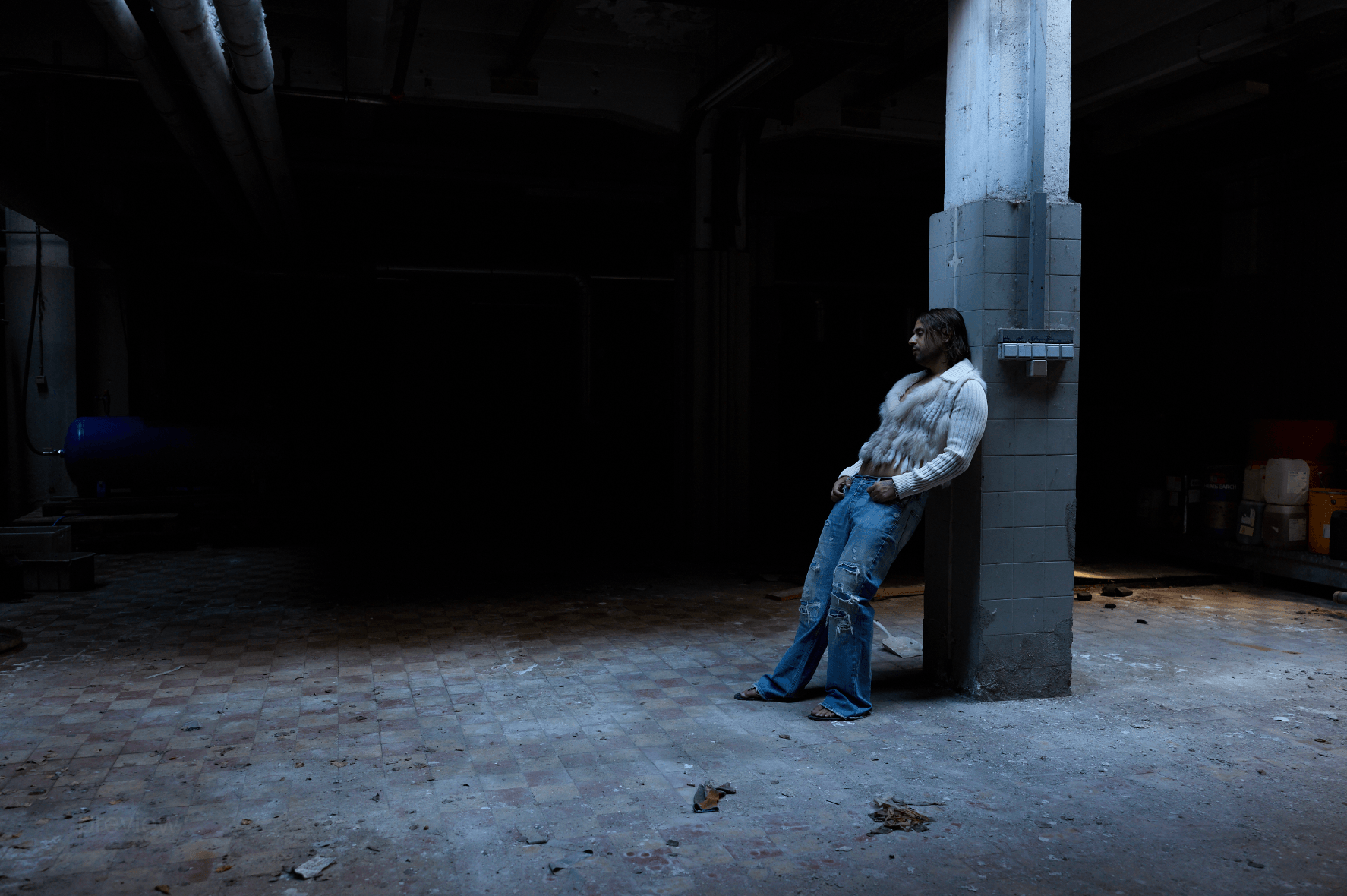
shirt SACAI, heavy chain necklace HOUSE OF MALAKAI, long chain necklace AKKESOIR, matches necklace AVGVST BERLIN, chrystal necklace SWAROVSKI, fork and knife necklace A. JEWELLERS, army necklace STYLIST’S OWN
Nobody rushes Skepta. A completely collected presence, the UK grime auteur, 032c's cover star of issue #40, has spent the last seven years working on the album The Fork and Knife till it felt just right. Set against a lush ethereal reverb, the album’s opening track “Secrets of Patriarchy” weaves together the rapper’s itinerary of school runs, Burberry fittings, marathon sessions in the studio, and phone calls with his aging mom. “At this point, I think work’s an addiction,” Skepta raps as he tabulates the grinding regiment of adulthood. “Can’t lie, I feel so run-down, so I guess tomorrow is a repeat prescription.” Skepta dispatches these bars with a veteran’s expertise, but the tone is one of wearied questioning—what’s the point of all this self-discipline? Whose expectations is he trying to meet?
The track is typical of an album that’s as panoramic in subject matter as musical influence. Personal maturity is a vantage point for Skepta to look backwards and forwards—at the promises and disappointments of a multi-cultural Britain, as well as the flourishing of a UK rap scene that has evolved alongside him. On the occasion of the album release, Jeanna Krichel spoke with the don of grime about the perfectionism of The Fork and Knife, the lessons he learned from his mother, and his hopes for his children.
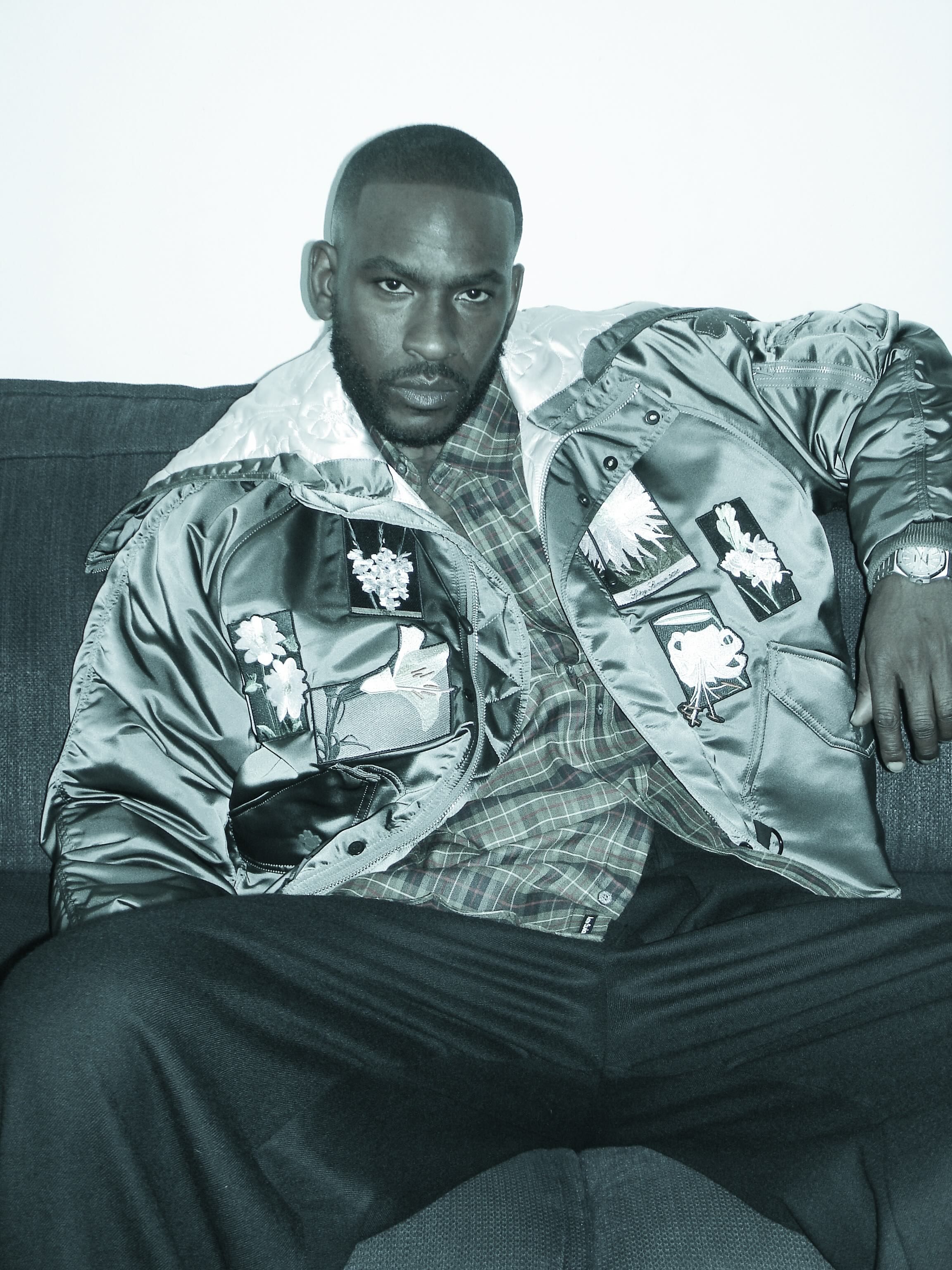
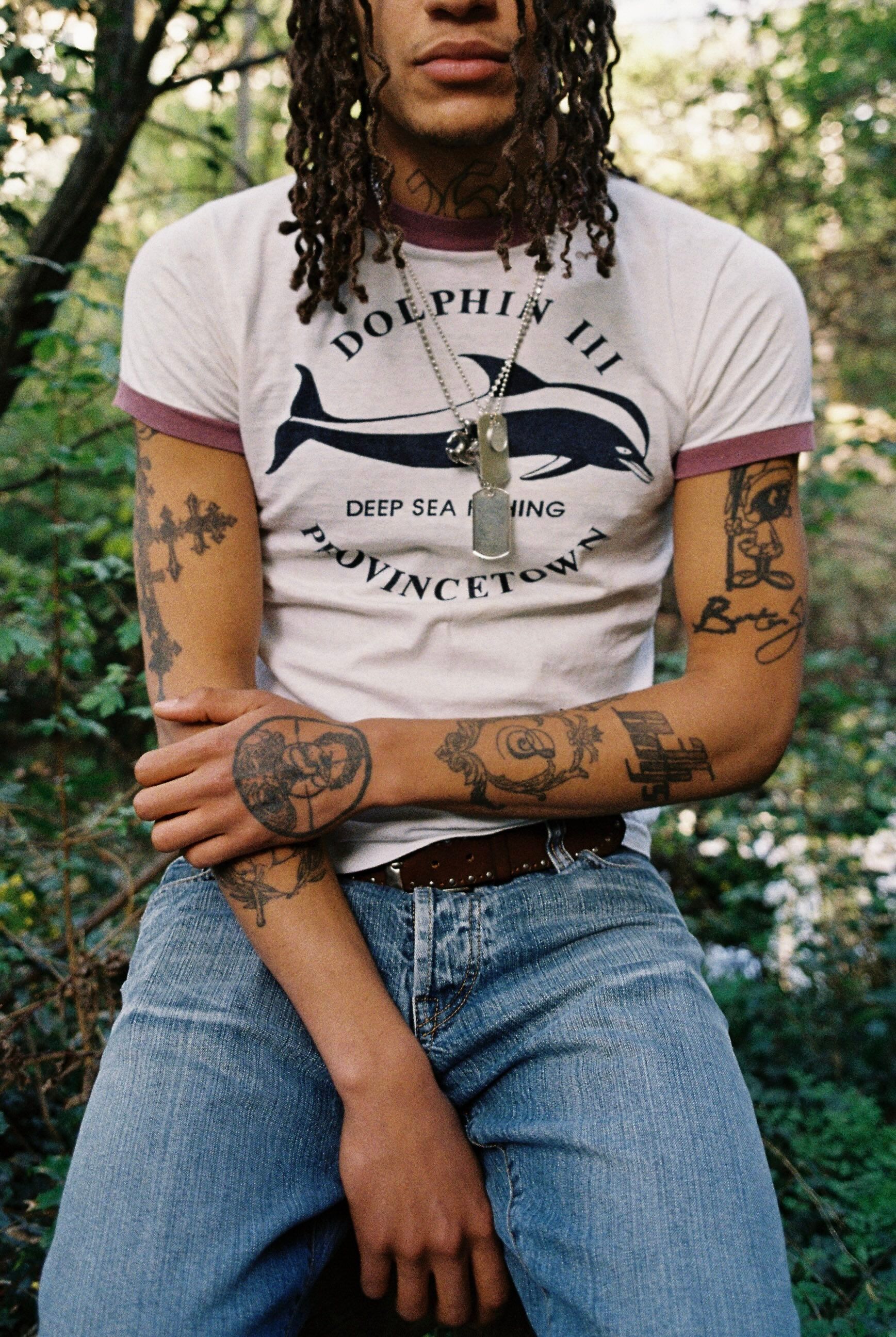
jacket ALPHA INDUSTRIES x CELINE BAHNSEN, shirt & shoes ACNE STUDIOS, trousers JUNYA WATANABE
Jeanna Krichel: How did you know when The Fork and Knife was finished and ready for release?
Skepta: I think you just know when it’s time. I could keep working on music forever, changing little things, going back to it. But there comes a point where you have to let it live. This album is a reflection of where my head’s at now. I said what I needed to say.
JK: You were born on September 19, 1982—Virgos are supposed to be extreme perfectionists. Is that true for you?
S: Yes, definitely. Sometimes too much so. I’m very particular about music, clothes, visuals, everything. If I’m putting my name on something, it has to feel right to me. I don’t really know how to do things halfway. At the same time, some things are better when they’re honest and a bit uncomfortable. I’m always going to be particular about how something sounds, but with what I was saying, I tried not to overthink it. You don’t need to polish every emotion.
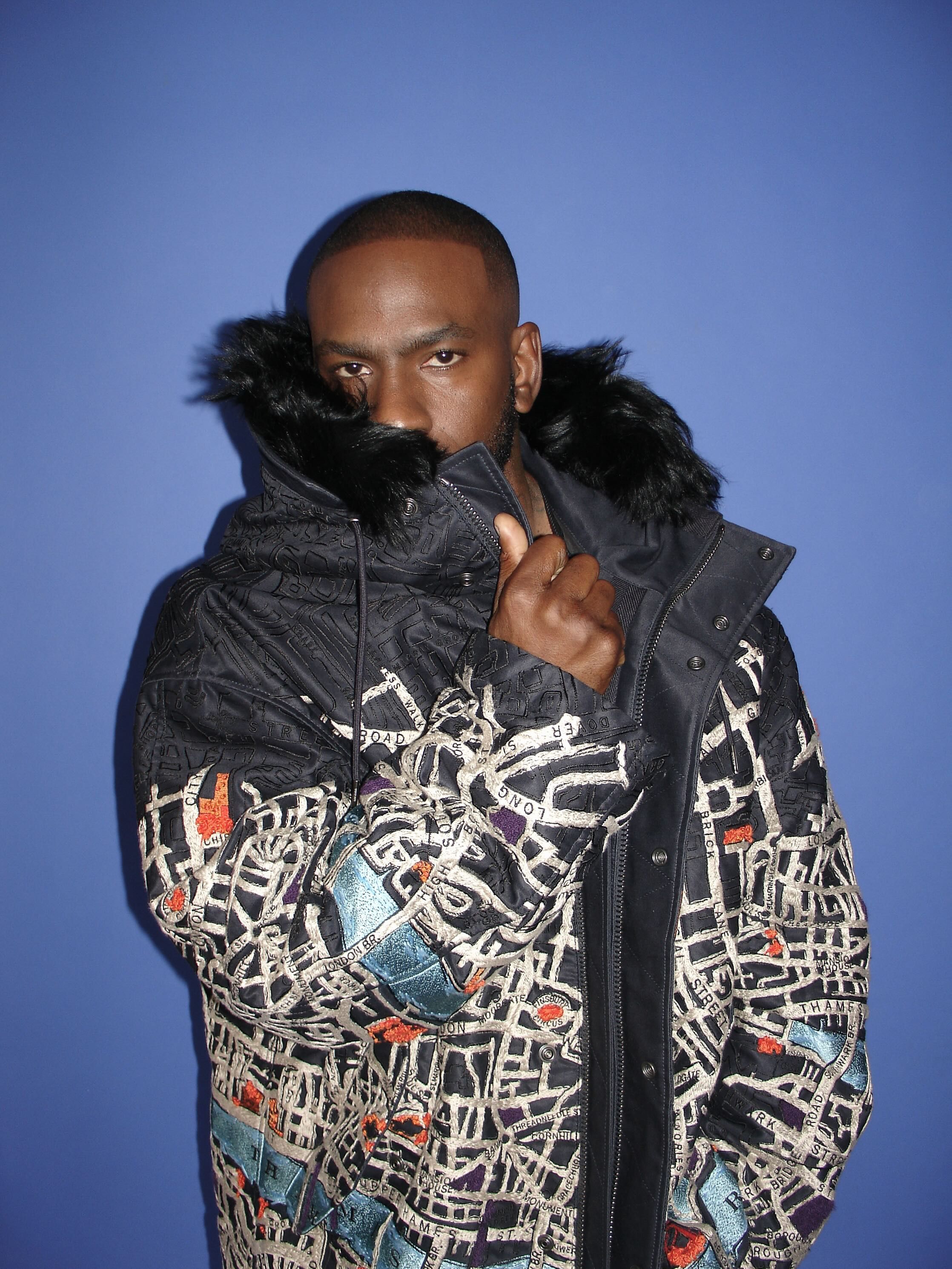
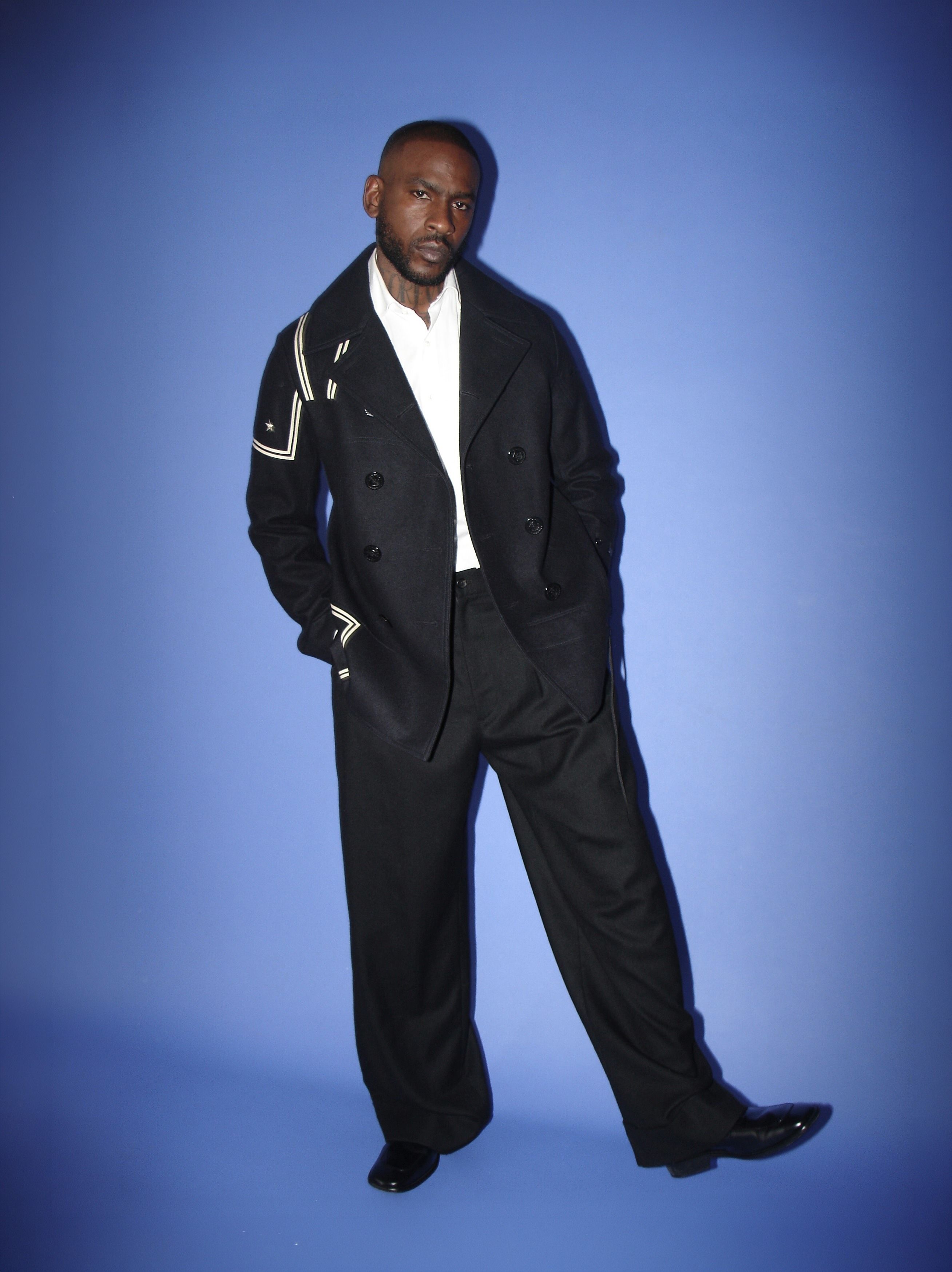
left: full look BURBERRY
right: full look JUNYA WATANABE, shoes ACNE STUDIOS
JK: You said that the album started out as a story about London before evolving into a more layered narrative of growing up as an immigrant child. Which song changed the most along the way and what did the first version sound like?
S: I think the whole album changed as I was making it. At first, I was looking outwards, talking about things I’d seen growing up in London. Then I started looking at myself a bit more—my family, the things I was taught, the things I’ve had to unlearn. That’s when it became something bigger than just a London story. “Innocent Smile” started off as a ska-reggae track, and turned into a big festival anthem. I’m really proud of that one.
JK: The cover is an old photo of you as a kid with your mum from the 80s. Why did you choose that picture?
S: I love that picture because it’s real. Before Skepta, before music, before anyone had an opinion on who I was, it was just me and my mum. I think when you get older you start looking at those pictures differently. You understand things about your parents and what they were going through that you couldn’t understand as a child. It doesn't matter what you’ve achieved or how successful you are, you still have to respect your elders.
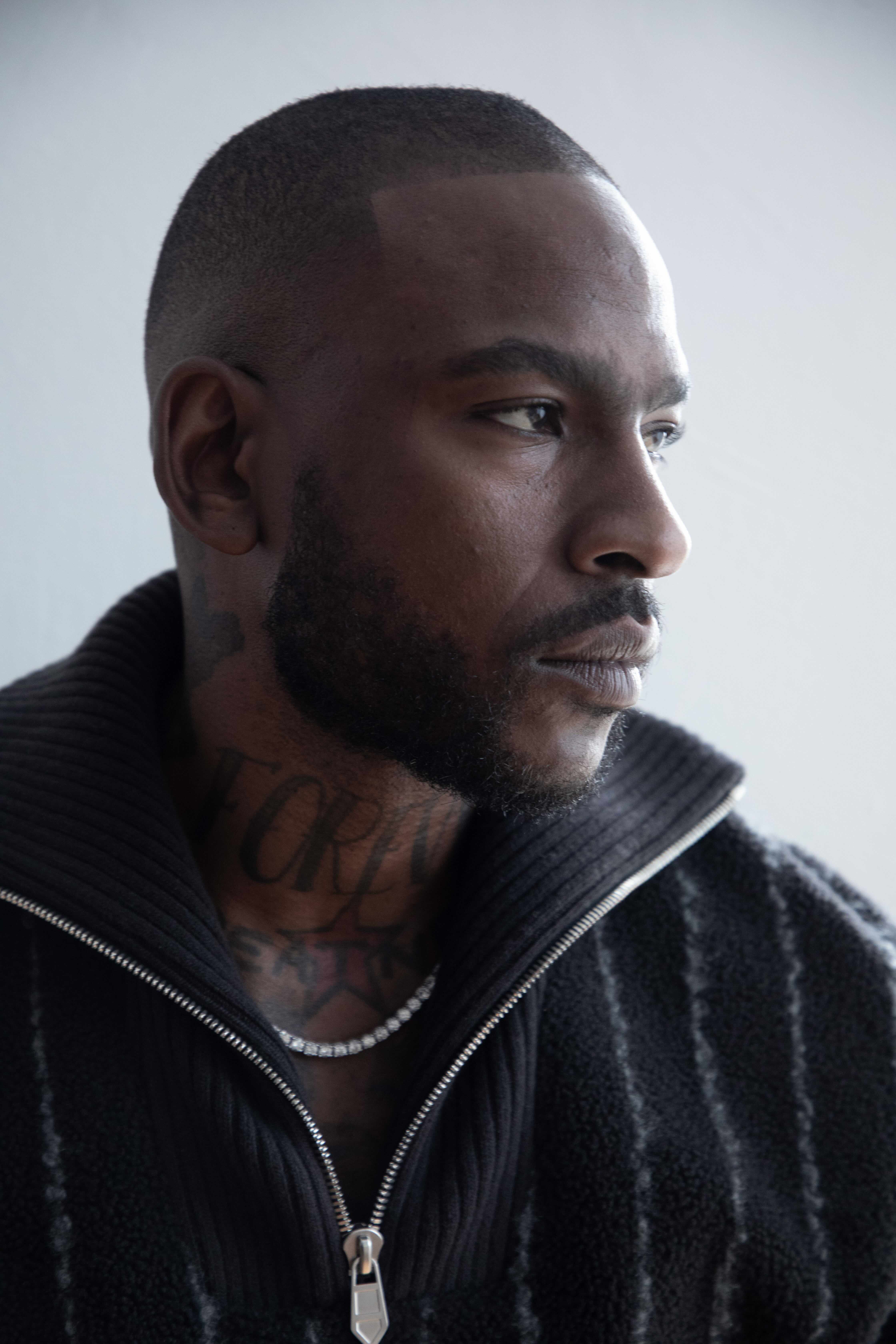
full look HERMÈS, necklace A. JEWELLERS
JK: What did you learn from your mom as a kid that you only came to value in retrospect?
S: Being sensitive. When you’re young, especially as a boy, you can think that showing emotion makes you weak. But you realize more as you get older that being able to feel things and understand people is actually a strength.
JK: As a father, what’s the most important thing you want to give to your son and daughter?
S: I want them to feel heard. Kids are people too. They have their own thoughts and feelings, and sometimes adults forget that. I want them to know they can talk to me about anything.
JK: The patriarchy is one of the album’s main themes. Do you ever notice yourself treating your daughter and your son differently?
S: Of course. I think that’s the whole point. You can be aware of something and still catch yourself doing it because it’s been ingrained in you from such a young age. I’m not sitting here saying I’ve got everything figured out. I’m learning as well. The important thing is being able to recognize it and question yourself.
I want my son to know that being a man doesn’t mean you have to be hard all the time. You can be kind, you can be emotional, you can ask for help. None of that makes you less of a man. With my daughter, it’s about what she sees. How I treat people, how I speak to women, how I carry myself. You can tell children anything, but they’re watching what you actually do.
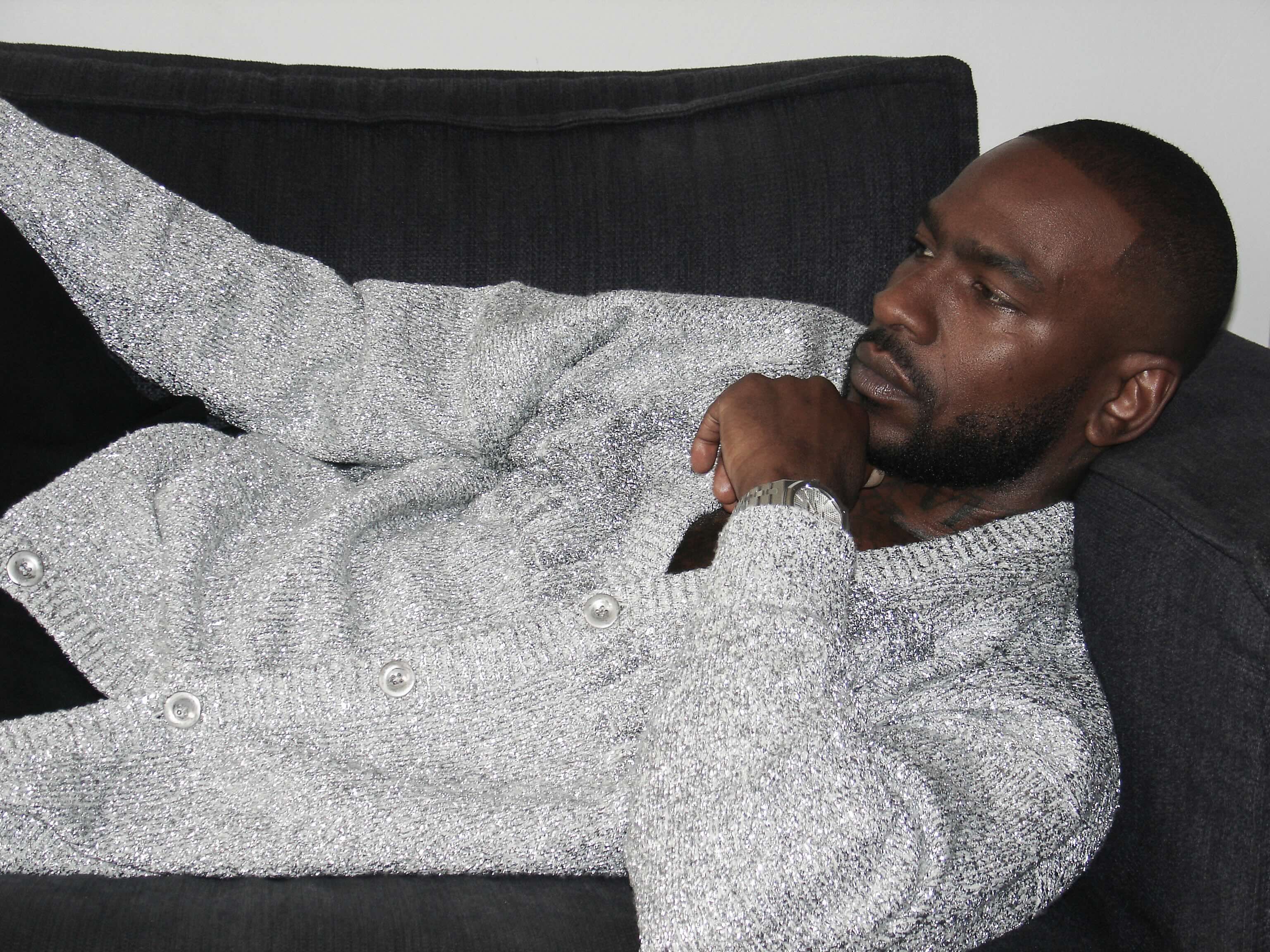
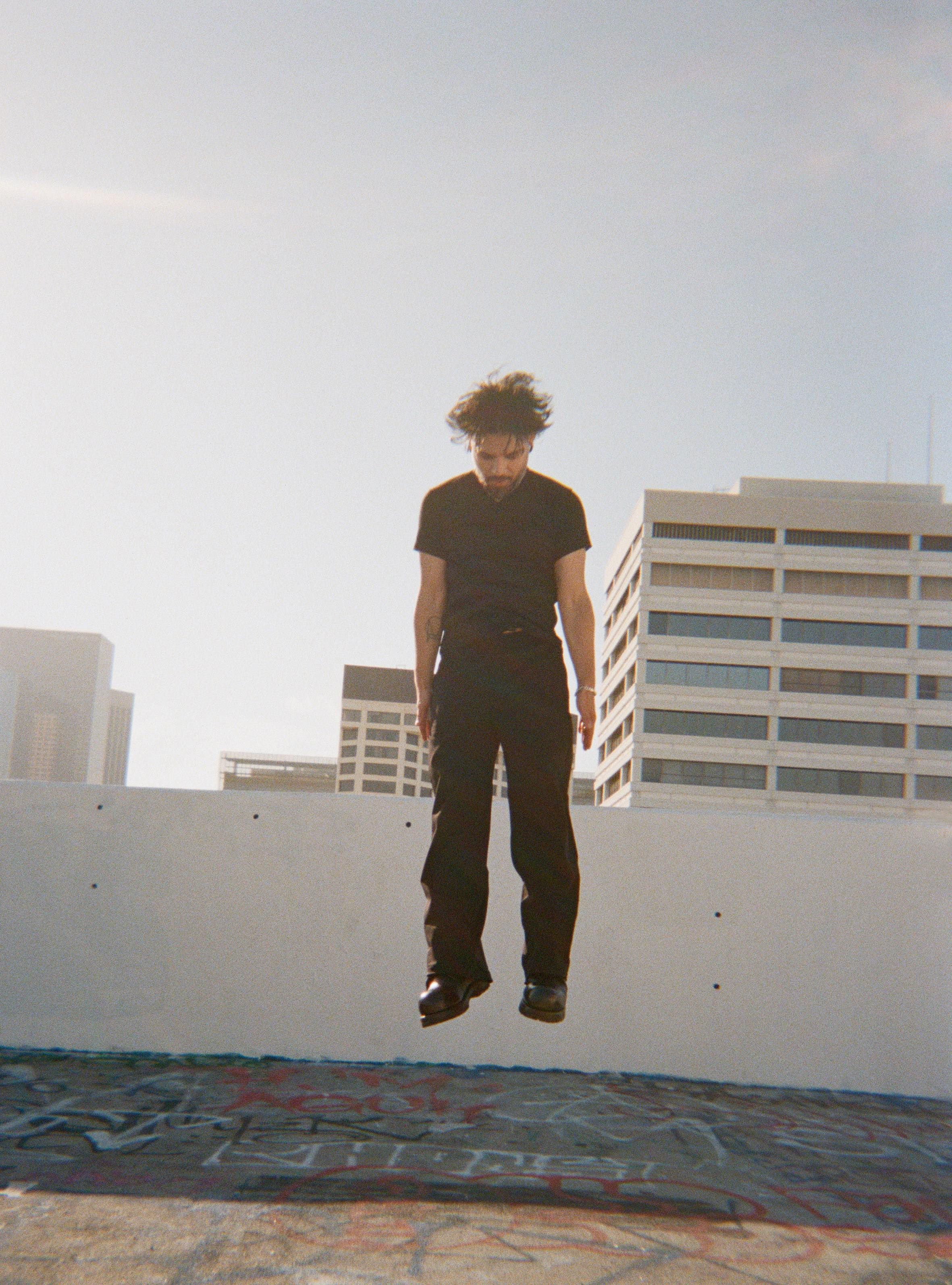
full look 032c
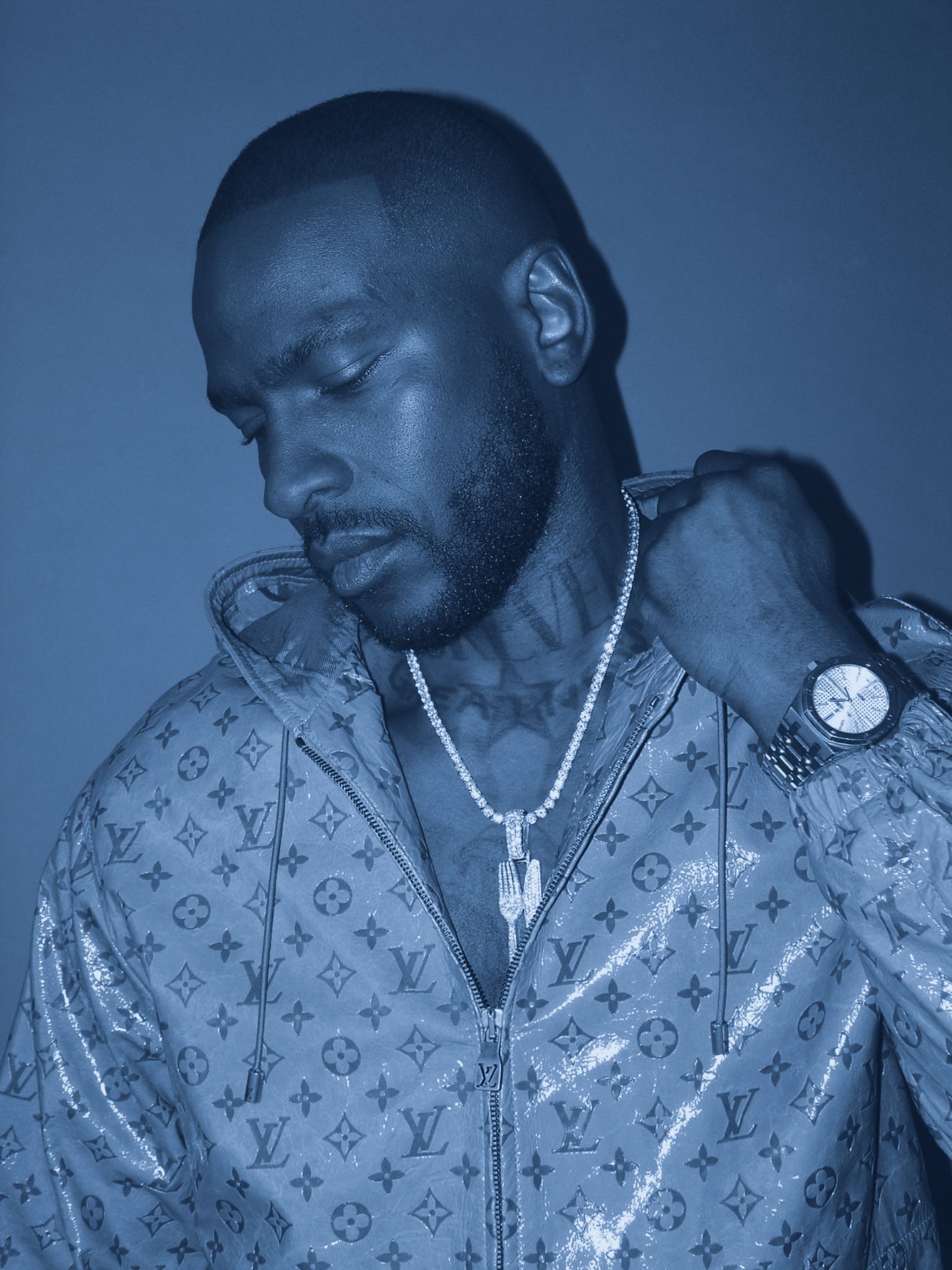
full look LOUIS VUITTON, necklace A. JEWELLERS, watch ARTIST’S OWN
JK: What parts of your childhood do you want to be the same for your kids and what parts do you want to be different?
S: The sense of community. Growing up in London, there was always something happening, always people around, music everywhere. That shaped me. What I wouldn’t want to pass on is the idea that you have to hide parts of yourself to fit into what people expect you to be.
JK: Is there something that got trained out of you as a little boy that you’d like back?
S: That freedom of not caring what anyone thinks. When you’re a kid, you just do things because you enjoy them. Then you get older and people start telling you what’s cool, what’s acceptable, how you’re supposed to behave. I’m trying to get back to that feeling of just creating without thinking about how it’s going to be received.
JK: Is there a gap between who you really are and how people perceive you when you walk into a room?
S: I think people have always had an idea of who Skepta is. That’s fine—Skepta is part of me, but it’s not all of me. I’m a father, a son, a brother. I’m interested in so many things outside of music, such as fashion, art, design. Fame makes people feel like they know you because they’ve seen you or listened to your music. But they’re only seeing what you’ve chosen to share. I don’t feel like I need to explain every part of myself to everyone anymore. The people who really know me know me.
JK: One last question: is there anything you’d never eat with a fork and a knife?
S: Chicken.
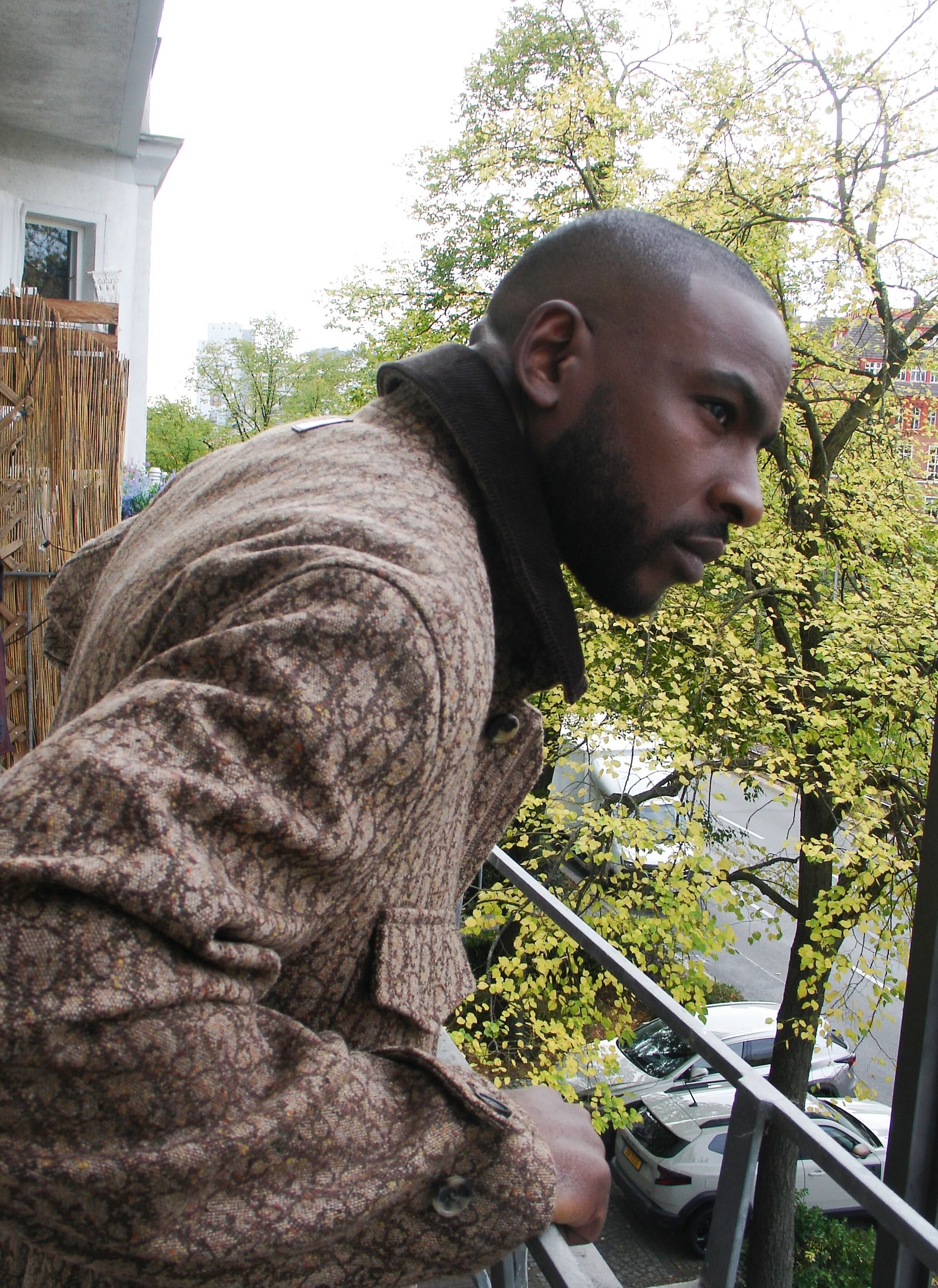
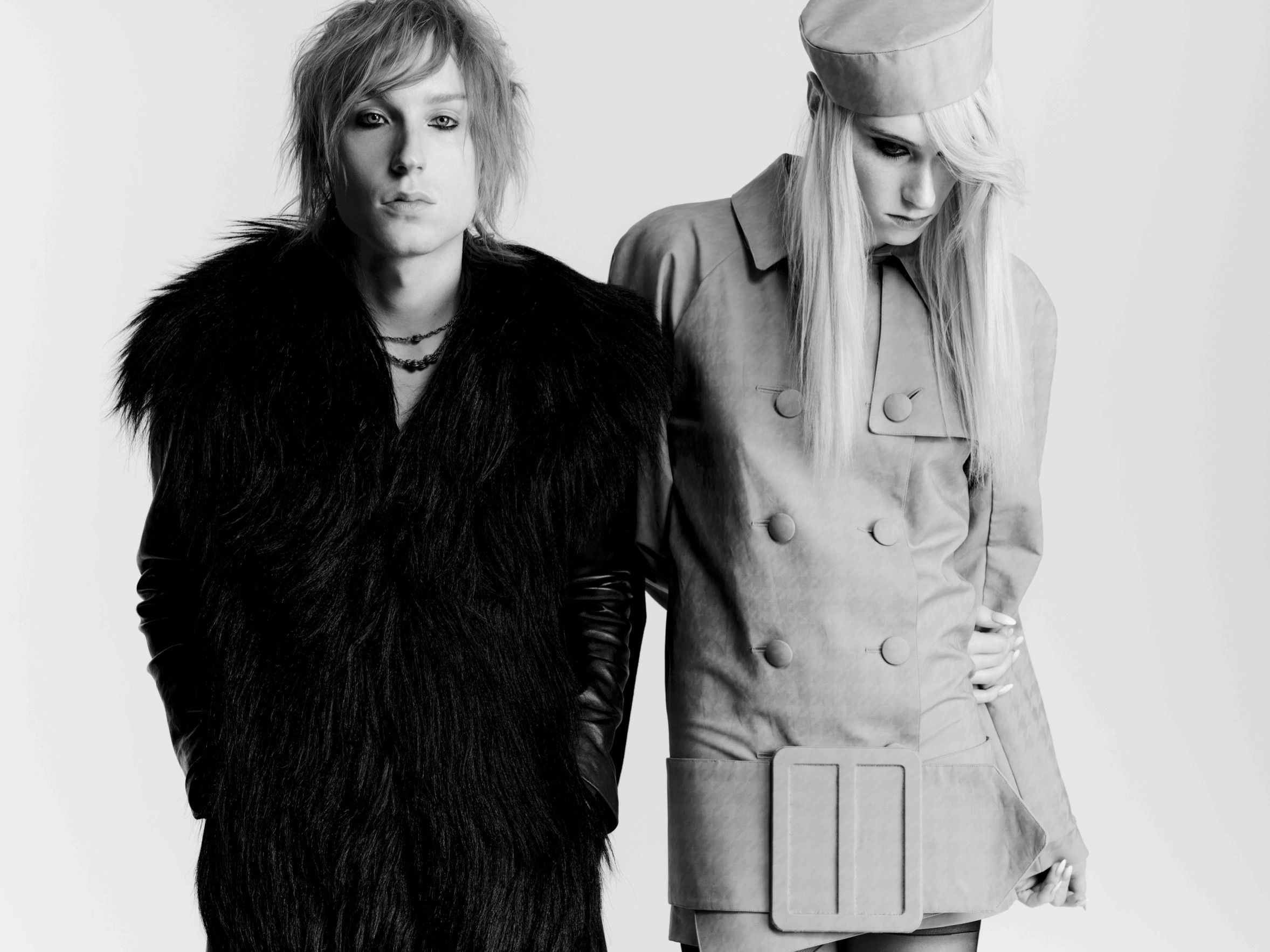
full look DIOR
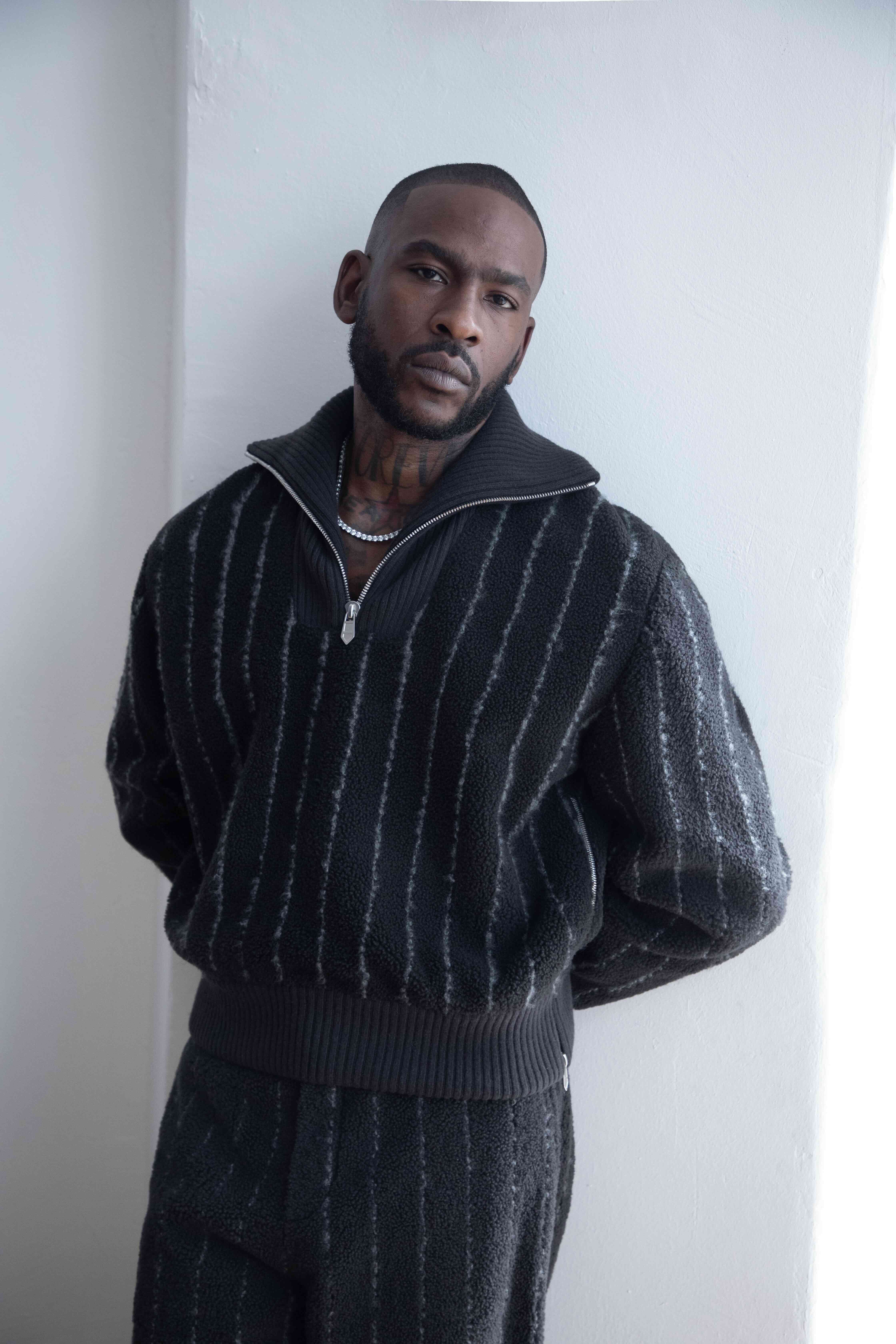
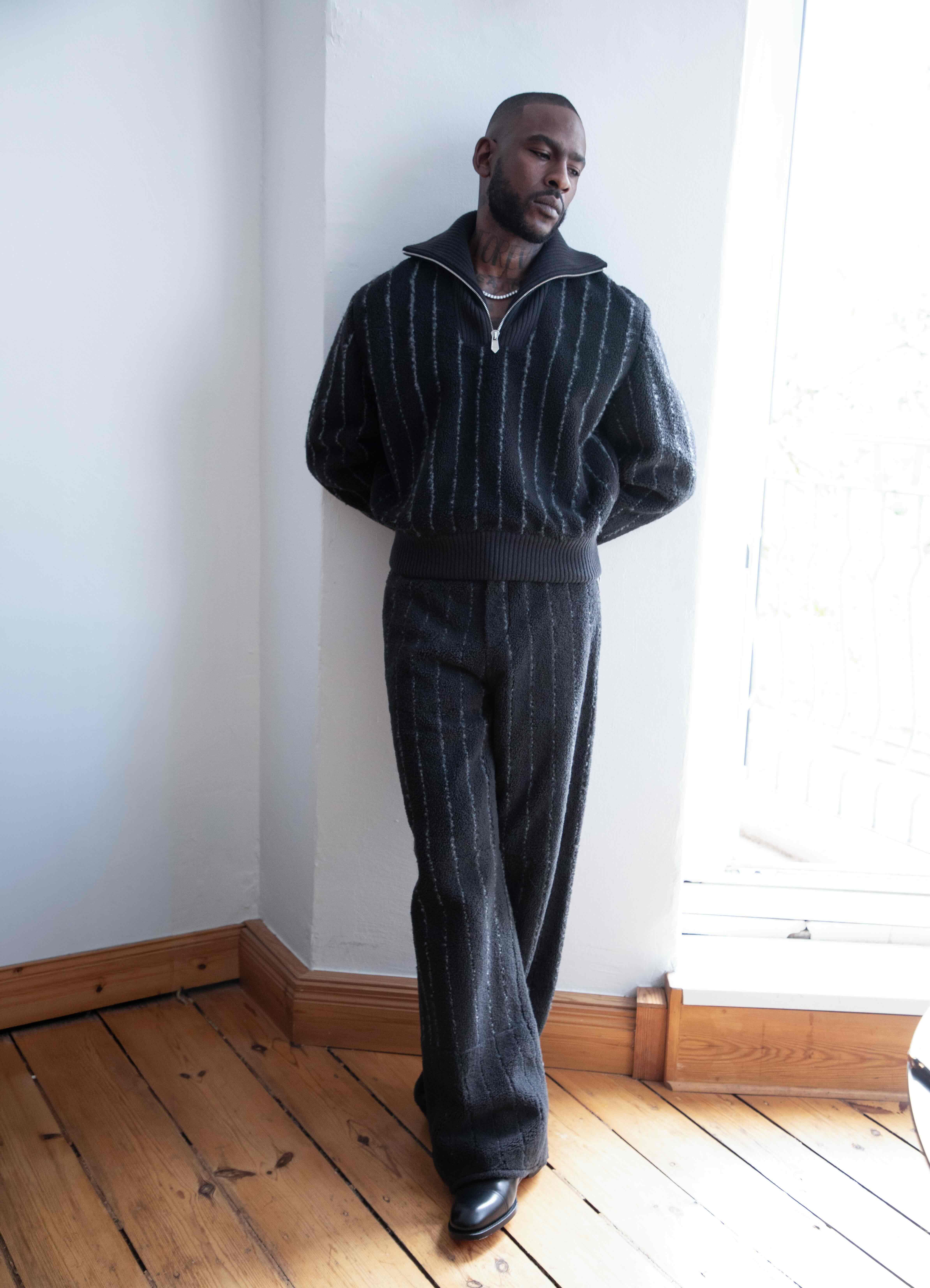
full look HERMES, necklace A. JEWELLERS
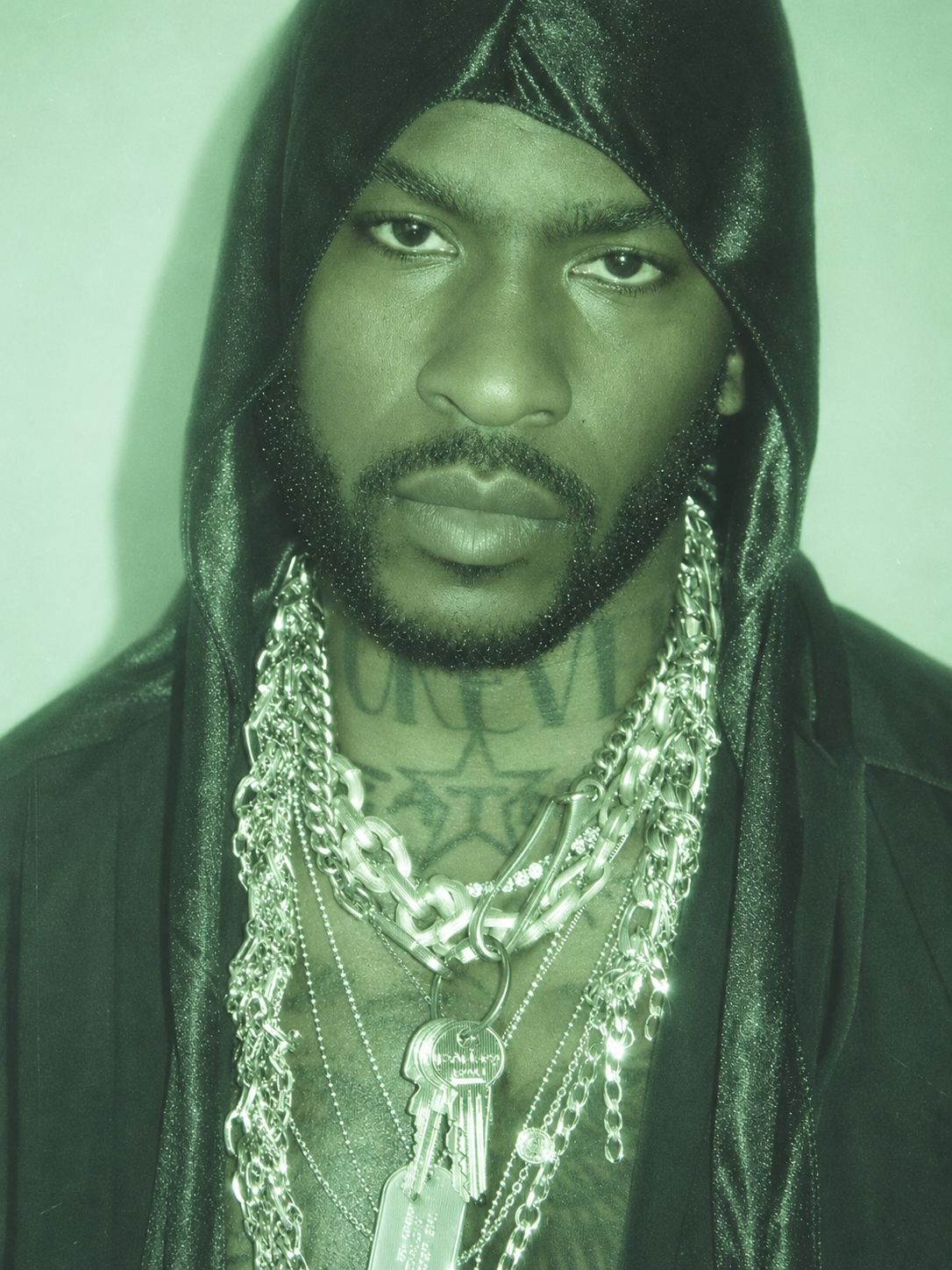
shirt SACAI, heavy chain necklace HOUSE OF MALAKAI, long chain necklace AKKESOIR, matches necklace AVGVST BERLIN, chrystal necklace SWAROVSKI, fork and knife necklace A. JEWELLERS, army necklace STYLIST’S OWN
Credits
- Interview: Jeanna Krichel
- Photography: Luke Abby
- Talent: Skepta
- Fashion: Jeanna Krichel
- Producer: Tithey Schulz
- Production: The Ten Percent Agency
- Senior Product Manager: Will McKinney-Raphelt via Epic Records Germany
- Makeup: Shanice Croasdaile
- Hair: Thomas Nana Yeboah
- Fashion Assistant: Franka Dehmel
- Fashion Assistant: Ellen Schuldes