The Agony of Defeat: Giulio Bertelli on Sports and War
|SHANE ANDERSON
Struggle, conflict, competition. The Greek word “agon” could mean any of these in the worlds of war and sports, and filmmaker Giulio Bertelli has explored their intertwining in his debut feature film.
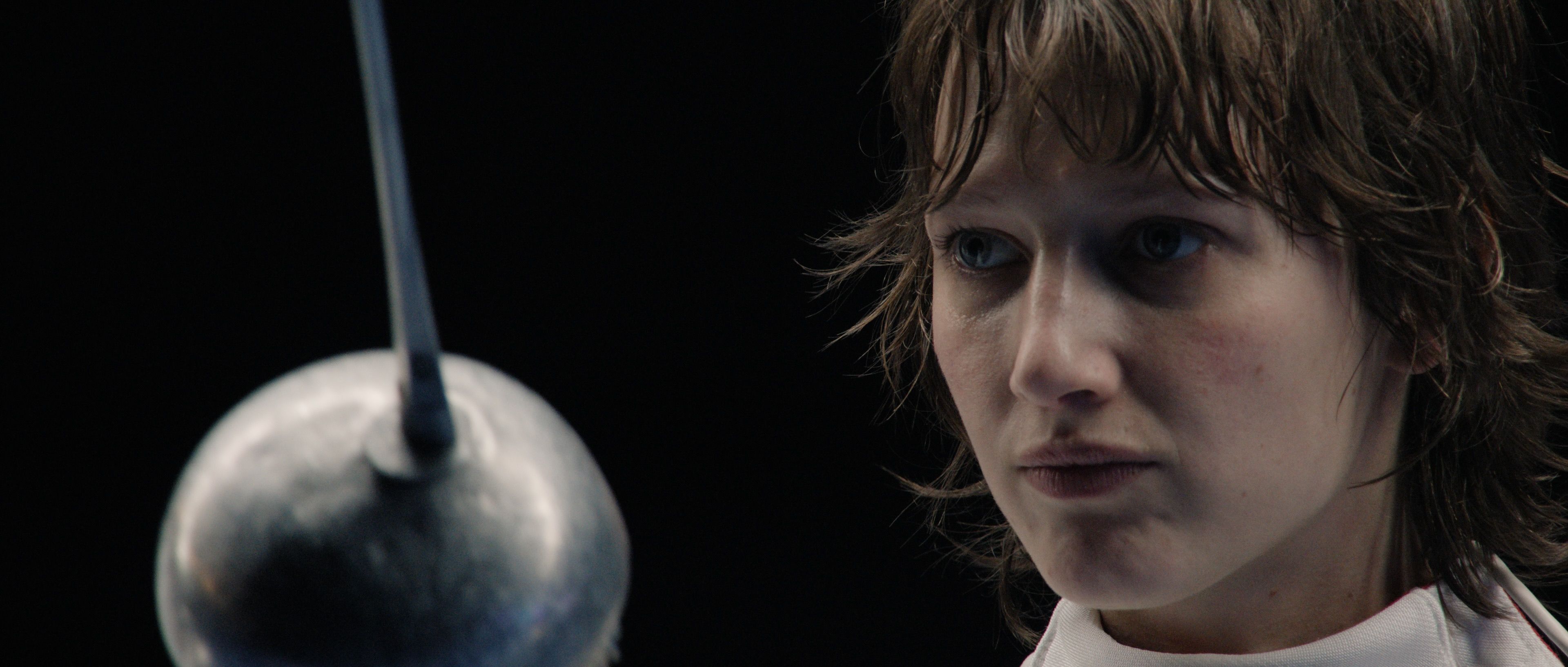
First premiered at the Venice Film Festival and now available on Mubi, Bertelli’s Agon depicts three female athletes who are unable to compete in the Olympics due to a conflict with their bodies, fate, or grave mistakes—and thus each has to face the agony of failure.
The son of Miuccia Prada and Patrizio Bertelli, Giulio Bertelli has taken a circuitous path to filmmaking. While developing stories in his head, he first pursued architecture in London and then worked as an offshore sailor. Competing as an athlete in the America’s Cup, he gained insights into cutting-edge technologies while also occasionally salvaging ships in the Caribbean. These practices have all fed into Agon, which is not only interested in moral and psychological questions but also a form of expanded cinema where narration has real consequences in the world. For Bertelli, a story is a way to effectuate change, no matter how small. Here, he speaks to Shane Anderson about sports and war, designing for the world in cinema, and loving Top Gun (1986).
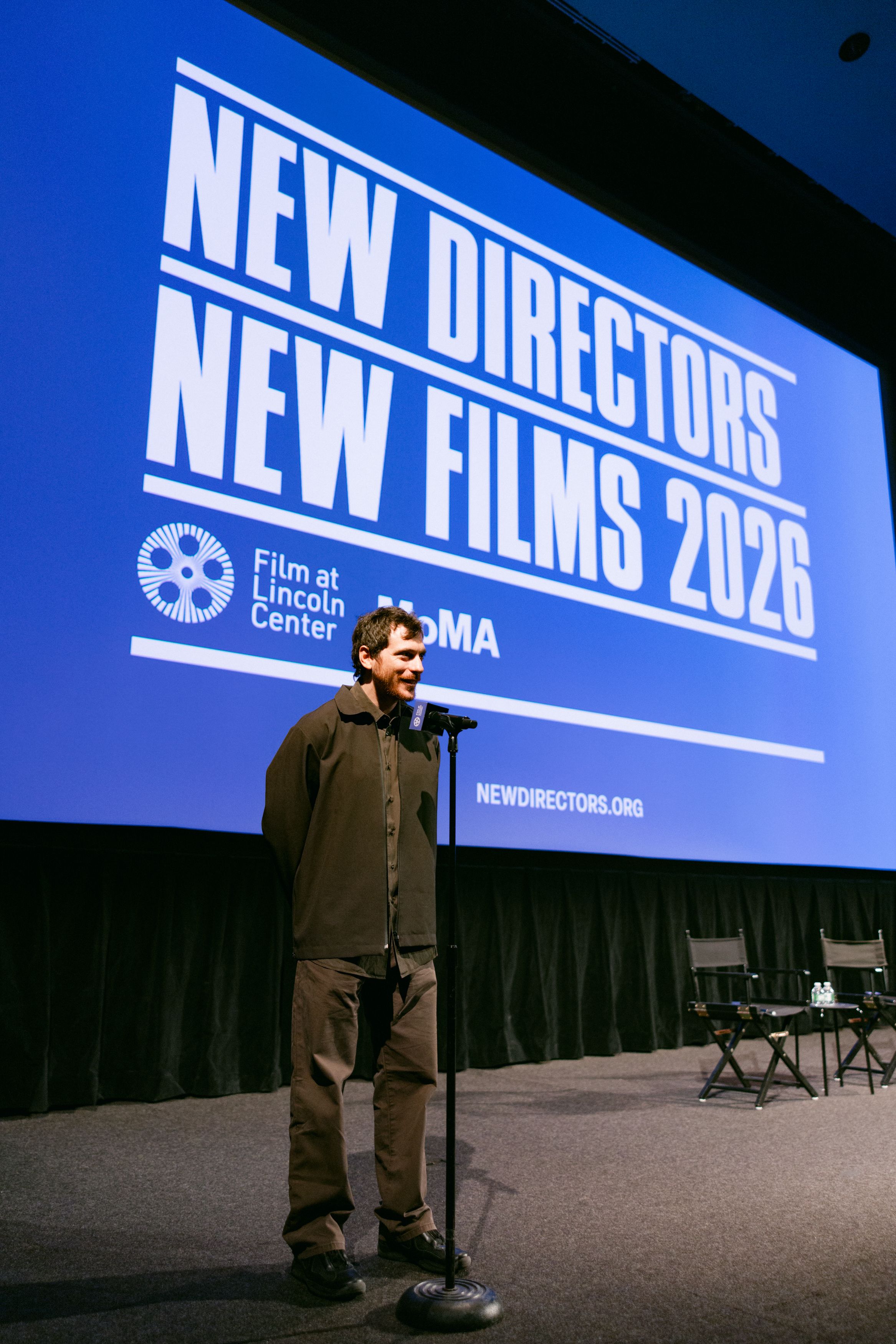
Shane Anderson: You’ve done many things, but have now turned to filmmaking.
Giulio Bertelli: I’ve always believed in doing multiple things—and I see cinema and writing for cinema as a design tool. They look at the world and imagine realities while telling stories. I’ve always believed in the interaction between an imagined story and all the things a story can give.
SA: How did you get into film?
GB: I grew up with the idea of film being the language I wanted to use to tell my stories and look at the world. I think that came from falling in love with Italian political cinema from the 1970s, such as directors Elio Petri and Francesco Rosi. I thought cinema was a great tool that operated between entertainment, pattern recognition, and understanding. It’s about re-elaborating what’s happening as well as what may happen in the future.
Although I thought this was something I’d like to do, I also had a very strong interest in technology and architecture.
SA: Which you studied. Did you want to become an architect too?
GB: I never wanted to work in architecture, but I studied it at the AA School in London with an emphasis on architectural theory and video-based design. During my second year, I found my story, the film I really wanted to make, but I saved it for the future. All the same, something clicked in me about wanting to do it. Anyway, I left university and started working in sailing.
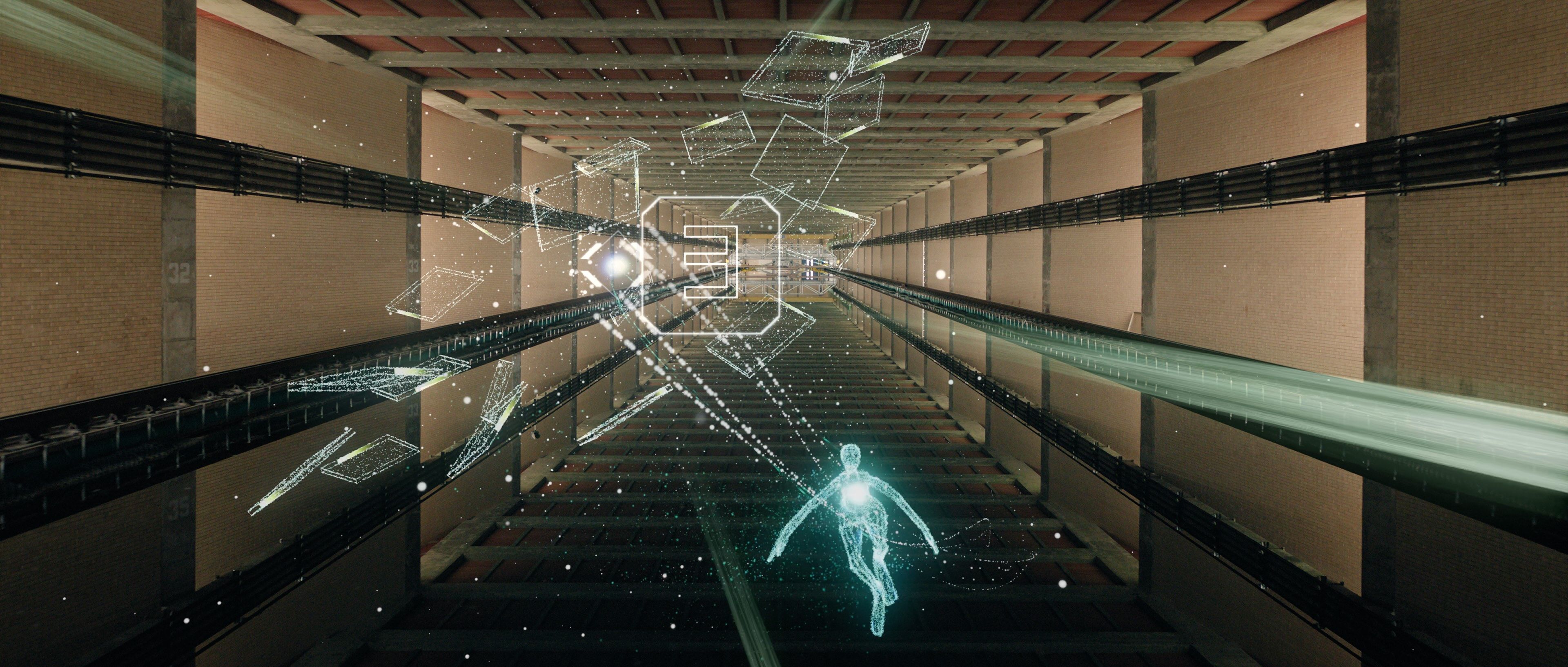
SA: You even competed in America’s Cup. What was being a professional sailor like?
GB: It changed my life, in the sense that I had an interim period of about 10 years. Initially, I thought I’d just be writing and figuring out how to start working in cinema, but I got sucked into an industry that I fell in love with. I worked as a technician, sailor, and professional athlete on offshore boats all around the world. You see, it’s very common in offshore sailing for people to be athletes but also work on the technical side.
SA: Your brother was also a racing driver.
GB: Yes, but his racing career was based on talent. He was just a really fast driver. But for me, it was more of a professional career. I’ve done all kinds of jobs in the world of sailing. A week ago, I was on a salvage project, recovering a capsized boat off the Caribbean. And I once spent a year in Lisbon just doing electrical work on boats.
SA: It sounds like you were the black sheep.
GB: Not the black sheep. It was more like, “Where’s Giulio?” “Who knows?” “He’s somewhere out in the world doing God knows what.” I didn’t exactly reply to texts all that often.
SA: You never wanted to join the family business?
GB: I always had a great relationship with my mom and the world of fashion, which I really love. Or rather, I really love the industry aspect—its actual complexity and not the celebrity aspect. It’s interesting to think that fashion is associated with a lot of prejudice, but if you look at it with clear eyes, it’s one of the highest forms of design and we use it to protect ourselves. It’s both the first layer of protection and the first form of personal expression.
SA: While you were sailing around the world for all these years, did film disappear?
GB: I was thinking about multiple films while having this very physical, technological, and practical career, and also teaching as a visiting lecturer at the AA School of Architecture. So, I was keeping a foot in different worlds.
After I came off a big sailing campaign, I thought, it’s now or never.
SA: And this is the film you’re now showing?
GB: Yes. But I actually started developing Agon as an animation. At some point, though, it all clicked into place as a live action movie.
SA: It sounds like you’ve lived with this story for a long time. What did you enjoy more, the writing or the directing?
GB: Well, I really like doing research and reassembling ideas. I enjoy doing a very thorough investigation because it really triggers my fantasy. And the writing was a bit strange since it started out as an animation. The story was much wider and more international—sort of like an epic about the Olympics. Originally, I was in conversation with friends and we thought about writing an animation with a modern version of Jeanne d’Arc. She was meant to be a fencer who had to stand trial. We thought about what would happen if she killed someone and a political thriller started at the Olympics. But as the film grew and changed, becoming a live-action film, we became more selective. We started to dig really deep into understanding what needs to go and what needs to stay—to extract the essential elements.
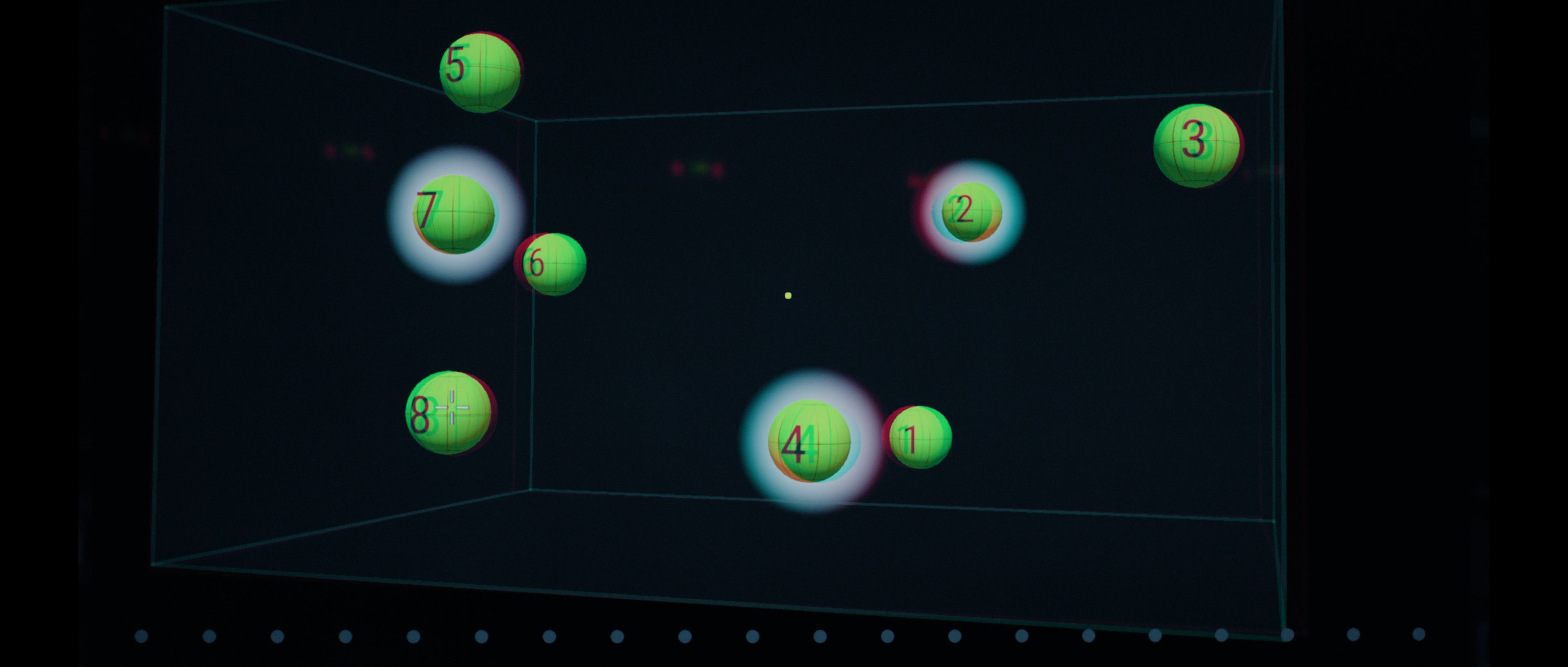
To do that, we needed to decide how to represent a fictional Olympics. When I started working with Michael Rock, we asked ourselves a lot of questions: What are the Olympics? What are sports? What is a sports arena? The history of cinema and the history of sports have always run head-to-head, going all the way back to Leni Riefenstahl using the very best technology to record sports in the stadium. But we wondered what would happen if we brought sports to the place that’s best suited to film—that is, to a soundstage.
SA: And the shooting?
GB: I think the shooting came very naturally to me. To some extent, post-production was the hardest and most stressful, but it was also the moment where I really felt like I was doing me. I was just with the material and trying to put things together.
SA: The movie’s about an imaginary Olympics, and you’ve been an athlete for much of your life. How are sports and creativity related?
GB: The world of offshore sailing has really shaped my imagination. The ocean also has a whole geopolitical dimension to it. It’s a place for war, trade, fishing, and sports (for around a century). Then there’s the whole trope of the ocean outlaw that I find fascinating. Part of this found its way into Agon in that all the states are competing in sports, and it’s a form of simulated warfare using sports as a tool for soft power. Then there’s the aspect of technology. In America’s Cup, for instance, you have a very first-hand interaction with the newest technologies.
More generally, sports are useful in that, as an athlete, you know that it is your duty to be competitive. And I don’t mean competition as a byproduct of envy or jealousy. I mean it as a very honest relationship with yourself about trying to do your best. You know, it’s funny, if someone asks you whether you’d like to win an Oscar, you’re supposed to answer, “No, no, no. Me? Absolutely not.” But the reality is that most people would love to—or at least that’s my assumption. Sports allow you to have a very direct and honest approach to what you’re trying to do as a competitor. Competition is only allowed in sports and war.
SA: Is that related to the title of the film?
GB: “Agon” is a Greek word that’s about struggle, conflict, and competition. It was used in various contexts: sports, military, literature, and courts. Back then, the borders between theater, competition, and war were more blurred. My argument is that this is still the case—or rather, that we’re going back there.
It’s also the root of agonism and agony.
SA: One of the things that interested me was that the movie is all about failure.
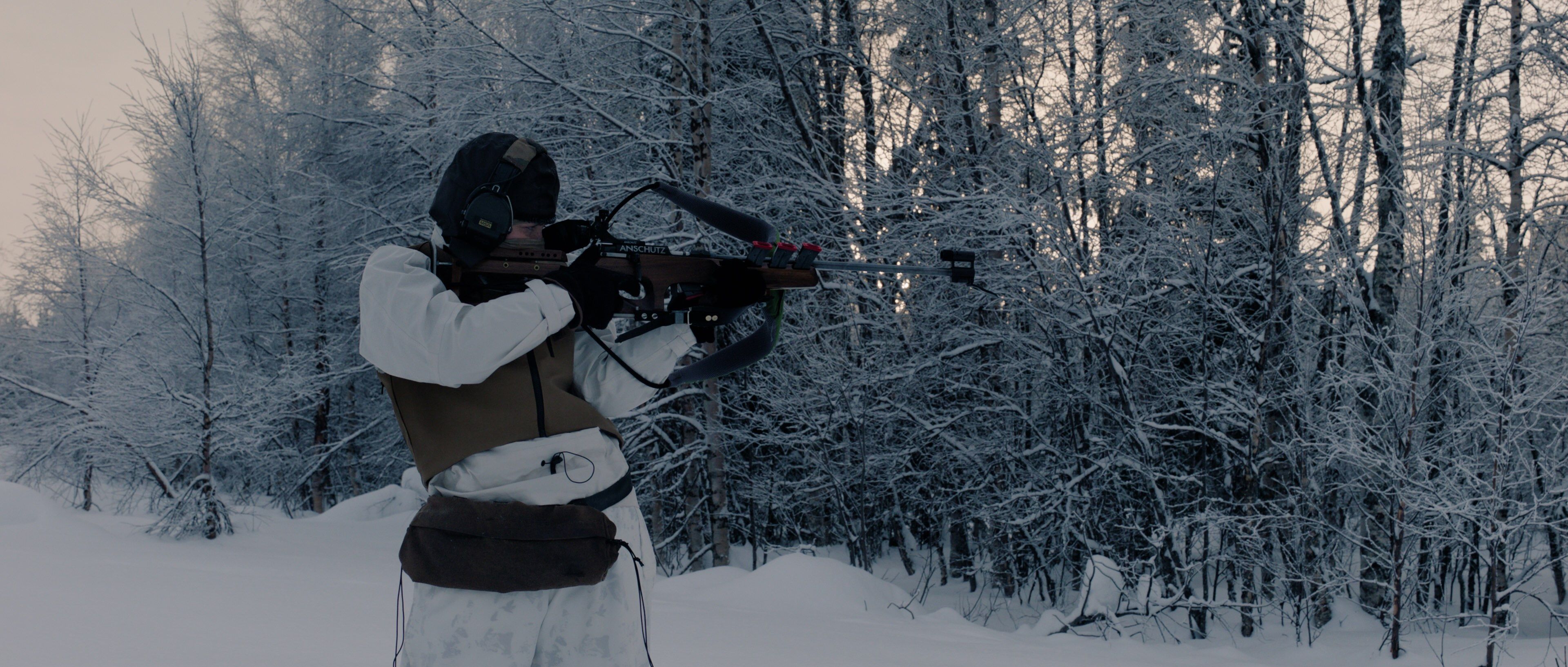
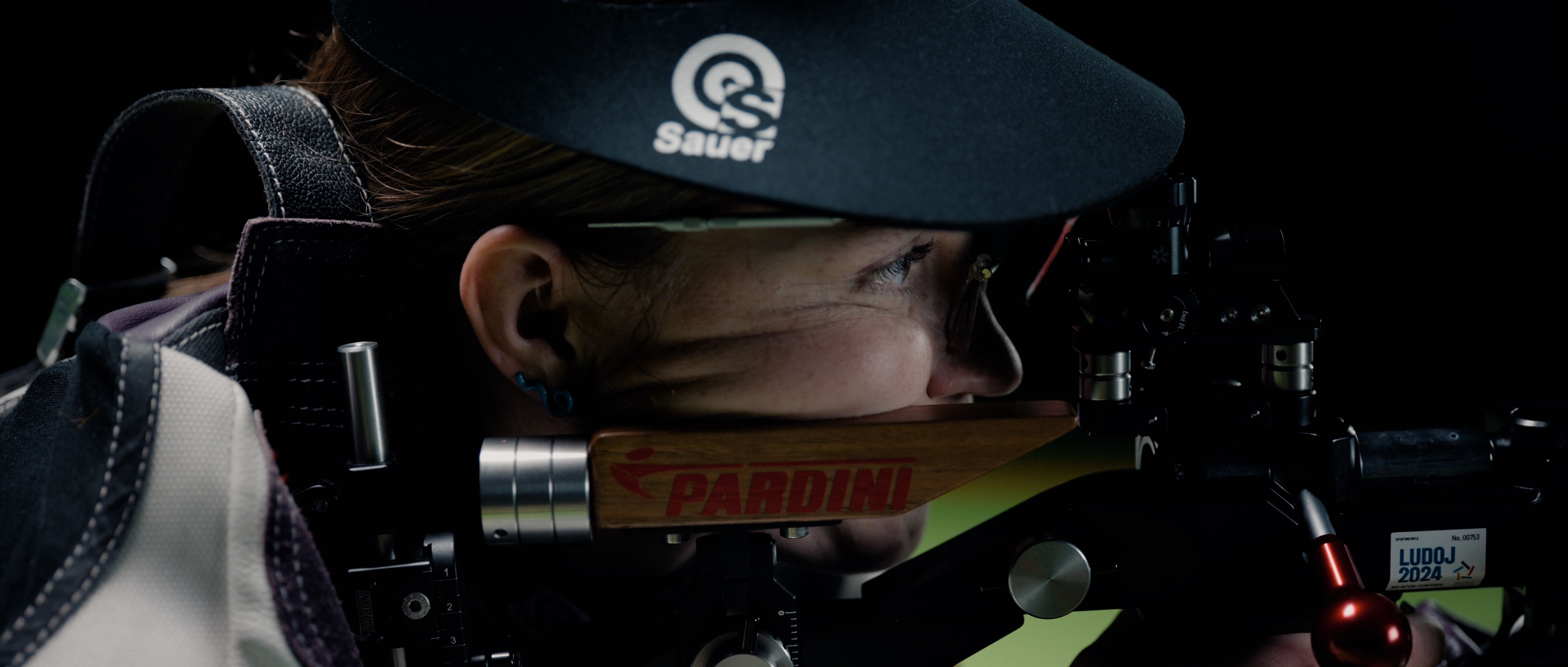
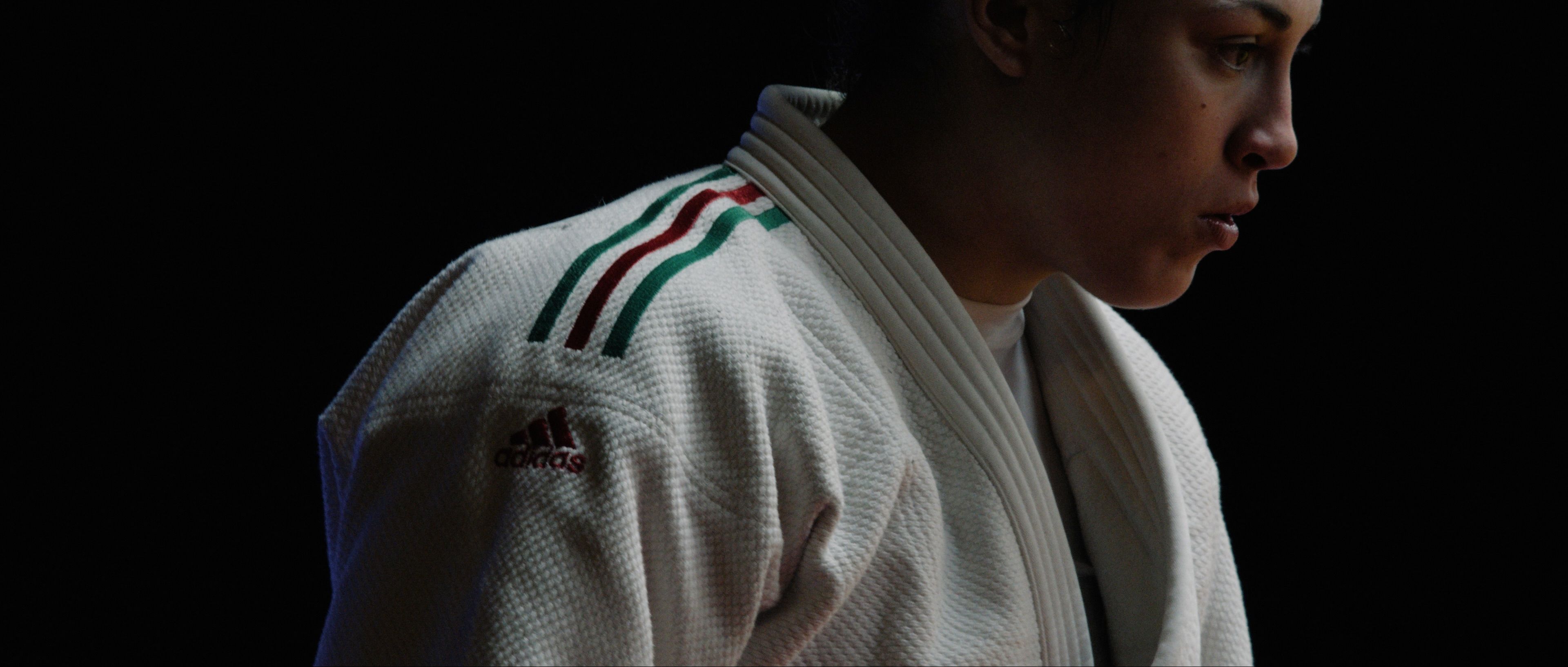
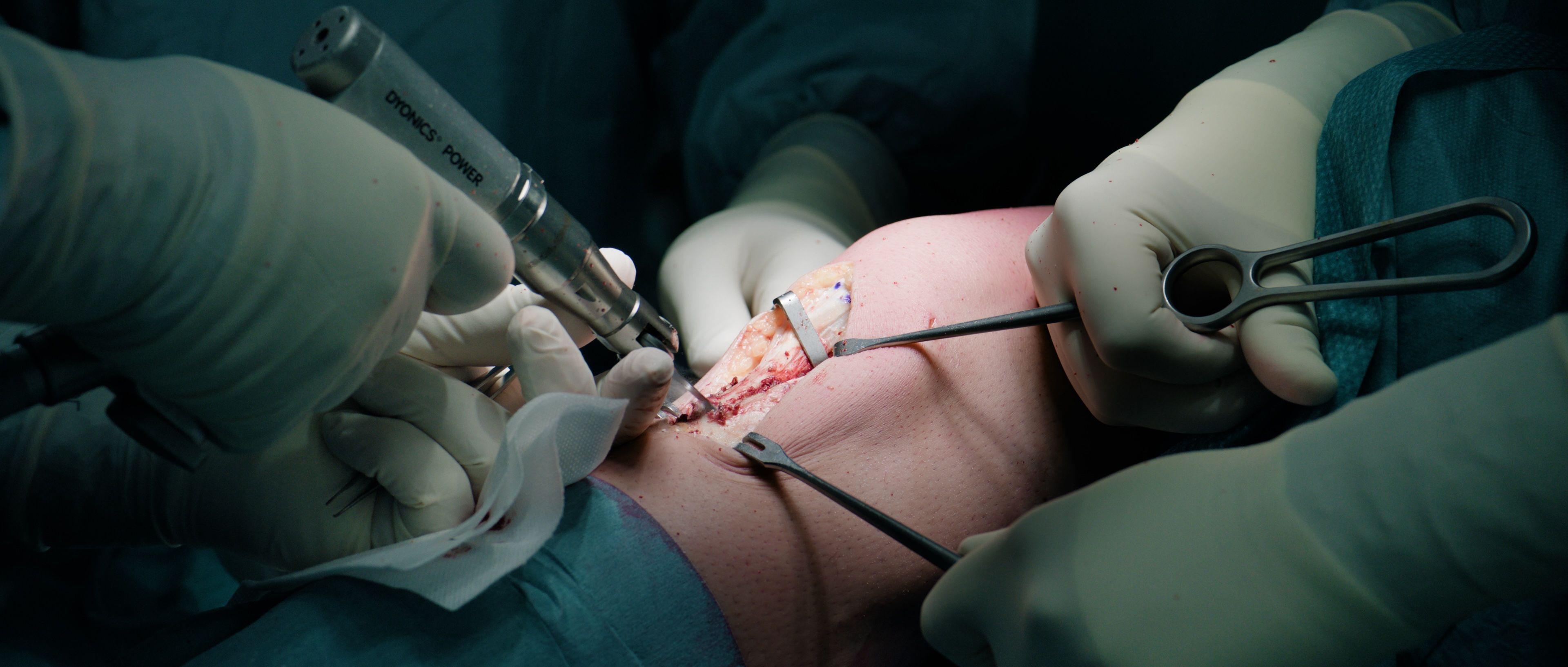
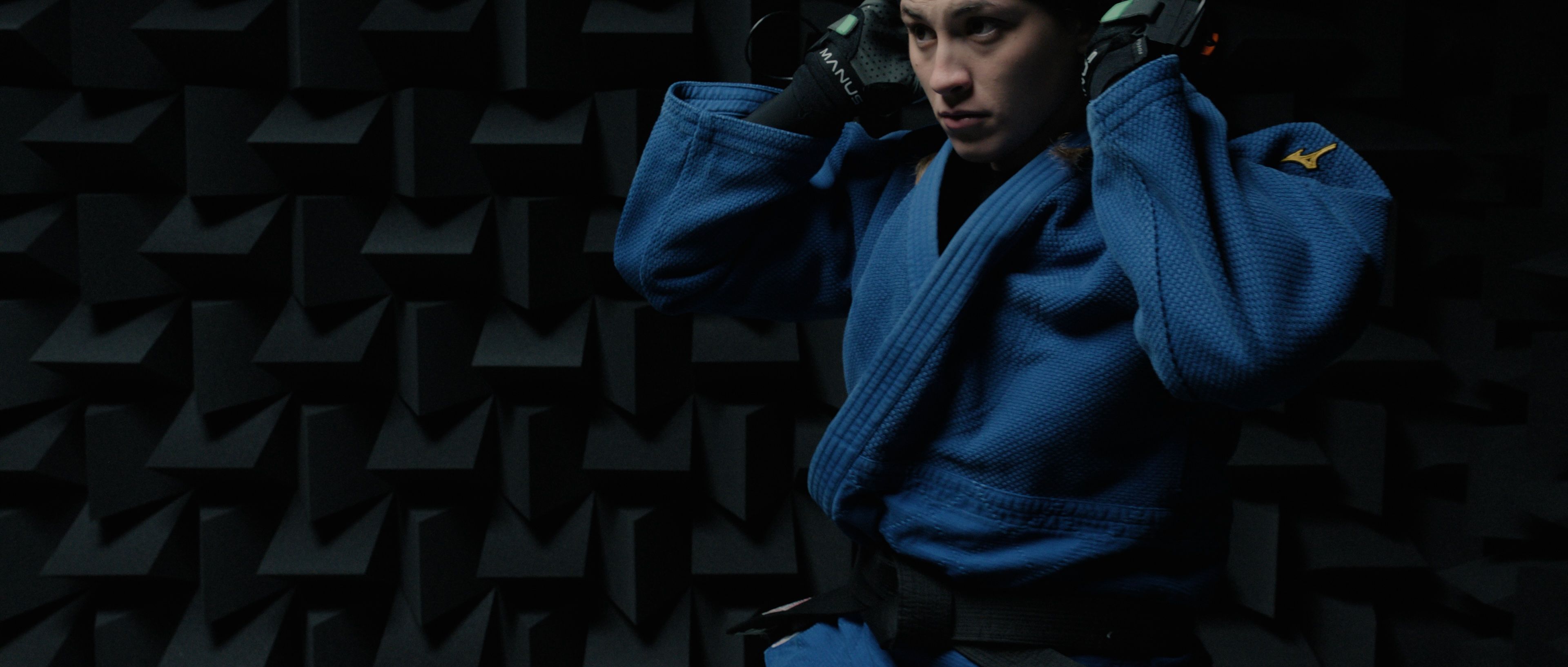
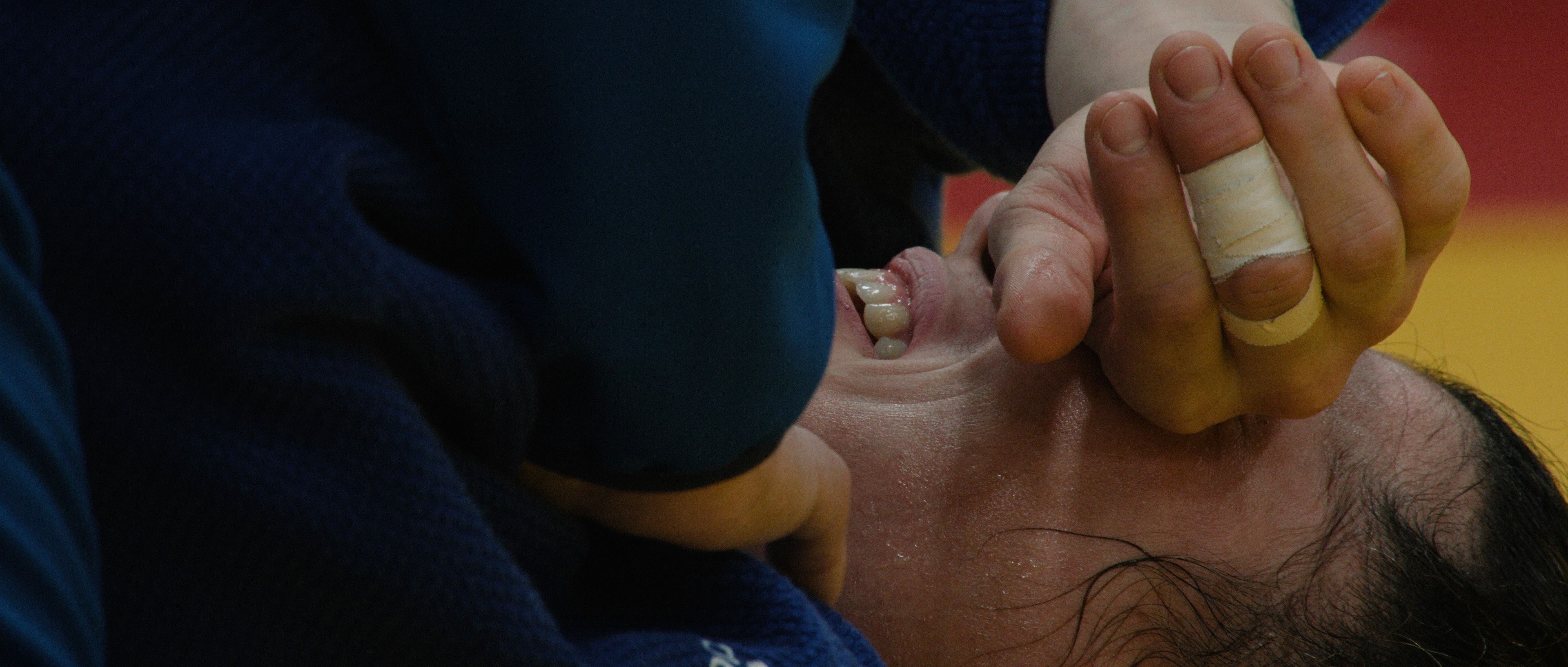
GB: Yes, whenever I have to summarize the film, I say it’s a story about three girls and how it feels to not be able to do what you want to. This is a feeling we can all relate to. And there are only three ways that stop you from doing what you want, no matter what field you’re in. Either it’s something like an accident, something external you can’t control; or it’s disease, something internal you can’t control; or it’s something where you’re responsible. The film explores all three: the accident with the fencer, the knee injury to the judoka, and the riflewoman who becomes a poacher.
So, at its core, the film is about the three different ways we can’t achieve what we want, even if it’s also very much about the complex relationship between sports and warfare.
SA: I’ll have to be honest. It’s been a while since I watched the film, but thinking about it now, I guess I only really got the human aspect. I thought they were touching portraits of what happens when your dreams shatter.
GB: That actually makes me very happy. I’m glad that a lot of it is hidden. As an artist, it’s my job to find an accessible storytelling tool that is only the tip of the iceberg. The surface level is important because that’s the level of cinema, of entertainment.
SA: Maybe I’m basic, but I’m much more interested in storytelling these days. I don’t shy away from this in the book I just finished, and it’s something that feels looked down upon in artsy circles. What’s wrong with a story?
GB: You know, I love Top Gun. And I’m not trying to make a video installation. I’m interested in telling an engaging story where all this research and these themes are part of it. But first and foremost, I don’t want to make boring films. I’d kill myself if I did.
SA: A lot of what’s being made today feels so conservative, so entrenched in systems that have become codified.
GB: To me, something is off. Either we straighten it up now and close the gap with YouTube or cinema is going to become like opera or ballet.
SA: It makes me frankly angry to watch or read all these films and books that refuse resolution. It’s said to be closer to life, but I doubt that. I don’t know about you, but I love resolution—and I’ve experienced it.
GB: A friend told me about a director who said he was surprised that I had three stories that all closed. You know, one athlete fucks up her knee, and her career is over. The other one gets kicked out of the Olympics for poaching. And the other has to face the press after an accident, and she retires. I think it’s important to take a position. A film can’t just be about observation. It’s a tool. Things don’t just happen.
SA: Exactly. It’s like, give me your opinion about something, then I can make up my mind about whether I agree or not. Explore your dark sides, your problems, and stop worrying about not being right. And in terms of literature, I don’t ever want to read another book about a protagonist who’s an author! Rant over.
[Laughter]
GB: Maybe it’s a question of fear. Of being afraid of failure—
SA: Of being exposed to not knowing—
GB: But I think we have to try to do our best, like I was saying about competition. You have to want to get better. This is my first film, and I’ve learned so much about myself that I’ll apply to the next one.
SA: What have you learned about yourself?
GB: In terms of shooting, I’ve learned how important it is to have everyone on the same page. I always thought I could just fix things myself. But the problem is, time is so compressed during shooting that you physically can’t fix everything yourself. Put differently, I’ve learned how to delegate. And, you know, everyone is trying to do their best, and most likely their best is going to be in line with your vision. Someone might make a mistake. We all do. And that’s fine as long as you made the best effort to try to avoid it. And I guess that’s what I’ve learned: try to give yourself the best possible setup and delegate so that you can focus on what really matters at any given moment.
I can get really fixated on specific things. That’s good to an extent, but sometimes you have to remember that there are things that don’t ultimately matter in the bigger picture, and you should just let them go.
As for storytelling, one thing I’ve realized in all of the stories I’ve written is that I care about the present. And if you really care about the present, you also have to look at the historical background. We need to know how we got here. At the same time, I also find it necessary to find a kind of proposition for the future. This is about going deeper into situations that are relevant for the present while also exploring more unchartered territories. This film, for instance, is not just observational, it’s narrative. But it’s also setting up the story in a context. And it’s here that the details matter.
For instance, we had Alice [Bellandi], a real athlete, who knew how to answer all the questions during the anti-doping scene. It was beautiful because it starts almost like a police inquiry, but halfway through the questions, she is answering them before they were asked. She knew the procedure because she’d been through it so many times in her life. Those are the details that make something special.
SA: How do you decide between what’s truly important and what isn’t?
GB: Well, first of all, sometimes you fuck up and don’t get it right. But I think a lot of it is instinct. And having people around you who you really trust.
SA: One thing we talked about at the very beginning still interests me. You spoke about storytelling as a design tool.
GB: When I was a teenager, I thought about films such as Alien (1979) by Ridley Scott, which had this incredible spaceship that cost who knows how much. And I thought about the relationship between designing for cinema and designing for our shared reality. I think there’s a missing link there. There have been artists who explored the idea of video art generating realities, but it was always a bit of a gimmick in my opinion.
Often, I write scripts to design. The storytelling and the imaginative context are an idea’s testing grounds. I try to project ideas into our world using the process of filmmaking to imagine, stress, and test them. In Agon, I started exploring the concept of a portable autonomous printer, which is present in the film, and we are currently working on it as a stand-alone project to be available to the public.
Another example would be the food Alice Bellandi eats in her room at the “Ludoj 2024” Olympics. I knew I wanted to have two scenes of her eating before and after cutting weight, and wanted to touch on the delicate relationship athletes have with food. For instance, McDonalds for some is seen as a viable solution so that you don’t get food poisoning. You work for four years for a single event on a single day, and you have to be at your best and not be sick—a lot of that comes down to food while being abroad.
I was thinking about where she would go to eat to feel safe in showcasing her obsession. That led me to think of the character bringing her own food to the Olympics, something she knows she can digest well. Then I started investigating freeze-dried food, which I used for many years sailing offshore in the ocean. I then developed a freeze-dried food company that Alice eats in her fictional room. This is what I care about and what I’d like to continue doing—developing this relationship between storytelling and reality.
And there was this very beautiful moment before the Winter Olympics, where I got this call from a chef in Milan who runs a Korean restaurant. He wanted me to help with meal prep for a Korean athlete. I asked him if he’d watched Agon, and he was like, “No, what’s it about? I don’t watch films.”
Credits
- Text: SHANE ANDERSON