Hardcore Wellness: Barbara Sturm Is Over Retinol
|Claire Koron Elat
Inflammation is the ultimate villain of any skincare addict. But in times of retinol overexposure and longevity maximalism, the term “anti-inflammatory” has been diluted into an almost meaningless marketing buzzword. Many serums, supplements, and self-optimization tools claim to “calm,” “repair,” or “reset” the body’s internal fire. Few people actually understand what that fire is. Barbara Sturm is one of them.

Barbara Sturm is a Gstaad girl. Based in a Swiss alpine chalet, she not only loves to wear furry boots but also uses her own skincare line, which includes over 80 products.
Long before “biohacking” became a subculture and vampire facials became commonplace, Sturm was working as an orthopedic doctor—spinning blood, harvesting cytokines, and injecting the body's own anti-inflammatory proteins back into its failing joints. Her clinical work became the blueprint for the Dr. Barbara Sturm line, one of the most influential skincare brands in the world.
In this edition of Hardcore Wellness, Sturm and I dissect the mythology of inflammation. Together, we discuss collagen fantasies, regenerative medicine, quiet extremism, and industry-wide misunderstandings. And we pose a new question: What does beauty look like when the goal isn’t perfection as much as biological harmony?
Claire Koron Elat: As an orthopedic doctor, your work is deeply rooted in anti-inflammatory science. Can you explain the biological link between chronic inflammation and accelerated aging?
Barbara Sturm: Inflammation and aging go hand in hand. In orthopedics, we created a treatment using the body’s own proteins. We took the patient’s blood and then stimulated the cells inside it to produce anti-inflammatory proteins. They’re called cytokines, and they are ideal anti-inflammatory agents. Then we spun the blood, removed the red blood cells, kept the plasma, and re-injected it into the joints. The process is called anti–interleukin-1, and the cytokines help bring down inflammation.
For instance, if you damage your the meniscus in your knee, each movement reignites inflammation—leading to swelling, fluid build-up, and gradual joint degeneration. This inflammatory response accelerates aging in the cartilage and bone structures. By injecting the area with anti-inflammatory proteins, we can reduce this inflammation and help slow down the aging process.
I translated this knowledge to skin in 2002 and created the Vampire Facial, which also takes the body’s own proteins and injects them directly into the skin to activate the skin’s rejuvenating, anti-inflammatory, and healing processes. The results were amazing.
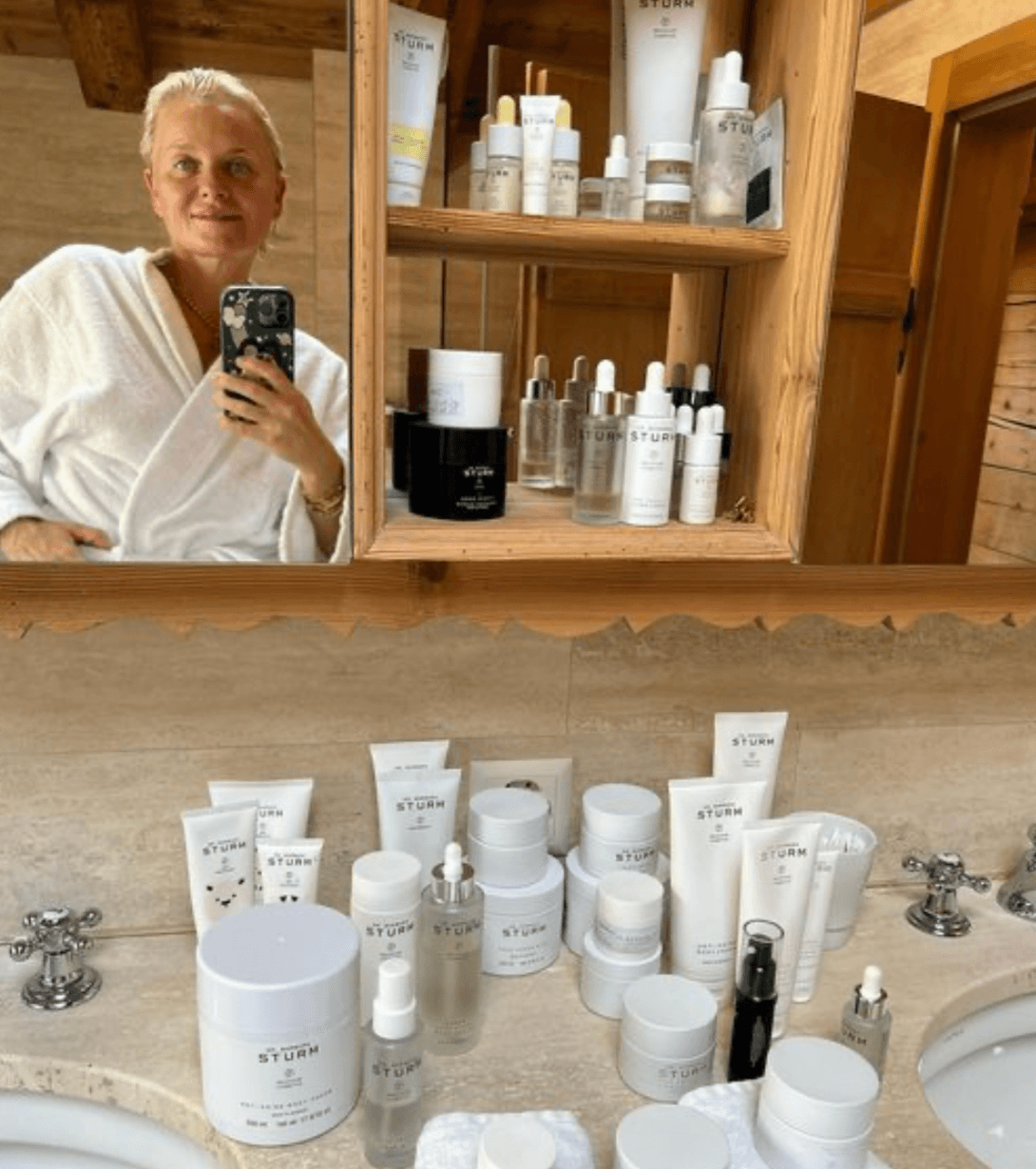
Dr. Sturm’s skincare cabinet.
CKE: Do you think your medical background gives you an advantage in an industry increasingly dominated by celebrity-founded skincare brands?
BS: I have a different foundation. I’ve spent years treating patients and developing products rooted in science. For so many years the beauty industry sold “hope in a jar,” and fell short of delivering real results, so there is natural skepticism. Authenticity is very important to me. I’ve had a clear philosophy from the very beginning that I’ve always stayed true, and that consistency builds trust. When I launch something, it’s because I know it works. Celebrity brands are often driven by popularity and trends. While that may work for makeup or fragrance, skincare is different. People today are looking for truth, expertise, and results they can rely on.
CKE: “Anti-inflammatory” is a big word that people use quite loosely today. Can you talk a bit more about how inflammation manifests on a cellular level?
BS: To clarify: inflammation is a natural response from our immune system to fight bacteria, viruses, and everything from the outside that our body doesn’t like. Inflammation is essential. It’s how our bodies heal. But if the inflammatory process goes on for too long, it can become problematic and develop into chronic inflammation, which has been linked to certain diseases and may also lead to autoimmune disorders.
Not all inflammation is visible, but it often is in skin. For example, consider an acid peel. You’re essentially triggering a controlled micro-injury to the skin’s surface, and our system responds with an inflammatory process. This cascade prompts platelets, cytokines, and other repair messengers to manage the disruption caused by the irritation. Your skin might react with redness, dryness, flaking, or swelling—that’s your skin’s way of showing that inflammation is occurring.
When you’re using retinol, acid peels, or glycolic acid too frequently, you’re repeatedly triggering that inflammatory response. Skin is constantly pushed into healing mode, and it never gets the chance to fully recover or function optimally as a protective organ. Over time, this can lead to a weakened skin barrier, leaving the skin more reactive, dehydrated, and vulnerable.
You speed up the aging process instead of slowing it down. Rather than supporting your skin, you’re constantly damaging it and forcing your body to stay in repair mode. Over time, that wears down your skin’s ability to protect and regenerate. You thin the skin, create ongoing inflammation, and inflammation becomes part of your skincare routine. Instead of preserving what you have, you’re accelerating aging—often without realizing it.

CKE: That makes sense. Why has retinol recently become so popular in the skincare industry?
BS: Like in many industries, trends come and go. Retinol came out decades ago, and then it disappeared, for good reason. I believe it will fade again as people become more informed. There’s a growing focus on longevity, healthy living, and biohacking—people are investing in their well-being with sleep optimization, cold plunges, clean diets, and recovery tools like the Oura Ring. But when it comes to skincare, many are still using aggressive, inflammatory ingredients that go against that entire philosophy.
The same applies to vitamin C. In the form of ascorbic acid, especially at high concentrations, it can be very harsh and barrier disruptive. It’s not that vitamin C is bad, it simply needs to be used correctly, in gentler forms and lower concentrations.
CKE: Would you recommend taking something like collagen orally, in the form of a pill or powder?
BS: Collagen is a very large molecule, which makes it difficult for the body to absorb - whether through the gut or the skin. It’s highly unlikely that intact collagen molecules make it into your system in a meaningful way.
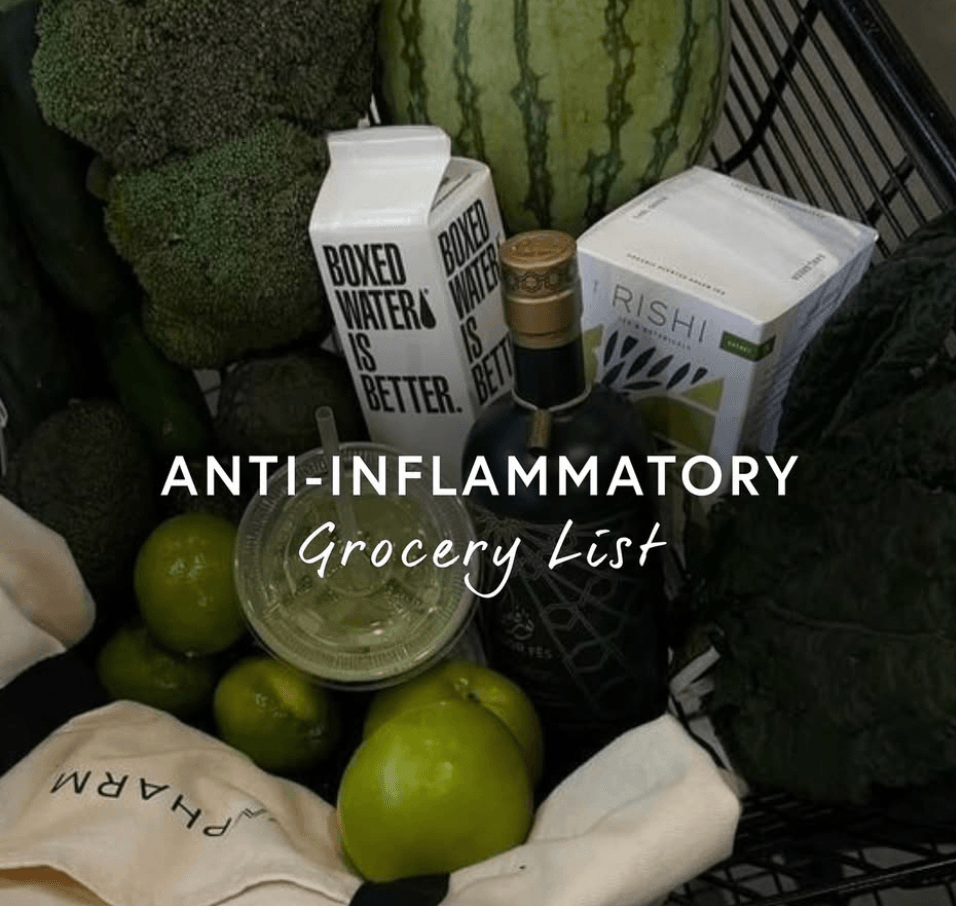
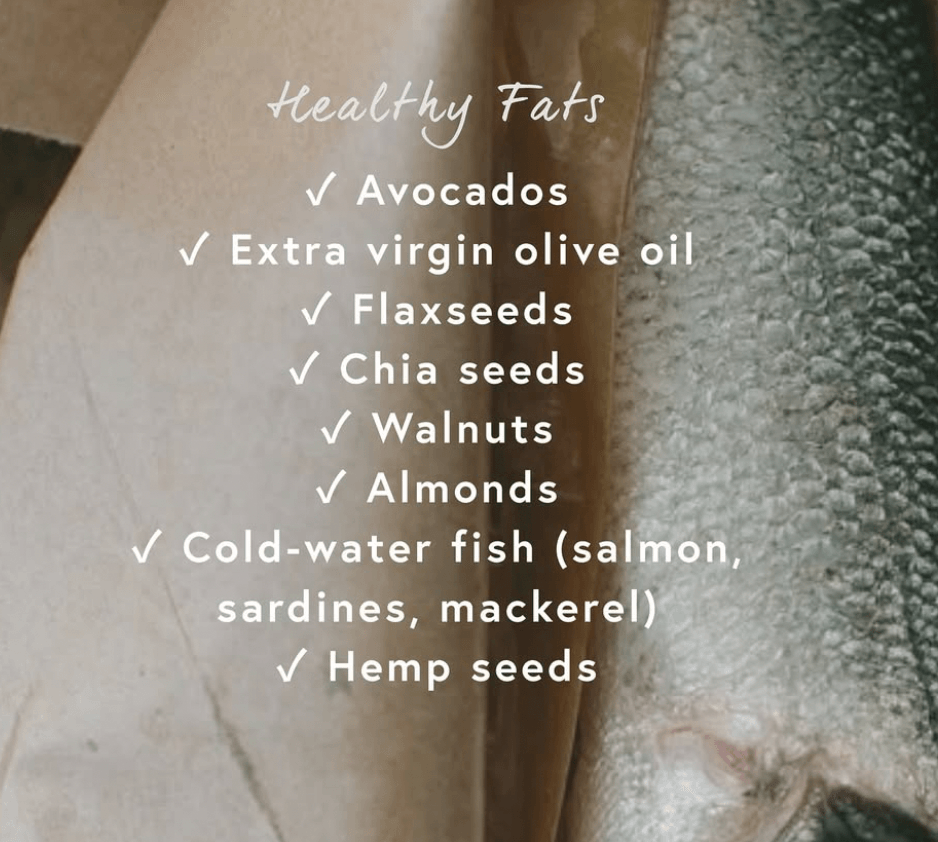
What can support your body’s own collagen production is providing it with the right environment—anti-inflammatory nutrition, targeted supplementation such as vitamin C (which plays a key role in collagen synthesis), and protecting your cells from oxidative stress. That’s why I always talk about the importance of a holistic, anti-inflammatory approach to skin health. It's not about quick fixes, it's about supporting the body’s natural functions in the most intelligent way possible.
CKE: You mentioned earlier how you established the Vampire Facial or PRP treatments. How does this method differ from more inflammatory regenerative techniques like ablative lasers, CO₂ lasers—very popular now—or microneedling?
BS: It really depends on the intensity of the treatment, the underlying skin condition, and how frequently it’s done. Lasers are popular in the anti-aging space, and many people love them, but I always urge caution. They disrupt the skin barrier, penetrate the deeper layers, and essentially damage parts of the skin to trigger a repair response. That’s a very aggressive approach. The skin becomes extremely vulnerable, and then external stressors such as pollution, blue light, and sun exposure can lead to long-term issues such as oxidative stress, hyperpigmentation, and premature skin aging.
It’s essential to protect the skin properly after a laser treatment. Personally, I prefer regenerative approaches like PRP–either through injection or mild microneedling with short needles. You create only minimal inflammation, but at the same time you’re delivering healing support directly into the skin. My philosophy is rooted in healing, not harming.
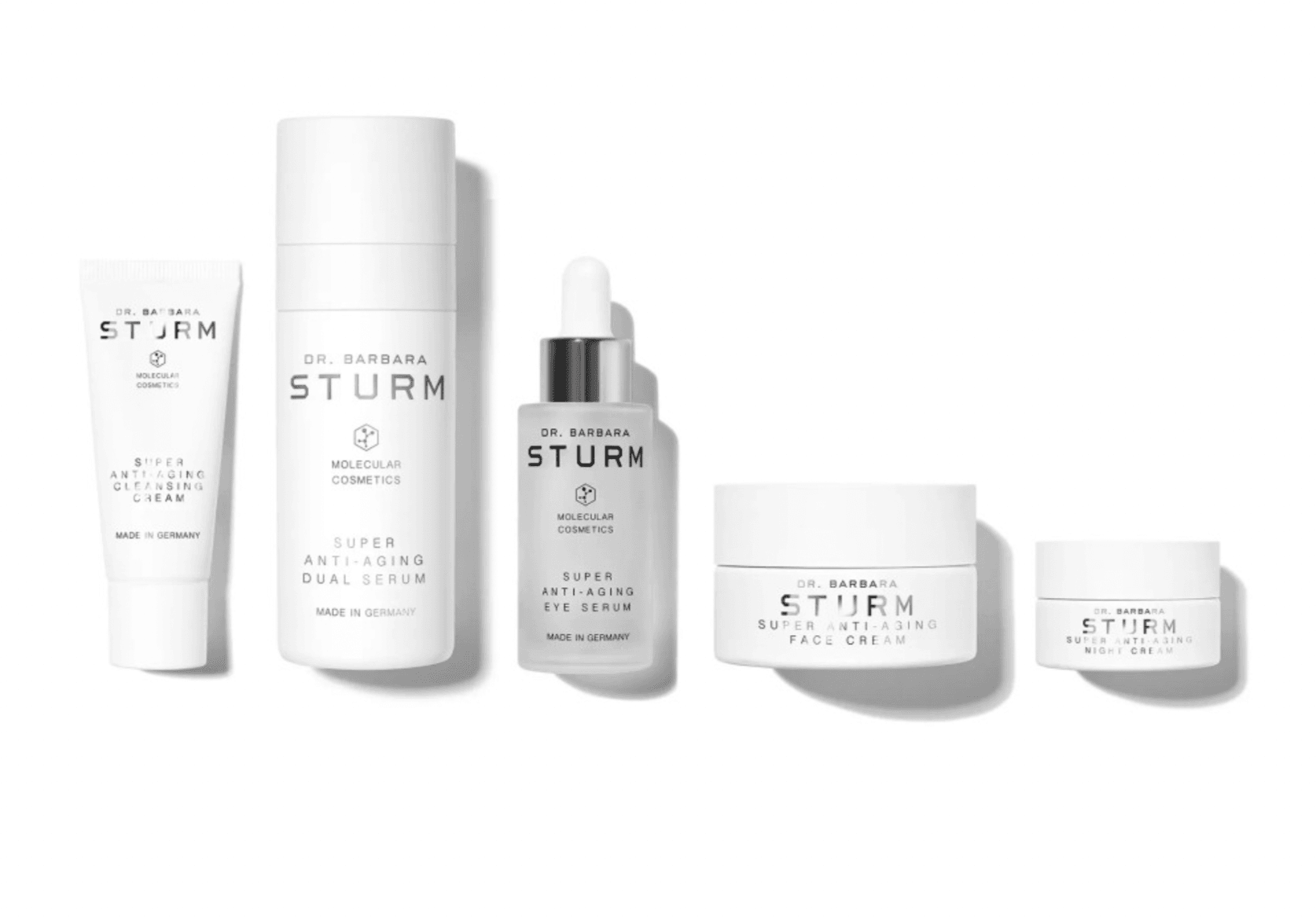
The Ultimate Youthful Collection to stay young forever—or as long as possible
CKE: There are also more extreme communities in the biohacking field. I believe Brian Johnson also uses PRP methods.
BS: Biohacking can be a powerful tool that supports your immune system, your cellular health, and your circadian rhythm. I’m all for optimizing your environment and lifestyle. But like anything, it can become extreme. Waking up at 4AM and going to bed at 8:30PM may be amazing for longevity, but it’s important to also make time for joy, human connection, and spontaneity. Longevity is also about quality of life. I believe in balance.
CKE: You also offer minimally invasive treatments such as Botox and filler. How do those fit into your holistic approach?
BS: Holistic also means feeling happy and confident in your own skin. And sometimes, Botox can do that in seconds. You can subtly lift the brows, contour the cheeks, define the jawline, even improve the neck. With just a little Botox and filler, I can make meaningful changes that boost someone’s confidence dramatically. So yes, in that sense, it’s also holistic. Emotional well-being is deeply connected to physical health. When you feel down or insecure, it can trigger inflammatory processes in the body. Supporting how you feel inside and out is part of the anti-inflammatory approach, too.
Read the 032c Interview with Gstaad Guy HERE.
CKE: How has your understanding of beauty shifted over time?
BS: Our perception of aesthetics changes with age. I’m 53 now, and I’m not the same as when I was 35 or 40, when I was obsessed with every little wrinkle. Over time, my perspective has softened. What still matters deeply to me is how my skin feels. I want it to feel hydrated, dewy, and balanced
My routine is non-negotiable—whether I’m traveling or at home. I prioritize movement (Pilates, yoga, walking), quality sleep, anti-inflammatory foods, breathwork, and holistic tools like red light therapy and PEMF. It’s not about chasing perfection; it’s about showing up every day with small, intentional choices that build a radiant, healthy life and make you feel good, from the inside out. That is what beauty is to me.
In her column Hardcore Wellness, Claire Koron Elat looks at wellness as a phenomenon and industry and its increasing, accelerated relevance for the creative industry. As wellness has turned into an aesthetic with an ecosystem of sub-genres, the question of how this development reflects the general absurdity of contemporary culture arises. Hardcore Wellness focuses on interviews with experts in the field.
Credits
- Text: Claire Koron Elat