The Architecture of Expansion: Entire Studios
|Claire Koron Elat
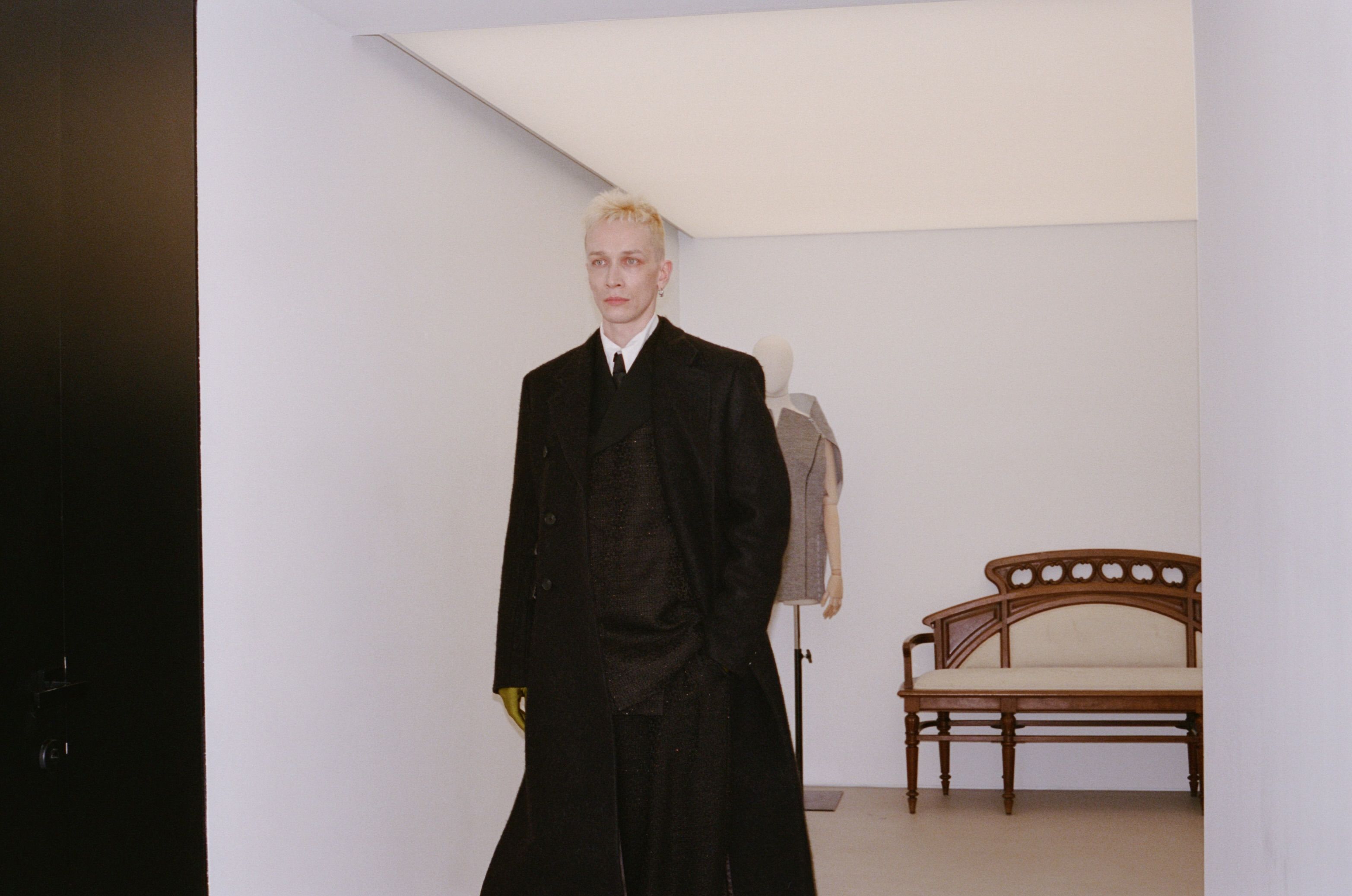
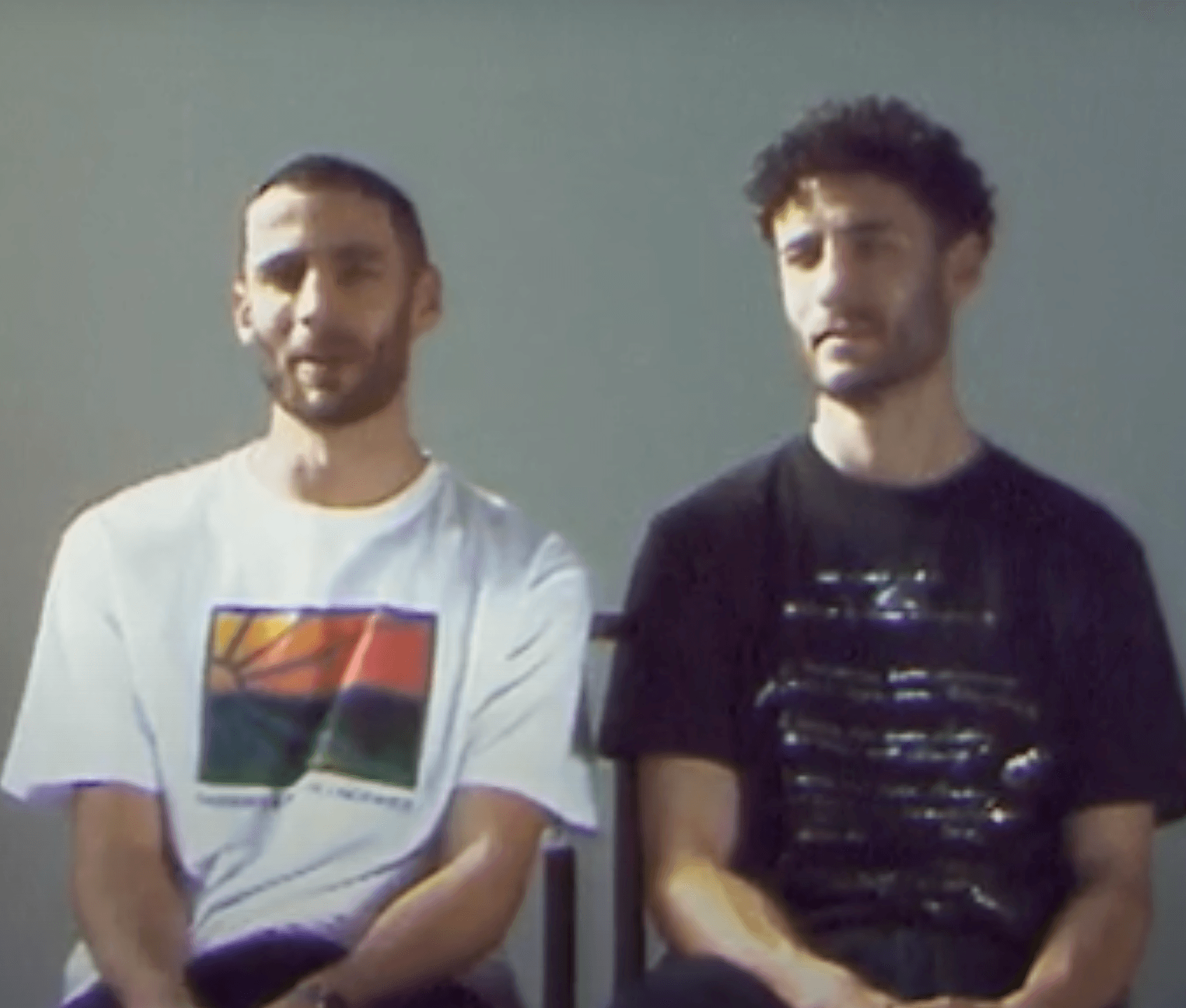
Founded by Dylan Richards-Diaz and Sebastian Hunt in 2020, Entire Studios launched not with spectacle, but with a single puffer. Since then, the LA-based brand has built a disciplined wardrobe consisting of sculptural outerwear, controlled volumes, and engineered essentials that blur the line between luxury and utility. Rooted in the pragmatism the duo first developed working in New Zealand, and later refined in the City of Angels, the brand has remained grounded despite the hype that has surrounded it in the years since its launch.
Nevertheless, the brand’s rapid ascent, evidenced by its appearance on everyone from business moms to Michelle Obama, Kylie Jenner, and Justin Bieber, alongside a recently released global collaboration with Adidas, has introduced its own tension: the need to expand as a young brand versus the desire to retain one’s creative integrity. From Entire’s downtown LA studio, Richards-Diaz spoke to Claire Koron Elat about being a ghost creative, designing clothes you wouldn’t wear, and taking risks.
CLAIRE KORON ELAT: I want to start at the beginning. Your background is working in LA as a creative, stylist, and a sort of ghost designer. What did it feel like to “ghost design” and not have your own name on the things you create?
DYLAN RICHARDS-DIAZ: My business partner, Seb, and I have been friends for probably 15 years. Whatever we do, we do together. He has always been the people person, and I’ve been the one who likes the creative side. I take a little bit more time to warm up to people. I’m not shy, but he’s more naturally comfortable around people. Back home in New Zealand, we were styling together. He was way better at building relationships. Once he’d lock that in, the work was almost like a done deal.
Kanye came across my Instagram in late 2015, and I got an email from someone on his team. He brought us out the next day. It was going to be a two-week meet-and-greet to scope us out, and then it turned into four and a half years of working with him.
Before we came to LA, I always had the dream of having my own brand because we were styling, and I would run into these obstacles where I’d be like, “Oh, I wish this was like this,” or “I wish that was like that.” But it was a good stepping stone into actual design – going from styling into working with the concept and design team at Yeezy.
I didn’t mind being more behind the scenes because it was all really new to me. It felt like school. I was just learning my craft. I learned a lot on the business side, too. I had always wanted to design and have my own brand, but I had never physically done it. So, no, I didn’t mind being behind the scenes. It’s a piece of my journey that helped mold me into where I am today.
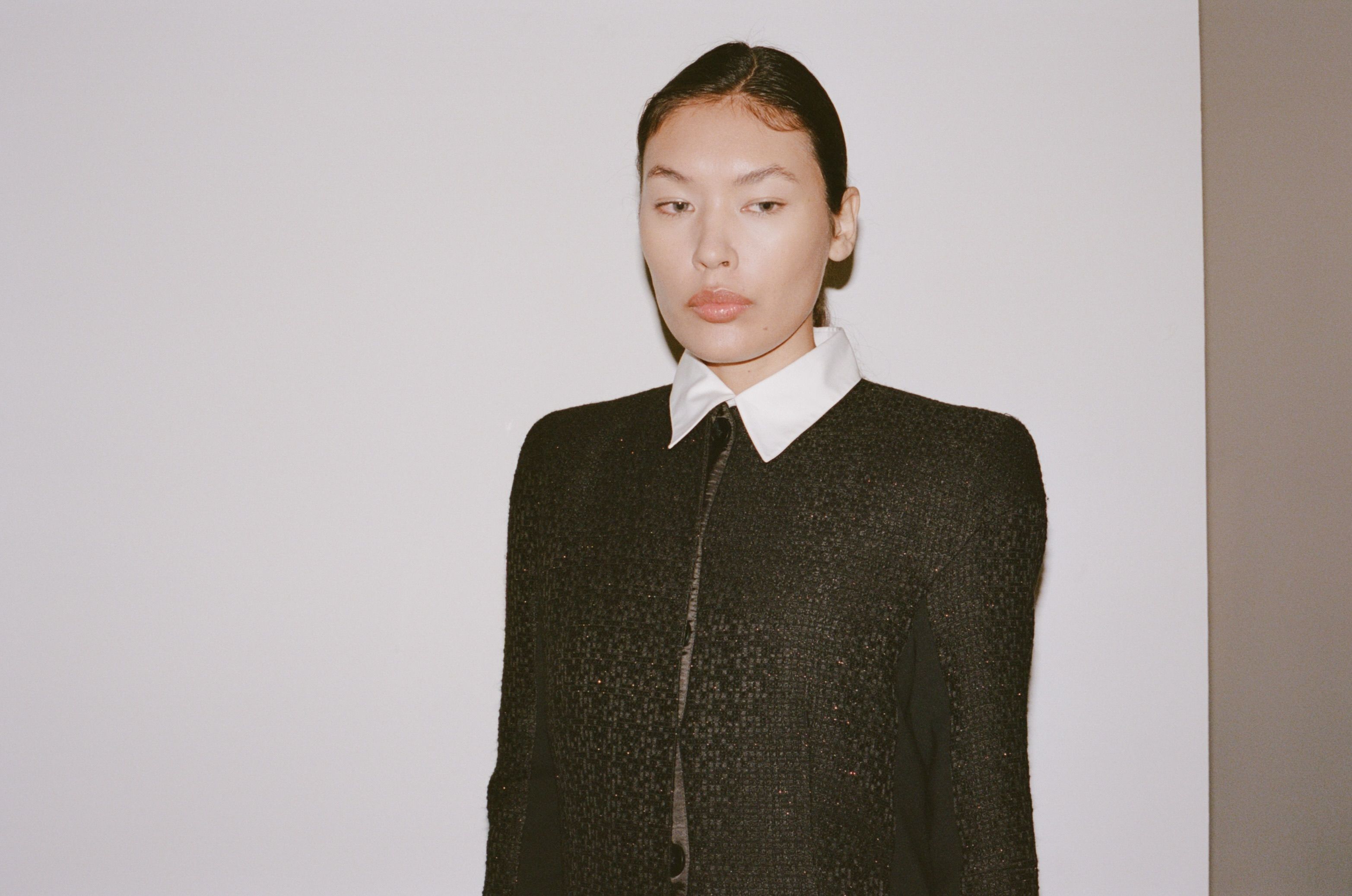
CKE: It’s interesting that you say you’re not that social. In the fashion industry, you have to be extroverted and talk to people all the time. Although you have your business partner, how did you navigate this?
DRD: Honestly, it’s funny because if I’m comfortable, I can talk to a wall. I’m one of the loudest people once I get comfortable. But if I’m not too comfortable, I prefer to be a man of few words and make those words count. I hope that my work can do the speaking for me, and for the most part, it has.
I just put all my work into my craft. Seb being more comfortable with people definitely helps, but I think the fact that I get hyper-focused on work has been a massive part of how I’ve navigated it. I can turn it on, but it doesn’t feel natural right off the jump. I’m definitely a little more reserved.
CKE: Did you feel like you were just realizing someone else’s dream, working for someone else’s brand for so long?
DRD: It did feel like that, but I was young and felt like I needed that experience. I’m a big-picture person, so even if something feels tough in the moment, I think, “This is just what I have to do to get from this step to the next.”
I was 23 when I started working there. It was my first time in LA, in America. America wasn’t really where I imagined myself. I always thought Milan, Paris – standard stuff. So when I came out here, I was kind of like, hmm. But I fell in love with LA.
Also, I’m very optimistic. Maybe too optimistic. Everything could be crumbling and everyone freaking out, and I’d be like, “Nah, we’re going to be good.” It’s because I’ve experienced so many moments where things felt like they were falling apart and then worked out.
I knew there would be a time when I made the jump into my own thing. I felt privileged to be so young and around so many creative people, with access to unlimited resources and creators. In my early 20s, I felt like I was exactly where I needed to be.
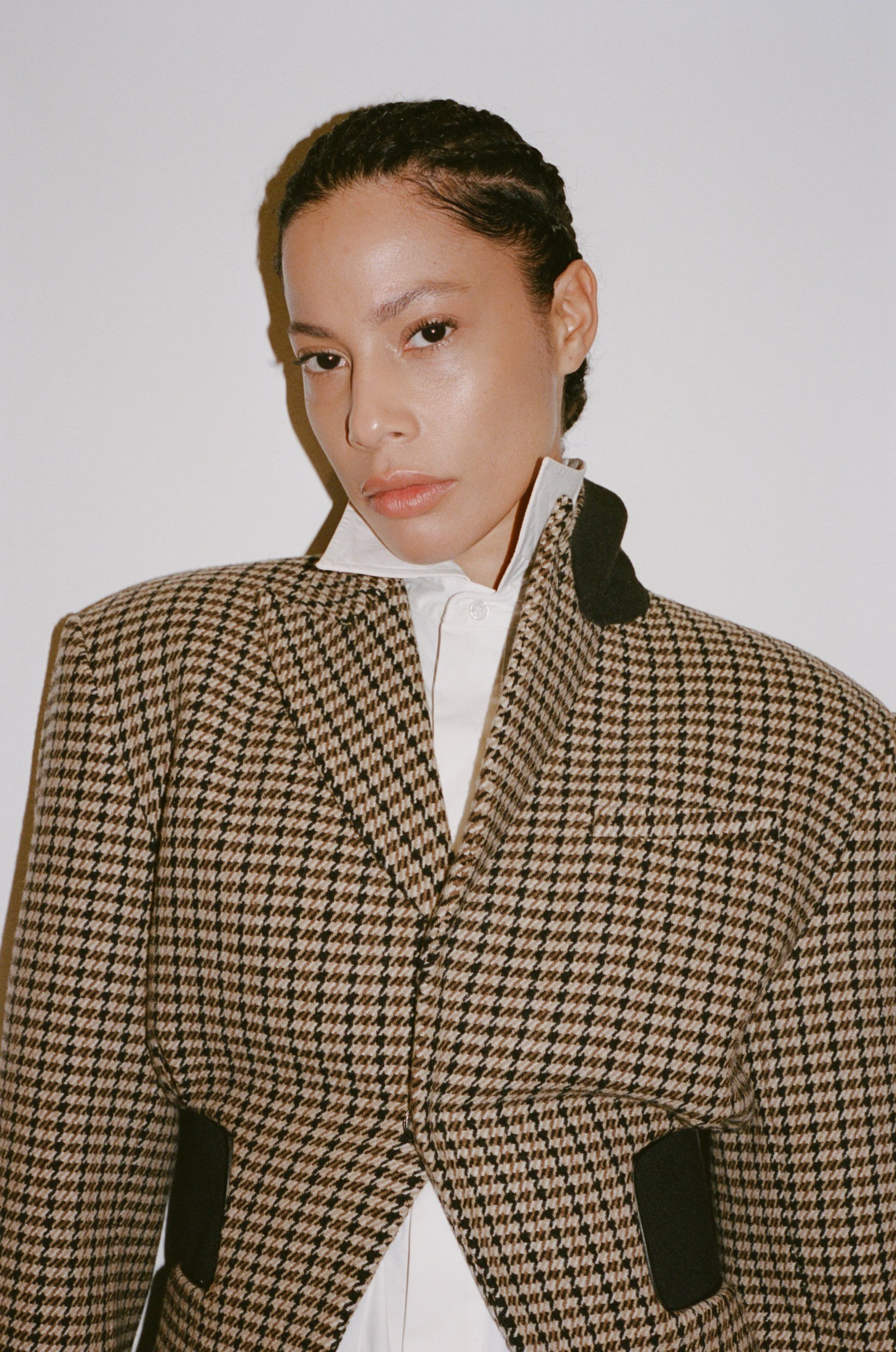
CKE: What were your first years in LA like?
DRD: Me and Seb came out not knowing anyone. It felt like entering a school where everyone had already made their friends. But it was exciting. I had made pre-judgments about LA. I’ve realized now you can base yourself anywhere and do work from anywhere. I love being a little disconnected from it all. There are so many cool things about LA.
It was such a juxtaposition to New Zealand, where I wanted the big city and fast-paced life. Then I moved here and got a taste of hustling to survive, and now I crave the peace New Zealand had. When I was there, I wanted out. Now I tell everyone I want to move further out and be more remote. I think that’s just getting older.
CKE: What were your pre-judgments back then?
DRD: I felt like it was more of an entertainment city, which it is, and that’s cool. But I didn’t care about that side. I’ve always been into fashion, art, anything visual. That’s why Europe felt more intriguing from New Zealand. I was probably a little judgy, like, “What’s the vibe of doing what I want to do in America?” But then I came here, spent so much time, made friends, met my husband, and realized you can do this anywhere.
CKE: After working for Yeezy, what made you decide to found your own brand?
DRD: I had this feeling cooking in my belly for ages. I go with my gut, and I knew it was time to keep moving. Time is precious. You’re not guaranteed anything. I loved that run and wouldn’t change it, but I felt like I had evolved past it and wanted my own thing so badly. When you work for someone, you don’t fully showcase your own point of view. So I knew it was time.
As soon as we separated, within two days we had a name. We started brainstorming immediately and made the jump.
CKE: Then you launched with a single puffer jacket. Why that instead of a bigger collection?
DRD: We actually built a whole collection, but when we started talking to manufacturers, we realized how expensive it would be. So we had to pivot.
Silhouette is everything to me. When I looked at the pieces, I knew the puffer spoke the loudest. If we were going in with one piece, that was going to get the reaction. It was the only outerwear piece in the range, and I love outerwear. When I got the first sample, I didn’t want to take it off. So I knew it was the one.
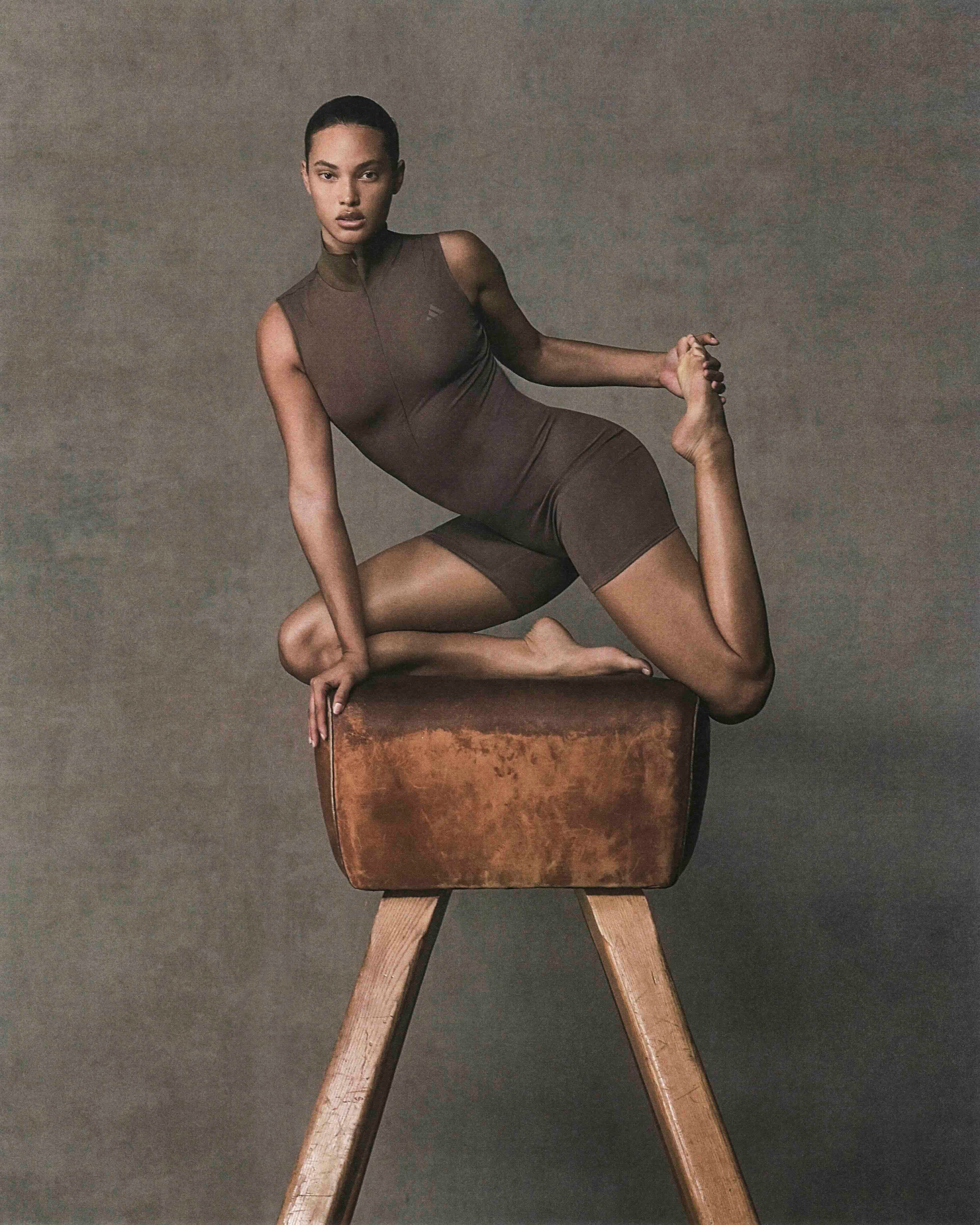
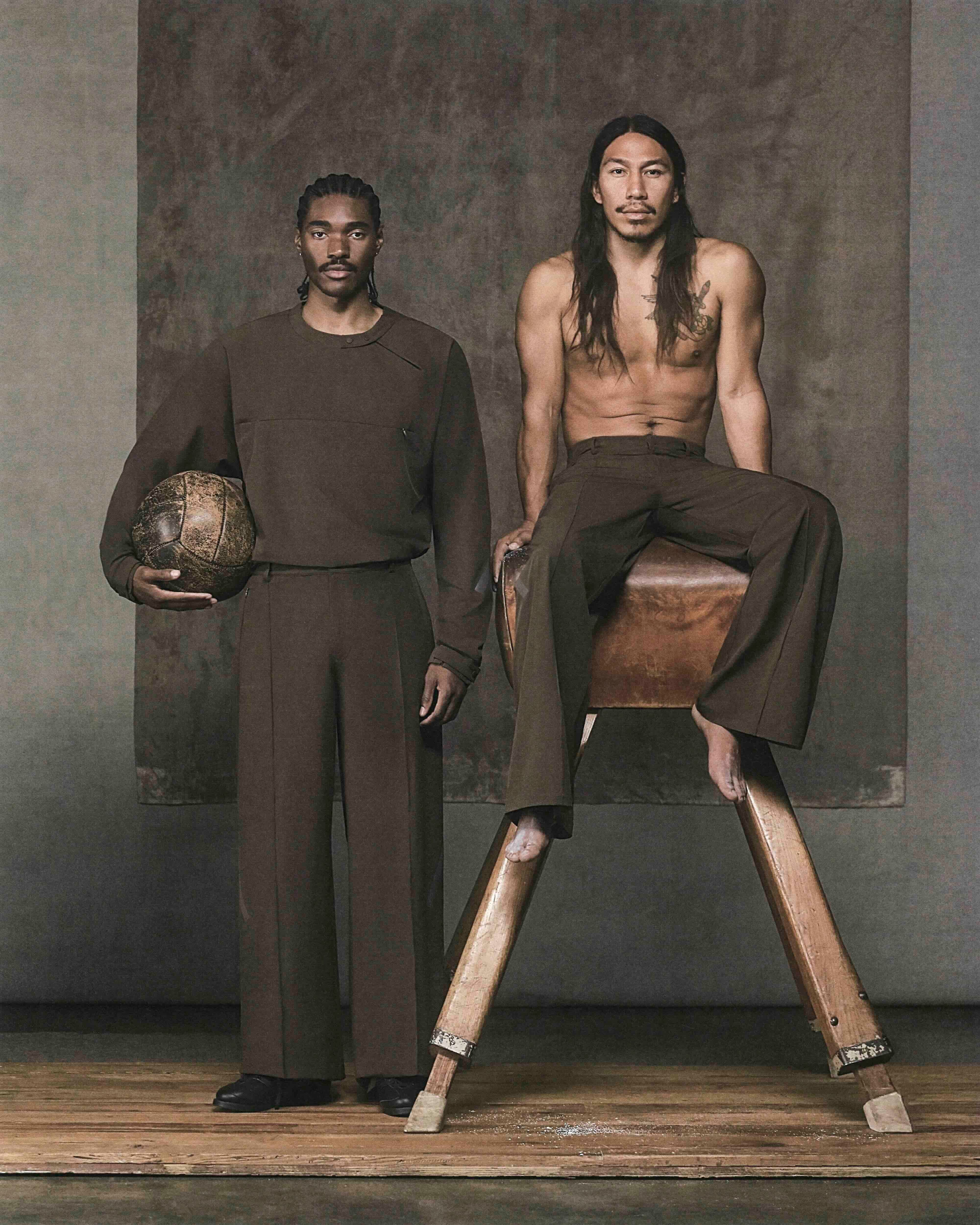
CKE: After launching the puffer jacket, the brand took off very fast and seems like it’s operating at such a rapid pace. How do you feel about that? Did you anticipate it in any way?
DRD: Yes, because when you devote yourself to something 24/7 and put everything into it, you get results. I always use metaphors – if you go to the gym consistently and put in the work, you see results. It’s the same thing.
I hoped for it and knew it could happen. But when it actually becomes reality, it’s a different feeling. It was what I had been striving for. It’s why I sacrificed family and friend time. I can be flaky because I know I have to invest all my energy and creativity into this.
CKE: Do you feel like that pace also limits your creativity?
DRD: Yes, absolutely. I’m someone who likes to do everything intentionally. I like to be in the right mood and have the right space. But from day one, our company has grown very quickly, and that creates a lot of noise. Every day there’s a new obstacle. I originally entered this world because I love fashion, art, and visual culture. But facing obstacle after obstacle every single day for five years straight can take a toll.
But we’ve developed a solid team, and delegation helps. If someone handles one thing, I can focus on another. I also find creative time in random moments – before sleep, in the car while my husband is driving. During the day, it feels like putting out fires constantly. So I’ve learned to create space whenever I can.
CKE: With social media and this extremely accelerated visual world we live in, you’re exposed to so many images and brands every day. Do you try not to look at others too much?
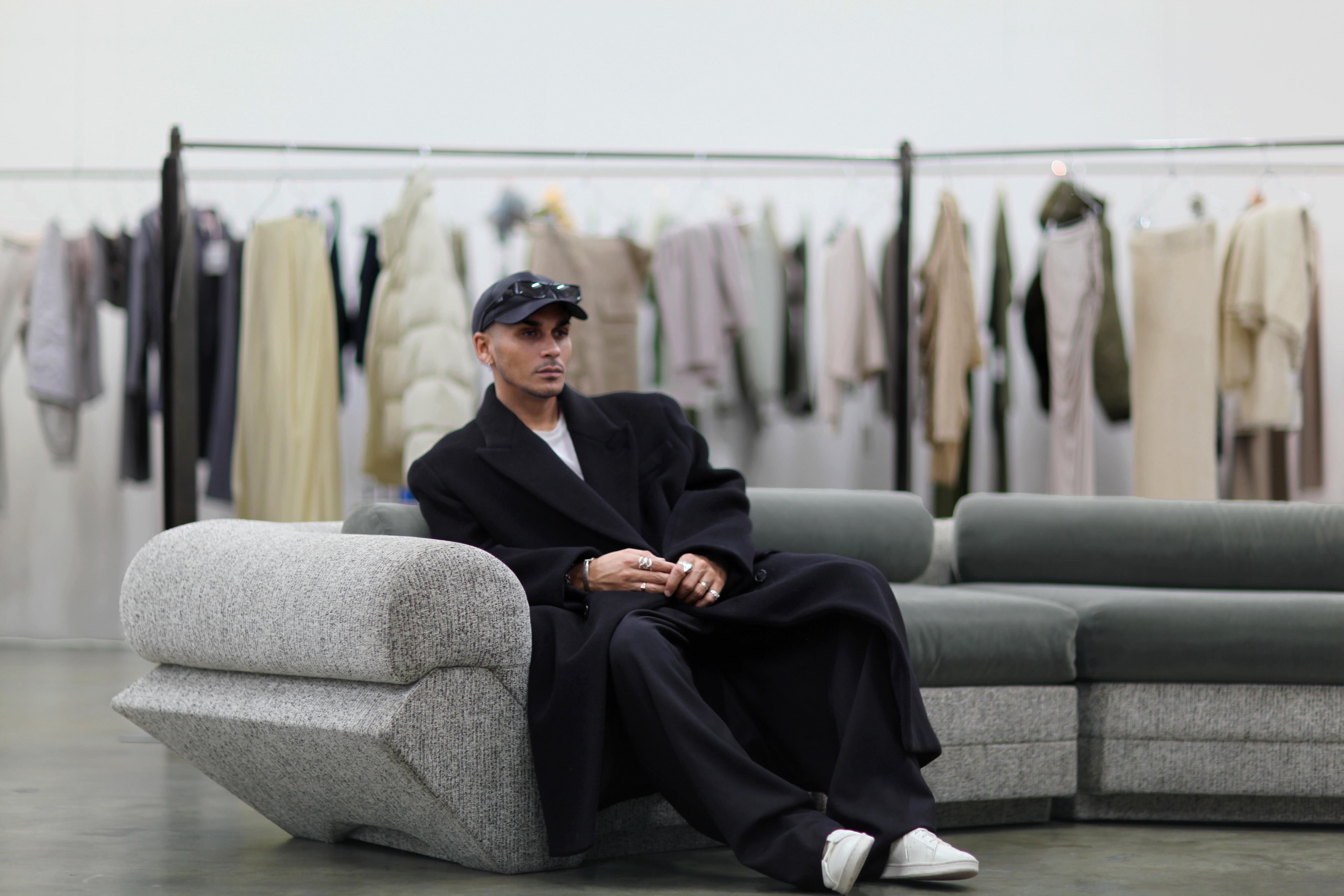
DRD: Honestly, I get so caught up in our own world that I don’t have much time to get distracted. I live in a bit of a bubble, and I love that because it’s a world I’ve created. There are already so many things to handle during the day, and I’m perfectionistic, so that takes up most of my time. I don’t get much time to scroll. Of course, I’m curious about what people are doing, but I see it more as research when I’m starting a new range.
In day-to-day life, I actually prefer looking at messy vintage eBay photos – garments on hangers, wrinkled pieces. That inspires me more than polished, finished designs. Finished pieces are already someone else’s final point of view. I prefer something abstract, something that leaves space for interpretation. Then I can take that blurry vision and refine it into something of my own.
“I live in a bit of a bubble, and I love that because it’s a world I’ve created.”
CKE: When you create these silhouettes, do you have a specific body type or customer in mind?
DRD: No. From the beginning, accessibility was important to me. My styling background taught me how to work with different body types and personal preferences. Everyone has a different vibe and comfort level. When I look at our audience now, at our sales or tagged photos, I see such different kinds of people wearing the brand. Business moms, younger kids, people from completely different walks of life. That diversity comes from understanding that, while I have a vision, we are creating for people. Sometimes I design something I personally wouldn’t wear, but I love it and hope someone else connects to it.
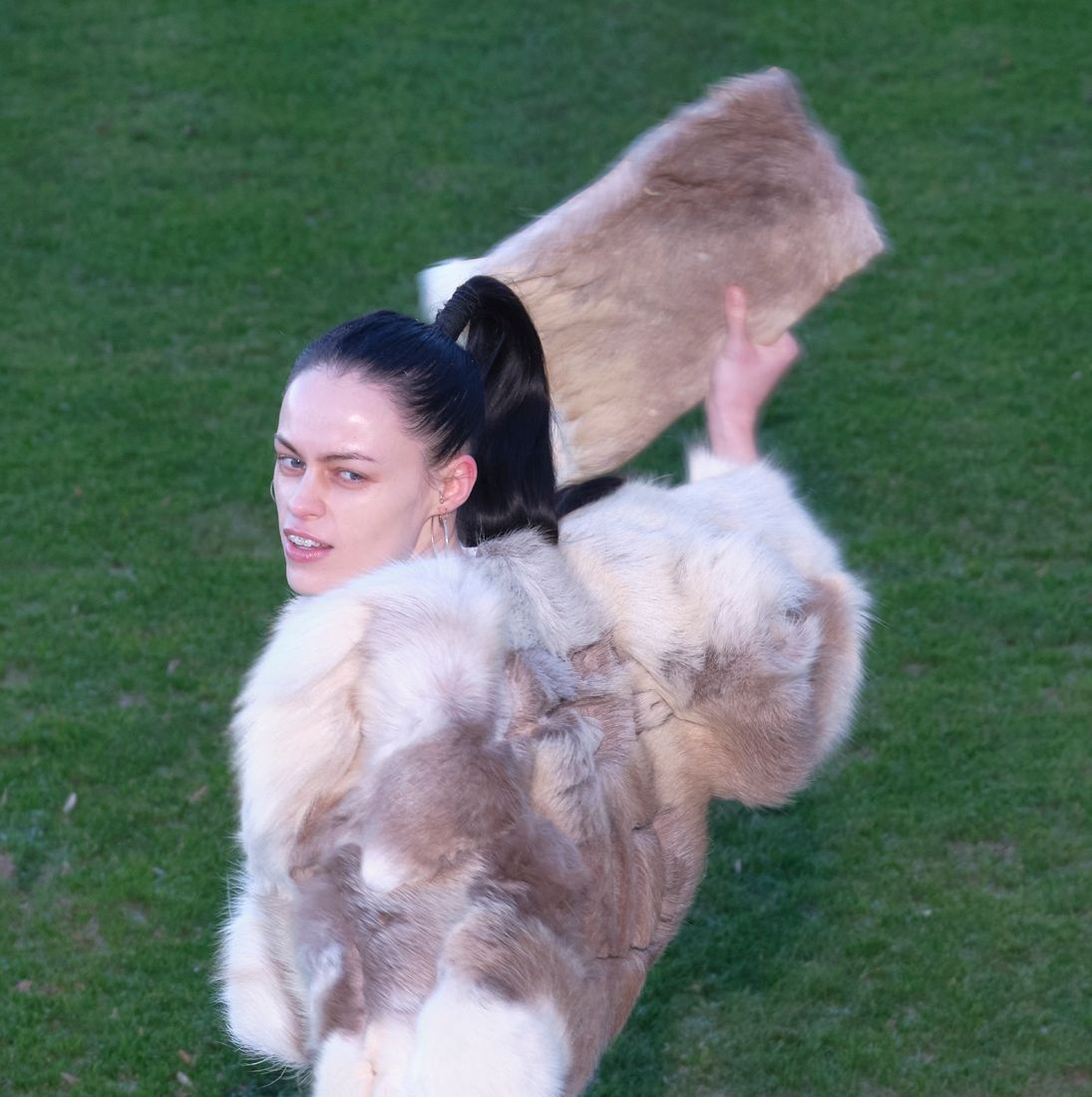
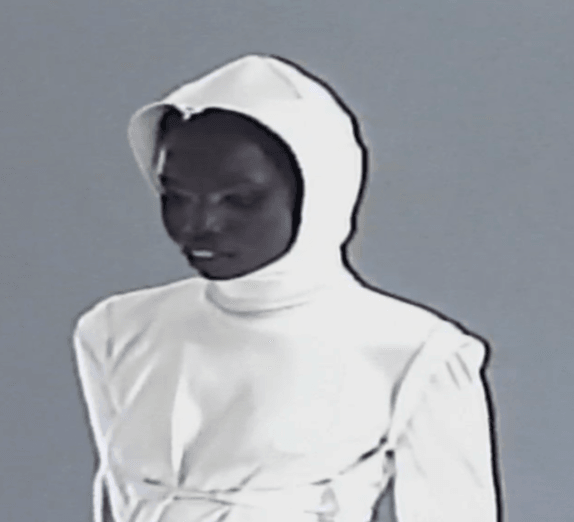
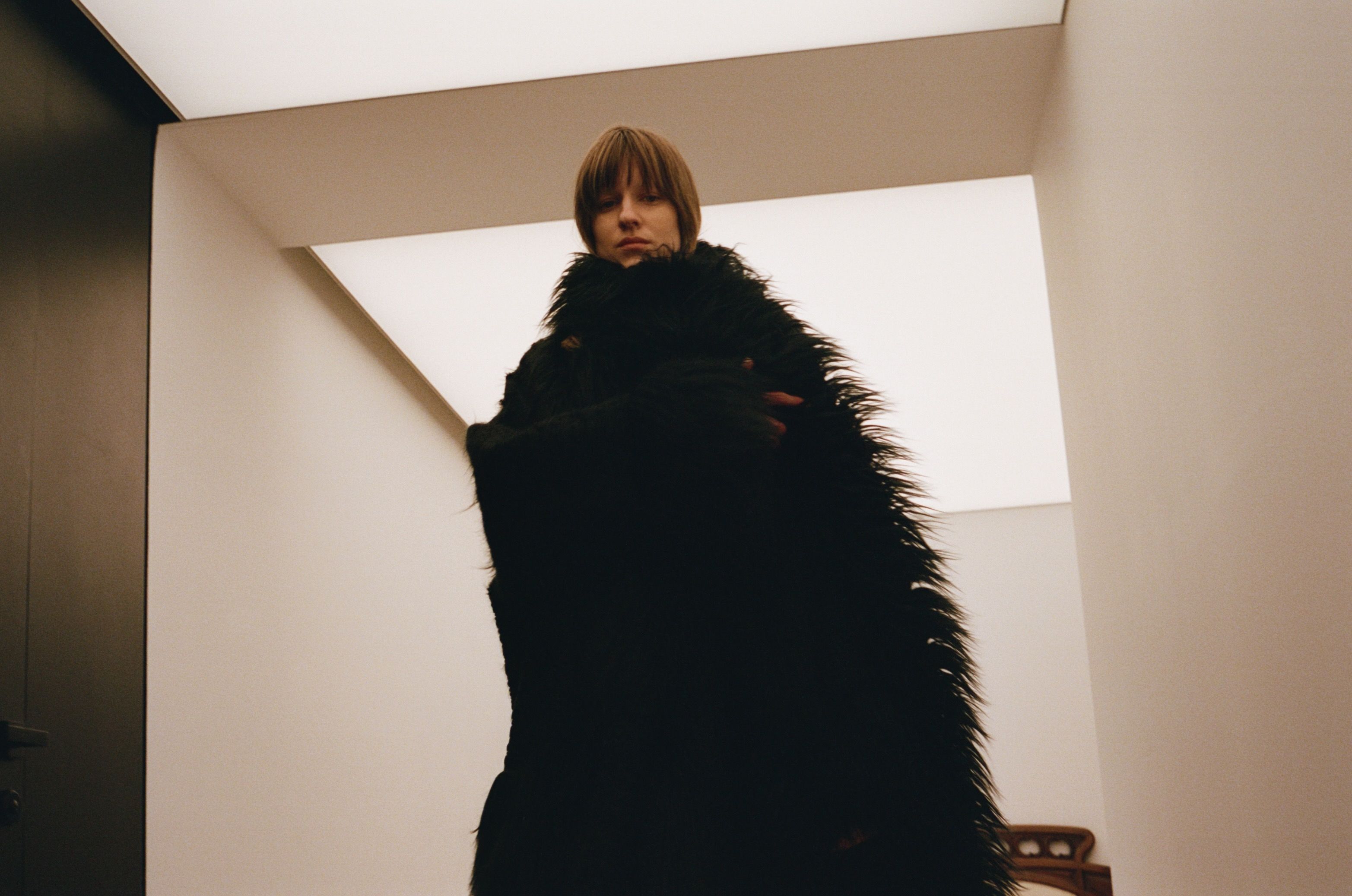
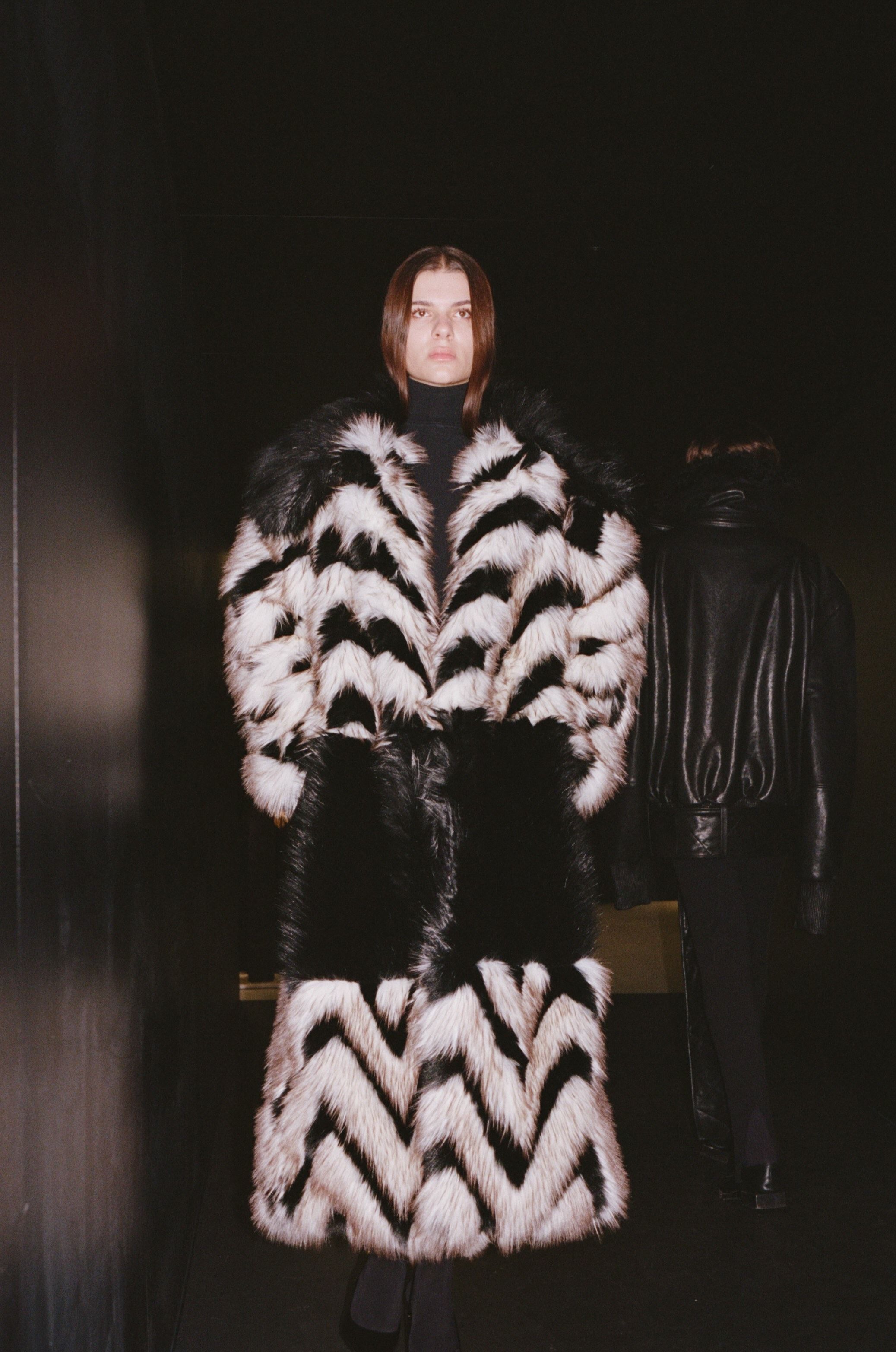
I like playing with dramatic silhouettes, such as broad shoulders or exaggerated proportions, morphing the body a bit. But I also love pieces that let the natural body shape create the silhouette. It’s about balance. The puffer jacket is a good example: wearable, but with just enough drama to catch attention. With our more everyday pieces, I adjust proportions – cropped lengths, wide shapes, exaggerated hoods, dropped shoulders. Small changes that make something feel distinctive but still wearable.
CKE: You’ve described your collections as a continuation of each other, like you’re building a wardrobe. Where do you see the difference, or the balance, between continuation and novelty?
DRD: Because we’re building a wardrobe, the foundation is functionality. Life already feels overwhelming, and I like things to feel easy. If I need to go to dinner, I have that. If I need to be a bit more dressed up, I have that. If I’m exhausted and don’t want to think, I have that too. That’s the continuation part. It’s about creating reliable building blocks that work together and grow over time.
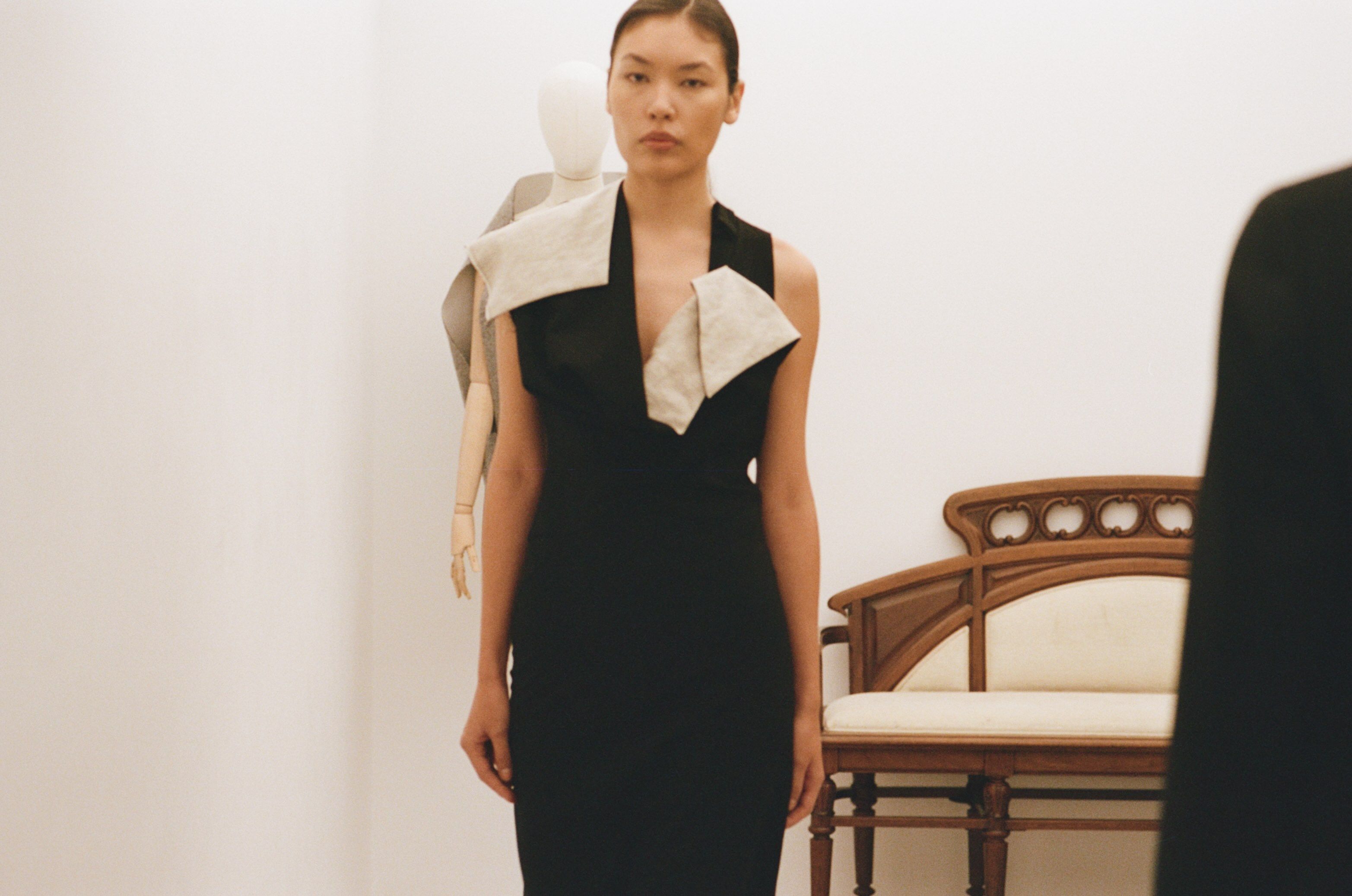
But the novelty pieces are what bring me joy creatively. That’s where the art lives. I love the challenge. As the brand progresses, we’re starting to go deeper into that territory, not just everyday essentials but more experimental pieces too. It’s always about balance. I enjoy refining everyday pieces – adjusting proportions, cleaning up lines, exaggerating subtly – but the novelty pieces are the emotional release. They keep the work exciting and evolving.
So continuation builds trust and structure. Novelty keeps it alive.
Credits
- Text: Claire Koron Elat