WHAT WE BELIEVE v2.0: “WHAT MAGAZINES DO”
|Victoria Camblin
In the 032c archive, we highlight the best pieces from over 25 years of printmaking. In this piece from 032c Issue #49 (Summer 2026), Victoria Camblin constructs an urgent sequel to her original "What We Believe" manifesto that appeared a decade earlier. Limited copies of the magazine are still available for purchase.
THE CULTURAL INDUSTRIAL DECK COMPLEX
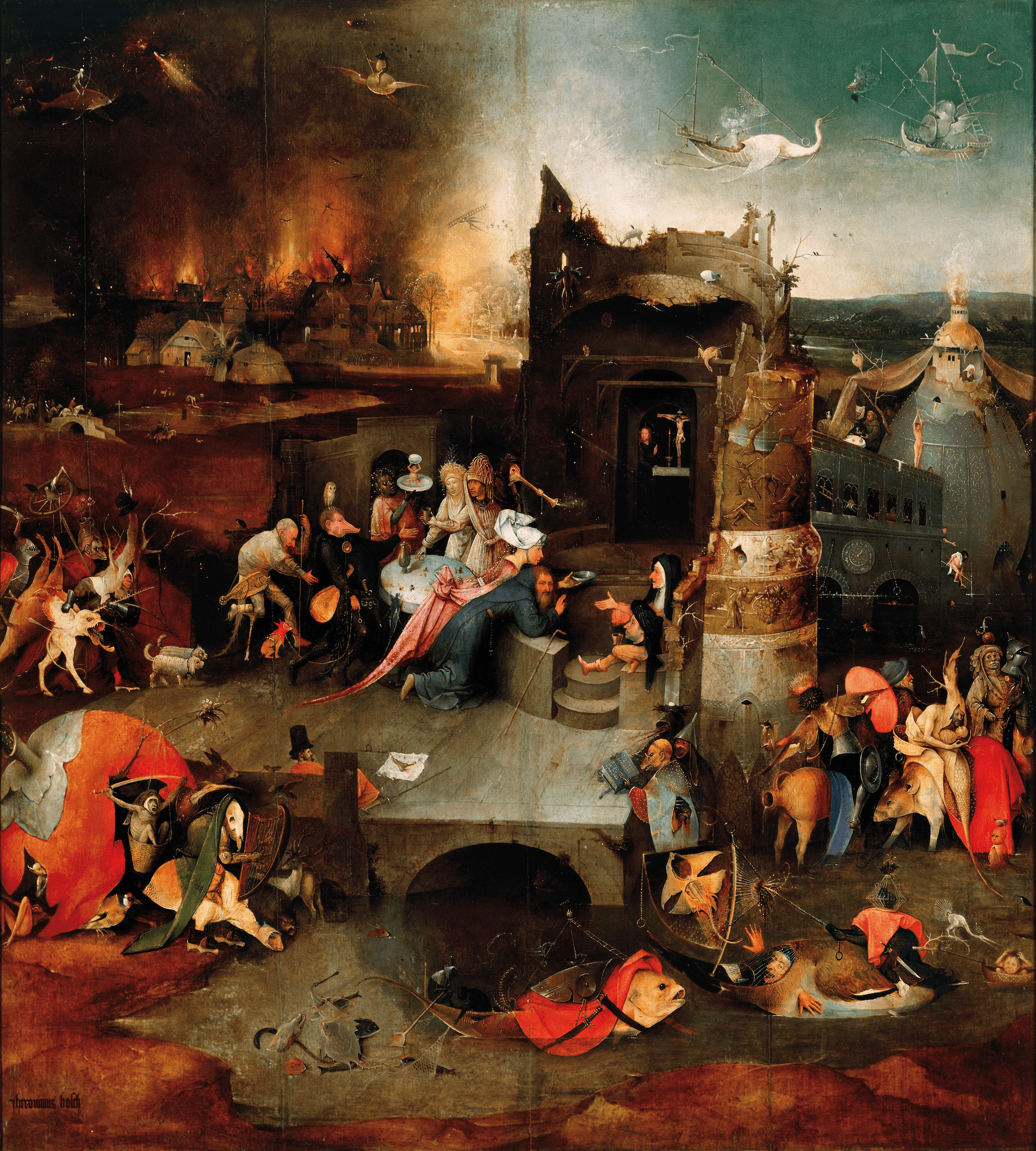
A brand pays a culture worker 15k to make a deck predicting next year’s trends. The cultural shifts described in the PDF are then distilled into the brand’s market strategy and production line. If consumer behaviors are predicted to orient around mindfulness, the brand cancels colorways that don’t support emotional wellness and doubles down on upcycling and natural fibers. If the kids are projected to join book clubs, creative direction puts some Penguin Classics behind the models in the collection campaign, and special projects stages a series of library pop-ups. As long as the predictions influence the product, the trend forecaster will always be right. That is not fortune-telling. It is self-fulfilling prophecy.
This phenomenon seems relatively harmless in retail, but it sucks if you are, say, Silicon Valley Bank. When investors and startup founders began publicly fretting about liquidity problems and insolvency, posting in panic on X and spamming the CFO Telegram group chat, the old reflexive loop kicked in. The fear of the thing brought about the thing.
In fashion as in fintech, real estate, hospitality, even dating markets, forecasts shape taste. And taste validates forecasts. If the seer is always right, then we are underutilizing our powers as forecasters. Let’s start predicting things we want to see.
GATEKEEPING
Gatekeeping is not the problem. Bad gatekeepers are.
“Gatekeeping” had a revindicative resurgence a few years ago thanks to a 2021 “Gaslight, Gatekeep, Girlboss” meme – sort of a shitpost-feminist parody of “Live, Laugh, Love.” On the internet, “gatekeeping” is in the hands of the evil data-hoarding warlocks behind the platforms that have the power to shadowblock you and magically choose what appears on your feeds.
People talk about how the internet democratized information distribution channels; while that might have been true years ago, it certainly isn’t now. You can’t even get to the Wikipedia entry on “gatekeeping” via Google without scrolling through six search result pages of ads.
Before blogging, there was pamphleteering. Pamphlets are unbound booklets intended for boundless circulation. They’re the original magazines, and they were produced outside of the proverbial gate, by definition.
Editors, meanwhile, are here in our gatehouses trying to let you in on something we think you’d like. We are also trying to sell magazines. When an editor rejects a future bestseller by Kurt Vonnegut or whatever, that’s not gatekeeping, that’s making a bad decision on the job.
There is nothing intrinsic to “gate” or “keeper” that suggests a no-entry policy. Like it or not, institutions exist.
Sometimes you want in; sometimes you want out. Sometimes you get inside and then immediately want to burn the place down. Good gatekeepers can help you figure that out.
CURATING VS. EDITING
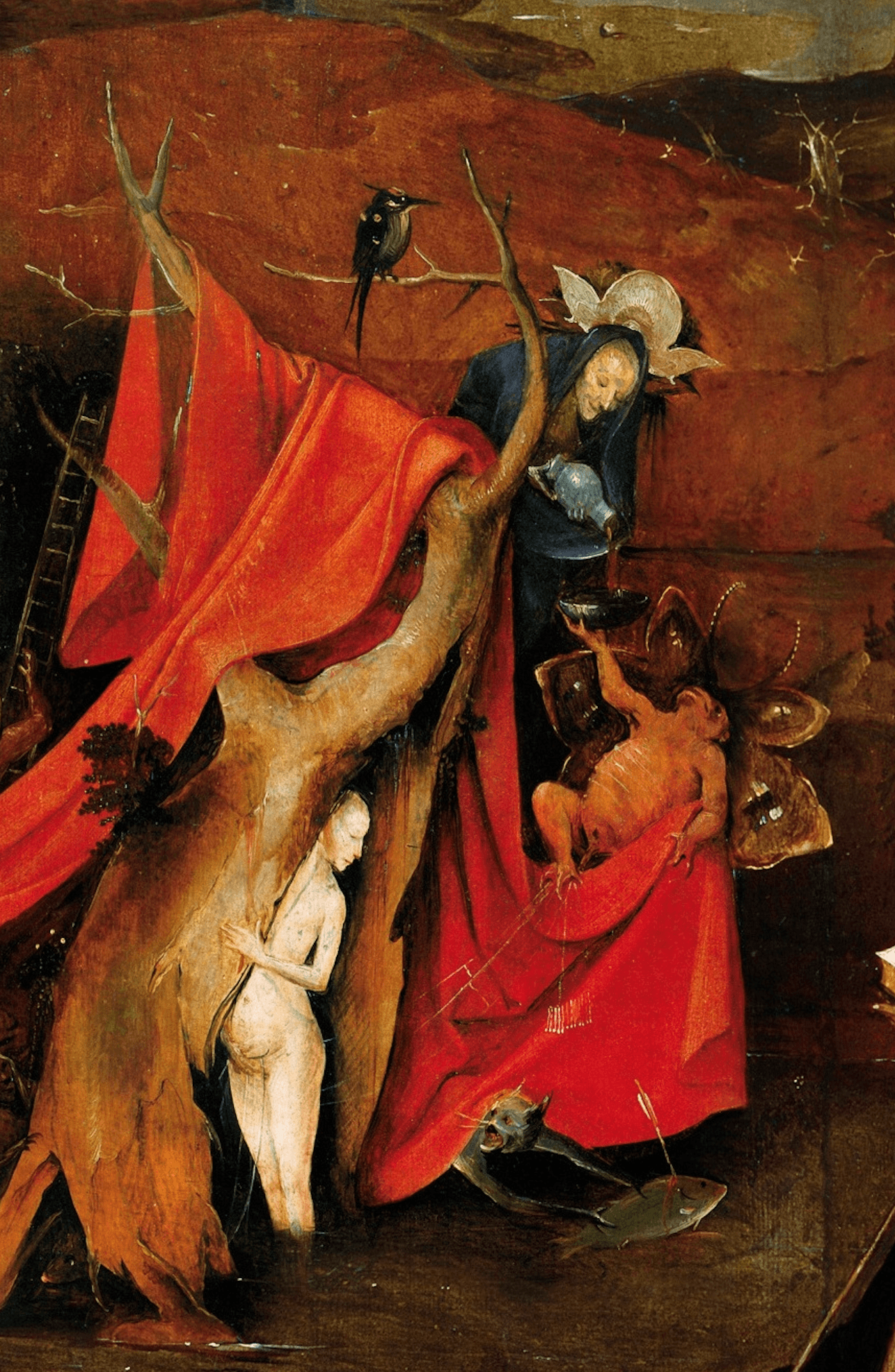
This one, we can stop. We are all for arbiters of taste. Arbitrage is the only way out of the slop.* But once every collection of objects or ideas became a curated entity, the word and the practice lost all meaning. People started to refer to singular objects as “curated”: a brand identity, a tuxedo, a flowerpot. Professional curators stopped curating and started reacting, flexing, bargaining. Now, a quarter of the way through the 21st century, under the relentless barrage of “content” out there – we won’t insult you by calling it “information” – we don’t need curating. We need editing.
EDITING VS. AUTOCORRECT
Original spell checker tools only highlighted misspelled words; they didn’t suggest or insert alternatives. In 1971, a graduate student named Ralph E. Gorin studying under Les Earnest at the Stanford University Artificial Intelligence Laboratory (SAIL) used something called assembly language to write a program called SPELL. SPELL “looked for single character changes that would match a real word and interactively assisted the user in making corrections,” as Earnest describes it. Dictionaries could be added “arbitrarily” as long as there was enough memory to store them. But bigger vocabularies are not always better: in neural network-based language models, possible word sequences increase exponentially with the increased size of the vocabulary. If the data sets are too big, the machines can’t connect the dots. The doped-up LLMs we rely on today have scraped the entire internet, misspellings included. One typo can trigger an AI model with literally billions of parameters to deploy massive amounts of computing power to maybe fix the sentence. More sophisticated AI models do not make human oversight less necessary. They make spell check more likely to make mistakes. Don’t take our word for it. Check out the Anthropic careers page: editorial salaries at the AI giant can start upwards of 300,000 dollars p/a. Claude needs us more than we need Claude.
SUFFIXES
We love a good portmanteau. We are German, after all. Give us a long-ass Noun of Nouns. But it is time to leave the suffixes alone.
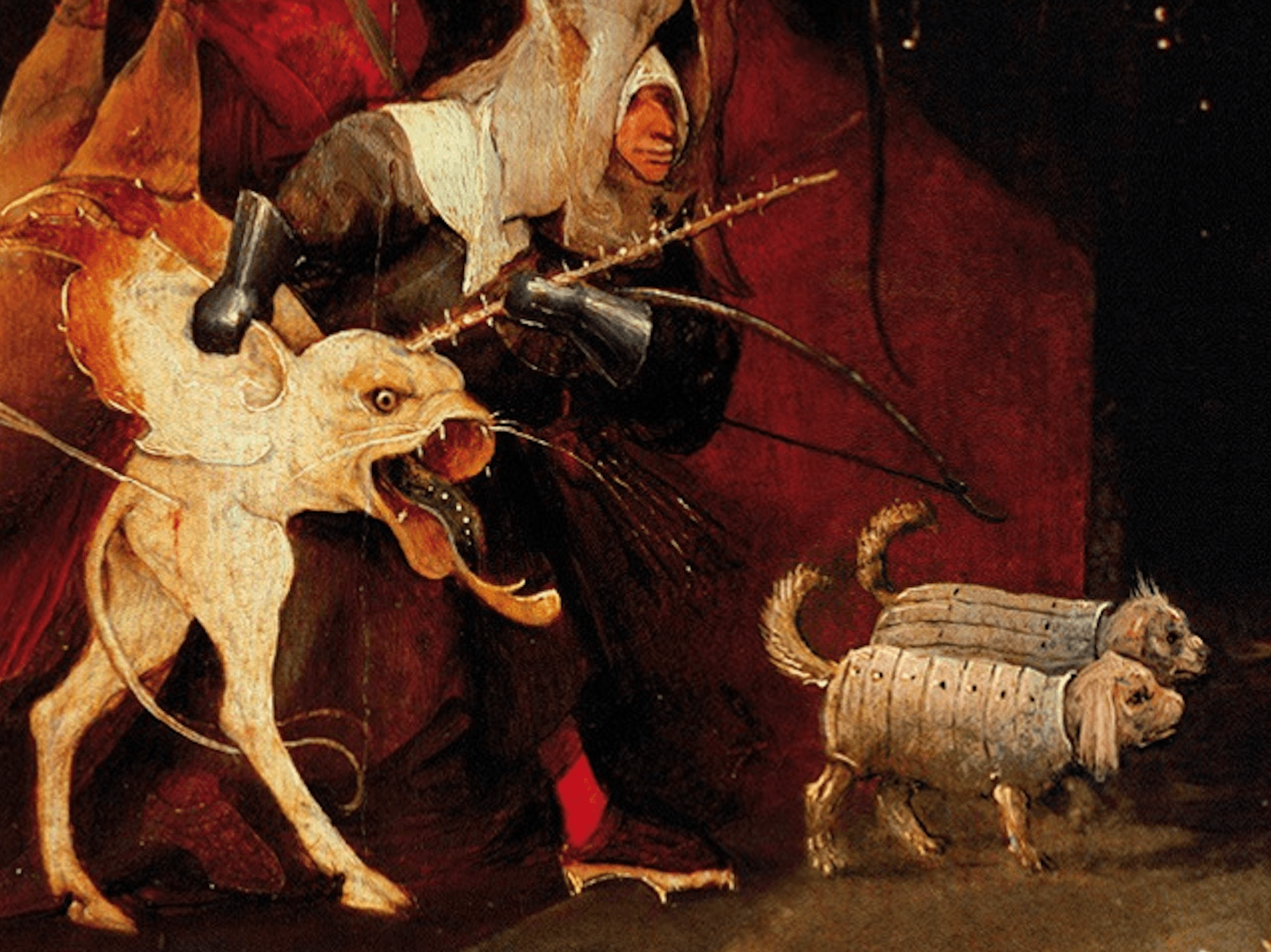
The word “suffix” (Latin) means “to fix from below.” Not “fix” as in repair, but as in “fasten” or “attach.” And we get very attached to suffixes – to things like “core,” “maxxing,” “pilled,” “slop.” In amplifying the distribution potential of an idea, these supplements suppress the concept’s functional substance and depth. They also create redundancies. Absence of taste is fundamentally implied in “slop,” so something like “tasteslop” literally eats itself. Then it feels ill. When virality supplants meaning, everyone suffers.
Not to overextend the metaphor, but suffixes have become asphyxiating, possibly autoerotically: mostly, slapping them on everything is only titillating for the one doing the slapping. The rest of us are left to suffocate beneath a barrage of senseless terms competing for their 15 seconds of fame in a “starter kit” meme – a format that any trend forecaster worth their salt will tell you is passé.
This brings us back to the idea of fixation from below. Putting suffixes on things is sort of aspirational, and we support aspirations. That is what magazines do. But not like this.
*“SLOP”
Hilariously, the word “slop” relates intimately to ready-to-wear. In the late 14th century, “slop” referred to a loose outer garment, presumably because one could slip into it. Around the same time, it started to refer to liquid household waste. A “sloppy joe” was a loose-fitting sweater for girls (c. 1942) before it was a wet pork sandwich (1960s). “Slop” connected material culture to garbage long before anyone was doing fast fashion or fashionable coinages.
MATERIAL REALITY, PART 1: BOOKS
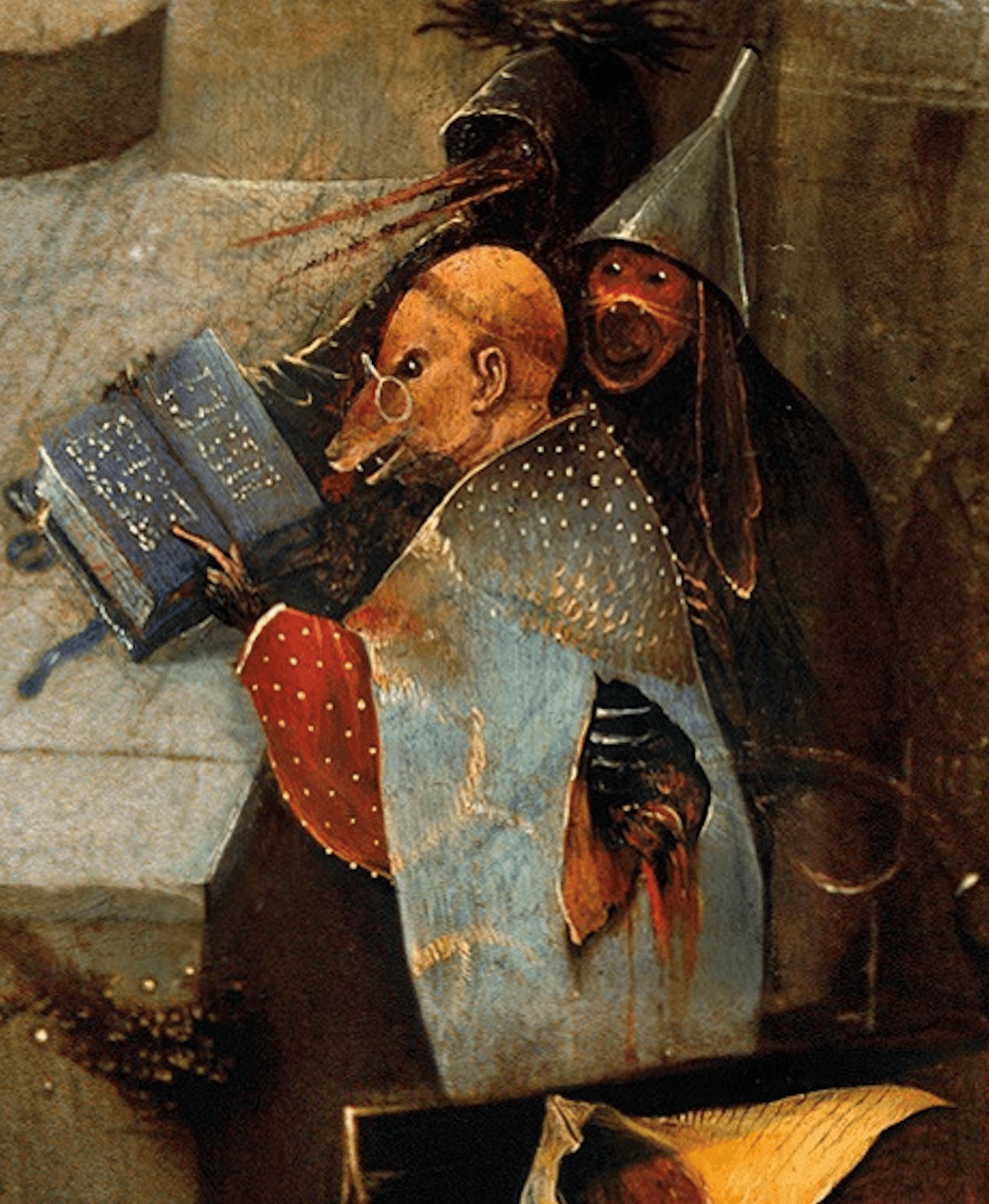
Fashion Instagram was oddly grumpy about the “books and libraries” trend that appeared in various campaigns and activations last season. The argument was that fashion houses are basically “pretending” to read, aestheticizing the sacred object of the book without cracking it open. Fashion houses are reading you. And books are part of material culture, too. Their production and distribution leave a big carbon footprint, and they cost money to buy. If fashion has turned books into luxury objects, they are easily the most accessible – and the most valuable – products in that category. We’ll take a branded library pop-up over no library at all. There is no need to police who has done all the reading.
“POST-COOL BERLIN”
A number of panel discussions and op-eds in the last couple of years have posed the question of whether Berlin is still “cool.” The consensus seems to be that it is not. The idea of an inherently “cool” city is uncool, as is complaining about one’s city as if it were not only a part of a global whole – and as if one were not part of what happens there.
Discourse around “post-cool Berlin” attempts to diagnose the feeling that Berlin’s long era as Europe’s mythic capital of cheapness and artistic freedom has ended, or at least hardened into brand identity. Its rents are higher and its apartments scarcer than they were 20 years ago. But where are they not?
To those who blame gentrification for the erosion of Berlin’s subcultural cachet, we say: have some self-awareness. We all had a hand in that process, and when you signed the lease on your 380-euro-a-month 120 m2 flat in 2007, you accelerated it. You just didn’t profit from it like the Swedish real estate company you were renting from did, and now that they’ve sold the building, you have to confront that reality. We’re not saying you shouldn’t have taken the apartment. Just don’t act like there wasn’t anyone there before you.
Some blame the malaise on the absorption of Berlin’s “alternative” identity into governance and capital: the
treatment of clubs as assets, luxury brands’ over-identification with the brutalist aesthetic, the official recognition of techno as cultural heritage. Techno is not even from here. It was appropriated, just like the rest of the country’s prized artifacts. This is the capital of Germany, a country known around the world for bland food, blind adherence to rules, and terrible customer service. Things could be so much worse. Instead of worrying about what side of “cool” we are on, you should probably worry about being on the right side of history.
MATERIAL REALITY, PART 2: DANCING FUCKING THINKING
Apparently, the kids aren’t drinking and dancing at nightclubs anymore because they are afraid of being filmed looking silly. We famously have a solution for that in Berlin: ban the camera, not the shenanigans.
We want young, consenting adults to be having sex. This isn’t about the declining birth rates; we are as grossed out by the Silicon Valley–funded natalism cult as we are disappointed by reports that young people aren’t having as much fun as they used to. This is about bodies – not optimizing or glorifying them or putting them to “good” use, but just remembering that we have them.
The body is also where the brain is.
Credits
- Text: Victoria Camblin