“The Violence is the Absurdity”: Paul McCarthy and Nadya Tolokonnikova in Conversation
|THEO MERANZE
Amid the uneasy cleanliness of West Hollywood, Paul McCarthy’s paintings, drawings, and sculptures exude the most disturbing of pleasures.
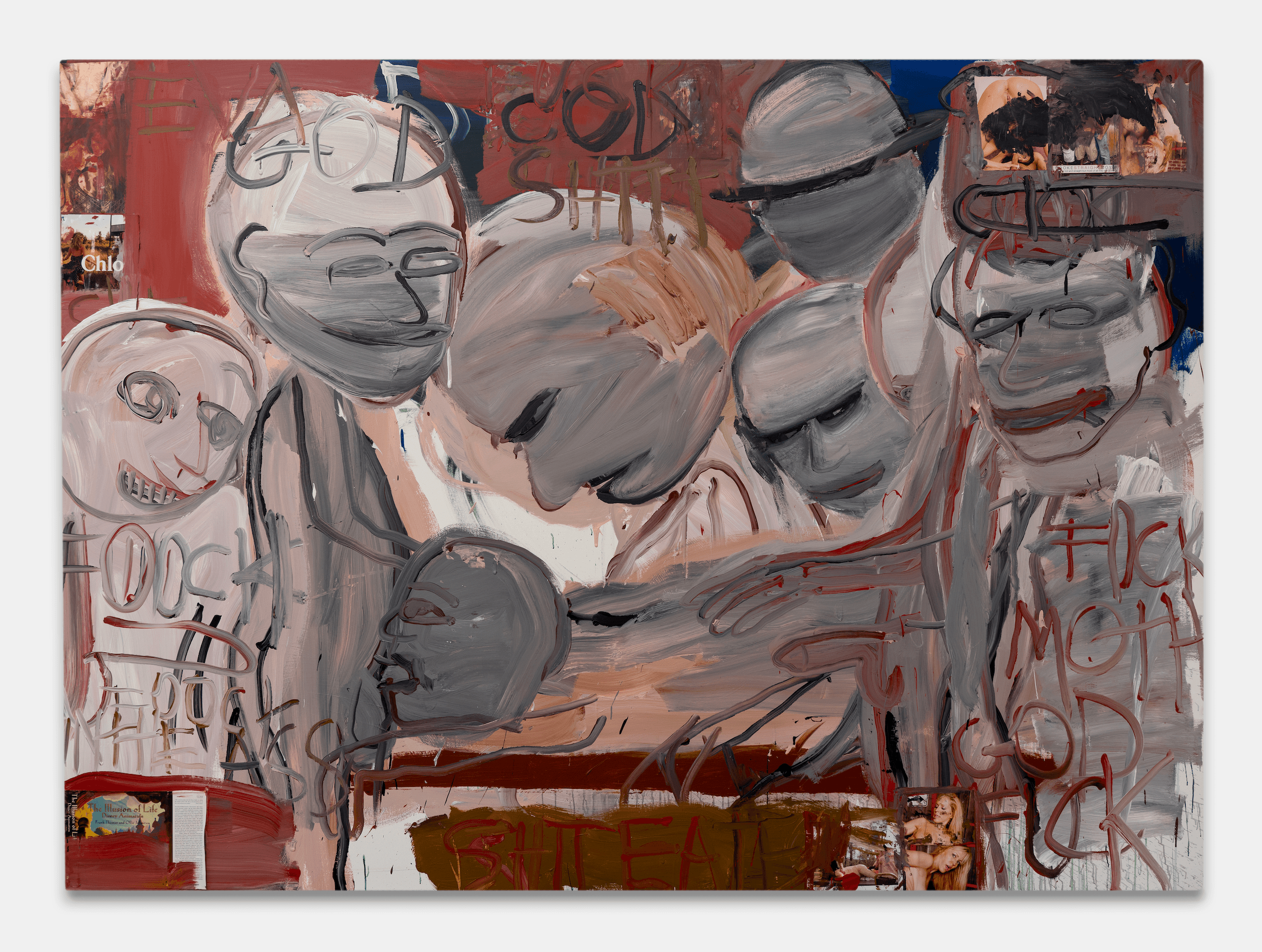
Paul McCarthy, CSSC GOD COD, acrylic and collaged magazine on canvas panel, 2023. Courtesy The Journal Gallery
Smiling beings violate the isolated ones; a man, or at least what appears to be a man, gleefully shoves a pole into an exploding earlobe as his accomplices watch on with excitement; the words “GOD KILLS,” “FINGER IN THE ASSHOLE,” “EATER” bleed out from vomit-colored rainbows. Society’s basest forms of barbarism spill out of the walls of the artist’s recent show at The Journal Gallery in Los Angeles, exorcizing the forms of quotidian, maniacal violence veiled within our systems of collective consent.
How can an artist confront violence, especially if their practice is both contingent upon and subject to those very systems? Despite the art world’s attempt to make them into symbols of this struggle, Paul McCarthy and Nadya Tolokonnikova of Pussy Riot don’t have the answers to such a question. But they did have a conversation about it, moderated by art writer and curator Terry R. Myers, on April 14 at The Journal Gallery.
For McCarthy, who’s been attempting to show uncompromising work for decades despite the art world’s decadent appetite for censorship, it was a fitting scene. Surrounded by his paintings, which were all inspired by a yet-to-be-exhibited film he made with his son, McCarthy, Tolokonnikova, and Myers spoke about the problematic nature of being labelled a “dangerous artist,” the artist’s radicalization during his college years in Utah, the death drive inherent to American life, and the absurdity of violence.
Terry R. Myers: I lived in New York from the mid-80s to the mid-90s, and I reviewed Paul’s very first show in New York at Luhring Augustine. So I’ve been paying attention for a long time. And Nadya, I’m thrilled to be seated here next to you, too.
I got to New York in the mid-80s and I was a scared little kid from the Midwest. I sat at the back of a lot of ACT UP meetings and learned. I got my education being there, met a lot of amazing people, got my real schooling by hanging out with friends who were a part of, for example, the Lesbian Avengers, Fierce Pussy, Dyke TV. And, even though I'm settled into my comfortable life, I rely upon that anchoring to understand what it is to be valued, and what it is to be refused and rejected. So I have a way I’m going to start for both of you. And you can do with this what you will, but I took the bait: I’m seated here with Paul, who we were recently told is maybe “the most dangerous artist in Los Angeles,” and Nadya, who I think could give him a run for his money in that regard. So, my first question is, what does it mean to you to be dangerous?
[Laughter amongst crowd]
Paul McCarthy: I think that is just a line from the beginning of an article meant to cause sensation. I actually think it came from the editor and not even the writer.
So what does it mean to be dangerous? I don’t think I’m that dangerous, but I do think the work I make is pretty insular. I just make what I feel. It’s like regurgitating society or throwing up. I take it in and then throw it up. I don’t think about trying to be provocative. I’m making what I think I have to make, what I think is necessary. It’s important for me not to pay attention to the viewer or what other people think I should be doing. I do what I really want to do and what I believe in. Somebody recently told me that my work is getting more extreme. And I said, well, we’re living in pretty fucking extreme situations. So I think I’m just going along with the current; it’s rough water.
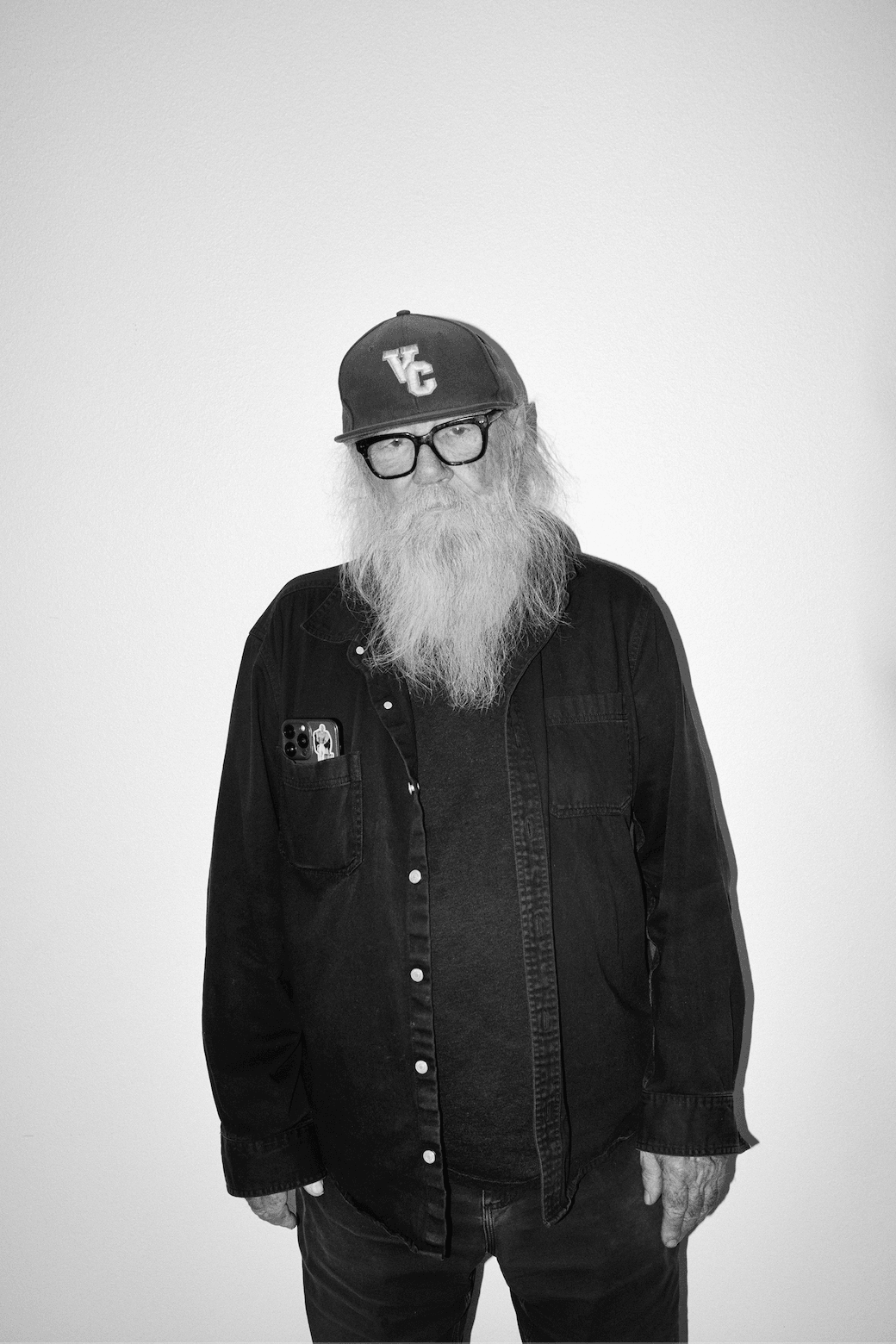
Portrait of Paul McCarthy by Elisabet Davidsdottir
Nadya Tolokonnikova: Paul, I have a question for you: When did you first start to put this kind of transgression into your performances? Were you a shy kid, or have you always been performative?
PM: I ended up at the University of Utah, which is so strange. And it was quite radical at that moment. The younger teachers were all Marxists, and the “Peace and Freedom Party” was formed in the art department. What was really interesting was that, at this time, the school had done away with drawing classes and initiated experimental films. That moment was instrumental for me. I really just believed in all of it.
NT: So you really became radicalized while studying in Utah? That’s crazy.
PM: Yeah, in Utah. Then they fired all the teachers, and I left for San Francisco. It was a very short period, about four or five years, that the school was like that.
NT: Do people still, like, have 17 wives in Utah or something like that?
PM: They probably have a hundred. But yeah, in Utah, I was surrounded by conservatism.
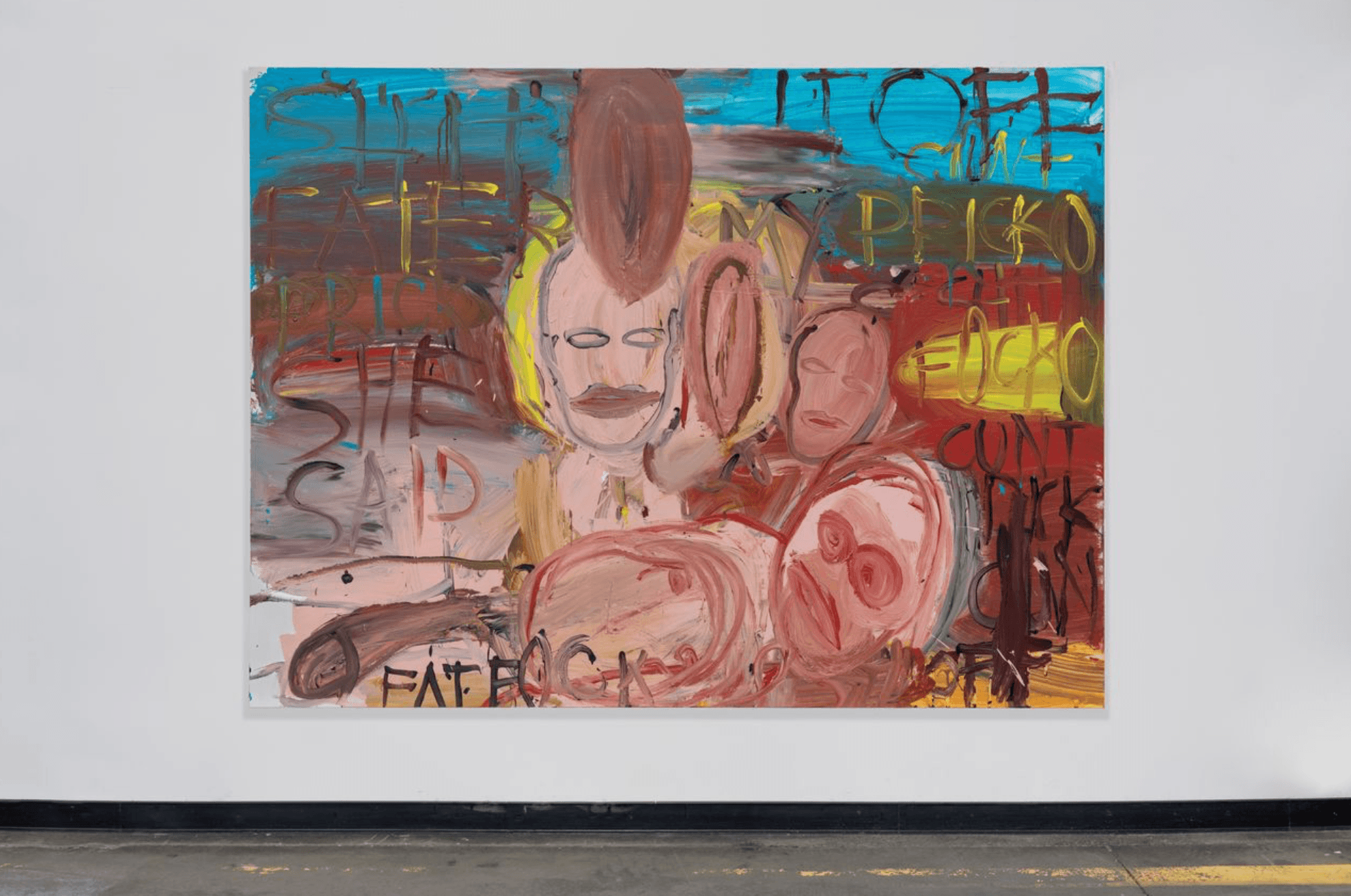
Paul McCarthy, A&E, SHE SAID, acrylic on gessoed panel, 2023. Courtesy The Journal Gallery
TM: Would you say that the school was pretty separate from a lot of that? Art schools, especially then, could be a kind of bastion against conservatism.
PM: You know, I never knew of any polygamists. They were hiding. There was a famous one who lived down the street from me, and I didn’t even know about that. But I’m sure that a lot of my work has to do with…
NT: Fucking?
PM: Patriarchy. It’s all about Patriarchy.
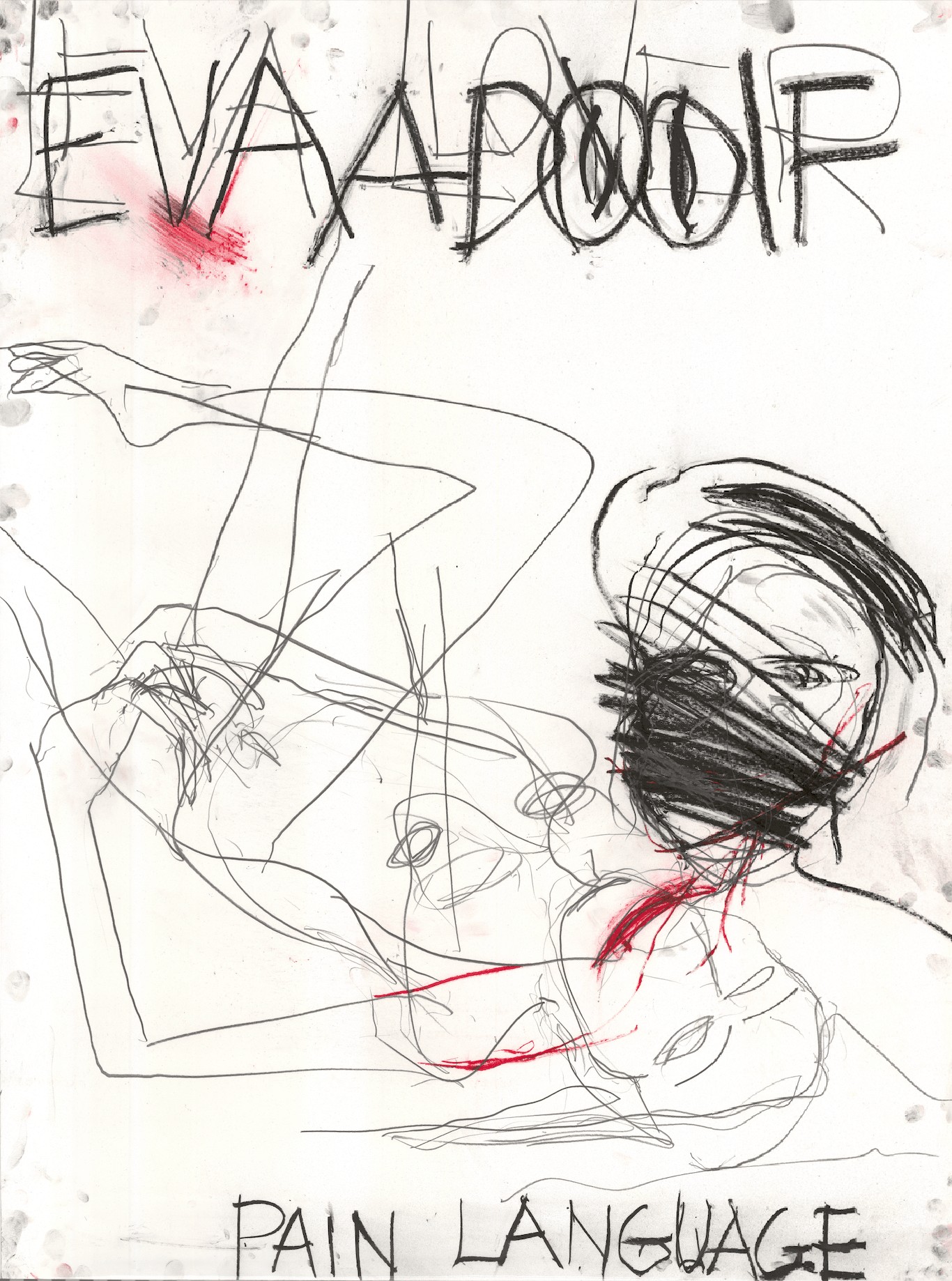
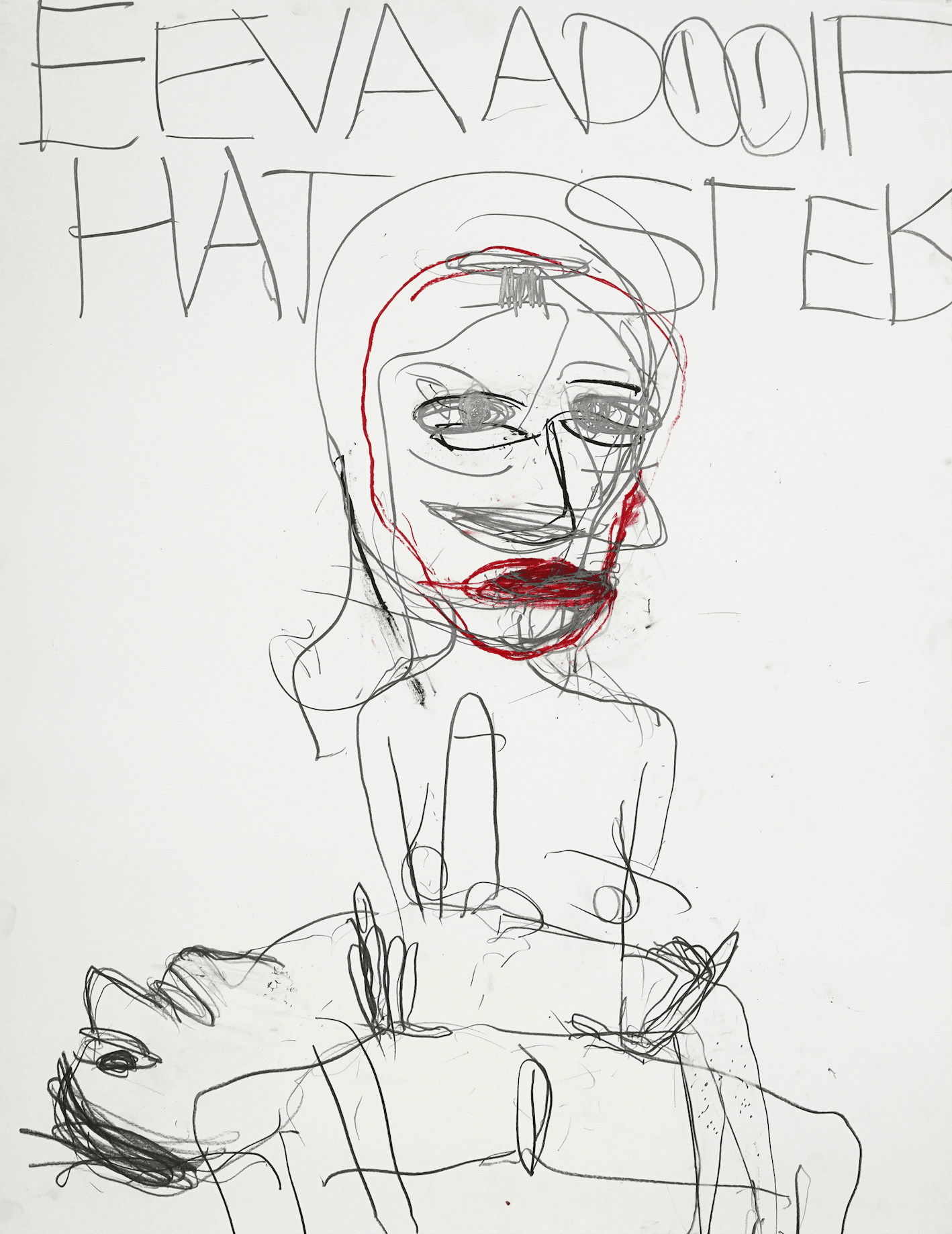
Left: Paul McCarthy, A&E, PAIN LANGUAGE, pencil and pastel on paper, 2024. Courtesy The Journal Gallery
Right: Paul McCarthy, A&E, EEVAADOOLF, pencil and pastel on paper, 2024. Courtesy The Journal Gallery
TM: That’s the link here. And I would say I that the previous question was me deliberately fucking around with the idea of “being dangerous,” because the whole point is that you two maybe are the least dangerous artists around. What’s dangerous is the rest of the world right now; what’s dangerous is what people are thinking about the kind of work you guys do. That’s where the danger is. That’s where it always has been.
And Nadya, you’ve had serious danger presented to you on many occasions. So when I saw the Vanity Fair thing, I thought that it just gives a lot of assholes sort of carte blanche to think something about Paul's work that reinforces a structure that doesn't really help many artists in the long run, you know?
NT: What did Vanity Fair say?
TM: Vanity Fair did a big article about this show and said Paul might be the most dangerous artist in Los Angeles.
NT: Danger is a very situational term. You can’t really extrapolate the idea of danger to an entire society.
TM: Well, people try. We’re presented with propaganda that tries to work in that way, which relates to fear. I think that the job you two do so brilliantly is skewering that constantly through things like humor and play. The kind of playfulness that’s in all of your work and the work you did with Pussy Riot: it’s crucial. I learned from ACT UP that laughing in someone’s face was somehow the most powerful thing you could do.
NT: Or shooting them.
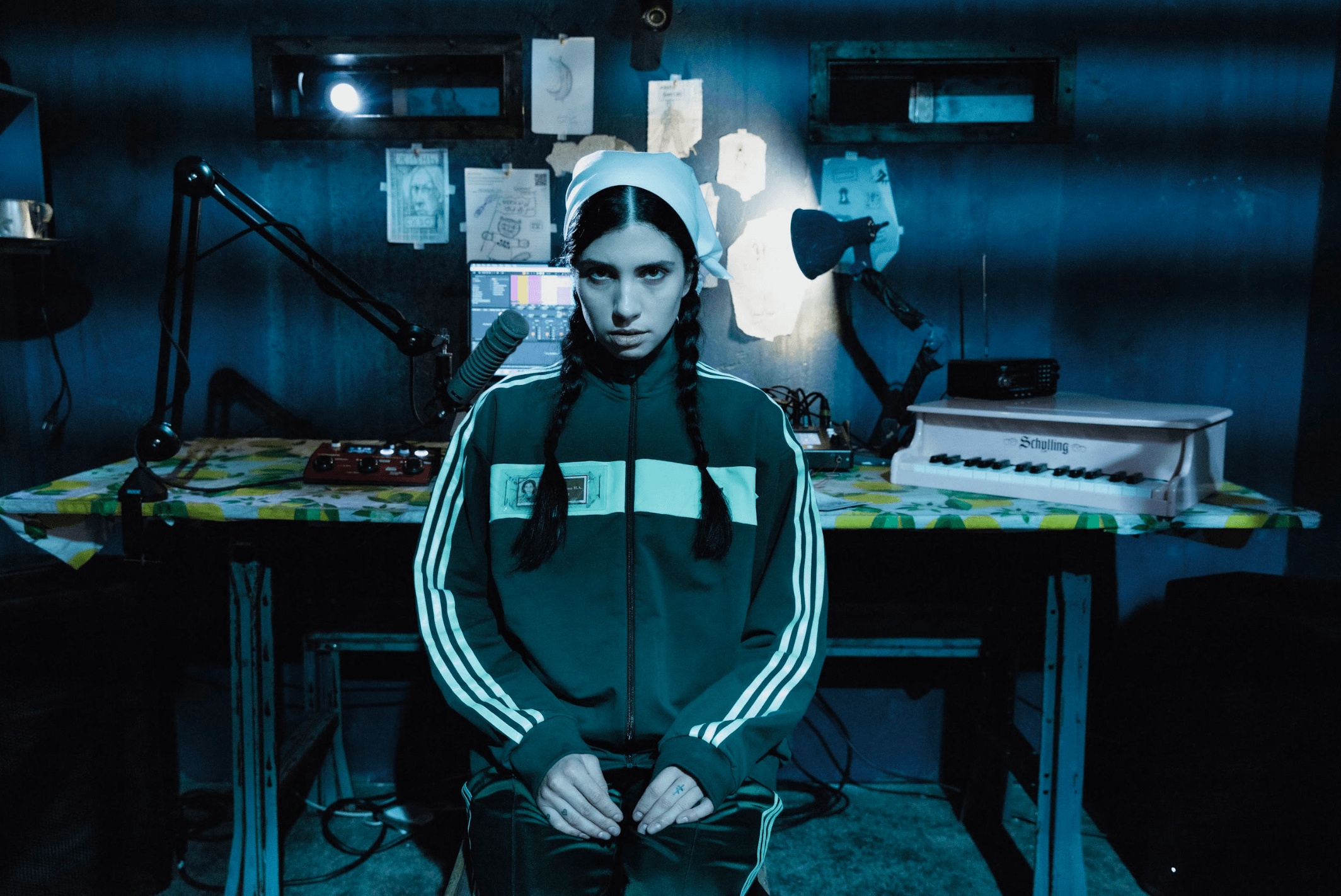
Nadya Tolokonnikova, POLICE STATE, (2025). Performance documentation from The Geffen Contemporary at MOCA. Image by Yulia Shur courtesy of MOCA.
TM: Well, sometimes the shooting gives them what they want. That’s the issue with the insanity of it. What’s packaged and presented as a kind of normalcy is anything but. And your works threaten that.
Paul, what drew me to this show is that you were going to show paintings. How great it is for you to bring the work back to town and put these paintings up with the drawings and the sculptures. And as I said in the text, the missing elephant in the room, the moving image, is not here, but its presence is everywhere: I’m curious, now that it’s up, what do you think about that?
PM: One of the things that I feel is going on here is censorship from the art world. I look at these pieces as things that were made in relation to pieces that haven’t been seen. So they’re a sampling of some sort. Like, the bodies are things that are from the film.
At this point, with the work I’m doing, there’s stuff that can go in a gallery, and there’s stuff that can’t. Maybe that will change. Maybe the art world will change, and something will happen, right? Maybe the situation going on in the world will make the work the art world accepts change from decor, or constant decoration. I'm not against it in one way, but I’m against it controlling everything.
I don’t exactly fit in the art world.
NT: If you don’t fit in the art world, I don't know who does.
PM: I think I fit in some ways. But in another way, the last ten years of my work has hardly been seen.
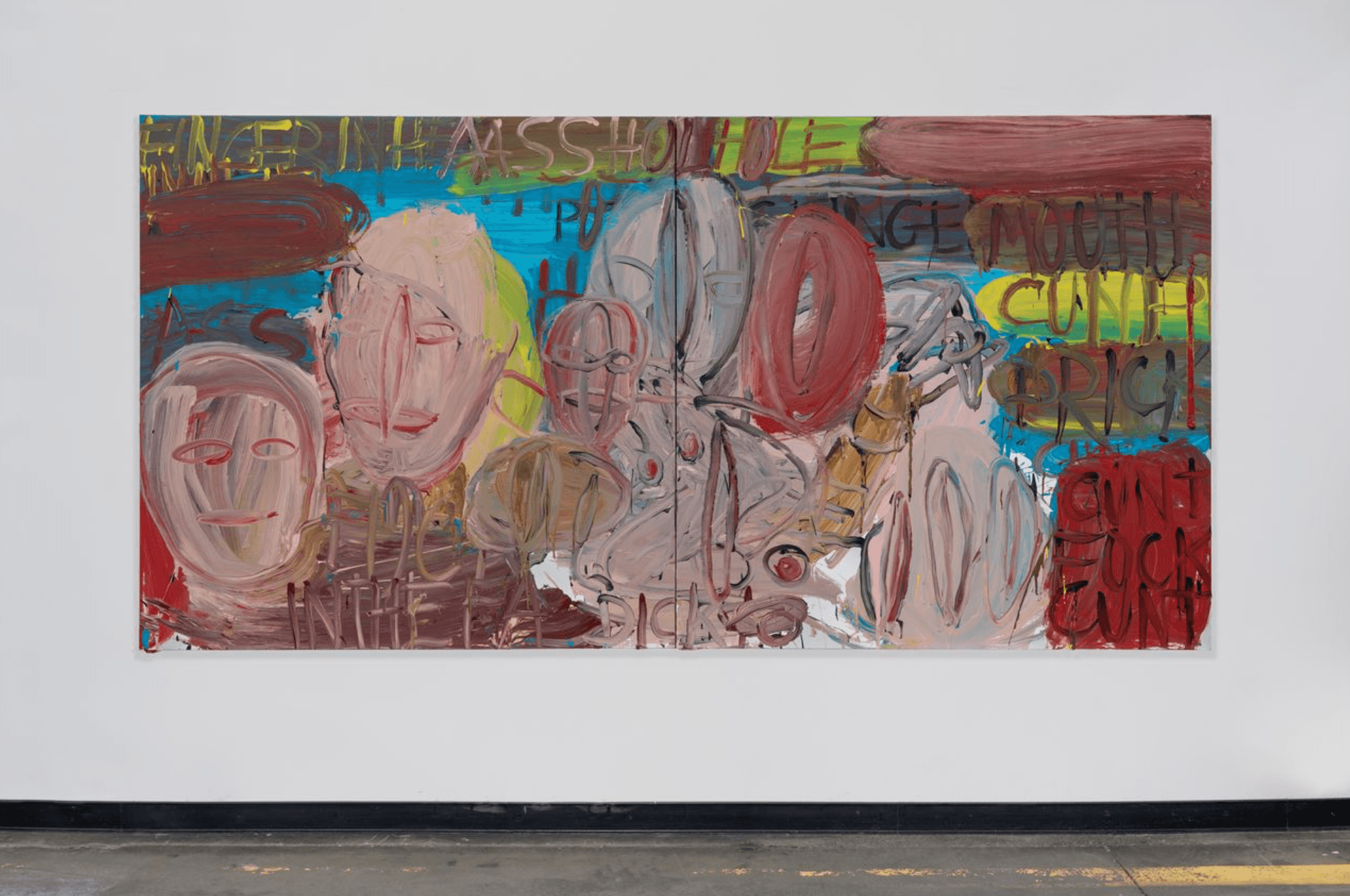
Paul McCarthy, A&E, AASSHOLHOLE, acrylic on gessoed panel, 2023. Courtesy The Journal Gallery
TM: The other thing I realized after watching Nadya's performance at MOCA, Police State, is that neither of you are completely jettisoning something that we could call aesthetics. Again, Paul, these paintings just annihilate all the shitty, lousy painting that’s out there in the art world today. And people who know me, know I’m on my soapbox about that too. I’m really bored with most of it. But in your work too, Nadya, there are things that maybe in another context could read conservative in terms of aesthetics and an interest in a certain idea of craft.
NT: Tell me more? I don’t want to be conservative, like what could be more radical for me?
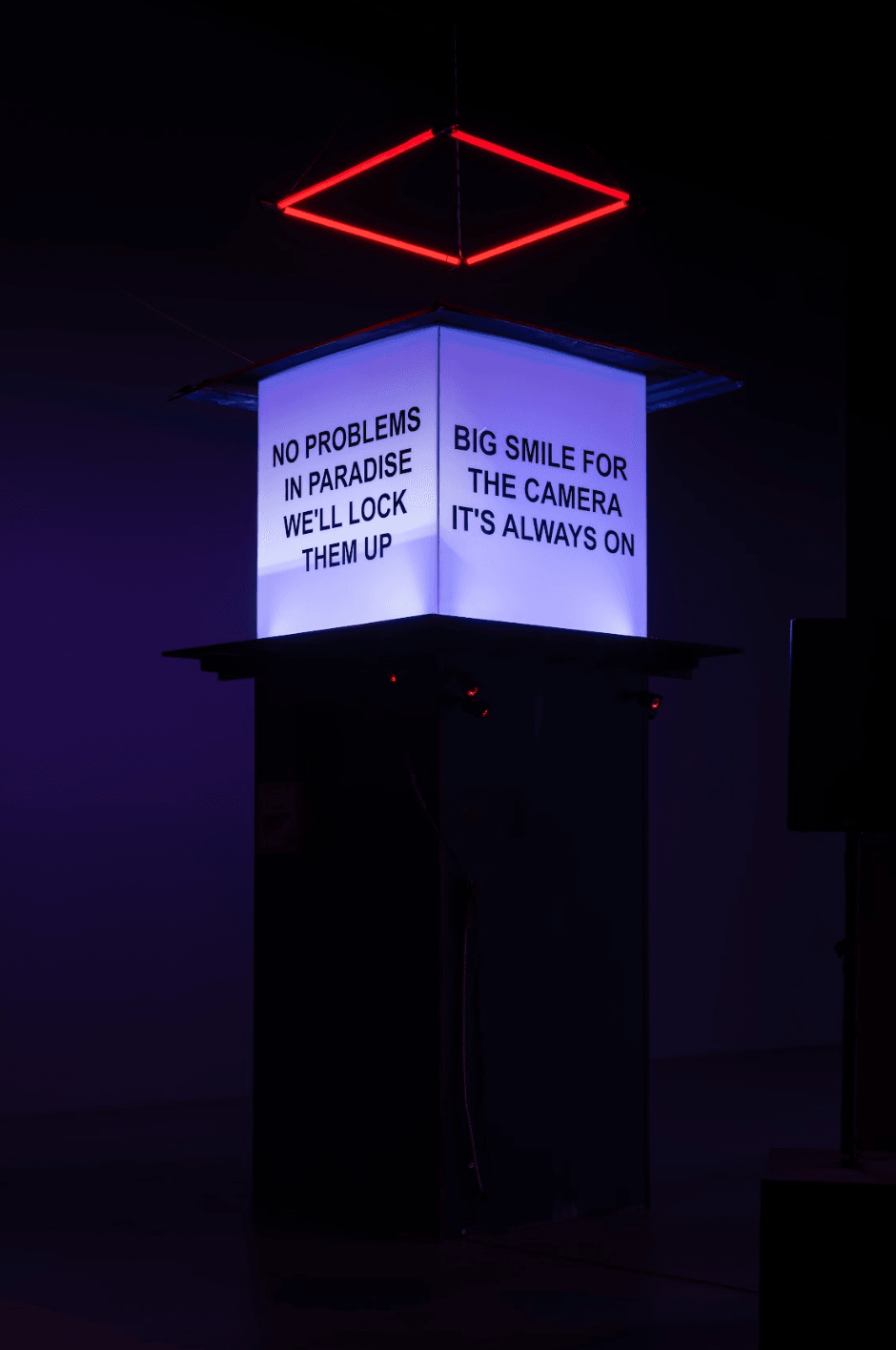
Nadya Tolokonnikova, POLICE STATE, (2025). Performance documentation from The Geffen Contemporary at MOCA. Image by Zak Kelley courtesy of MOCA.
TM: Well, no, my point is that these terms constantly upend each other. Like the point you made: it’s situational. You’re just trying to make what you want to make and say the things you want to say. And then there’s this projection from the art world: Paul’s the most dangerous artist in Los Angeles, etc.
Anyway, the point is that these paintings in particular are really good, and I don’t say that very often these days—and that that can be okay in the face of everything you’re talking about.
Supposedly, we’re all talking about Josh Kline’s article in October magazine about the New York art world and real estate. He really goes against painting in it. And what’s going on in the market isn’t helping painting either. So the idea that somehow painting is the enemy full-stop is not true either, in my opinion. But again, I think that the range of what you presented at MOCA, Nadya, was very provocative. And again, where does Paul fit? You’re just constantly moving in the work and everything is kind of interrelated, but nothing ever gets completely pinned down. Paul, would that be an accurate thing to say? Would you accept that you’re not trying to fix things into a certain place, into a certain way of being?
PM: When I was making this film, which the paintings in the show are based on, I wanted to make a film that was about America, where pioneers are going from somewhere like Kansas or Missouri and crossing the plains. And everybody’s happy, and it’s all kind of clichéd Hollywood. It’s based on the Donner Party, and by the time they get to the Sierras and up in the snow, they eat each other.
I kind of believe America is on a death drive, and maybe even humanity is on a death drive; we’re seeing how close we can get to killing ourselves.When I started making that, I switched and decided I wouldn’t use covered wagons and instead would use a stagecoach because it looked like a skull. I thought it was about three stages of violence: the first stage is the libertines in the coach. There’s four of them: Ronald Reagan, Nancy Reagan, Jesus Christ, and Mary Magdalene. They’re the libertines, and Adam and Eve are the innocent. So the first stage of violence is abuse—verbal and sexual abuse—but nobody dies, right? They use shit. They shit on each other or whatever.
But the next stage of violence is when the stagecoach gets attacked by a group of men. Men who are Berserkers. They stop the stagecoach. They don’t want the money. They just want to kill everybody. They’re berserk. And I thought in some ways, looking back, it’s ICE. I think the point is the absurdity of what humanity has constructed. It’s the construction that’s absurd: our absurdity.
NT: Do you think it was always here? Like, when we were living in caves?
PM: I don't know. I don't know what we were like. But I see it here. I feel that it’s the subject of the work. It’s about existence, and violence being the most absurd act. The violence is the absurdity.
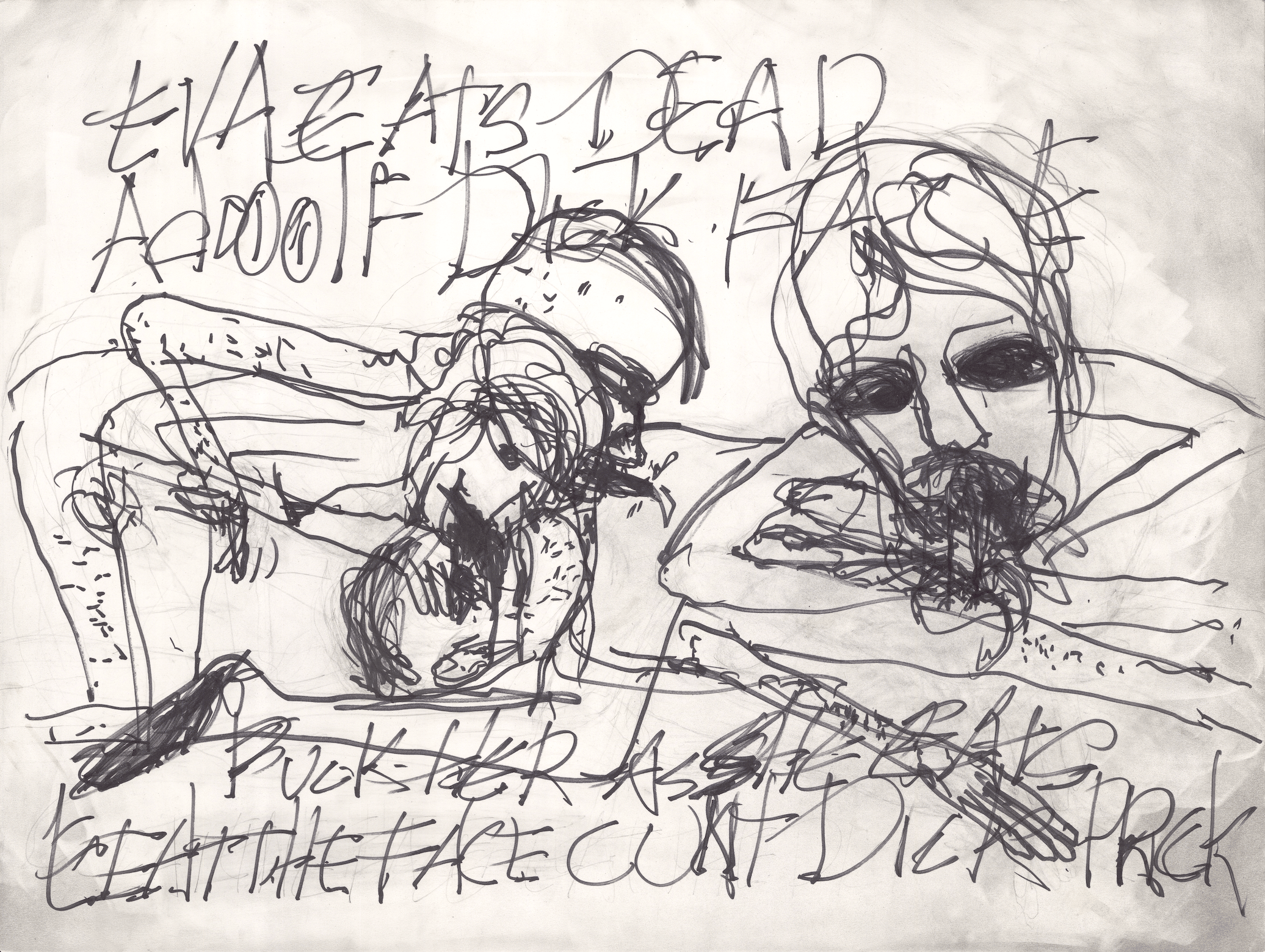
Paul McCarthy, A&E, EVA EATS, marker on paper, 2021. Courtesy The Journal Gallery
TM: Another thing I would interject is all the times where you’ve mentioned how you make work while in character. And I think another thing that gets projected onto artists all the time, and both of you have had your fair share of it, is that somehow the work is you. And no, the work is not you. The work is the work.
I think with Paul’s work, it puts you right in the performance that you’ve done. It’s about the creation of a character space or a kind of performative space. And that doesn’t necessarily work for the audience. Often, they want to believe that somehow they know who Paul McCarthy is. But you’re playing games with them constantly.
PM: I realized I was talking like Andy Kaufman’s alter ego Tony Clifton when I was painting these paintings. And I decided that for some reason, it was all about God. And Tony Clifton was telling me that I don’t trust God, and I should trust God. And really it was kind of a joke. I’m talking like Tony Clifton, and I’m saying, “Paul, you don’t trust God.” What that was all about was really letting go.
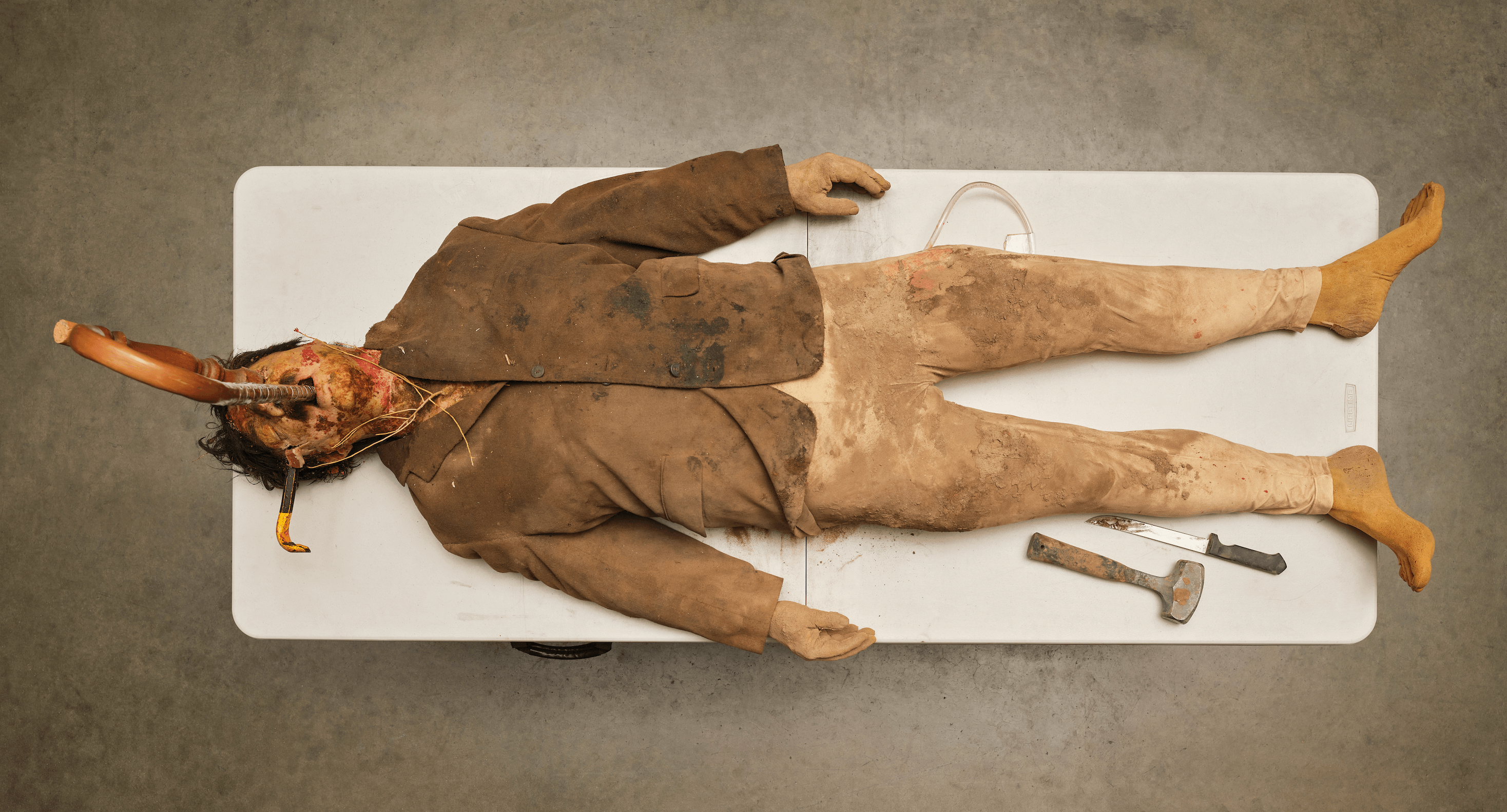
Paul McCarthy, A&E, A/A Murder E/E Suicide, silicone, clothing, dirt, fake blood, cane, wood, 2022. Courtesy The Journal Gallery
Credits
- Text: THEO MERANZE