The Perfect Storm: The Deftones Phenomenon
|Cassidy George
With technology dictating new musical realities, what’s “new” is no longer relevant – all that matters is what resonates.
Born in a Sacramento garage in 1988, Deftones anticipated the needs of an internet-native generation searching for meaning in the pre-internet past.
By making music that serves as an antidote to algorithmic malaise and insincerity, the band has redefined what constitutes a youth-culture phenomenon – all while in their 50s.
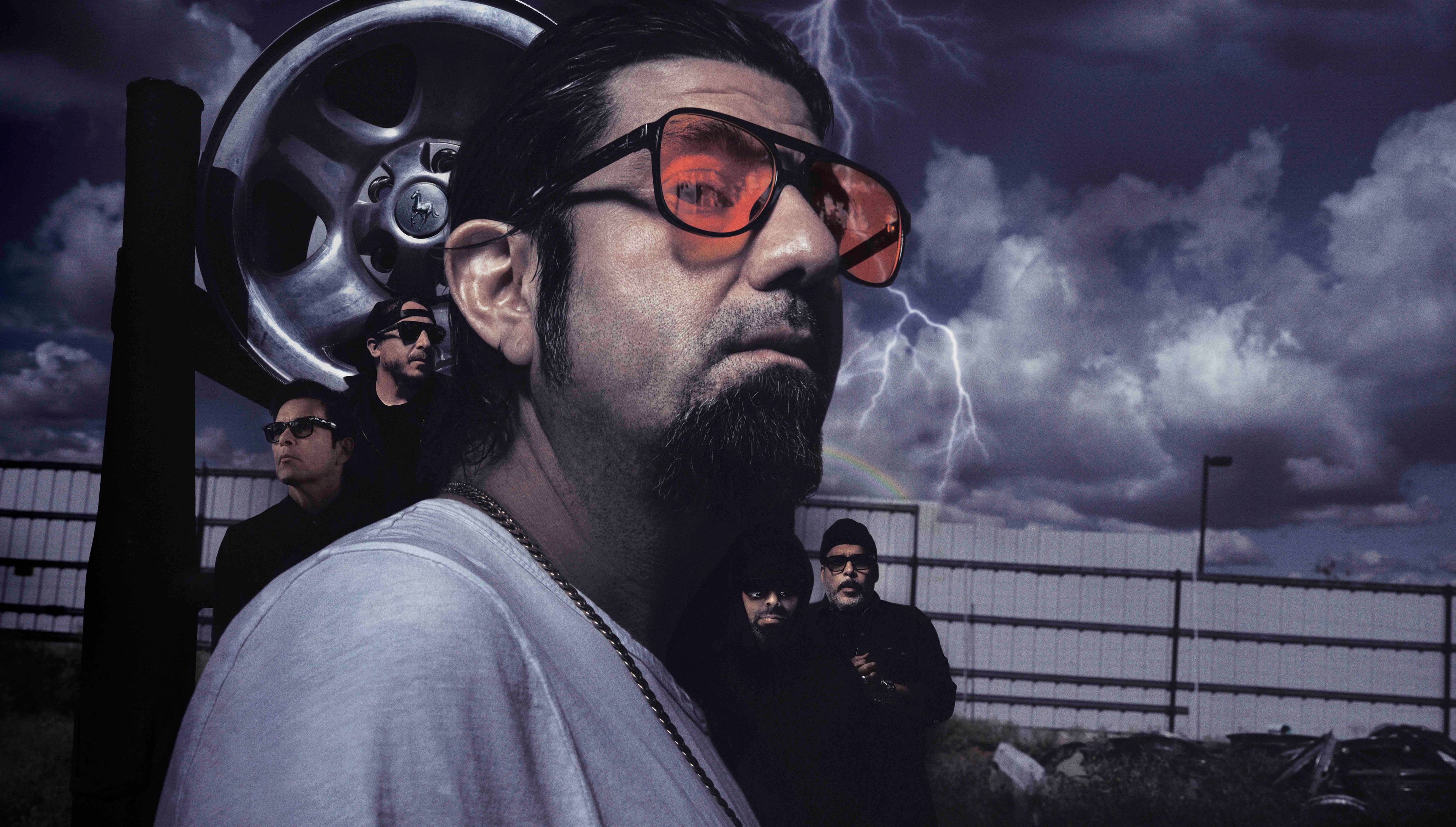
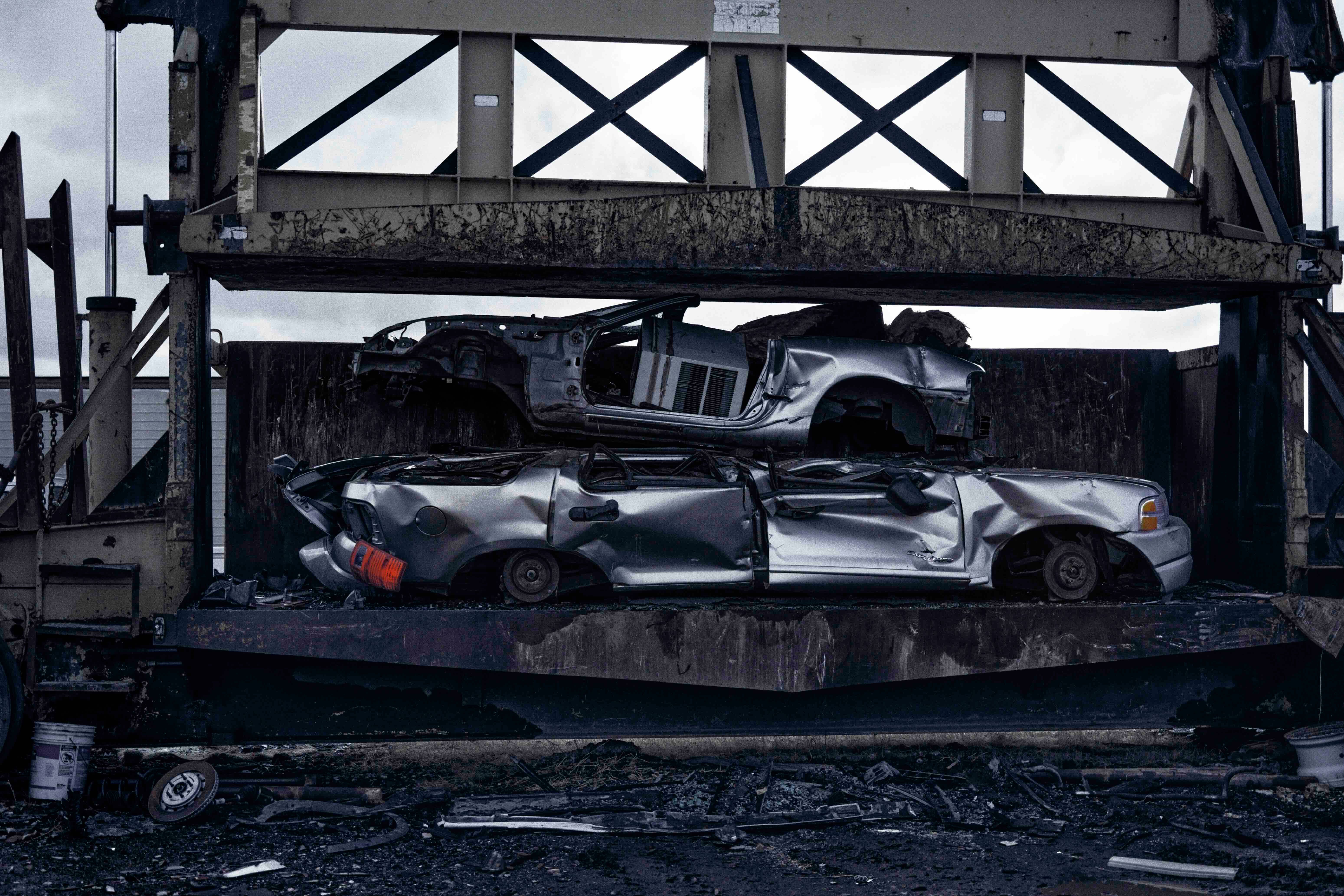
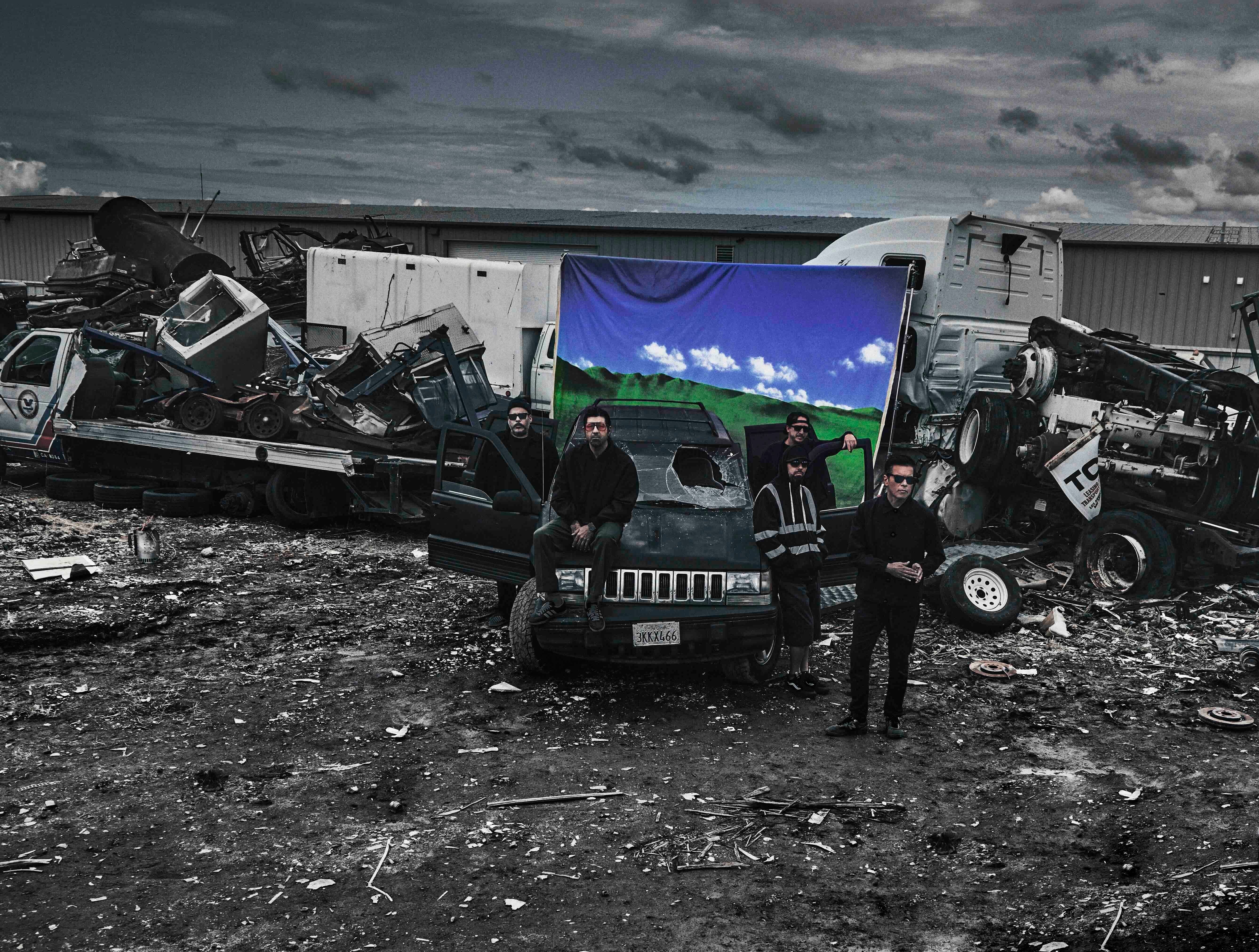
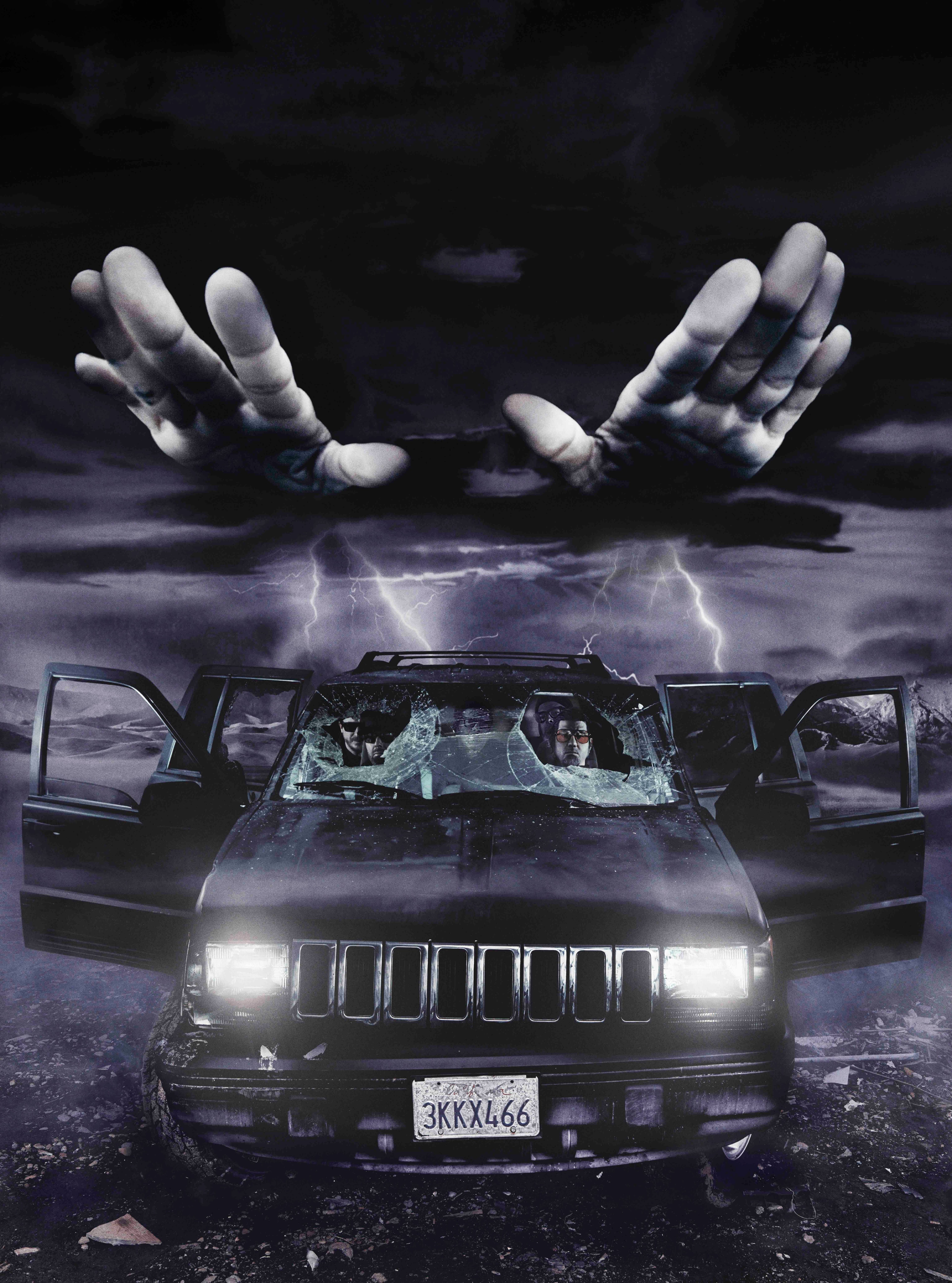
In the 032c archive, we highlight the best pieces from over 25 years of printmaking. With text by Cassidy George, photography by Jack Bridgland, and creative direction by Tal Midyan, this cover feature for 032c Issue #48 (Winter 2025/26) is a deep dive into the Deftones phenomenon. Limited copies of the magazine and the poster are still available for purchase.
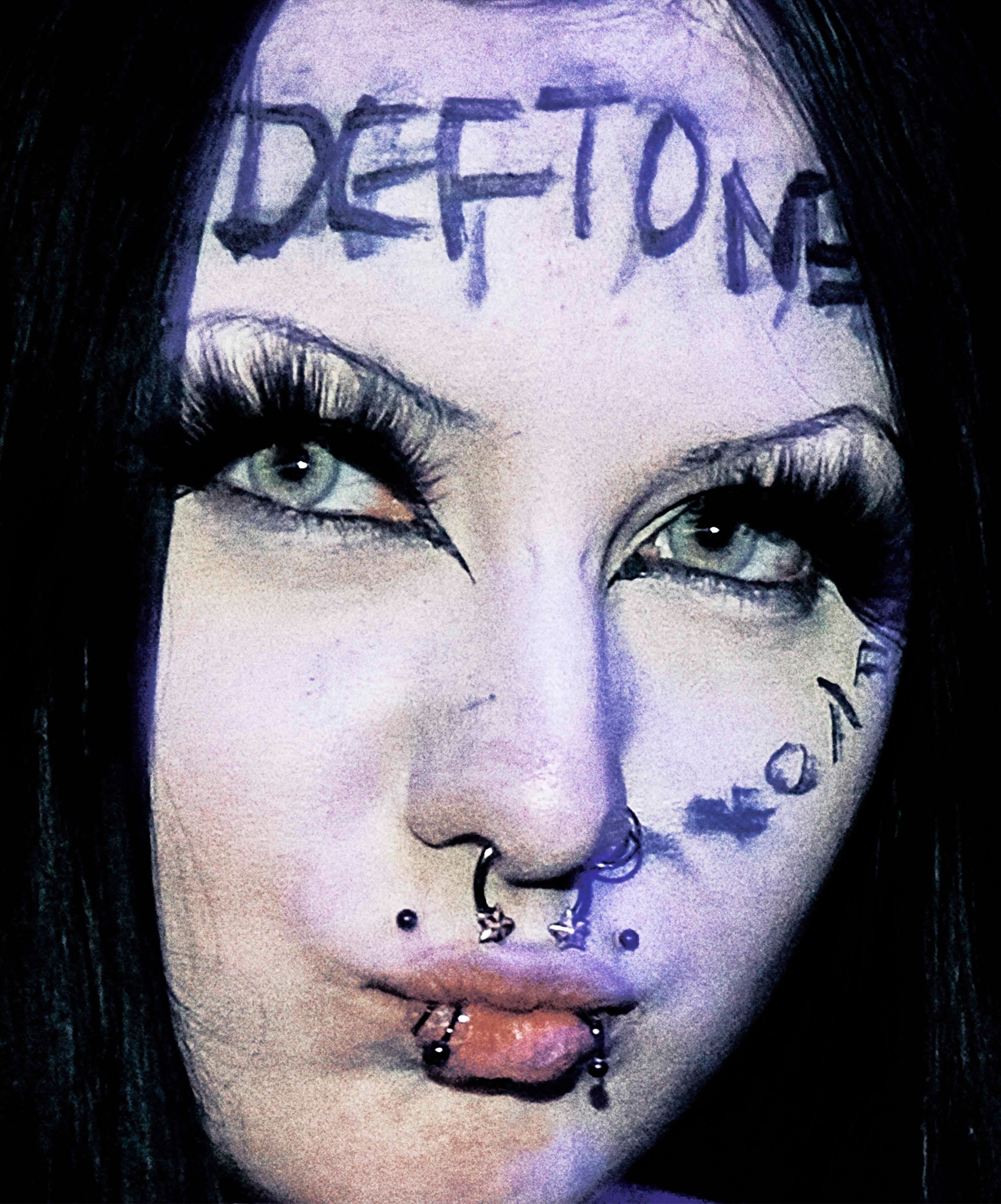
At an eerie, abandoned parking lot in suburban America, a Latina teen walks through a violent thunderstorm at night. She moves in slow motion as pellets of rain plummet toward her – and the lens of the camera filming her – at a 45-degree angle. Over-ear headphones keep the top portion of her slicked-back hair in place, as gusts of wind blow her long ponytail in 20 different directions. A gigantic flash of lightning illuminates the sky behind her, turning it into a lavender expanse for a fraction of a second. “How it feels listening to Deftones,” reads the text beneath her. This clip has been viewed 18.8 million times on TikTok alone.
For its audio, the clip uses the song “Change (In the House of Flies),” Deftones’ emotional, alt-metal hit from 2000, which features dissonant heavy guitars, trip-hop beats, and a vocal performance that crescendos from a dark, sensual whisper into a powerful, grunge-era wail. It is just one of 200,000 TikToks that use the same track; many re-create the same setup: teen, thunderstorm, lightning.
A recent TikTok analytics report stated that the 750,000 videos tagged with #Deftones have accumulated almost nine billion views. The vast majority of both the creators and the consumers of these videos appear to range from age 12 to age 18. Fittingly, lead singer Camillo “Chino” Moreno (whose nickname comes from his mixed Mexican and Chinese background), drummer Abe Cunningham, and guitarist Stephen Carpenter were in this exact age range when they started the band in 1988.
Like countless other entities that have come to shape life in the internet age – Disney, Apple, and Amazon, to name a few – Deftones began in a garage in California. The Sacramento natives were skateboarders who met in middle school and shared headphones in math class. Skating also led them to meet Chi Cheng, who went on to become the band’s bass player and backup vocalist. Soon afterward, the four of them would spend their days locked in Carpenter’s garage, teaching themselves – and, in some cases, one another – how to play their instruments.
Although “cross-genre” and “hybrid sound” now rank as some of the common descriptors in contemporary music, Deftones’ unique blend of influences was extremely rare at the time of its inception. Carpenter loved metal bands such as Anthrax, Megadeth, and Slayer. Cheng loved punk, dub, and reggae. Moreno loved post-punk and new wave, particularly The Cure and Depeche Mode. Cunningham liked anything with groove. And all of them loved hip-hop. The tension between these musical predilections forms the undercurrent of the band’s signature sound, which is shaped by a constant war between hard and soft, masculine and feminine, beauty and brutality. “That yin and yang of what we’ve always done makes us who we are,” Moreno told NME in 2020.
We have – of all people – Madonna to thank for the first three Deftones records. Sometime between 1993 and 1994, the band played a set for a nearly empty room in Los Angeles. One of the few people present had a connection to Maverick Records, a subsidiary of Warner Music run by Madonna and her manager Freddy DeMann. The band was invited to play a small showcase at the label headquarters. They made it through only a fraction of their set before DeMann said, “I’ve heard enough,” and signed them on the spot.
They followed their hardcore debut, Adrenaline (1995), with Around the Fur (1997) and White Pony (2000), two groundbreaking albums that cemented their place in rock history. The release of the latter coincided with the official addition of Frank Delgado to the band. Originally from Los Angeles, the Sacramento transplant was a DJ who started playing records between Deftones’ jam sessions. He eventually began inserting samples, transitions, and atmospheres into the tracks – which helped build the lush, textured, and immersive soundscapes for which the band became famous.
White Pony – which many consider to be the band’s magnum opus – was released the same year that supposed “nu metal” contemporaries Limp Bizkit dropped the testosterone-fueled, frat-bro anthem “Break Stuff.” Taking what they described as a “hard-left” turn from prevailing trends at the time in commercial rock, Deftones released their most experimental record to date. It blended the austerity of metal with the haziness of shoegaze and the romance of dream pop. Drawing from two of his biggest vocal influences – Morrissey and Sade (Deftones covered songs by both) – Moreno started to showcase the true breadth of his range by screaming less and crooning more. The result was an unprecedented and unconventional approach to hard rock: an all-encompassing, escapist sound that fused aggression and eroticism. Around this time, critics began referring to Deftones as “the Radiohead of metal.”
“We make soundscapes, if you will,” guitarist Stephen Carpenter told Zane Lowe in a group interview for Apple Music this year.
Moreno added, “We’re much more interested in making sounds than we are in writing songs.”
Deftones released seven more studio albums since White Pony and never ceased to evolve, even as they remained true to their core characteristics. The band’s original fanbase has never wavered; neither has the reverence for them in rock and metal circles. Yet when Covid swept the globe in 2020 and forced the band – then consisting of only four official members, after Cheng’s death in 2013 – to remain home indefinitely, a perfect storm was brewing online.
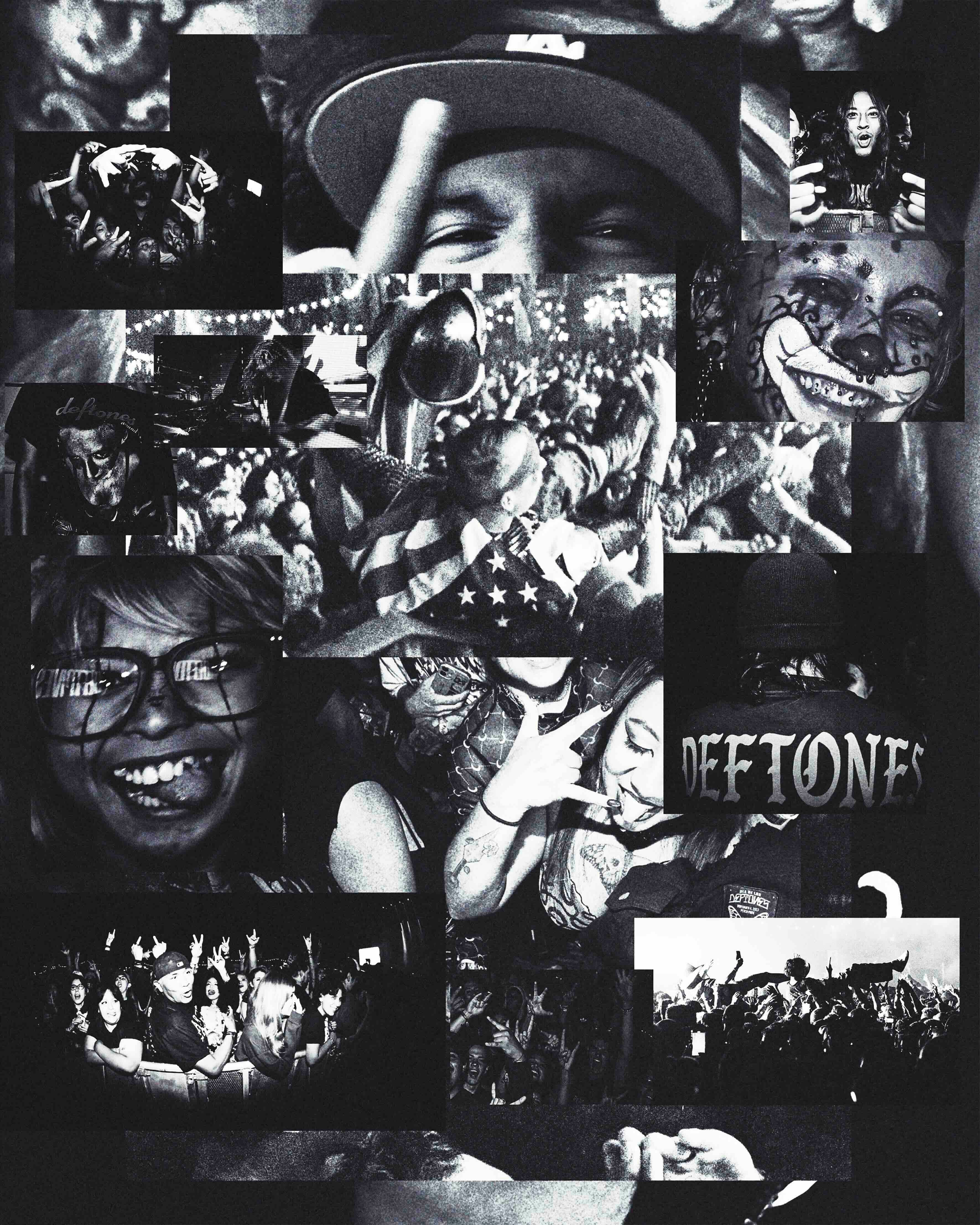
As the world went digital in search of entertainment and connection, a new generation came of age – and with that shift came that generation’s app of choice: TikTok. The “plague years” were marked by a hardening of tastes and aesthetics, and an inversion of mainstream millennial culture. As Instagram became synonymous with Facetune, privilege-flexing, and influencer homogeneity, TikTok’s algorithm allowed subcultures and niches to proliferate. Amalgamations of “alternative” fashion surged – and with them, the sounds historically tied to those styles. Darker, edgier, countercultural imagery trended alongside 90s nostalgia, and Deftones’ discography was swept up in the current, reclaimed by an internet-native generation searching for meaning and substance in music from the pre-internet past.
Whereas other heavy bands from the 90s also experienced resurgences in the 2020s, the misogyny, violence, and general whiteness that fueled some contemporary groups in their commercial heyday are precisely what limit their relevance and resonance in the present. Deftones’ contemplative and somewhat romantic style – in addition to the mixed heritage of its members (Cunningham is the only member without Mexican or Chinese roots) – uniquely positioned the band to resonate not only with young people but also with young women, in particular.
Spotify reported a 520 percent increase in the band’s listenership since 2022, with Gen Z listenership up by a quarter this year. “Deftones’ contemporaries in the 90s had a lot more mainstream exposure commensurate to their impact, so their explosion in 2025 seems more dramatic than resurgences from other artists,” said J. J. Italiano, head of global music curation and discovery at Spotify.
Thirty-seven years after their formation, Deftones are at the peak of their career – and demand for new music has never been higher. Their response to this unforeseen late-career explosion was simply to continue doing what they’ve done for the past three decades, and to take their time doing so. After five years – the longest gap between records in their discography – the band released private music in August 2025. The album takes its name from a folder on Moreno’s desktop, where the band – joined by bassist Fred Sablan – collected ideas for the record over several years. The cover depicts a white snake on a neon-green background, continuing a tradition of incorporating animal iconography in their visuals and artwork.
The idea is that “private music” belongs to everyone else now, you know? It’s about what you make of it – your own personal feelings. That’s how it always should be.
private music has been met with near-universal acclaim, with critics calling it Deftones’ best album in decades. NME described the new release – and the band in general – as “a stunning, powerful storm” and “a gift for fans old, new, and those discovering them in a very distant future.” One of the record’s standout tracks, “ecdysis” – the scientific term for the shedding of skin – is a particularly apt metaphor for the band’s journey: a slithering path marked by a process of constant growth and renewal, one that leaves behind beautiful vestiges of its past.
It’s no coincidence that Deftones so often invoke the natural world, as terrifying as it is awe-inspiring. Their soundscapes straddle the same dichotomy, making space for the emotional maelstrom that quietly exists in all of us. Tracks such as “milk of the madonna” and “infinite source” are the sonic equivalent of being swept into an ocean current, looking over the edge of a precipice, or – as evidenced by TikTok teens – walking through a thunderstorm at night. As we become increasingly trapped inside a hall of mirrors made of screens and pixels, the more estranged from our own humanity we become. When playing songs such as “Change (In the House of Flies)” on full blast (with or without rain), Deftones fans come as close as the chronically online can to encountering the sublime.
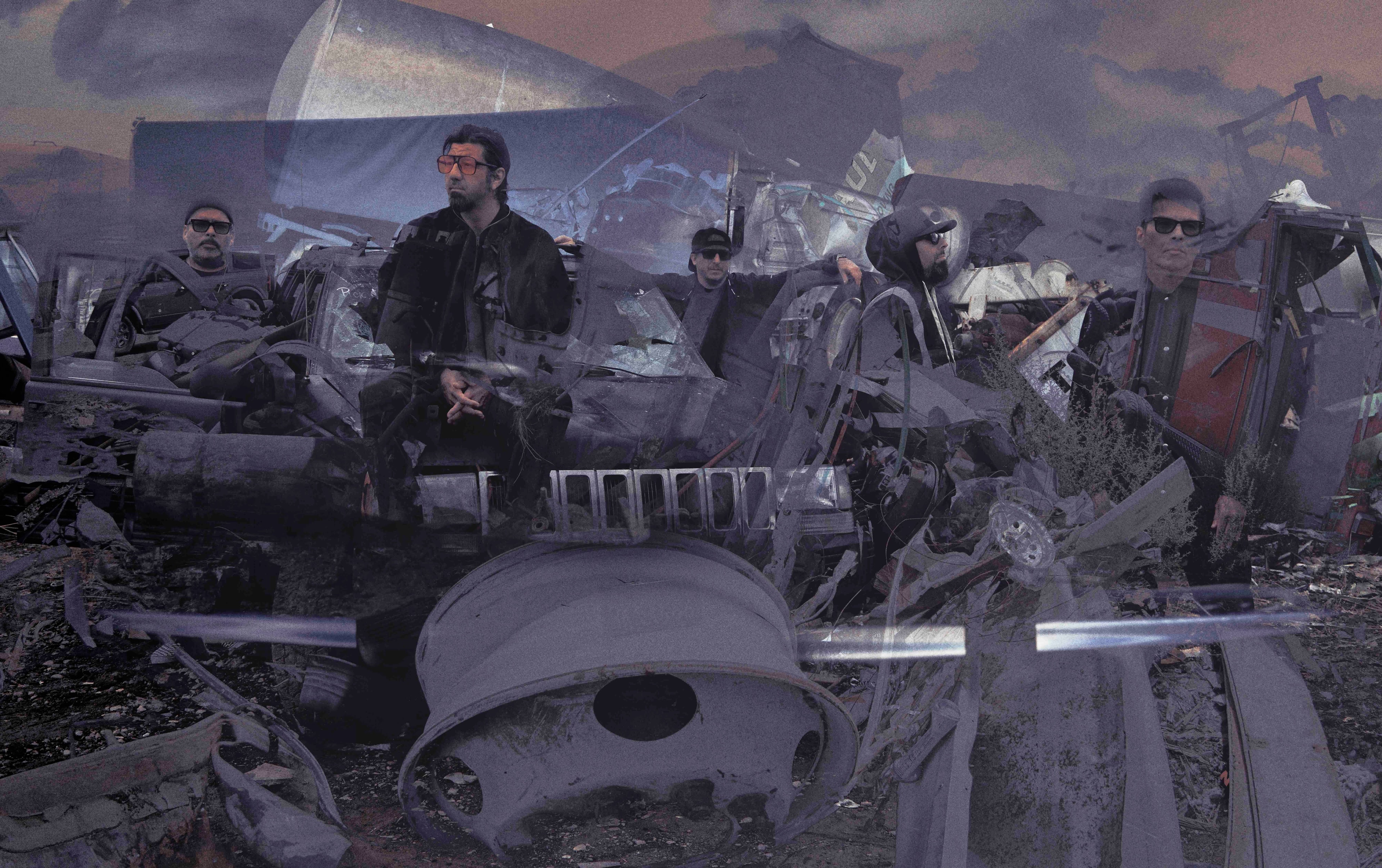
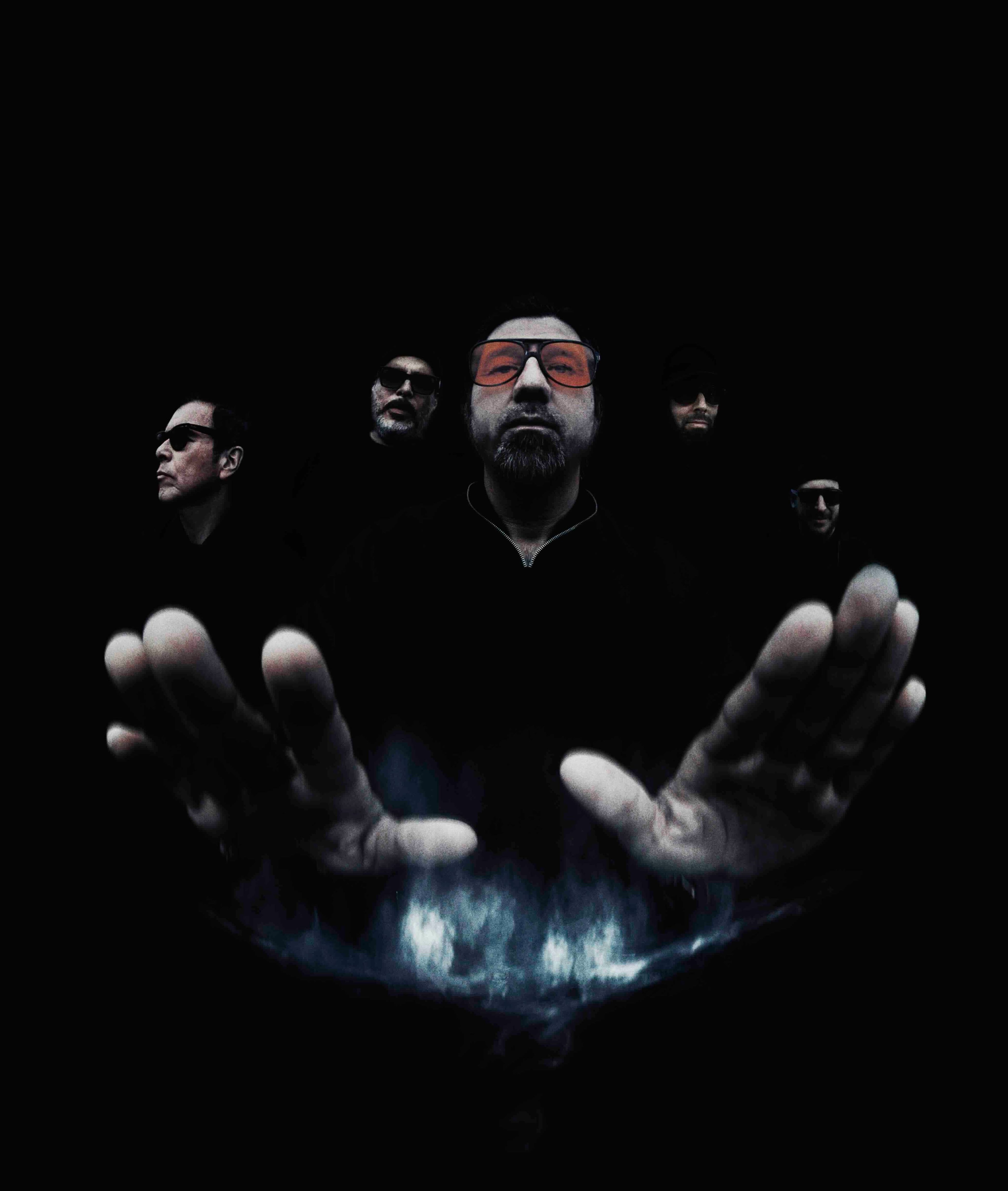
In the brief period of respite between the release of their number-one album and the start of their 2026 world tour, the five men behind the mythic band shared their thoughts on their collective history, making “private music” public, and what it feels like to become a youth-culture phenomenon when you’re in your 50s.
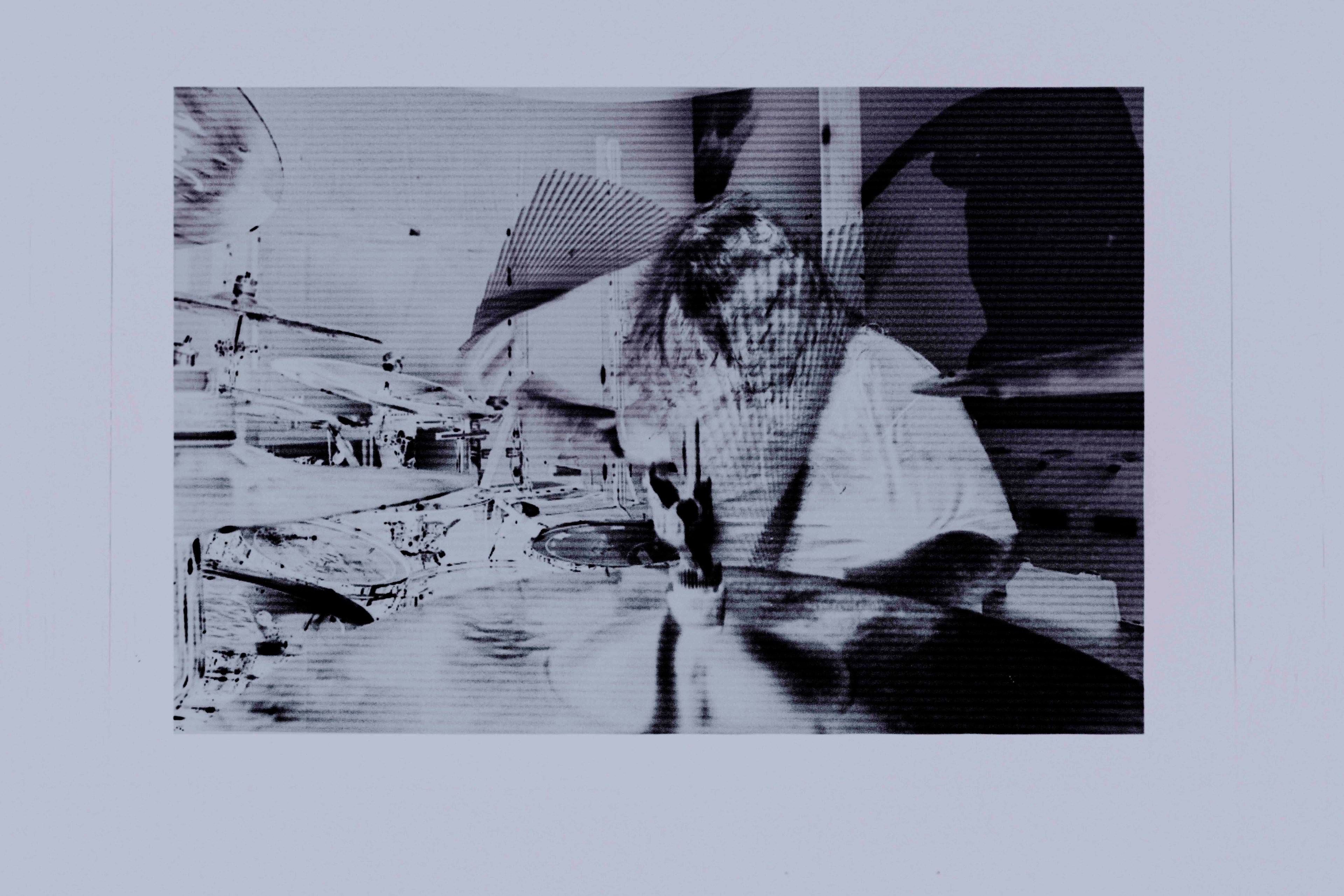
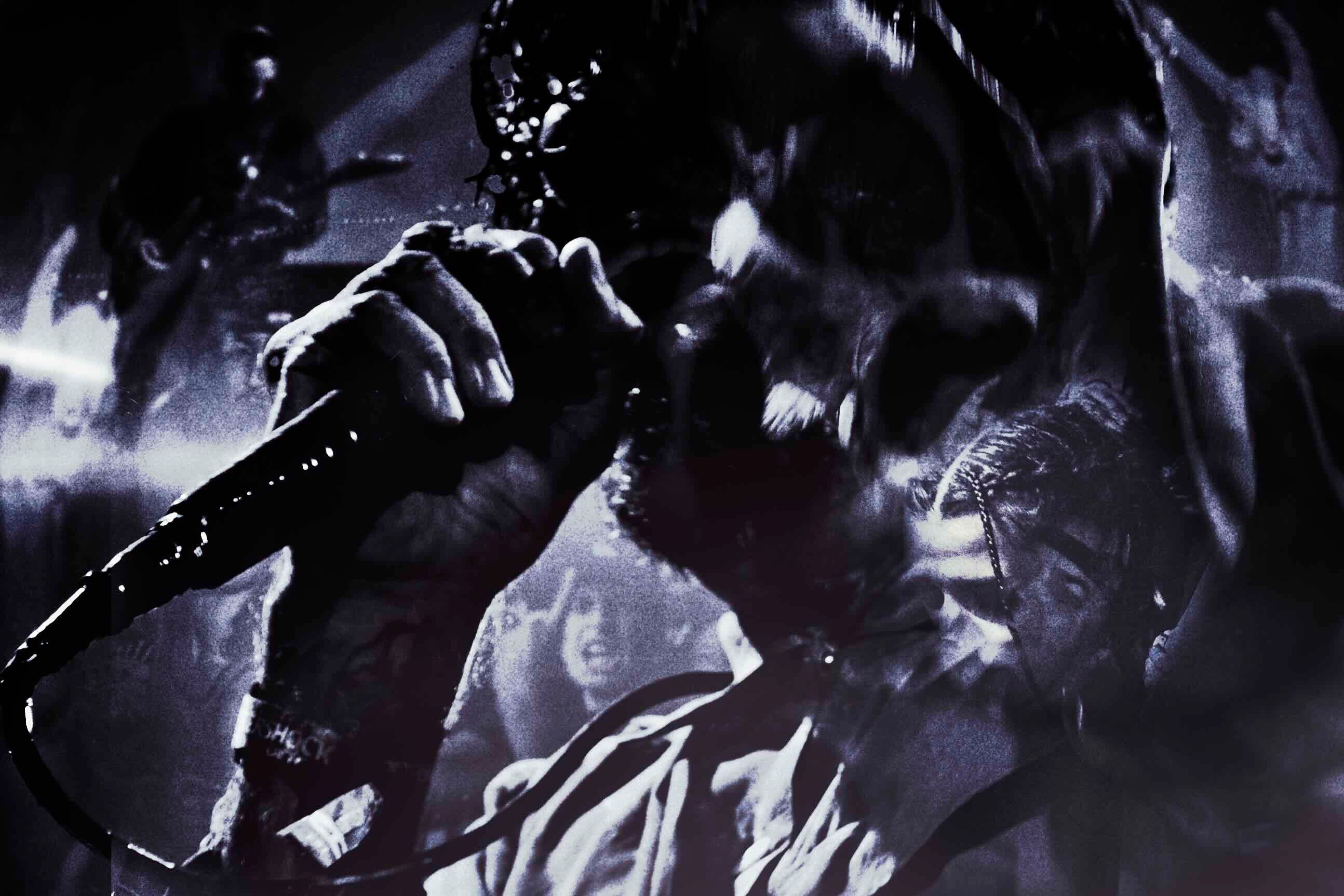
ABE CUNNINGHAM
I have to admit, the culture of Sacramento is a bit of a blind spot for me. What was it like to grow up there?
It’s a trip! Sacramento is the capital of California – whatever California is these days. The fourth largest economy in the – whatever, basically crazy shit goes down in this little city. It’s definitely a government town, but we also are living in the shadow of the Bay Area in a lot of ways. Chino and I met in seventh grade because we were both skating and interested in the same things. The neighborhoods were very, very diverse. I remember when we started touring in Europe a lot, one of the main questions from the press was, “What’s it like being in a band with a multiethnic background?” We were, like, “Umm … we’ve never really thought about it.” To us, we were just in a band with people from our neighborhood. Sacramento was a melting pot in terms of sound, as well – we had new wave, metal, and rap all coming in.
Even our name, Deftones – it’s the most ridiculous name. It’s “Def” from “def jam”; at the time, this was slang for something cool. Stephen wanted to combine that with something that sounded a bit classic, like “tones.” It basically means “cool music,” which is hilarious. We are definitely children of the 70s and 80s.
I was reading that your childhood bedroom was basically just a drum set and a mattress. Is that true?
It is! I had a bed for a while but then kicked that thing out and got a little futon, which I put on the ground. I found a picture of it recently, and it was the funniest thing ever. It’s such a teenage bedroom, a drum set and a futon on the ground, surrounded by a ton of coffee cups and posters. Kind of cool, kind of gross. The drums took up the entire room, because that was the necessity. When I had to sleep, I’d just curl up around them.
Over the years, the press has spun a bunch of narratives about various conflicts between members. From the outside, it seems like you have been an extremely consistent and reliable force within the band.
Wow, can I quote you on that? I feel that I’m pretty consistent. I’ve had some ups and downs, as we all do. In general, I’m a happy camper. I’m a lucky individual and have a ton of love around me. I’ve been pretty damn consistent, but those other fuckers … [laughs] I’m kidding, it’s really just part of being in a band. I have also always had jobs, starting from when I was very young. When everyone else was out skating, I was working. Of course, I skated too, but I always had money in my pocket. None of those fools ever did! I remember Chino spent his entire paycheck from Old Spaghetti Factory on a skateboard.
Where did you work?
My dad was a musician and my mom was a chef, so I grew up in kitchens and restaurants because music and restaurants often go hand in hand. The last job I had was working at a one-off fish taco place that was very popular in town. I got Stephen hired there, too, and I was his boss. I constantly wrote him up for the silliest things, like, “Stephen was one second late today.” He also had a little boombox he would bring to listen to while he did prep, but it conflicted with the music we were playing at the restaurant, so I would take it away and lock it in the manager’s office. When it actually came time for us to leave, he was fired for “over-efficiency,” but his file was full of hella bullshit I made up. [laughs] You know, I’m an only child, so these were my brothers. They all came from bigger families, so the fighting and bickering was new to me. I learned to pick my battles and not waste time arguing. They would all go from zero to 100 so fast, yelling and screaming, but I would wait for my point to be proven and then interject.

You said in a past interview that the entire band is passionate about beats, and that you have to manage input from a lot of angles. Is that ever difficult or frustrating?
Holy shit, that’s a great question! To be honest, I’m only just now starting to feel comfortable as a drummer. I have my thing now, and it’s taken a long time to achieve that. It is really hard being the drummer in this band, because I’m constantly under the microscope. I’m also a people pleaser.
Everyone wants to be a drummer until they have to actually lug a kit around and set it up and break it down. These guys were always sitting on my drums and cranking the snare up louder. I started going over to their guitars and rigs and made little adjustments just to piss them off! Over the years, we’ve learned to really listen to and appreciate each other. I really respect their opinions and I love the input … for the most part.
When you were 20 years old or even 30 years old, did you believe that what you were doing was temporary? Or did you know on a deeper level that the band would be around for as long as it has?
That’s what I hoped for. There was always an inkling inside of me that did know – but that’s the dream from the beginning. I knock on wood daily because our wanting to do this is contingent on so many things. We are five different people, and life is messy and happens to all of us. To be honest, I was always all or nothing. I knew I wanted to do this since I was a tiny, tiny boy.
I know Chino watches romcoms on the tour bus to unwind after shows. Do you have any rituals of your own?
We always just had one band bus, and now we have two. It’s actually really cool, because our buses are super mellow. A lot of times we just go to bed. But I do love a romcom! When we had one bus, we would have movie nights and popcorn and make bus nachos, which are these horrendous nachos: corn chips with cheese and salsa on top, nuked in a microwave. Maybe we’d have a glass of wine or two. It’s almost boring – in a good way. One thing we really excel at is kicking it. We kick it hard. And yeah, there’s just ridiculous movies on, because we’re really just nerds.
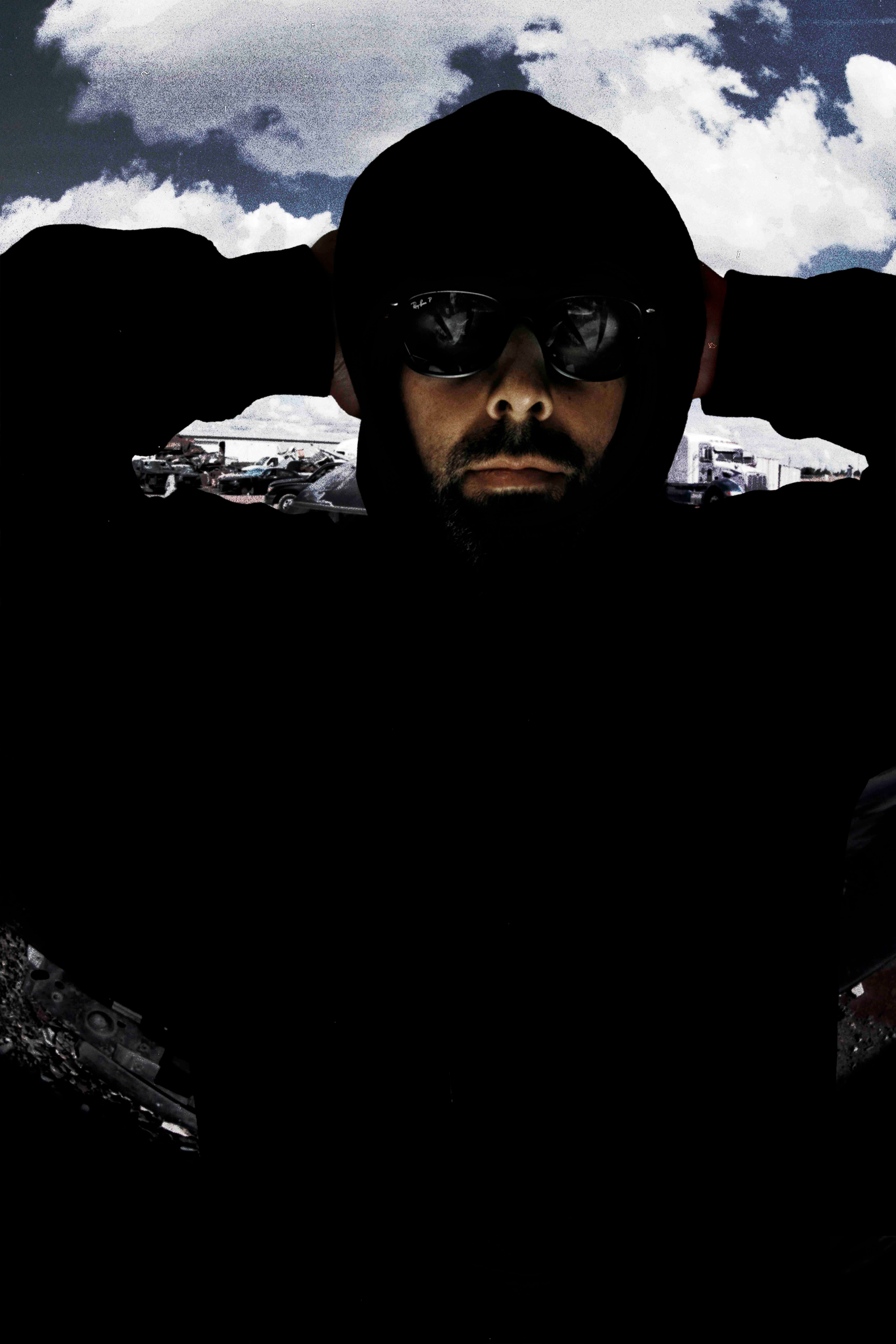
STEPHEN CARPENTER
Abe was just telling me about all of the funny things that happened at the fish taco restaurant.
I always say he got me fired, but I got fired by myself! His little note and write-ups were what finalized it for me, though.
In the early days of the band, you all were making music at a place you call “The Spot.” What was it like?
We had a warehouse out in West Sacramento, which was a suburb that was basically like a foreign country to us. We all grew up in South Sac. We got this space and built a skate ramp there, and over time we converted it into more of a studio-like environment. I really shouldn’t call it a studio, because it was just a warehouse, but we eventually graduated to recording our self-titled record there. From 1996 to 2006, we were there on the reg. It was our base of operations, essentially. It’s where we met up and hung out every day, and skated. We’d often finish our days there at 2 or 3 in the morning.
We still have it, but it’s mostly just dusty storage now. I’d love to start going up there again and doing work there, also so I can have some more time with my family.
I just watched your recent Apple Music interview where you compliment Chino’s guitar-playing on the record. I know it was a source of tension in the past, because he took a while to learn and it slowed down the band’s progress. But he said after the fact that he was really touched you said this.
There’s this distorted reality where everyone thinks we are at odds with each other all of the time, or that we don’t get along. It couldn’t be further from the truth. We get along almost all of the time. There are far more things that we agree about than things that we don’t. The problem is that, when we don’t, I speak up – that’s just the kind of personality I have. I don’t worry about whether or not we’ll get into an argument. If it happens, it happens.
I recognized him because he’s done tons of great stuff on all of the records that he’s played guitar on. When we were doing the deepest work on this album, I was going through a lot of health issues, and I was down and out of it. Chino came through with a lot of sick-ass ideas, which became a driving force. They really motivated everybody.
Is there anything else about you that you feel people misunderstand?
People are going to think what they want, and there’s nothing wrong with that. We’re all entitled to our opinions, and I won’t change anyone. They will think and do what they want until something changes their mind, and they think and do things differently. I’ve changed my mind about many, many things in this life. Of course, there are some ways I’m set in, but if given an opportunity to have something shown in a different or better light, I will have an awakening. I think we’re all sort of having the same experience in this life, but at different time intervals. I like to think that all of us are just here to learn.
FRED SABLAN
When did you first hear the band?
I grew up in San Jose, in the Bay Area, not too far from Sacramento. I think the first time I saw them, there were maybe 75 people there, and they were opening for one of my friend’s bands. The crazy thing is that I never actually met them, even though we were in the same circles and had many mutual friends.
I remember when they got signed, and I remember when I heard their first record – I loved it. I always thought they really stood apart from everybody else and everything that was happening in those scenes at the time. There were a lot of bands jumping on the bandwagon of funk rock and metal. Deftones were their own thing. I always looked at them as having their own sound and their own style. They created a mood and a vibe, versus just big riffs.
When White Pony (2000) came out, I was working at a record shop that stayed open until midnight. I always would listen to the record on my long drive home, over and over again. I always looked at them as a band like Portishead. You really have to sit with each record and dig into it.
When did you finally meet?
Chino hit me up during the pandemic and asked if I wanted to jam. Prior to Covid, I thought I would stop touring. Before that, I was touring with Peter Hook from New Order and Joy Division, as well as Chelsea Wolfe. I felt like I had done everything I wanted to do. I actually got an office job and was really enjoying not thinking about music at all. I hadn’t played my bass in ten months when Chino reached out, but that was true of the other guys as well. We all had to shake off the cobwebs.
Obviously, the bass is a loaded and tragic topic in Deftones. Chi Cheng was in an accident in 2008 that left him in a coma, and he died in 2013. He also had a very specific style as a bass player. Were you nervous to step into this role, just based on the emotional gravitas?
Chi played bass with his fingers. Sergio Vega, who played bass in the band after, used a pick. So, I had to figure out how to play both of their songs properly, and make Chi’s songs sound like Chi, and Vega’s songs sound like Vega. Even though I’m closer to Sergio’s style, I spent a lot of time studying Chi and how he used to play with Abe. He and I also have similar music taste, because I’m also really into dub and punk rock.
You were a part of private music from the beginning. Were you finally able to play bass like Fred, and was that super-rewarding for you?
After an initial writing session between Abe, Chino, and Steph to get the ball rolling, [the album] was done in three writing sessions, split between Joshua Tree and Malibu. It was kind of like how you would write stuff when you’re in a high school garage band. We all wrote together and supported each other’s ideas. We worked with … producer Nick Raskulinecz, who has done two prior Deftones albums, and he was there cheerleading us, keeping us focused, and hearing things that we did not.
It was definitely a little daunting to try and figure out how to contribute to the legacy of a band that I loved so much. Imagine looking at the four OGs of the band and being, like, “Hey guys, I’ve got a riff!” But it ended up being pretty natural. It was just about who has the idea – who’s got the stuff. I’m proud that some of my ideas are on the record, and that we were able to work so well together. I definitely had a moment or two when I asked myself, “Is this a Deftones song?” Then I realized that the only key to that is whether or not the entire band is happy. If we love what we are making, then yes, it’s a Deftones song. We never looked backward, either, or [tried] to sound like any record from the past. We had a shared Dropbox where we all contributed ideas. I think 1 percent of it ended up on the album.
Is there a track that showcases your ideas that you feel particularly proud of?
Probably “milk of the madonna.” Abe and I were just jamming together at, like, 7 in the morning. Chino had just gone swimming in the ocean, and then Frank and Steph joined. We made that song very fast; nothing was agonized over. I think the final arrangement on the record is almost exactly how we made it that day. “ecdysis” is the same.
private music is the name of the shared Dropbox folder, right? I love the paradox of that name.
The idea is that “private music” belongs to everyone else now, you know? It’s about what you make of it – your own personal feelings. That’s how it always should be.
FRANK DELGADO
What made you want to become a DJ in California in the late 80s? That was definitely not a popular career path at the time.
For me, it started even earlier, in the mid-80s. I had a bunch of friends whose older brothers were DJs, and we would hang out and see what they did. My dad was a big hi-fi guy, so I fell into it really early. I worked at a bunch of record stores in the late 80s and early 90s, and I eventually moved to Sacramento. I planned to go up there [just] for the summer with a trash bag full of clothes and my DJ gear, but I never left. [Besides my girlfriend at the time, I knew one guy in town], and he was connected with guys who hosted a Monday night hip-hop event. I started playing records there, and that’s where I ran into the Deftones guys.
They could tell immediately that I wasn’t from Sacramento, and that I was new in town. I remember Chino inviting me to hear the band’s very first demo cassette. We listened to it in my Volkswagen bug. He eventually invited me to bring my records and hang out at their rehearsal space. I played records for them in between their jamming. I really enjoyed being around this group of guys, because I could instantly tell they were just as open to various kinds of music as I was: metal, rock, reggae, hip-hop, electronic dance music. At that time and at that age, [that] wasn’t really normal. People’s social circles were usually based on what they were listening to. You were either with the rockers, the hip-hop kids, or the jocks. In the 90s, things started to cross over, and we were part of a generation of kids who really did enjoy it all.
I never had any inclination or desire to be in a band, but the stuff I played at the rehearsal space sparked ideas. I started fitting things into the spaces between songs to create transitions. This snowballed into being creative with them.
I really think you are the dark horse of the band. The soundscapes and atmospheres that distinguish the band – that’s mostly your contribution, right? Is it true you also make your own samples?
I started by just sourcing what I had from my collection. I always bought really eclectic electronic records, often ambient stuff, new age things, psychedelic stuff. I didn’t have money or gear. All I had was my records, so I figured out how to use those with the band. I was basically a rudimentary sampler.
By the time we got to Around the Fur (1997), Stephen gave me hand-me-down delay pedals. I figured out that I could hook them to my rig and extend sounds, which allowed me to create longer notes instead of just adding new layers to the music. I was able to manipulate and change sounds, and could also pitch the sounds up or down with the speed of my turntable. That’s what I did on “Change,” which was sort of the first thing people really recognized me for. I used guitar pedals to extend, distort, and delay sounds and create little melodies that were atmospheric.
You sound like a mad scientist, tinkering with all of this equipment. It’s cool to hear you were able to help engineer this lush sound by using completely repurposed tools versus proper gear.
When you think of “DJ in the band,” you probably just think of someone up there scratching. That’s not what I wanted to do, and it wasn’t what the music called for.
When you started making your own sounds, were you making them electronically or, like, recording things in the real world?
I recorded around the studio a lot, and often [recorded] Stephen when he was just fucking around [on his guitar]. Even to this day, I’ll record sessions of us jamming and then manipulate those sounds. I remember using a program called PaulXStretch, which allows you to slow things down, like, 800 percent – so, a one-minute song would play for, like, a day. I would take out certain parts that would crescendo and then place them at certain places in the song, or stretch them across a keyboard and play them. It was us, but slowed down and made ambient, and reinserted into the music.
It sounds like an echo chamber. At what point in the process do you start inserting things? For example, on private music?
Usually, we all get together to write, and then I usually come back around at the end, when Chino does his vocals. After that, I’m able to add even more ear candy to it. Usually, it’s just the two of us when he’s doing vocals, and I always really look forward to that.
CHINO MORENO
You write the lyrics, and name the tracks and albums, but you’ve also done most of the interviews over the years. Is it ever a burden to be the “mouthpiece” for an entire band, or do you enjoy it?
I definitely don’t think of it as a burden. It’s great that, 30-plus years into our career, people are still so interested in us. A lot of the interviews have been about the records, and since I’m in the trenches from day one, I have good oversight from the start to the finish. I feel like I’m pretty good at getting to the meat of the questions.
You have a very poetic voice. Are you a big reader or interested in literature?
Honestly, I didn’t grow up reading a lot. I have a stack of books, and I keep getting more because I’m more interested in getting them than reading them – and then they pile up. Creative writing was the only class I had in high school that I did well in and actually showed up for. It was my biggest interest. I’ve always been interested in history, and I enjoyed math as well, but it was hard for me to focus in high school. My mind wandered a lot. Creative writing was the one thing I really enjoyed.
These days, I don’t really write poetry. I don’t have a bunch of notebooks filled with random thoughts – it really just comes down to writing music. It’s very purposeful. I have a song – what is the emotion the music is conveying? Then I try to put words to that.
In the writing process, is it just free association? Would you say that what comes to you first is what typically sticks, or do you do a lot of editing and revising?
I do a lot of revising. Usually, the musical bed is built first, and whatever the vibe is influences where the emotional tone of the song will go. I usually start without words, just melodies and the cadence I want to weave through the foundation. Sometimes, I’ll go through five or six iterations [of lyrics]. The emotion and vibe usually stay intact, but if something sounds too on the nose, my brain won’t let me follow through. I have to make it more cryptic or metaphorical or complicated – even just for myself – in order to feel like something is good enough and has staying power.
There’s definitely a lot of mystery in your project – for example, the meaning of the animal imagery over the years.
Some of my favorite things – whether … art, music, or movies – are the ones that make me ask, “What the fuck is going on?” I always get pulled in deeper when it’s difficult to understand something. It’s not even about figuring out exactly what the artist is saying, but about what they’re trying to emote. It’s never really about specifics, right? You’re just attracted to things, and often you can’t explain why. That’s what’s exciting to me.
I think that makes things more universal, too. When you do something super-specific that’s supposed to have one meaning or tell one story, it kind of takes the fun out of it – or at least that’s true for me. Not even so much as a writer, but just as a fan of music. That’s what I’m drawn to, and it’s what I try to re-create in my own artistry.
Our records are made for multiple listens. Every time you hear them – especially with headphones – you’ll pick out little things weaving in and out of the song.
I know you have a teenage daughter. I wondered if having raised a daughter makes it more meaningful that your music resonates so much with young women.
Not necessarily. We never make music with a preconceived idea of who it’s for or what audience it should be geared toward. It might sound a little selfish, but the reality is we write for ourselves – for where our heads are at in the moment. It’s crazy that some of our older records, which were written before this generation was even on the planet, still resonate and have transcended time to connect with them. I didn’t know back then that a generation down the road would feel it. I take the same approach now as I did then. I don’t think about it, even though it’s awesome to see how much it connects with that demographic.
It speaks volumes that you guys were able to write music in your adolescence – during such a male-dominated era of rock – that resonates with female experience in the 2020s. Having raised a daughter, you know what life looks like for people that age.
Totally. I think it helps that throughout the years – really, from our second record on – there’s always been a hint of a feminine quality to our music. That sounds kind of weird to say, and it’s not intentional. Our music has a hard edge, but there’s always been a softer, dare I say romantic, flair that sneaks in melodically or lyrically. I think that helped set us apart from a lot of what was happening in the mid-1990s and 2000s. It bridged the gap and made our music more welcoming to different genders and demographics, in general.
You also have your own festival, Día de los Deftones, which features eclectic lineups. This year you have Clipse, 2hollis, and Rico Nasty performing, and Doja Cat and Doechii have been on lineups in the past. What made you want to start this project?
The first one was maybe eight years ago. It was just an idea for us to try and do our own festival. It’s really fun to curate something like that – I always compare it to making a mixtape. When you were making one for a friend back in the day, it wasn’t just a bunch of the same stuff. You wanted the tape to be varied and polarizing, to show different sides of your taste and personality. That’s what you wanted to share. This is kind of like a live version of that.
Maybe people look at it on paper and think, “What the hell is this – Doja Cat, Deftones, Clipse?” But people are a lot more open-minded musically than they used to be. Things stopped being so segregated – when metalheads only listened to metal, and skaters only listened to punk or hip-hop. I always hung out with everybody and never stuck to one thing. I just liked what I liked, and it’s more like that these days – taste varies.
I remember when we first started playing festivals in the late 90s in Europe and saw the craziest blends of artists: PJ Harvey, Slayer, and Bob Dylan, all in the same day. The same crowd watching all those shows. Those were some of my favorite groups – they’re so different on paper, but seeing it work really opened my eyes.
Frank was telling me that your open-minded music taste is what led you to become friends – and that’s also how he started sampling and inserting different sonic elements into the music you were making.
It was all based on our love of different genres – these soundscapes we created and wanted to blend into what we were doing naturally, just trial and error.
I hope someday you can show people how many elements are inside one of your tracks – and do a big reveal.
Part of me doesn’t want to show how the sausage is made, but another part of me is like, “Man, I wish people could hear all these things!” Our records are made for multiple listens. Every time you hear them – especially with headphones – you’ll pick out little things weaving in and out of the song.
Do you still have that experimental approach? It seems like you guys haven’t lost your sense of play.
That’s the most fun part of making these records – the experimentation. It usually starts with a foundation, which is drums and guitar. Although Frank is writing stuff throughout, the last things we track are the vocals and then Frank’s parts, which, to me, is the cool part. The outlines are already there, and then Frank and I get in with a big-ass box of crayons and just start shading and coloring.
We work really closely together on the vocals – it’s just us and whoever’s producing. You have to know when to stop, because you can just keep going and layering. Sometimes less is more – it’s about scaling back. It’s kind of like a puzzle: how far do we go?
Credits
- Text: Cassidy George
- Photography: Jack Bridgland
- Creative Direction/Graphic Design: Tal Midyan
- Executive Producer/Photography Agent: Jesse Khan
- Production: Someday Studio
- Executive Producer/Producer: Wyatt Whitaker
- Executive Producer: Andrew Gallo
- Lighting Director: Ryan Hackett
- Photography Assistant: Jason Cook
- Set Designer: Ryan Brennan
- Groomer: Imani Luna