THE BEGINNING WE NEVER SAW: HOUR ZERO IN NEUKÖLLN
|Maxine Schall
4 Blocks Zero is up for grabs in Berlin-Neukölln, with a limited 032c | HBO Max capsule collection available to shop from Monday, September 28.
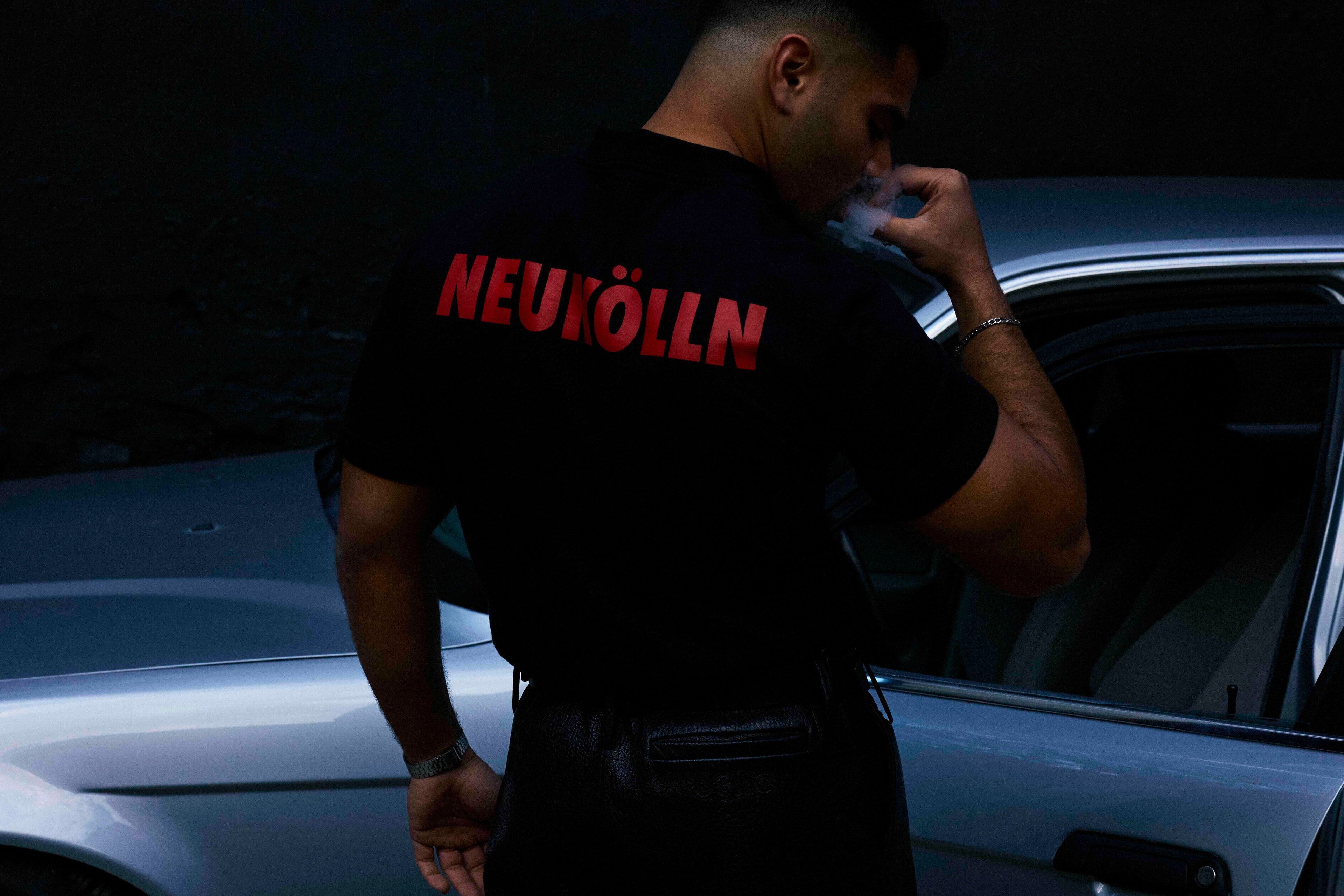
shirt 032c NEUKÖLLN V-NECK SHIRT, pants and belt 032c, watch CASIO x FOUR BLOCKS ZERO, bracelet TALENT’S OWN
Before becoming known as a haven for millennial hipsters, Berlin’s district of Neukölln was better known for migration, racism, and crime. Özgür Yildirim and Hüseyin Tabak’s HBO Original series 4 Blocks Zero explores this darker history as much as the city that was still in flux.
When the first season of 4 Blocks was released nine years ago, it drew viewers into the world of the Hamady Clan in contemporary Neukölln, specifically Sonnenallee: a world where Tony Hamady is the clan boss and his brothers and cousins control the district, extorting protection money from hipsters, dealing drugs on a grand scale and trying not to get caught by the police. Beyond the crime itself, the series gave a broader account of how impossible it is to make a living while waiting for a residence permit, and of the torn conscience of gangsters who try to get out and lead a crime-free life, only for past actions and present power dynamics to lure them back in, again and again. By the mid-2010s, when the series is set, the brothers had already been in clan business for years, embodying unscrupulous, hardened men who don’t think twice about killing and torture.
One couldn’t help but wonder: How did they get there in the first place? This is where the brand-new series 4 Blocks Zero picks up. A prequel to the original, it traces how Ali Hamady became clan boss Tony, the role Kida Khodr Ramadan made iconic in the original series.
As the first episode, released on September 25, reveals, it all starts in Beirut, where Ibrahim is freed from prison on one condition: he has to kill someone in Berlin. Left with basically no choice, since refusing would have meant death, he returns to his family, who have built a decent life in Berlin over eight years. They face racism while trying to survive in a system that gives them almost no opportunity to work, with the constant threat of having to leave the country again hanging over their heads.
Although Ibrahim tries to hide his cruel activities from his brother and his sons Ali and Abbas, played by Tareq Nassery and Soufiane El Mesaudi, the whole family is dragged into a dark place, one by one.
Taking place in this hallowed district in the 1990s, the series charts the arrival of the Hamady family from Lebanon and their eventual rise in the city’s criminal underworld. Maxine Schall spoke to Tareq Nassery (Ali Hamady), Mohammad Eliraqui (Latif Hamady), Luis Vorbach (Vince Kerner), and Bella Dayne (Cornelia Lackner) about 90s Berlin, belonging and power, and the moment when the survival instinct is pushed to its violent limit.
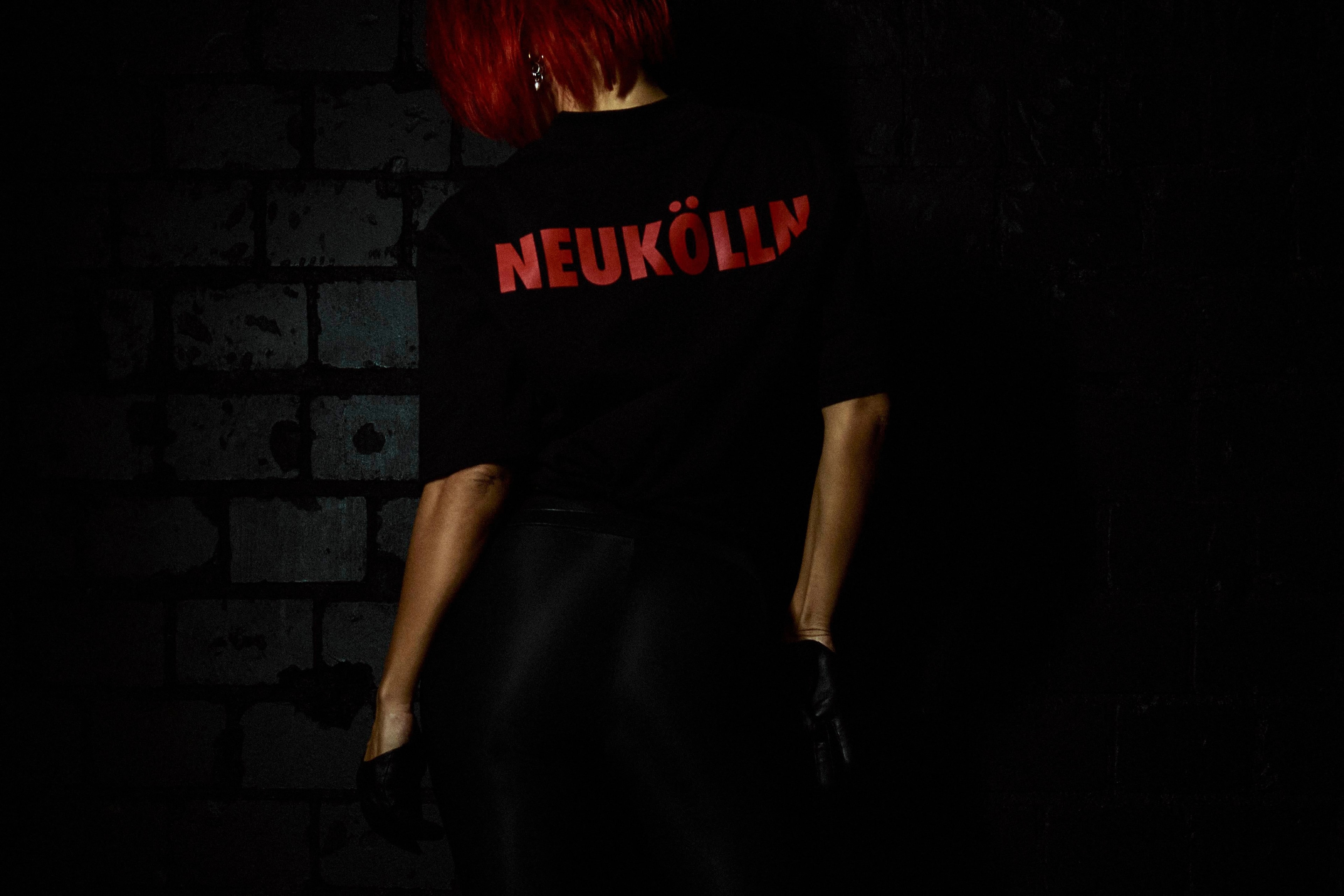
Inspired by the world of 4 Blocks Zero, the 032c I HBO Max capsule collection draws on the material history of Berlin in the 90s. While the grey melange jersey with ripped-off sleeves recalls the visual language of vintage muscle T-shirts, the red nylon zip-up jacket pays homage to the football training kits that symbolized a shared fandom and sense of identity. In the light, the jacquard patterning reveals a subtle graphic: a mirrored four that doubles over the show’s initials, representing the former postal code of Neukölln.
With creative direction by Franka Klaproth and photography by Ela Klingler, 032c channels the energy of 90s Berlin, putting the actors in the show's merch.
Shop the 032c I HBO Max capsule collection from Monday, September 28th in the 032c Online Store.
TAREQ NASSERY (ALI HAMADY)
Maxine Schall: A dialogue line that distills your character into one sentence?
Tareq Nassery: What am I supposed to do?
MS: What was the greatest challenge playing Ali?
TN: Capturing the vibe of the 90s. I didn’t experience the time, so I had to understand how people actually spoke back then. Today, we say Bruder or Digga. Thirty years ago, it was Junge, Alter, or Mann. Language is essential if you want a series to feel authentic.
MS: How much of the 90s actually reached you through the set?
TN: A lot: The clothes, the cars, or the music we listened to. It helped enormously in getting us into that time and making it tangible. But especially the street sets. We shot at Studio Babelsberg, one of Europe’s largest film studios, which made everything very special. The scenes showing the streets of Neukölln are shot there and it really felt like we’d been teleported.
MS: What makes the 90s such a compelling setting for you?
TN: That period after the fall of the Berlin Wall. Berlin was wild. The Turkish and Arab communities, the Nazis, all these different groups existing alongside each other. Obviously, those tensions still exist today, but back then they felt much more amplified. It was a moment when a lot of things were taking shape.
MS: Was there one scene that you particularly loved?
TN: There’s a scene where we go “Nazi hunting.” I don’t really want to go, but Vince convinces me. We end up running away from them and jump onto a moving bus. That was completely insane.
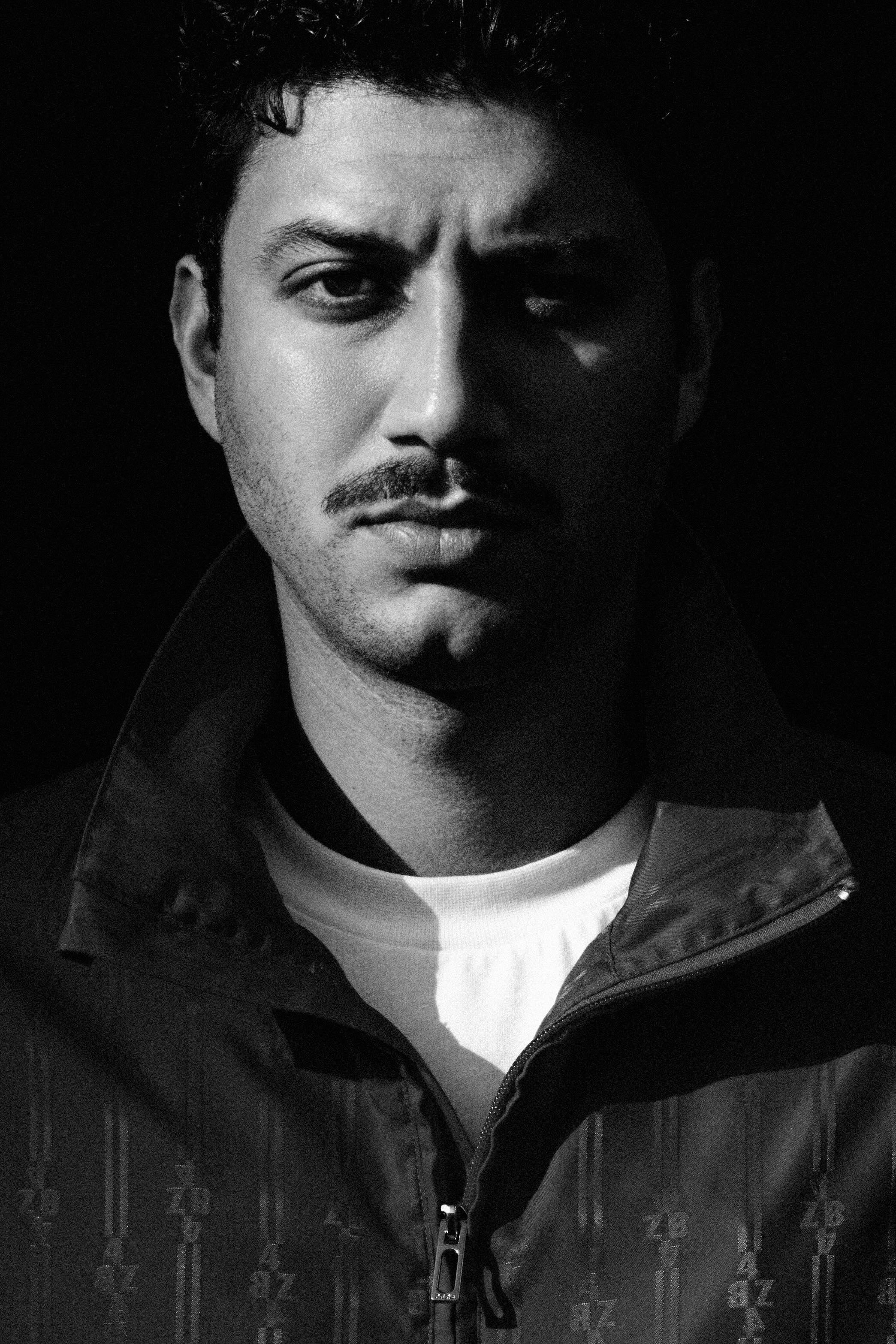
jacket 032c HAMADY TRACKSUIT JACKET, shirt 032c
MS: What separates you most from Ali and where do you recognize yourself in him?
TN: We’re both the oldest brothers in our families. We both know what responsibility feels like, and we both had to take on a kind of parental role early when our own fathers weren’t there. But Ali grew up in the 90s. Ali has a Duldung [tolerated stay]; I’ve had a German passport since I was two. My family never had to live with the fear of being deported. We had that security.
MS: How did you prepare to embody these differences?
TN: I actually sat down at an immigration authority in Munich for about an hour and a half, just observing people. How they moved, how they behaved. Obviously, a lot of people are on their phones today, so I looked for the ones who weren’t. Some of them would walk back and forth in patterns. I used that as inspiration for my own scene, and if you watch closely, you can see me walking in the same patterns.
MS: If you could give Ali one piece of advice, what would it be?
TN: You cannot control everything. Try to chill, even if it’s difficult. And ask for help.
MS: What do you think drives people more in the series: the desire to belong or the desire for power?
TN: From my perspective, the desire to belong. But everyone in the series has a different overall goal.
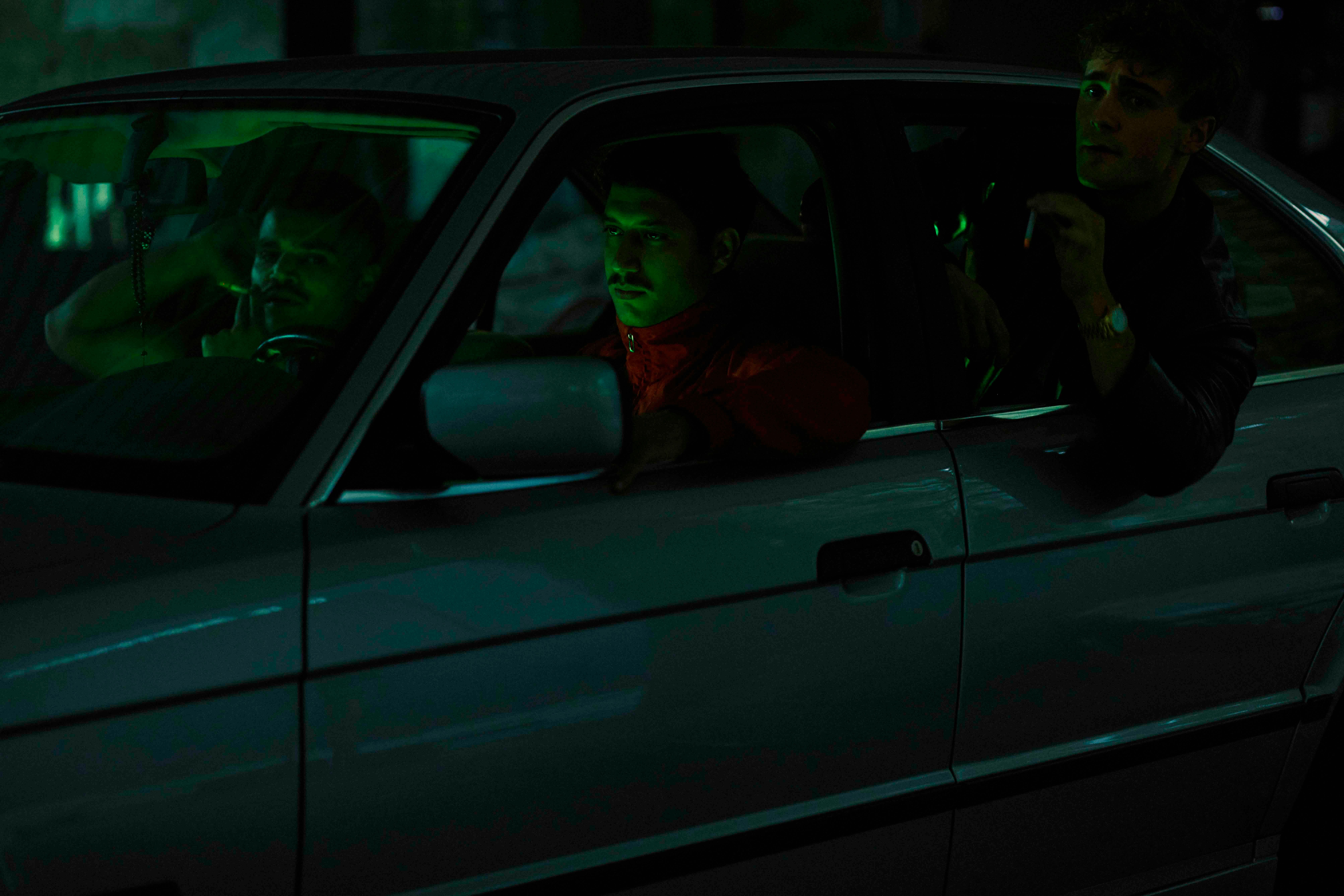
TAREQ jacket 032c HAMADY TRACKSUIT JACKET LUIS jacket 032c, watch TALENT’S OWN
MOHAMMAD ELIRAQUI (LATIF HAMADY)
MS: Who is Latif in 4 Blocks Zero?
ME: Latif is a man of action. He doesn’t hesitate or overthink. If there’s a problem, he solves it and is not scared off by violence. But he’s not emotionless. He has deep bonds with certain people, especially his family.
MS: You also met German rapper Massiv, who played Latif in the original 4 Blocks. How did this affect you?
ME: I was nervous to meet him, but he was incredibly open and cool. I also listened to a lot of Massiv to pick up his accent and speech patterns. But our director Hüseyin eventually took all that pressure away from us. He literally said: “You created these characters. You are first. They don’t create you.” That changed everything. We stopped trying to imitate the original cast and I started building my own version of young Latif.
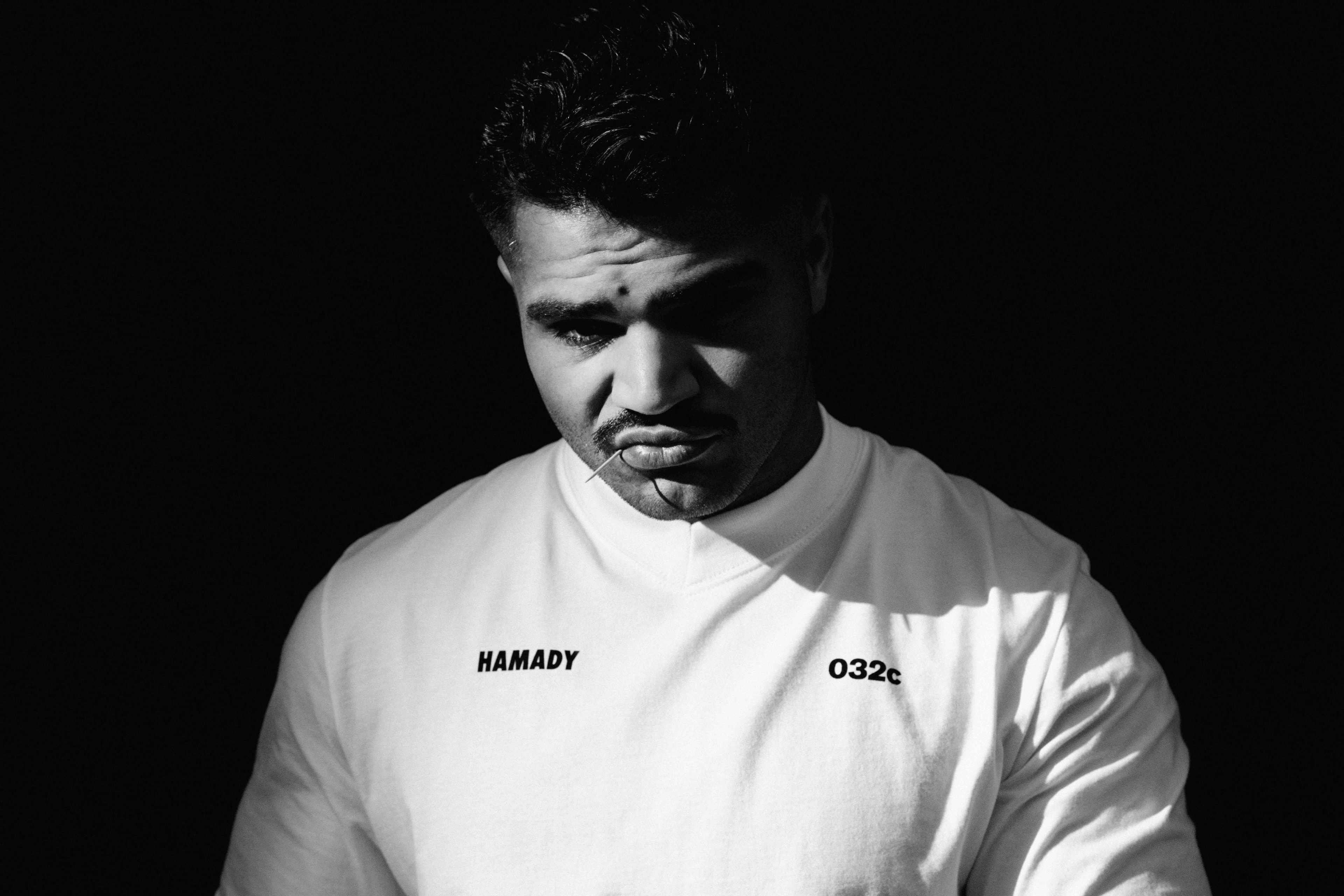
shirt 032c 4BZ4 V-NECK T-SHIRT
MS: Where does Mo end and Latif begin?
ME: The criminality is the obvious difference. I’m not interested in that world and I would never casually kill someone. I’m also more open with people. Latif is suspicious and only opens up once he trusts you. But there is a connection in the background. Latif represents a reality that exists for many young people in Neukölln. I am one of these people. I understand that environment. That’s the bridge between us.
MS: With all your personal experience growing up in Neukölln, how much of Latif’s world is actually real?
ME: There are places where young people can access weapons, drugs, and criminal structures very quickly, and it’s easy to get pulled into that world. But it’s more important to ask why someone ends up there in the first place.
MS: Why do you think that is?
ME: Nobody is born a criminal. We also have to ask what opportunities people are given—and whether they feel they have a place in society. Racism and structural discrimination can create that sense of exclusion. That doesn’t erase individual responsibility, but we also have to look beyond the individual and ask what kind of society creates these conditions.
MS: You were born in Lebanon and came to Germany in 2007. Does that personal history enter the role?
ME: In some ways. My family is Palestinian and we came from a very difficult situation. So, I understand certain aspects of Latif’s background and what it means to try to find your place somewhere.
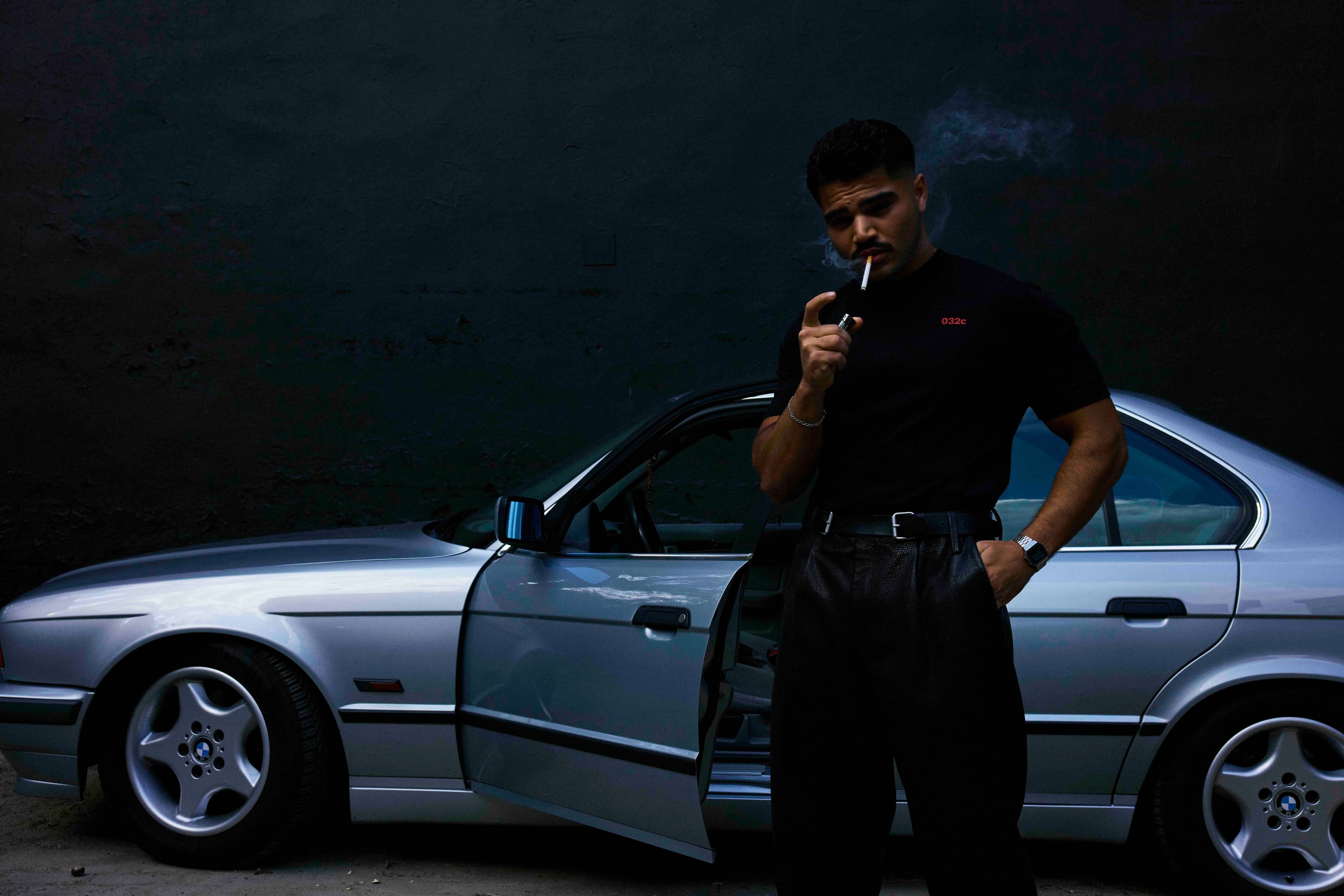
shirt 032c NEUKÖLLN V-NECK SHIRT, pants and belt 032c, watch CASIO x FOUR BLOCKS ZERO, bracelet TALENT’S OWN
MS: At what point can the desire to belong turn into the desire for power?
ME: Sometimes you do stupid things simply because you want to belong—not because you actually want to do them. Young people want to prove themselves. I know that feeling. For me, becoming an actor was almost like an outing. I was the guy from the street who boxed and did material arts, basically saying: “Look at me the wrong way and I’ll break your nose.” Getting from there to the red carpet was a long and complicated road.
MS: And now your face is on a house in Sonnenallee, Neukölln.
ME: That was probably the most emotional part. My mother recently told me that she and my father were walking near Hermannplatz and saw posters for the series. She said they both had tears in their eyes. For years I felt like I had to prove myself to my parents. Now they can see what I’m doing.
MS: What did you have to learn for Latif?
ME: How to make a toothpick part of my everyday life. But more importantly, Massiv’s way of speaking. He rolls his Rs and changes certain sounds, so I had to completely retrain the way I spoke.
MS: Favorite 90s song?
ME: Dear Mama by Tupac. The whole hip-hop scene felt much more exciting back then.
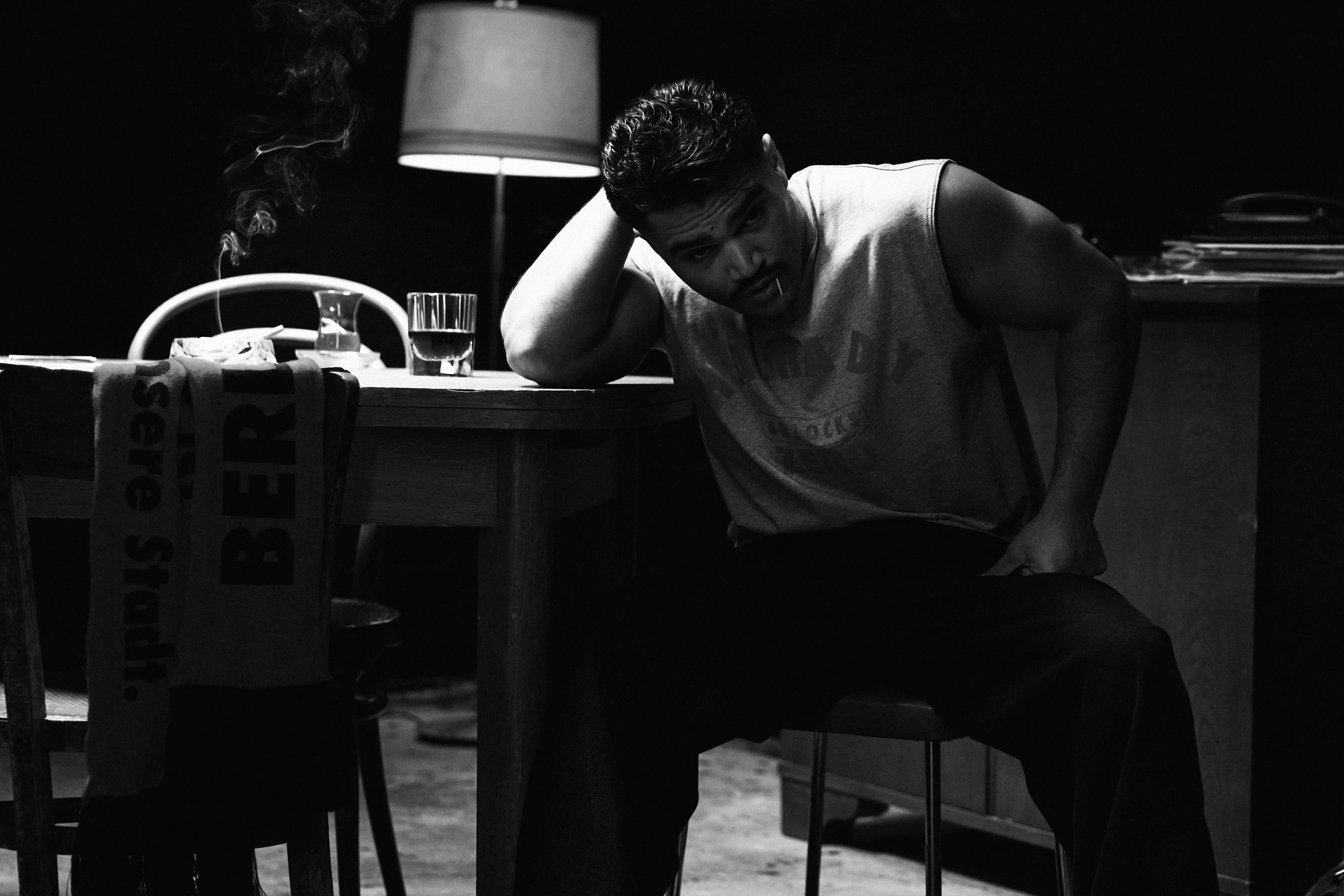
shirt 032c HAMADY MUSCLE T-SHIRT, pants 032c
LUIS VORBACH (VINCE KERNER)
MS: Who’s Vince?
LV: He’s a lively, direct, and extremely loyal guy. He stands by what he believes in and doesn’t really back down. He’s the kind of person who acts before he thinks.
MS: If you had to reduce him to one line?
LV: That’s hard to say. But probably: “Fuck capitalists.”
MS: Did you study the original Vince?
LV: I watched the original 4 Blocks series and picked up little things I liked, but I never wanted to imitate him. Just small things like the way he holds and smokes a cigarette, nothing you would probably consciously notice. Also, my Vince is a completely different person. When he becomes an adult, he is someone who betrayed his friends. Now I get to play the transition into that person.
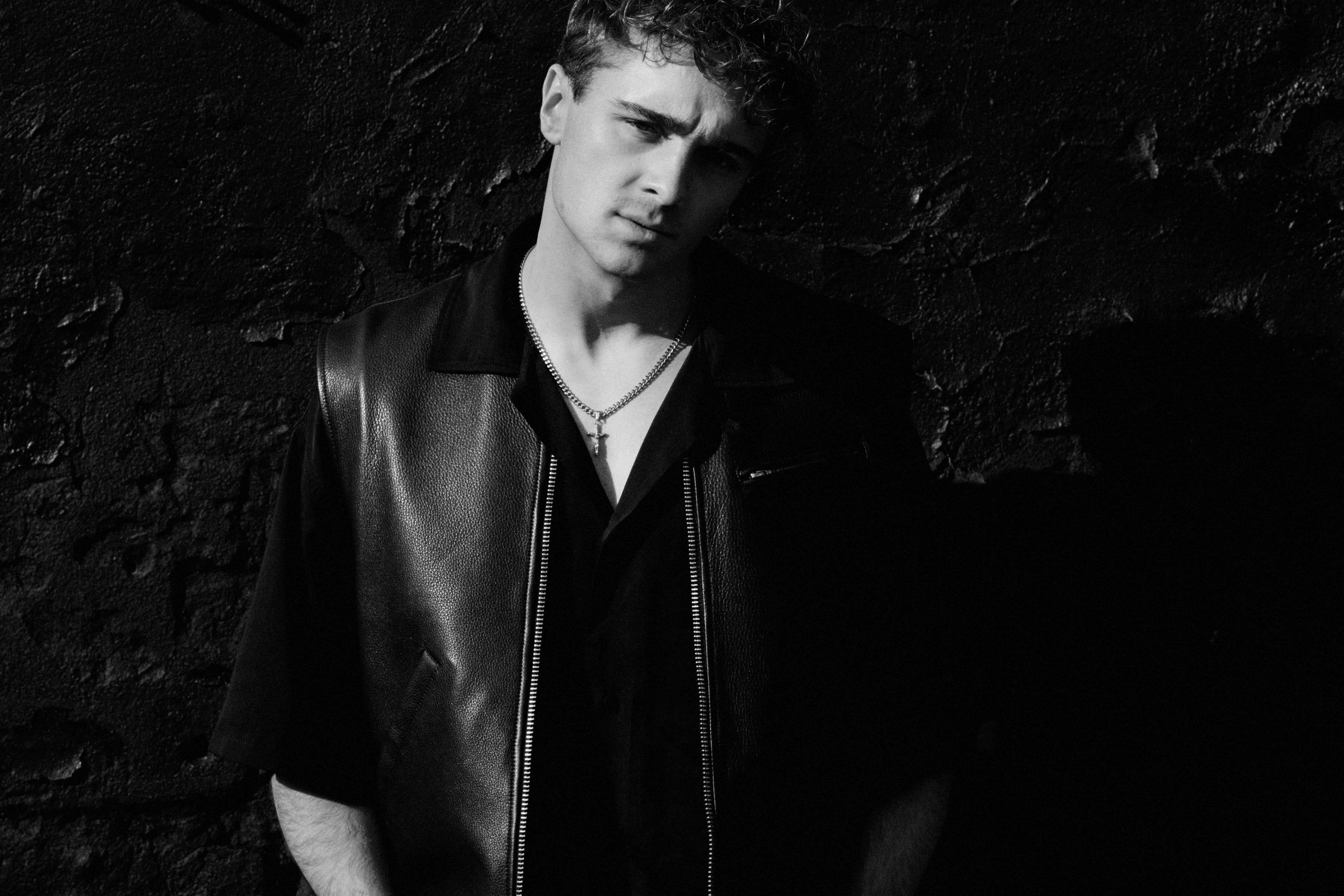
shirt and vest 032, necklace TALENT’S OWN
MS: Where do you and Vince overlap?
LV: We’re both very direct, loyal, and serious about our word. Loyalty is extremely important to me. But I’m more reserved. I’m not as aggressive or impulsive as Vince. And I don’t smoke.
MS: Smoking became a big part of your guys’ preparation.
LV: Yes, production sent me cigarettes and tobacco so I could learn how to roll them. A punk in 90s Berlin smoking hand-rolled cigarettes just felt right.
MS: You’re the German lead in a story largely centered around migration. What did that position mean to you?
LV: I loved it. The whole setup is interesting: 90s Berlin, this group of migrants, and then the one German guy. But what I really appreciate is that the series goes beyond the coolness, crime, and gunfights of the original. It looks at racism, the difficulties of building a life from nothing, and the ways the German state also failed. Which is still so relevant today. I hope that creates conversations.
MS: What makes 90s Berlin such a compelling setting?
LV: Everything was in flux after the Wall came down. The city was literally being rebuilt and, in some places, hadn’t been rebuilt yet. That gave it this incredible energy. And then the cars, clothes, and music. I watched loads of footage of 90s clubs, techno parties, and punks to understand how people moved.
MS: What does 4 Blocks Zero ultimately revolve around for you: survival or greed?
LV: Survival. Absolutely.
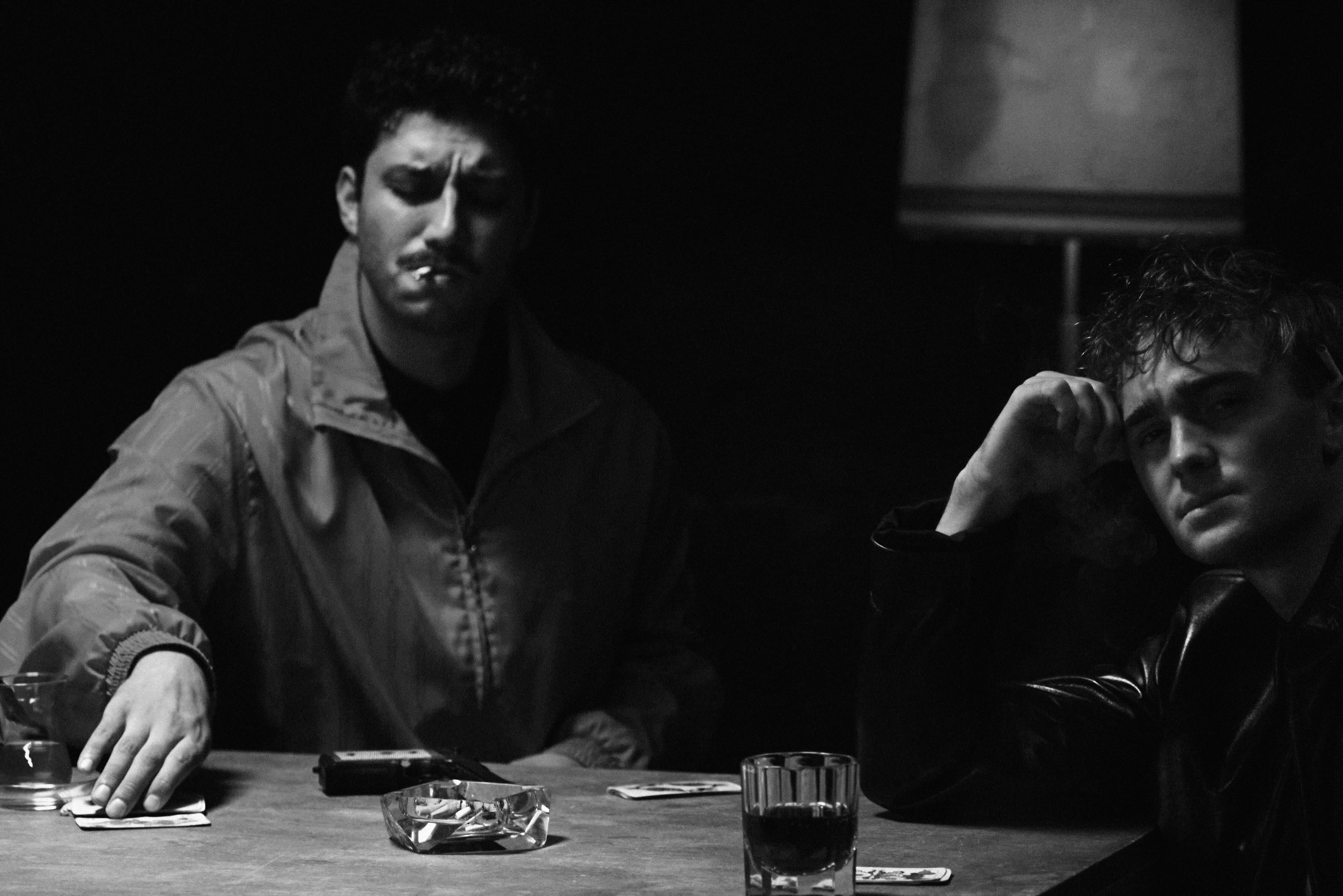
TAREQ jacket 032c HAMADY TRACKSUIT JACKET LUIS jacket 032c
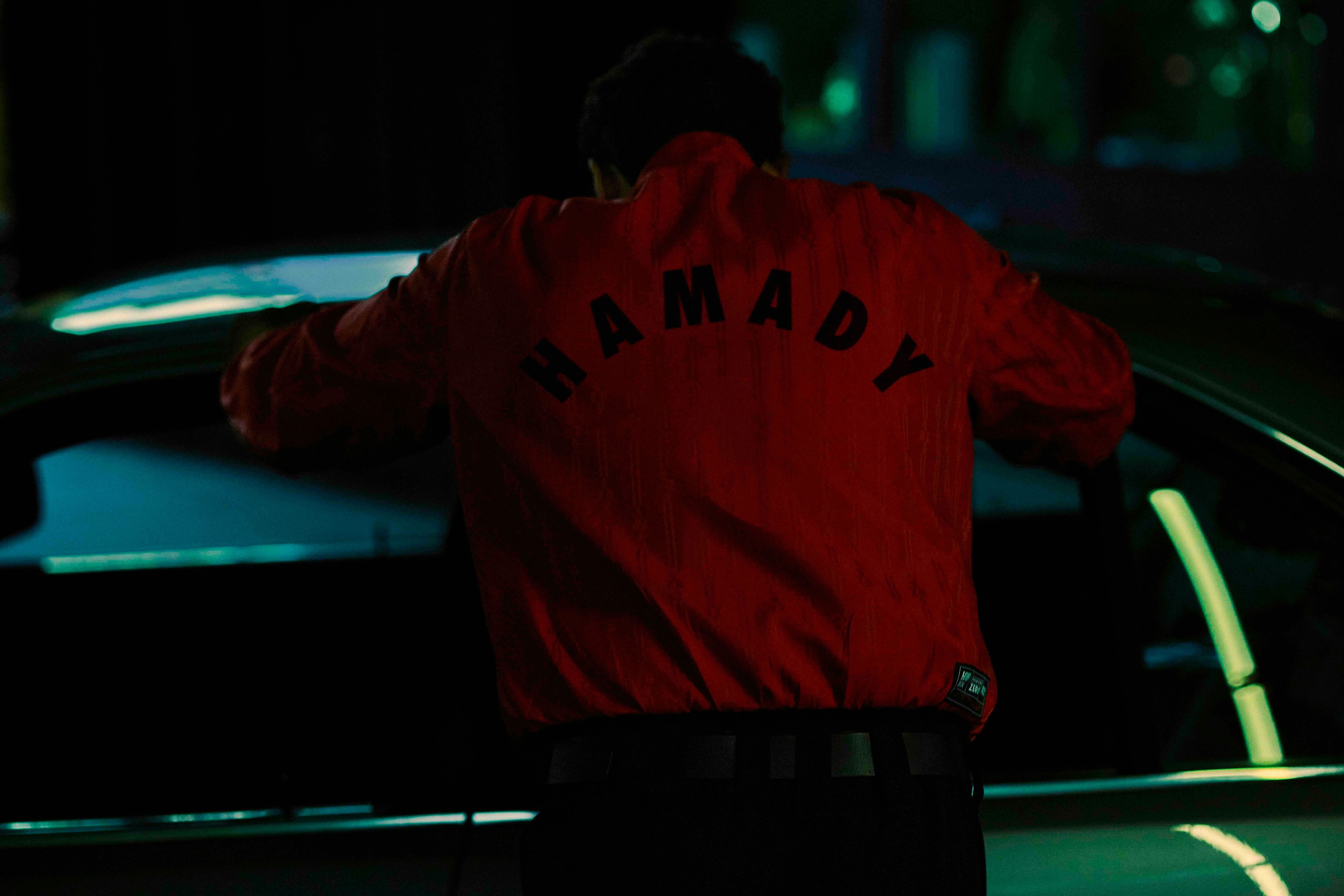
LEFT: jacket 032c HAMADY TRACKSUIT JACKET pants G-STAR belt 032c
RIGHT: shirt 032c NEUKÖLLN V-NECK T-SHIRT, pants, belt and gloves 032c tights STYLIST’S OWN
BELLA DAYNE (CORNELIA LACKNER)
MS: How would you describe your role in 4 Blocks Zero?
BD: Cornelia is a personification of the birth of 90s Berlin techno. She represents freedom, independence, and a kind of complete surrender to the moment. She grew up in Eastern Germany and suddenly finds herself in this new Berlin where East and West, immigrants and different cultures collide. Through her, you see the city becoming what it is today. She’s like a colorful bird that enters Berlin and treats the city as a playground.
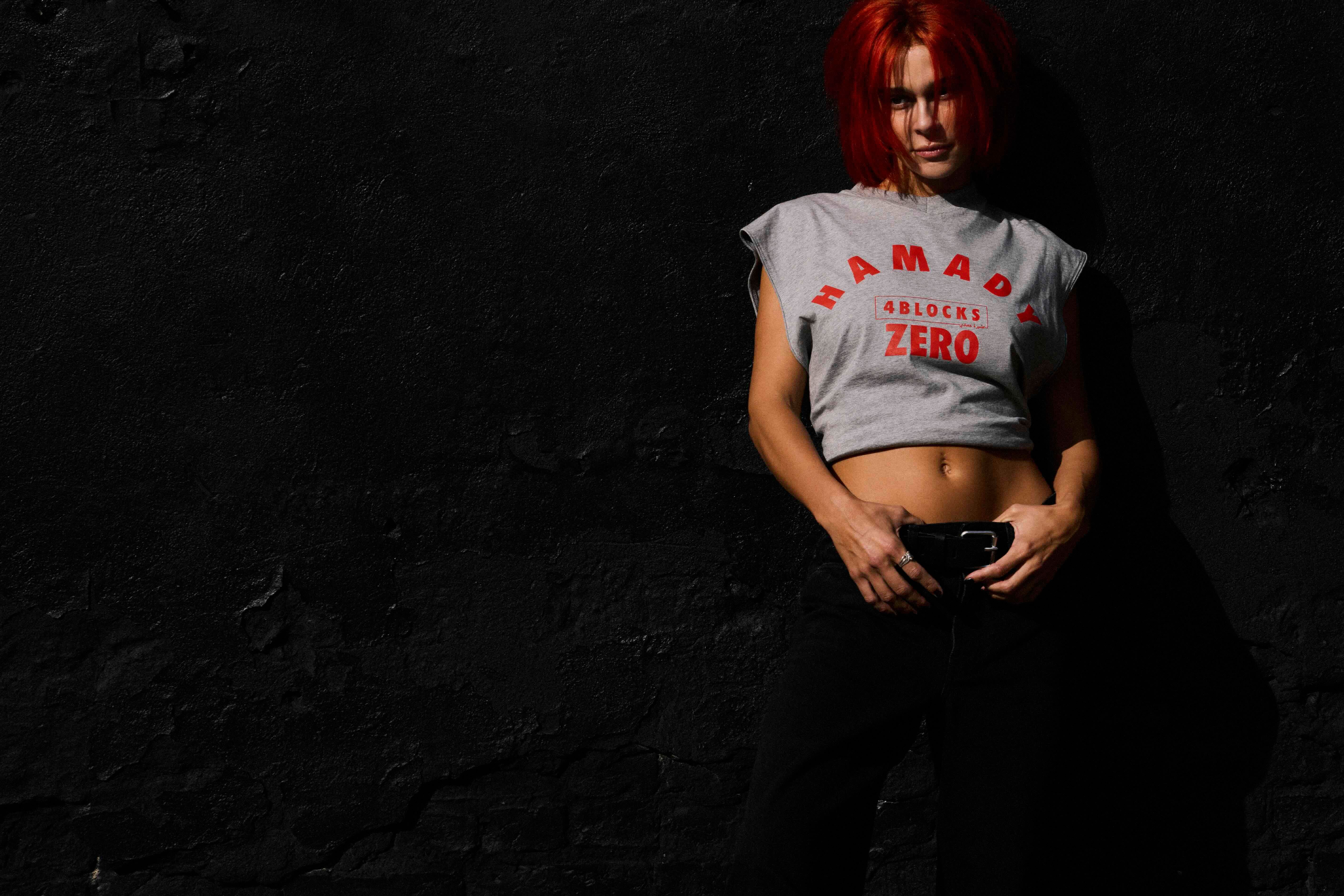
shirt 032c HAMADY MUSCLE T-SHIRT pants and belt 032c
MS: What did you feel responsible for getting right about 90s Berlin?
BD: I didn’t want to play a cliché version of the 90s. It was such a transformative, creative, and euphoric period, so I wanted to understand the psychology behind it. What people were actually feeling after the Wall came down. I spoke to people who experienced that time and tried to understand the emotions rather than just reproduce the aesthetics.
MS: What makes the 90s such a compelling setting?
BD: There was a real sense of optimism. People wanted to come together and build a new future. Berlin felt like the Wild West, but also like a place where you could completely reinvent yourself. You could find something hidden around every corner, a club, a gallery, some strange new scene. It was almost like Burning Man all year round.
MS: Favorite 90s song?
BD: “Zombie” from The Cranberries. But I had a whole playlist for Cornelia existing of original Tresor club tracks from 1994.
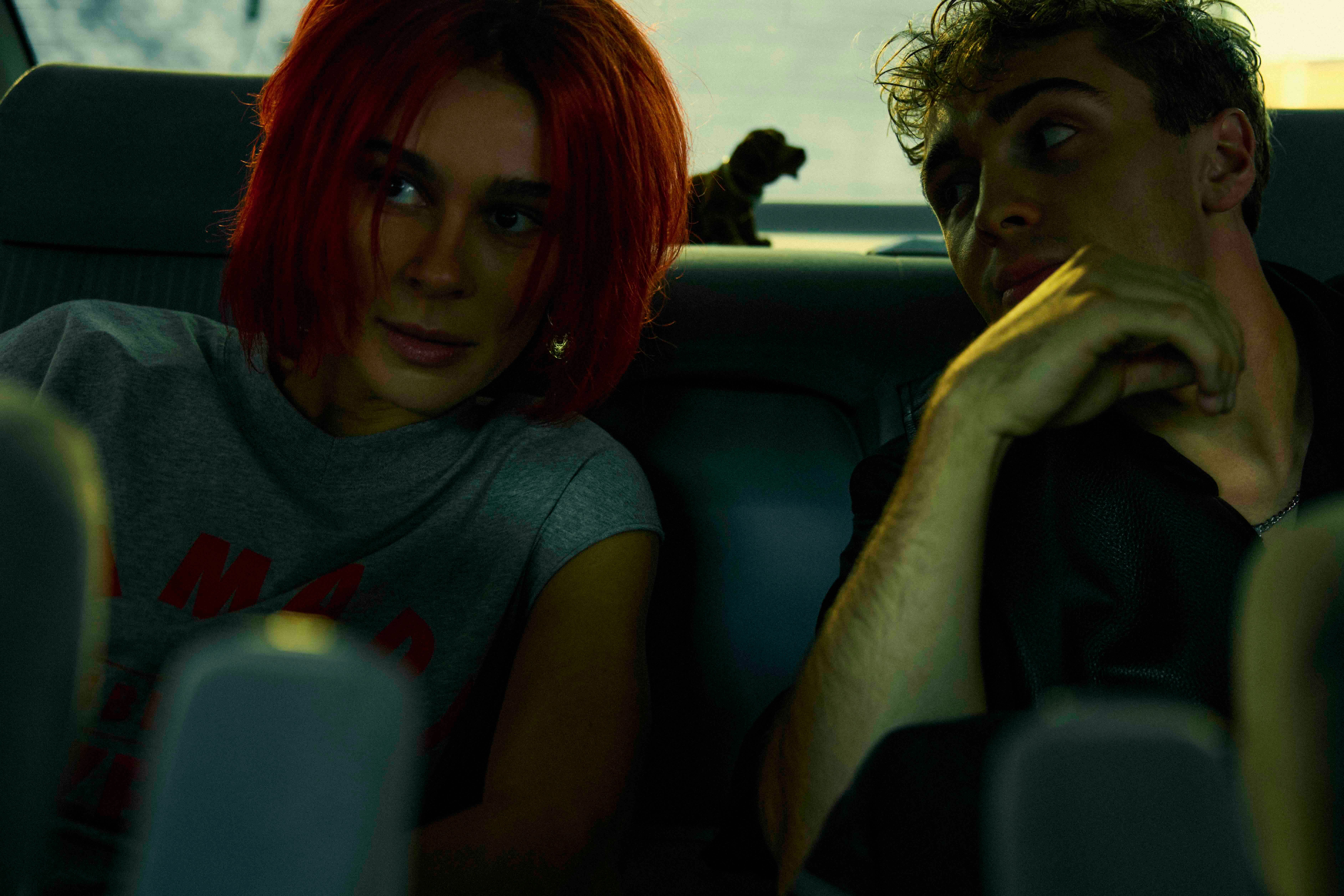
BELLA shirt 032c HAMADY MUSCLE T-SHIRT LUIS shirt and vest 032c, necklace TALENT’S OWN
MS: Was there a scene you were particularly nervous about?
BD: A scene between Cornelia and Ibrahim. There’s almost a Romeo and Juliet quality to them, except their balcony is this rough, run-down 90s Berlin. You have this very tender connection developing against such a harsh urban backdrop. I loved that contrast.
MS: What do you have in common with Cornelia—and where do you diverge?
BD: She’s much more radically independent and confrontational than I am. She has this protective armor and takes up space without asking permission. That physical freedom was new to me. But I share her love for techno, her loyalty and empathy underneath the hard exterior. Playing her actually made me more confident.
MS: What wins in 4 Blocks Zero: the desire to belong or the desire for power?
BD: Belonging, definitely. What’s sad is that some characters believe power is the only way they can achieve it.
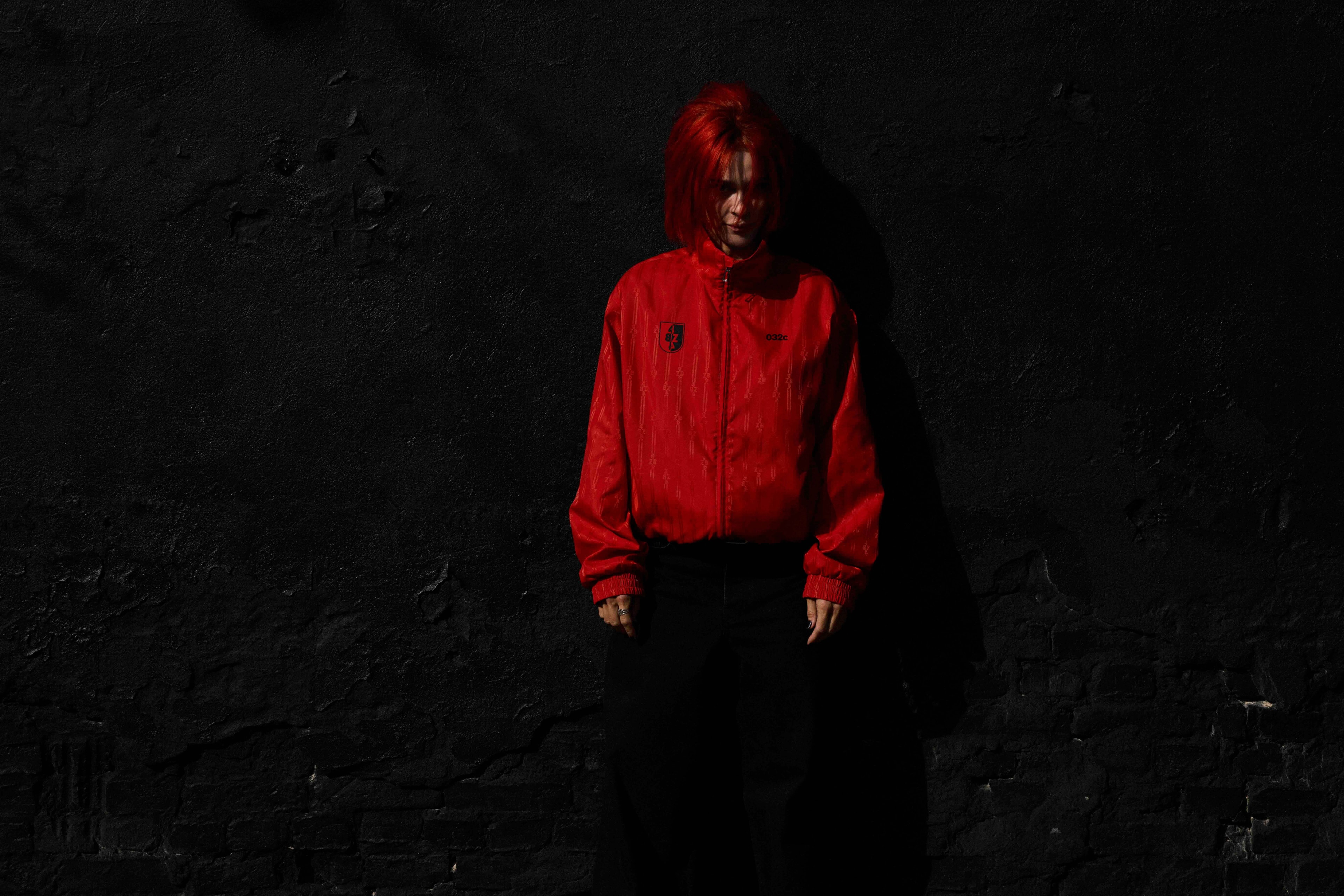
jackets 032c HAMADY TRACKSUIT JACKET pants 032c
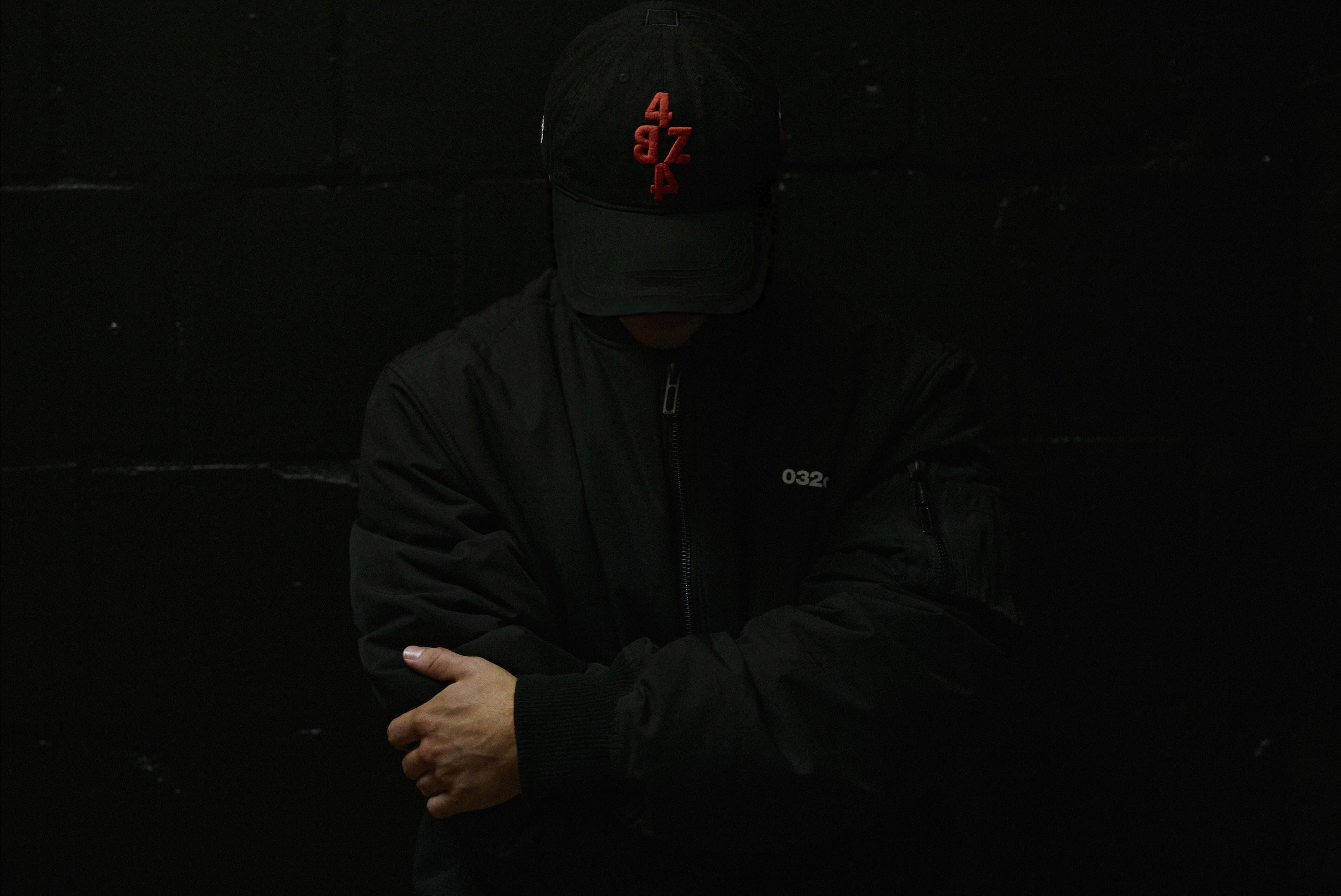
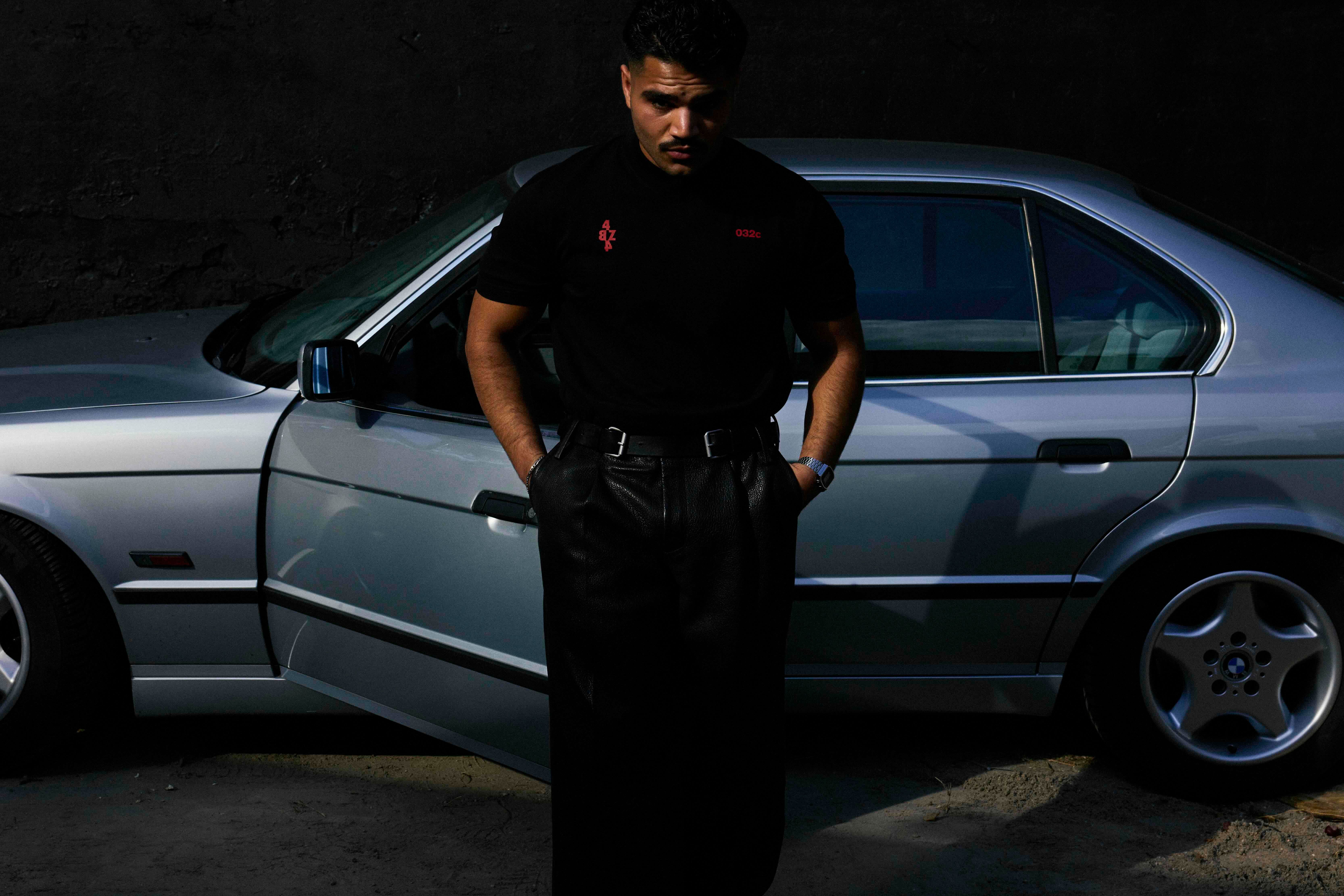
LEFT: cap 032c 4BZ4 CAP, jacket 032c RIGHT: shirt 032c NEUKÖLLN V-NECK SHIRT, pants and belt 032c, jewelry TALENT’S OWN
Credits
- Text: Maxine Schall
- Photography: Ela Klingler
- Creative Direction: Franka Rosa Maria Klaproth
- Fashion: Franka Rosa Maria Klaproth
- Talent: Bella Dayne
- Talent: Mohammad Eliraqui
- Talent: Tareq Nassery
- Talent: Luis Vorbach
- Makeup: June Mayer
- Hair: Soh Kogasaka
- Set: Fee Nee
- Production: Maxine Schall
- Gaffer: Camilo Zamora Ortiz
- Digital Operator: Dávid Rudolf
- Production Assistant: Johanna Kirsch
- Hair Assistant: Reito Fuji
- Fashion Assistant: Karola Kulcsar
- Fashion Assistant: Melina Althea Meckoni
- Fashion Assistant: Anastasiia Pinkevych