Rimowa’s Study in Color
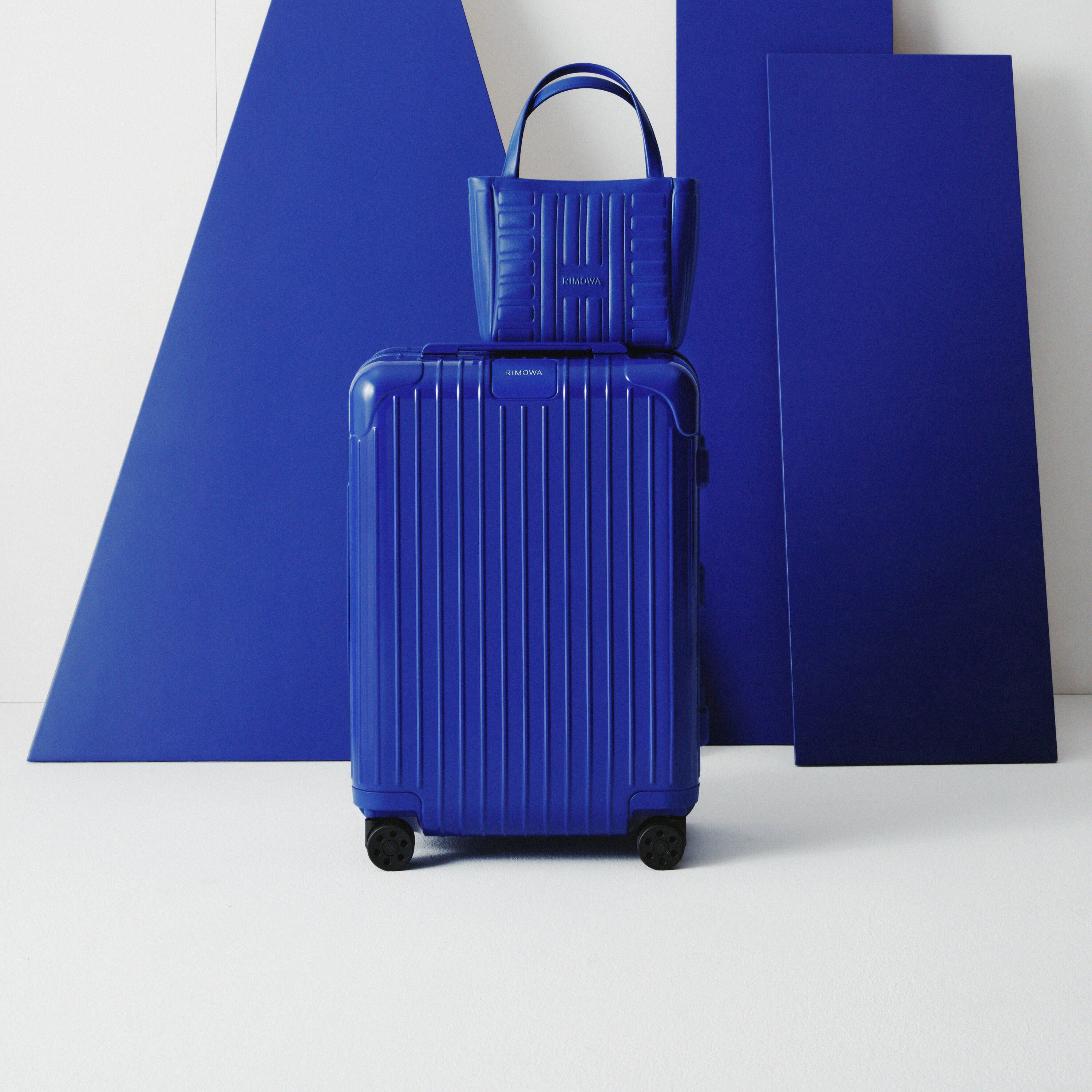
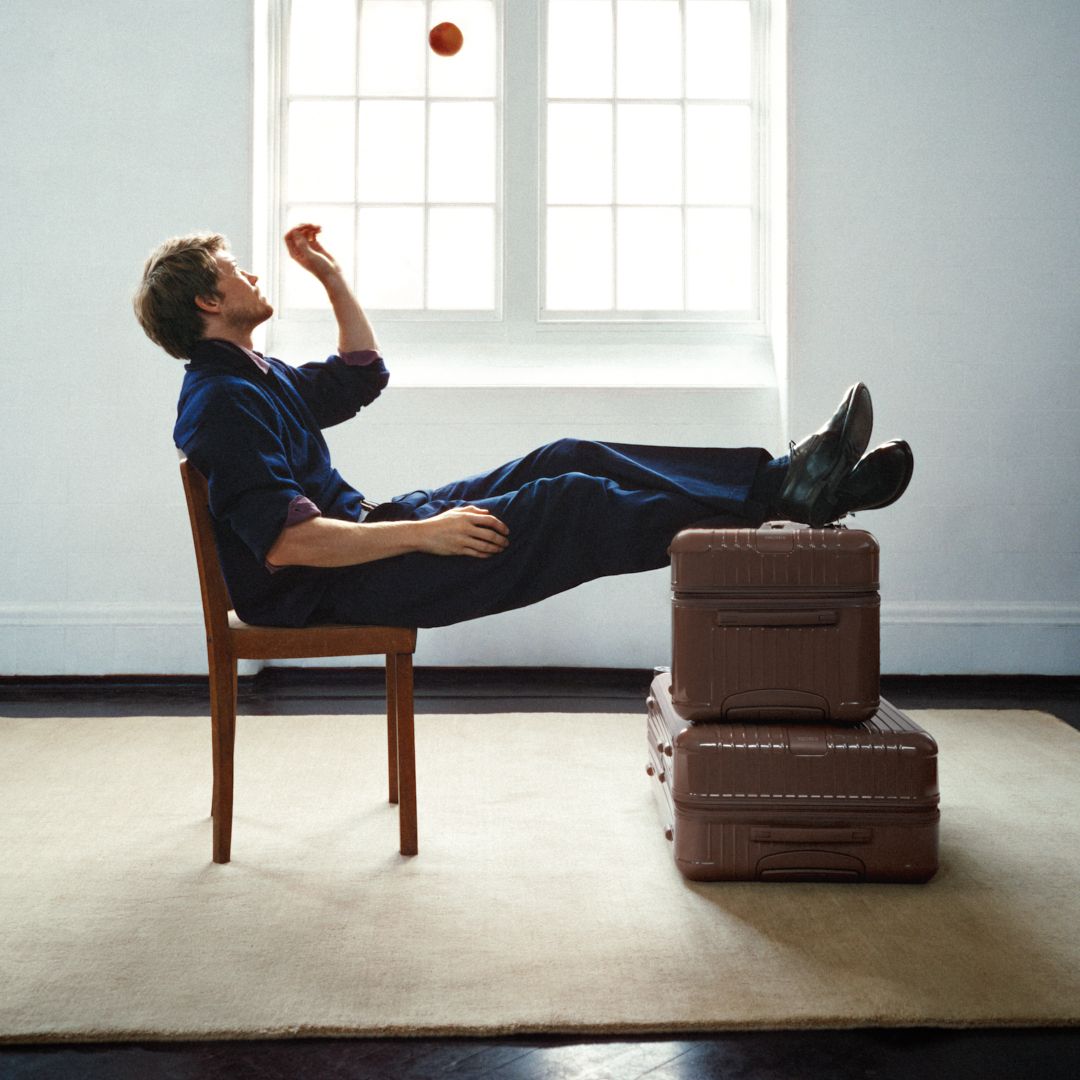
With the launch of its “Umber & Ultramarine” collection, RIMOWA combines the world of art with the spirit of travel. Drawing inspiration from pigments that have shaped artistic expression for centuries, the launch reimagines the brand’s “Essential and Groove” designs with a short film about a young painter’s move to a new studio. Played by the English actor Joe Alwyn, the artist arrives in an empty loft with the aim of finding the perfect blue. The result is a dialogue between tradition and creativity, where RIMOWA’s timeless craftsmanship leaves room for discovery and adventure.
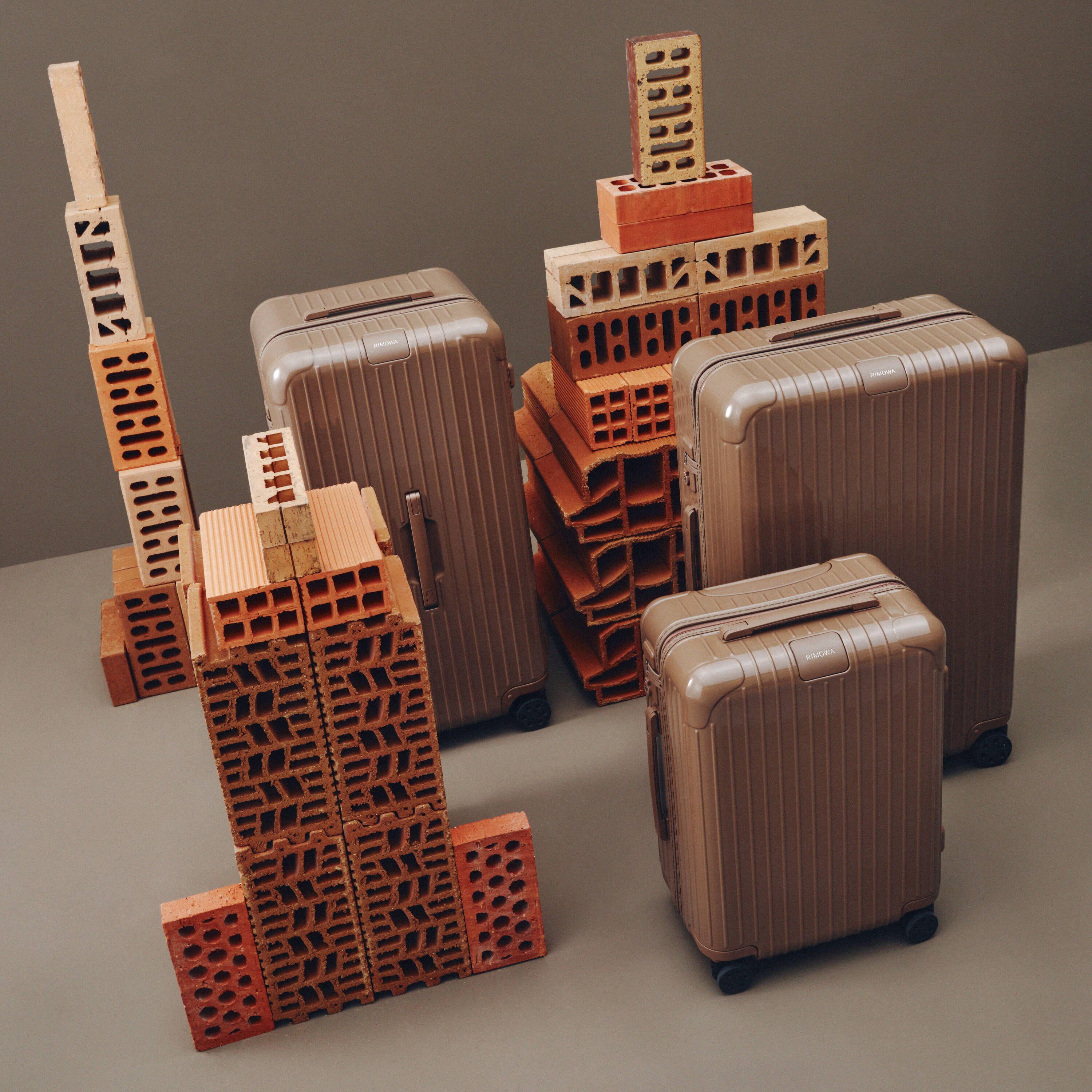
The story of the painter is also a story of the collection’s pigments themselves. As the artist begins to make the studio his home, the apartment’s color palette plays off the umber of the RIMOWA suitcase: unpacked cardboard boxes, a cellophane-wrapped sofa, a teak desk with painting supplies. A brown derived from natural minerals, umber has long served as an understated yet indispensable element in the artist’s palette. Through its use in landscapes and shadows, its main use is to bring depth to a composition.
Initially a blank canvas, the room gradually comes to life as the painter introduces elements that reflect his creativity. Through this process, the studio evolves into more than just a place to work. It becomes an extension of his artistic identity, shaped by his experiences, instincts, and ongoing search for inspiration. The longer he spends in the studio, the more fixated he becomes on finding the ideal color of blue—a pursuit as old as painting itself. In Renaissance Italy, the term ultramarine was used as an adjective, as in “azzurro oltramarino,” to distinguish the intense blue of lapis lazuli, imported from Asia, from the copper-derived azurite that could be found in Europe. The painter’s suitcase serves as a reminder that color pigments have been some of history’s most precious cargo.
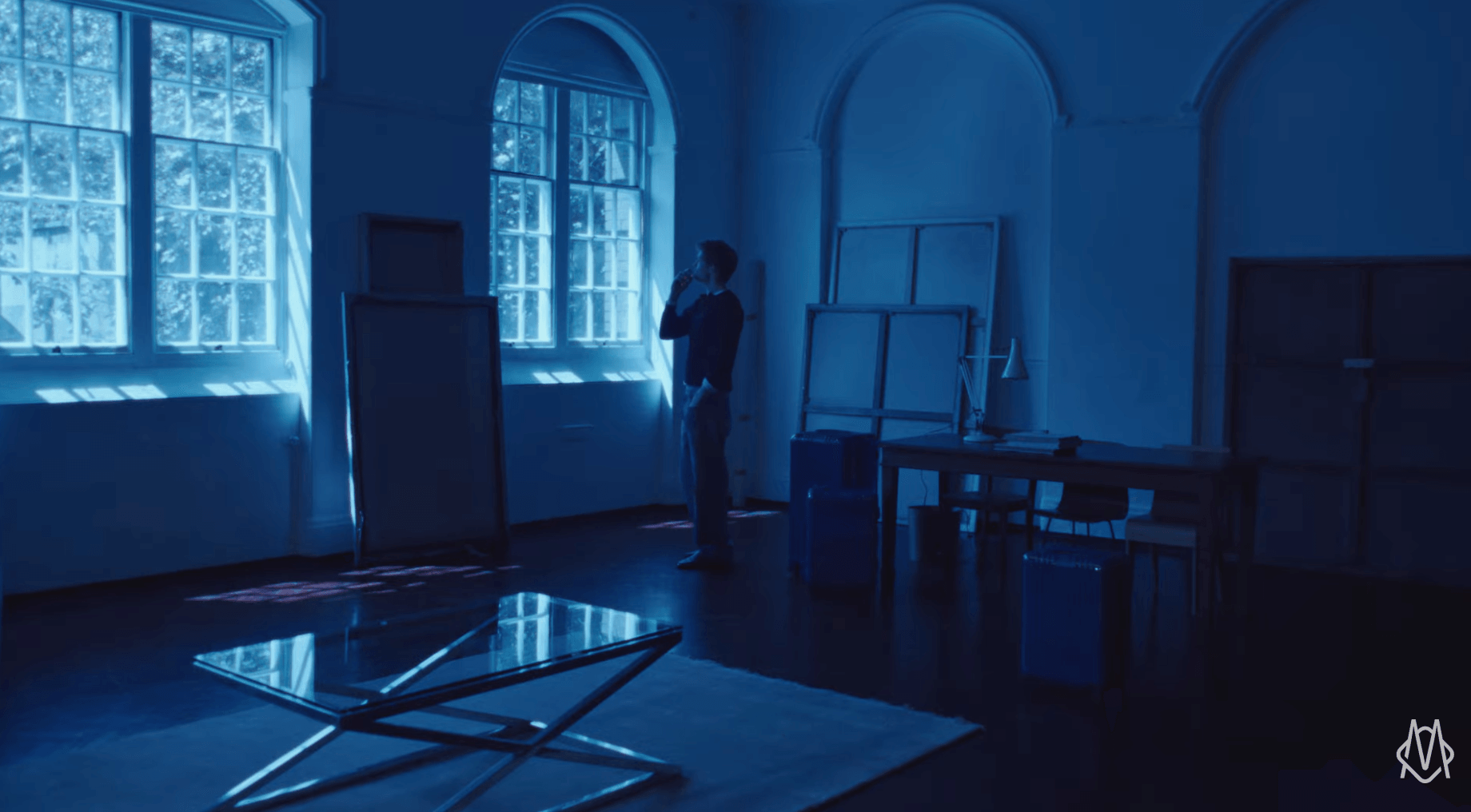
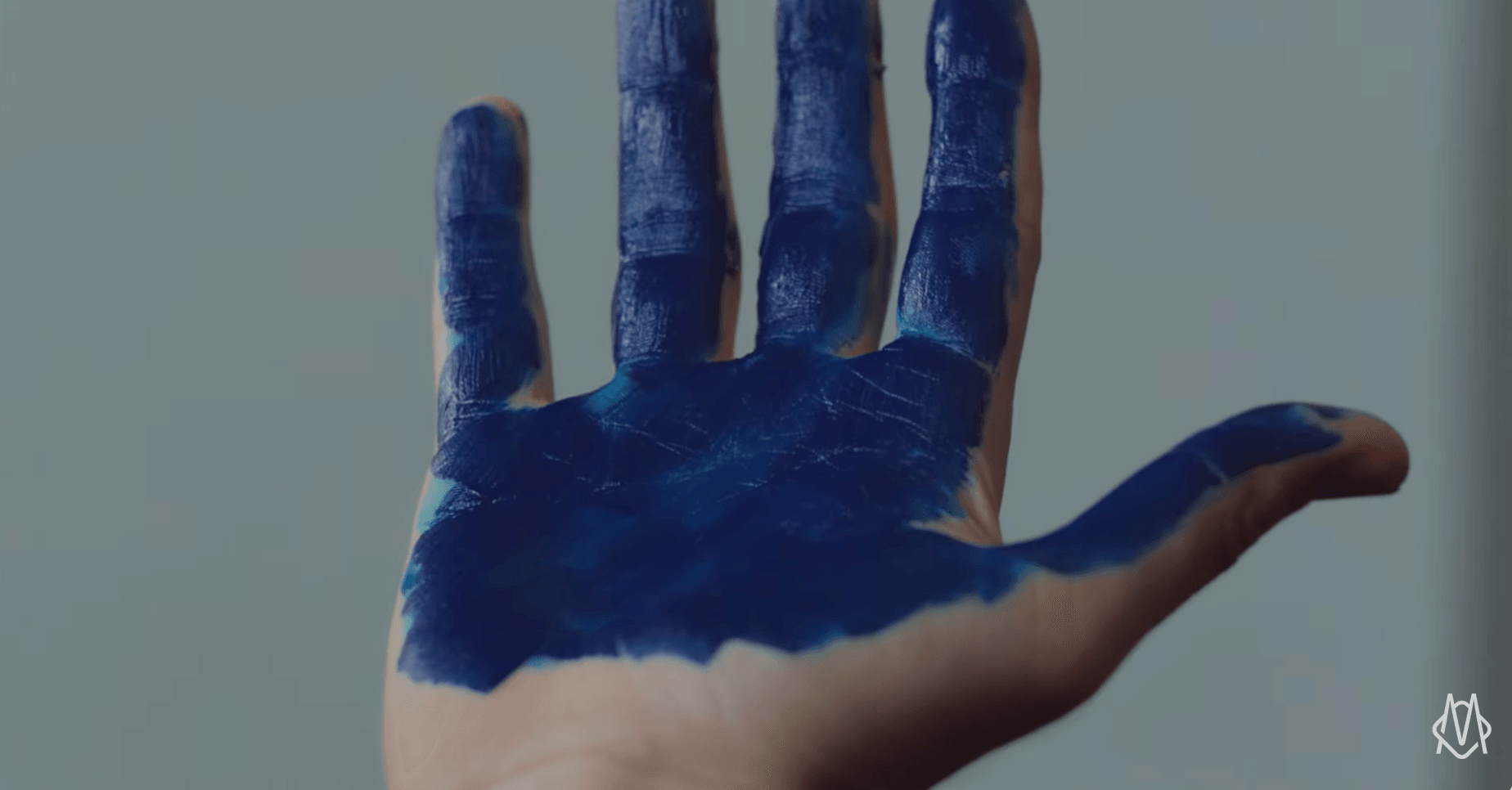
In the solitude of his studio, the painter begins to see everything in blue. Blue is the color of our more tempered moods, yet “to be blue” also implies a detached enjoyment of one’s losses. In her break-up essay and color treatise Bluets, the poet Maggie Nelson writes that she fell in love with the color blue “as if falling under a spell, a spell I fought to stay under and get out from under, in turns.” That blue melancholy sticks to everything. In the film, the painter looks at his hand soaked in blue. There’s boundary trouble here: Where does the painter end and blue begin? Wherever that limit might be, the inspiration emerges through the intuitive act of making the color one’s own.
Representing the film’s beginning and end, the colors of umber and ultramarine create a powerful visual balance. Between umber’s grounding force to the earth and ultramarine’s expansiveness to the sky, there is room for everything in between, an equilibrium that resonates with travel itself. Rather than treating luggage as simply functional, the RIMOWA’s launch positions it as a personal object with its own aesthetic character reflecting experiences and inspirations gathered along the way. Rooted in centuries of artistic tradition and interpreted through a contemporary design perspective, the collection invites a new appreciation of color in everyday life.