Objects of Our Love
What roles do objects play in relationships? How do we find each other and relate through things in the world?
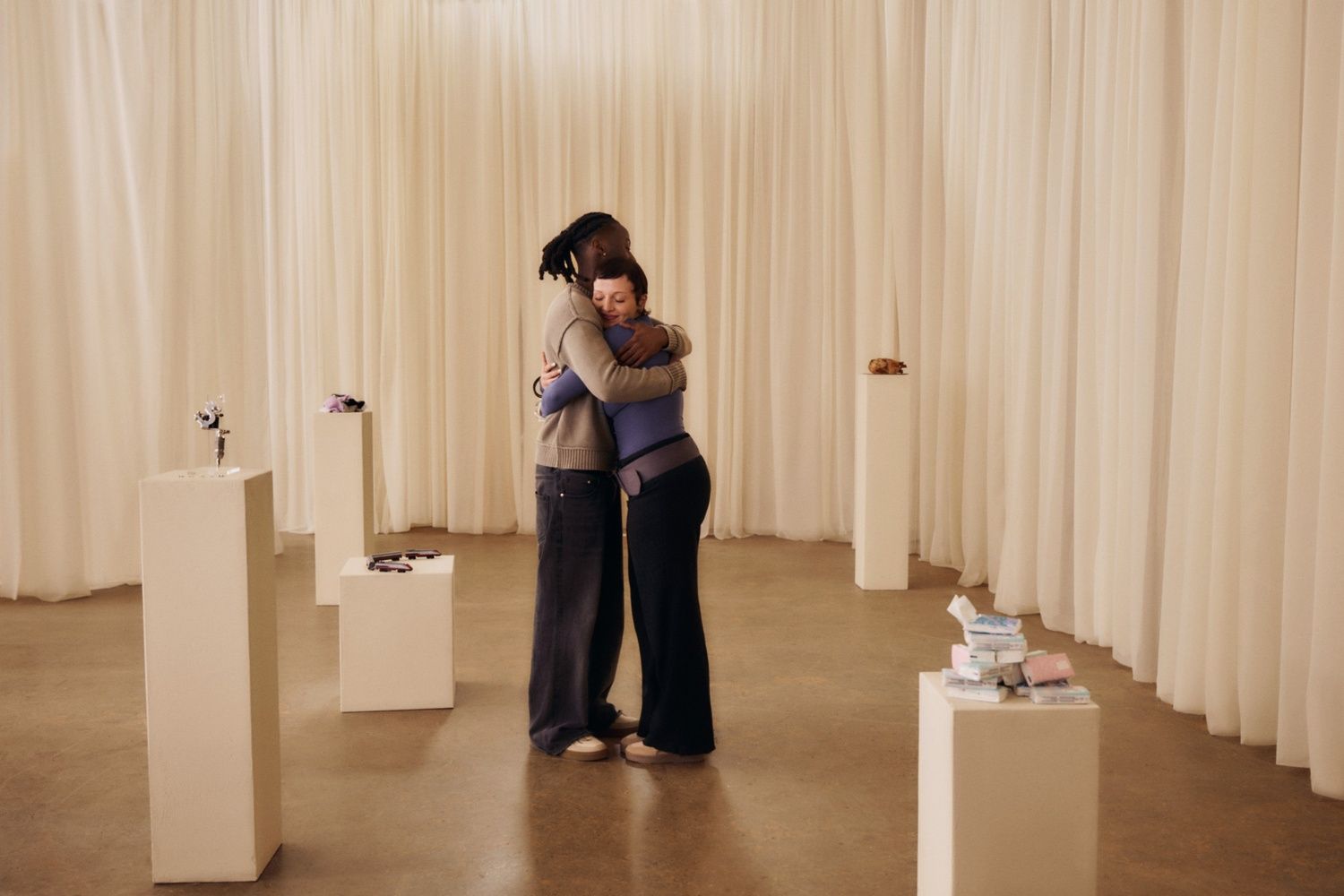
To celebrate diving into the German and French dating pools, Hinge recently courted three couples who found each other through the app that’s designed to be deleted. From the first awkward moments of getting to know one another to the journeys that brough them closer together, all three couples were invited to tell the story of their budding love. And though each story is unique, they all have “souvenirs of love” in common.
First thought: A souvenir is just a memory in French. This no-nonsense definition dates back many centuries to the Old French verb for “to remember.” But in modern times, the word has left the staid tradition of its manor, and become a wanderer; a hybrid moving freely between being active and passive, an object and an act, as well as an in the world and in the mind. And this is what makes souvenir such an interesting word: it’s hard to pin down. It’s a little like love—which is an emotion and a person in some dialects: “could you pass the pitcher, love? It was a souvenir.” Both words are exhilarating because they blur the line between what’s felt and what’s shared, between what we carry inside and what passes between us. And also because of what they do too.
Second thought: A souvenir became more than a memory during the rise of sentimental culture and bourgeois tourism in the late eighteenth and early nineteenth centuries. As letters and keepsakes circulated among separated lovers and friends, the object began to stand in for presence itself. Imbued with emotional reality, all those trinkets that have become clichés in novels and films—a lock of hair, a ribbon, a miniature portrait—were ways to commune with those absent, to unite those apart. To bring what’s gone into the room. Like a CD player playing a shared favorite song and the person suddenly being there.
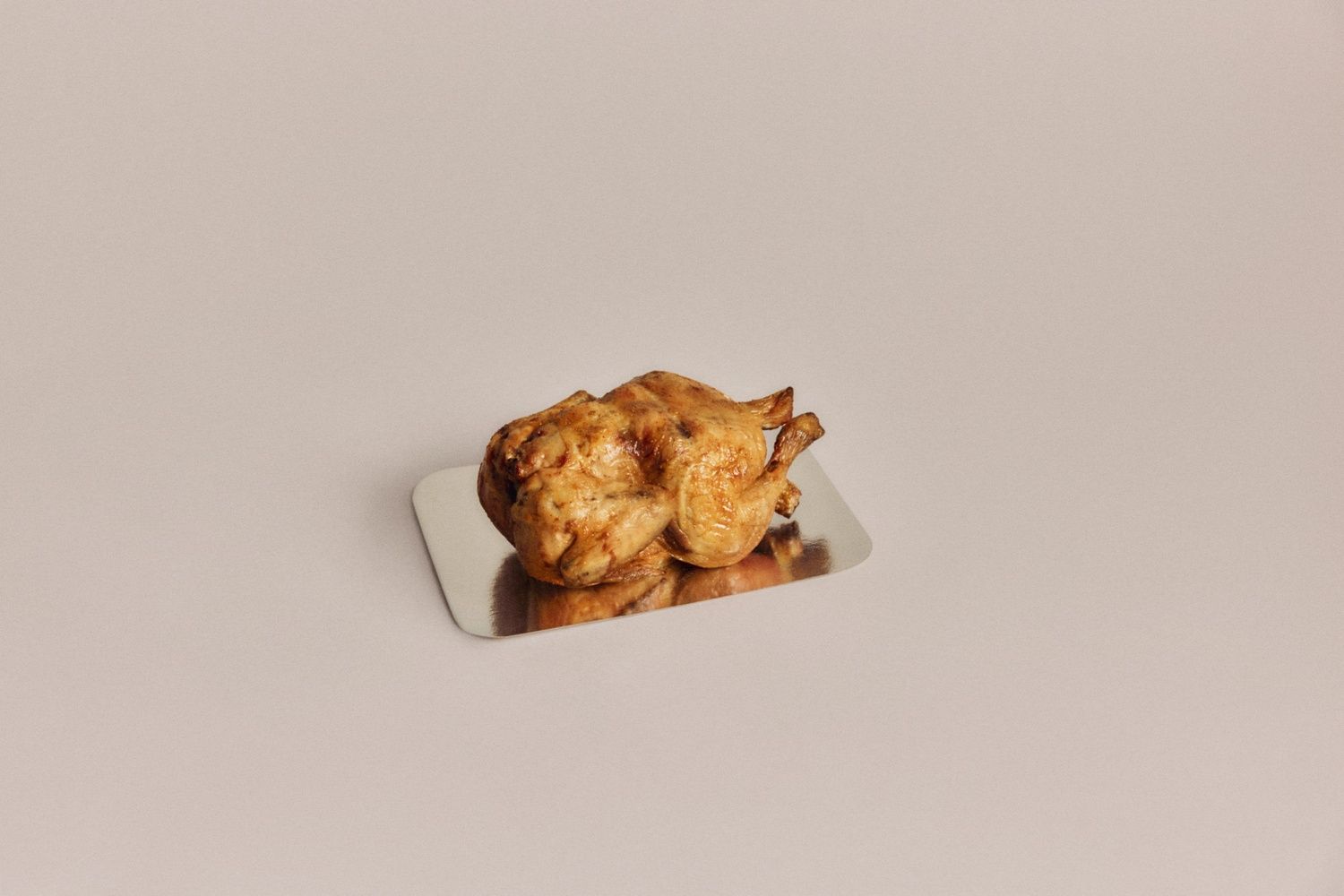
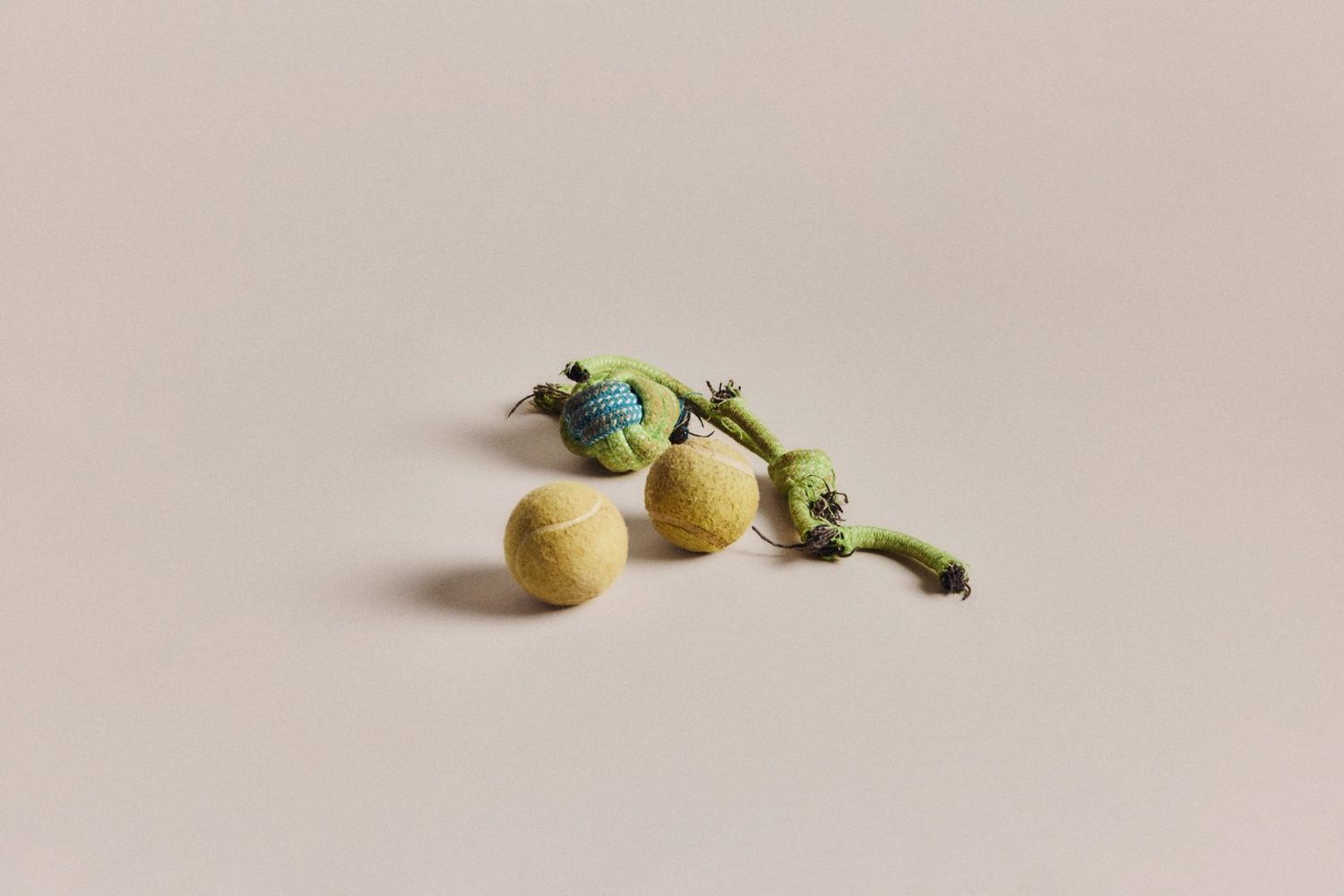
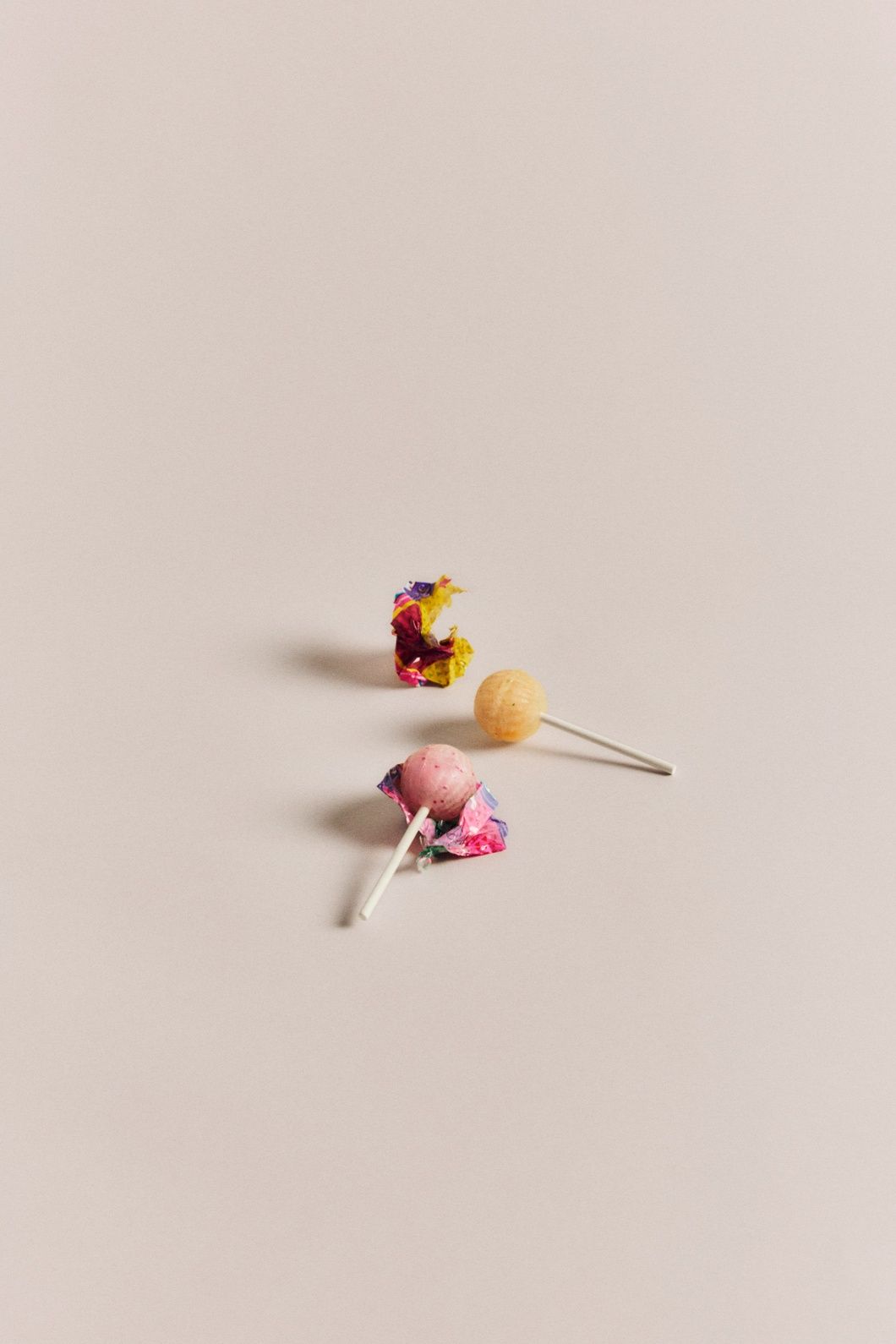
Third thought: But we all know what happened. Souvenirs became mostly plastic. The token of affection turned into a mass-produced commodity, the thing everyone has and no one keeps. Or keeps but in a drawer with rubber bands and sandwich ties. A miniature Eiffel Tower bought by the million, a fridge magnet of Cinque Terre from a friend or was it a colleague and whatever they were there for. Multiplied over and over, the souvenir stopped being about the singular and started to be the same.
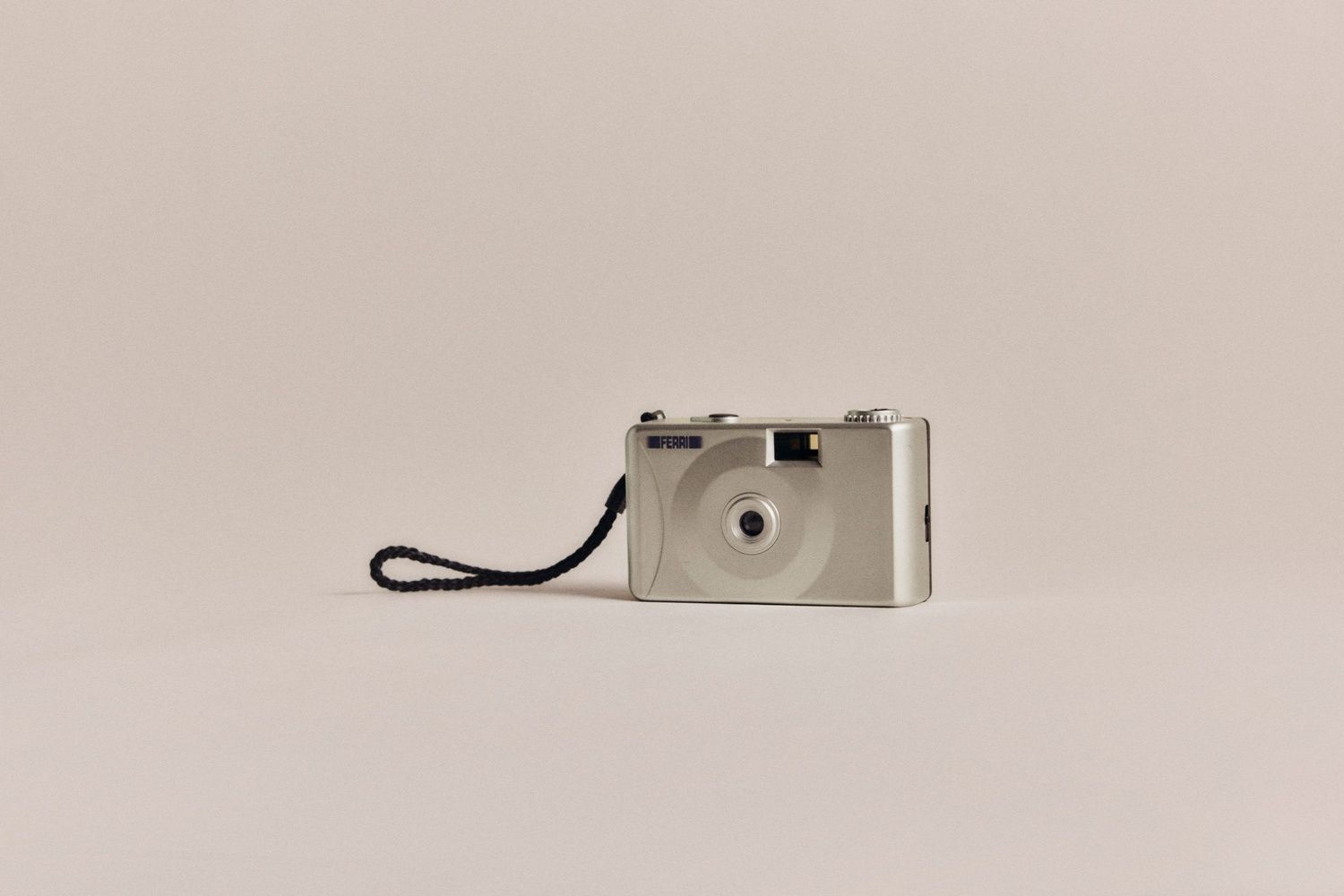
Fourth thought: And yet something’s maybe shifting again. In the age of FaceTime, when you can show that you’re thinking of someone whenever you want, a small trinket seems to me to be all the more meaningful. I have a small doll’s set of books that one of my dearest friends from Australia gave me, and I laugh every time I look at it because it’s ridiculous to have a doll’s set of books, and also because he knew it was ridiculous enough to give to me. And so, every time I laugh alone, he laughs with me, I think. A small, private union replayed in miniature, nine hours apart. Perhaps the souvenir is returning to its origins—not the airport keychain, but the personal token, the fragment that carries an electrical, emotional charge because it has been handled and chosen. This can be as simple as a museum stub. And might this not also be the same reason why point and shoot cameras are back in?
It seems to me that the online generation is longing for something real, for something physical. As the old saying goes, “you always want what you don’t have.” But then, this is a lie. Objects have always surrounded us. And it’s nice that Hinge is reminding us with these souvenirs.
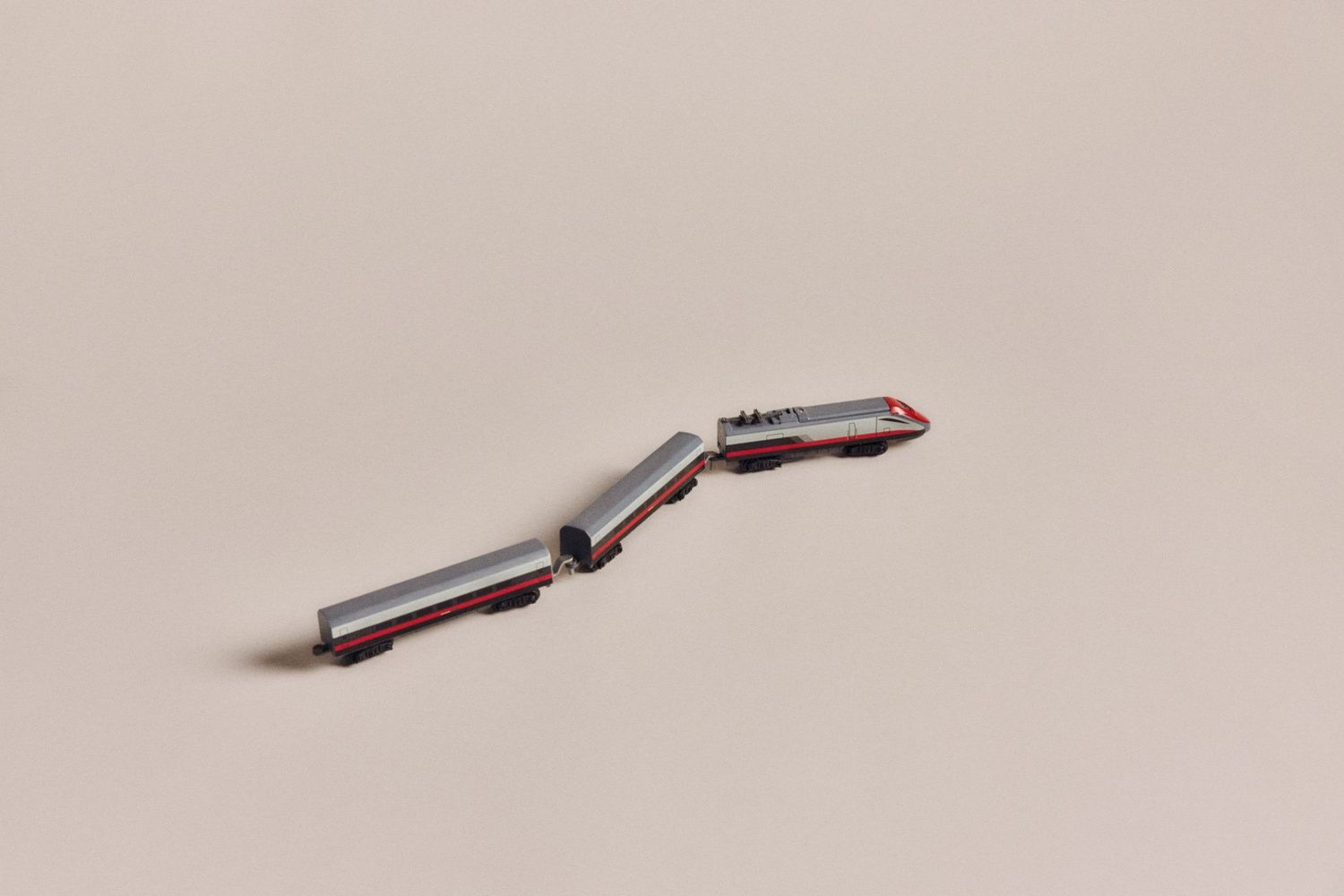
Fifth thought: How far away is a souvenir from love? Both turn experience into a sign, body into memory, time into story. The moment when care hardened into form. Like a tattoo or a piercing. But love lives and is made anew each day. And I can’t help but wonder, after watching this film, will Noemi get a tattoo of a train?
Dedicated content