MAN’S NOT HOT: The Puffer Jacket’s Unbreakable Grip on Streetwear
|Zoë Dimitriadis
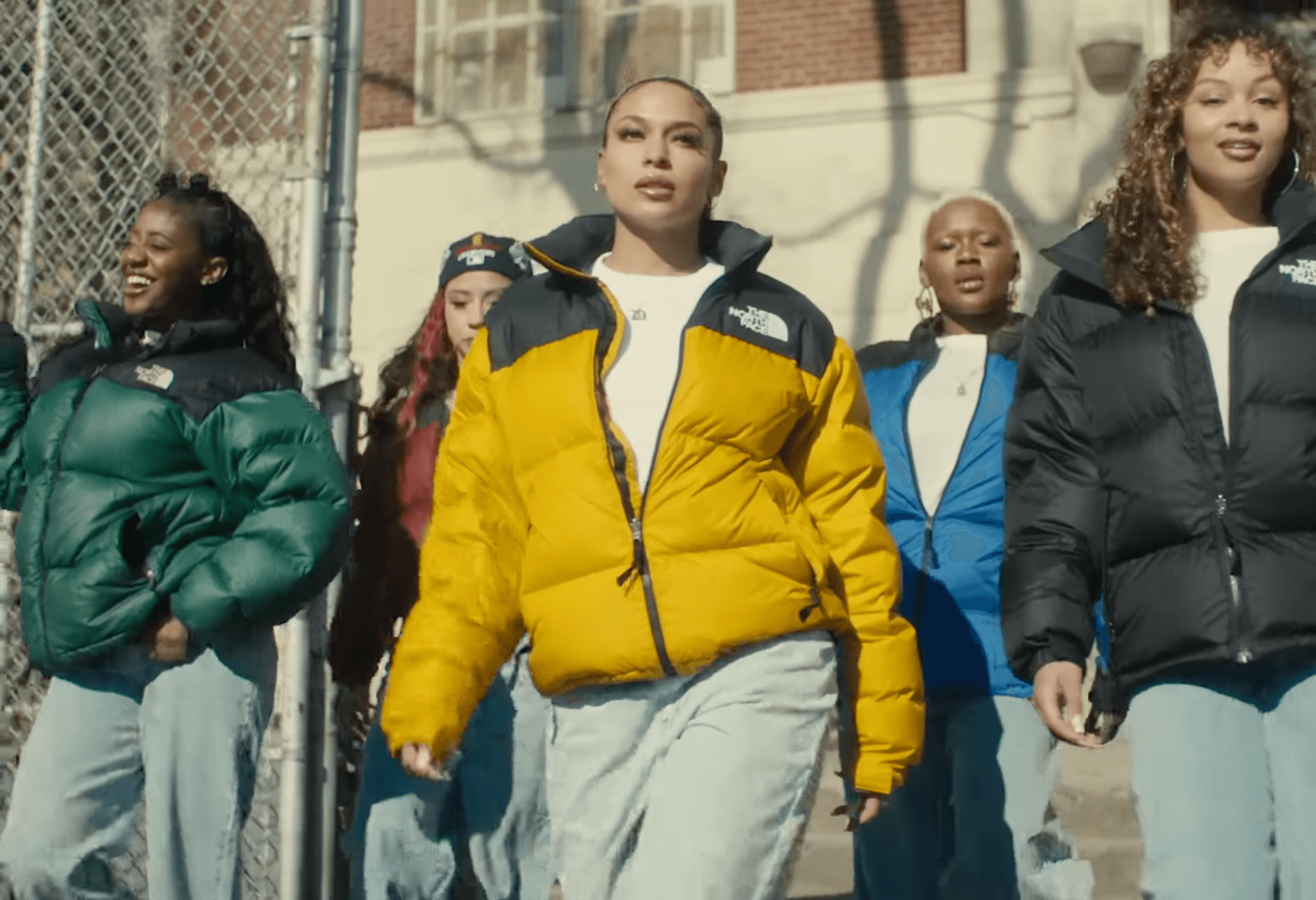
“Look at me, so clean, no effort,” raps Princess Nokia in her “No Effort” music video, flanked by her girls at an East Harlem park. It’s a portrait of effortless presence: no overthinking the fit, no chasing trends, no need to prove anything. Just North Face puffers, oversized pants, and an attitude that speaks for itself.
An ode to the 90s New York rap scene, the video tells a “story of sisterhood and the origins of our backgrounds and upbringings,” as Princess Nokia puts it. The North Face Nuptse is an indispensable part of this visual language, its oversized silhouette instantly recognizable, projecting confidence, presence, and belonging. The look feels instinctive, but our familiarity is no accident. Across generations, the jacket has taken on an aura of authenticity, with its journey from 90s hip-hop to contemporary rap less a marketing strategy than a cultural handover. On the occasion of the 2026 drop, we trace how a jacket built for the coldest places on Earth ended up on hip-hop’s hottest names.
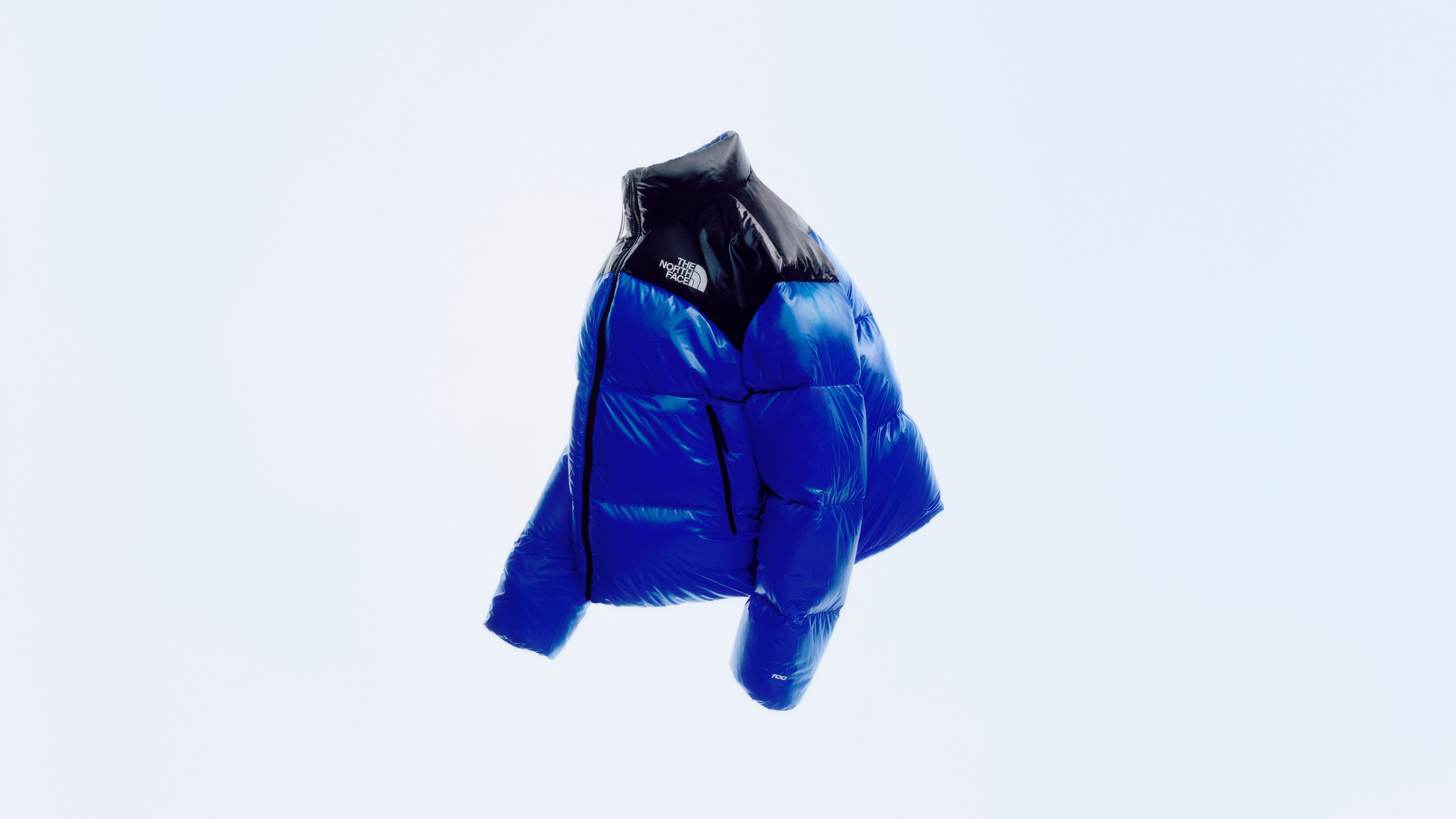
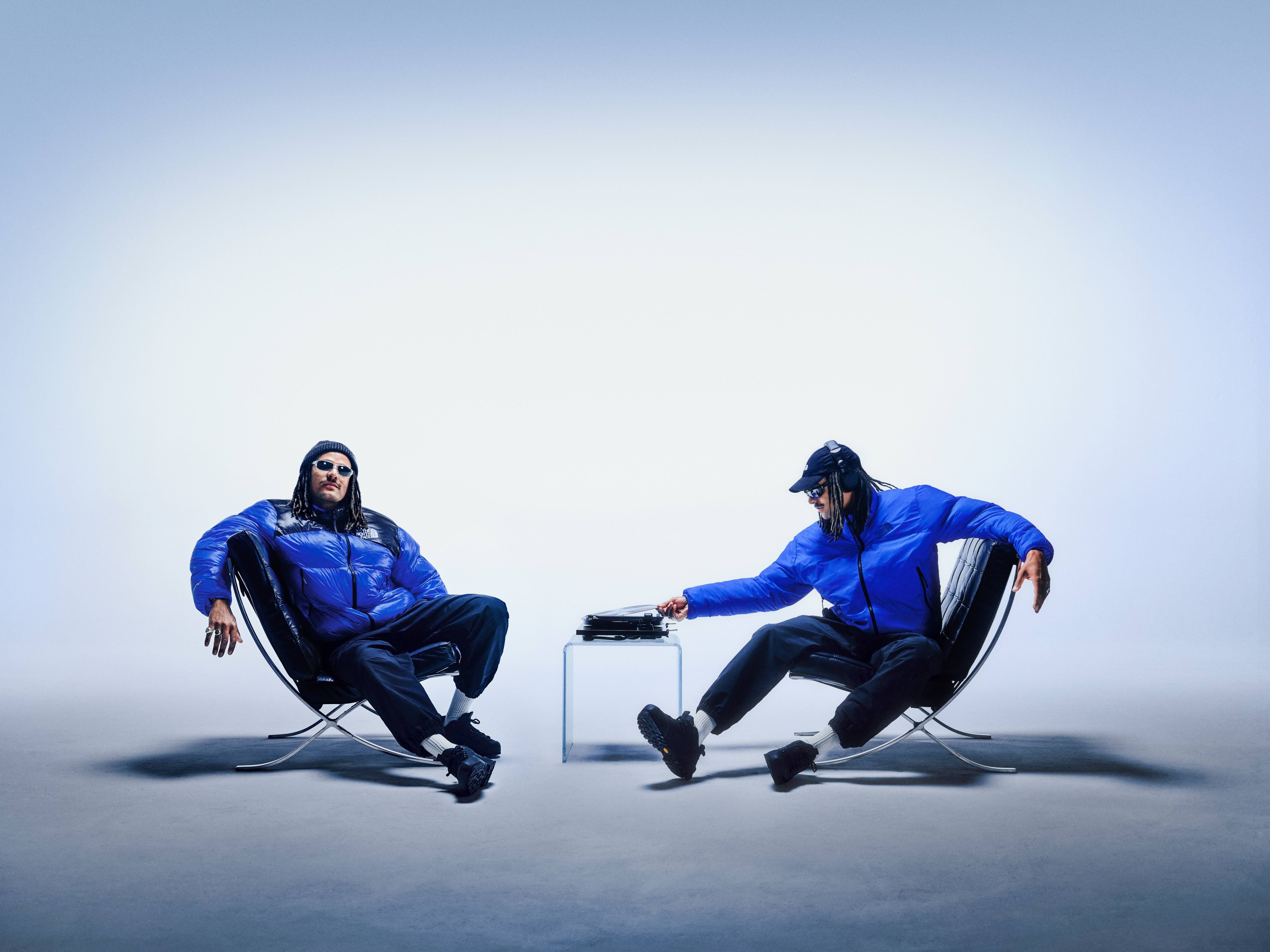
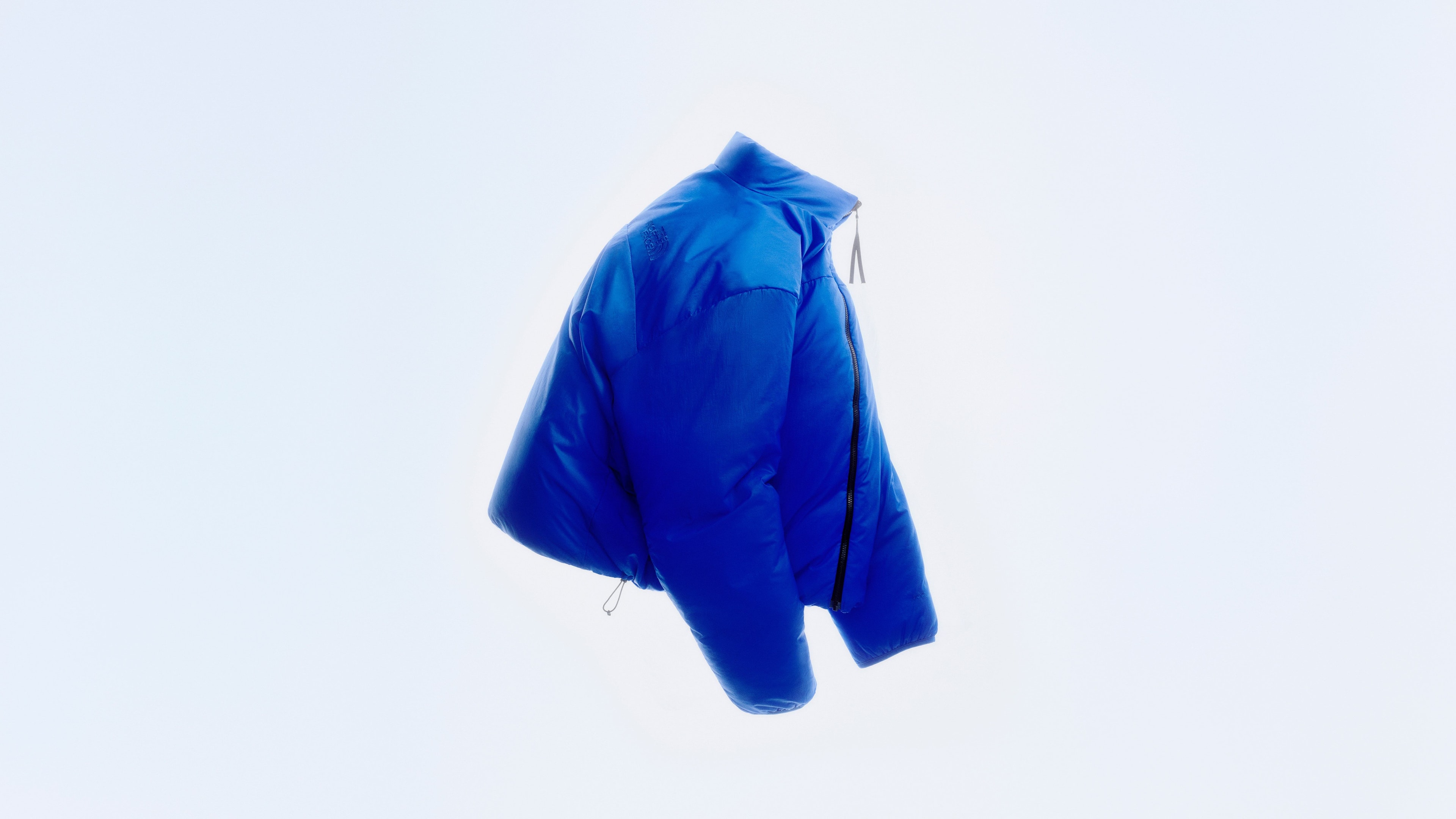
Taking its name from a mountain in Nepal’s Himalayas, the Nuptse was designed to keep mountaineers warm in harsh environments. The jacket, which dropped in 1992, features a cropped silhouette allowing climbers easier access to their harnesses as well as reinforced shoulder panels for extra durability. The Nuptse was designed to survive Everest, not to make an impression on the streets, but the puffer jacket quickly gained respect in the 90s East Coast rap scene. Wu-Tang Clan’s 1993 music video for “Method Man” spotlighted The North Face’s Steep Tech jacket, while the Notorious B.I.G. dropped references to the brand in his lyrics. Decades later, Wu-Tang’s RZA appeared in the brand’s “It’s More Than a Jacket” campaign, reflecting on the personal and cultural significance of his North Face jacket. “One of the reasons why it’s more than a jacket is because it’s a witness,” he says in the campaign. “It’s a witness of the brotherhood.” Recalling his childhood in New York, he added, “When I was rocking my North Face jacket, I was good.”
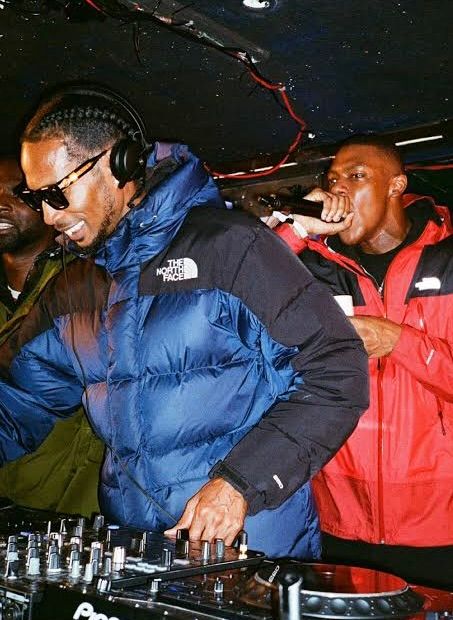
Across the Atlantic, the early 2000s UK grime scene also adopted the puffer in push back to the status-conscious trends of the millennium. In the flashy aesthetics of Y2K, spending money on designer names was a way of feeling as expensive as the clothes on your back. In his track “That’s Not Me,” Skepta captured the rejection of this tendency most explicitly: “I used to wear Gucci, I put it all in the bin ’cause that’s not me.” As grime embraced the kind of practical clothing that might previously have been rejected at the club door—tracksuits, sneakers, and puffer jackets—it transformed dressing down into a form of cultural distinction, asserting an identity rooted in authenticity, functionality, and working-class experience rather than conspicuous luxury. By the time Chip called himself a “feature verse tearer, North Face wearer” in his 2008 track “Can’t Run Out of Bars,” the North Face had become emblematic of the UK rap scene, with the Nuptse figuring as one of its stand out silhouettes.
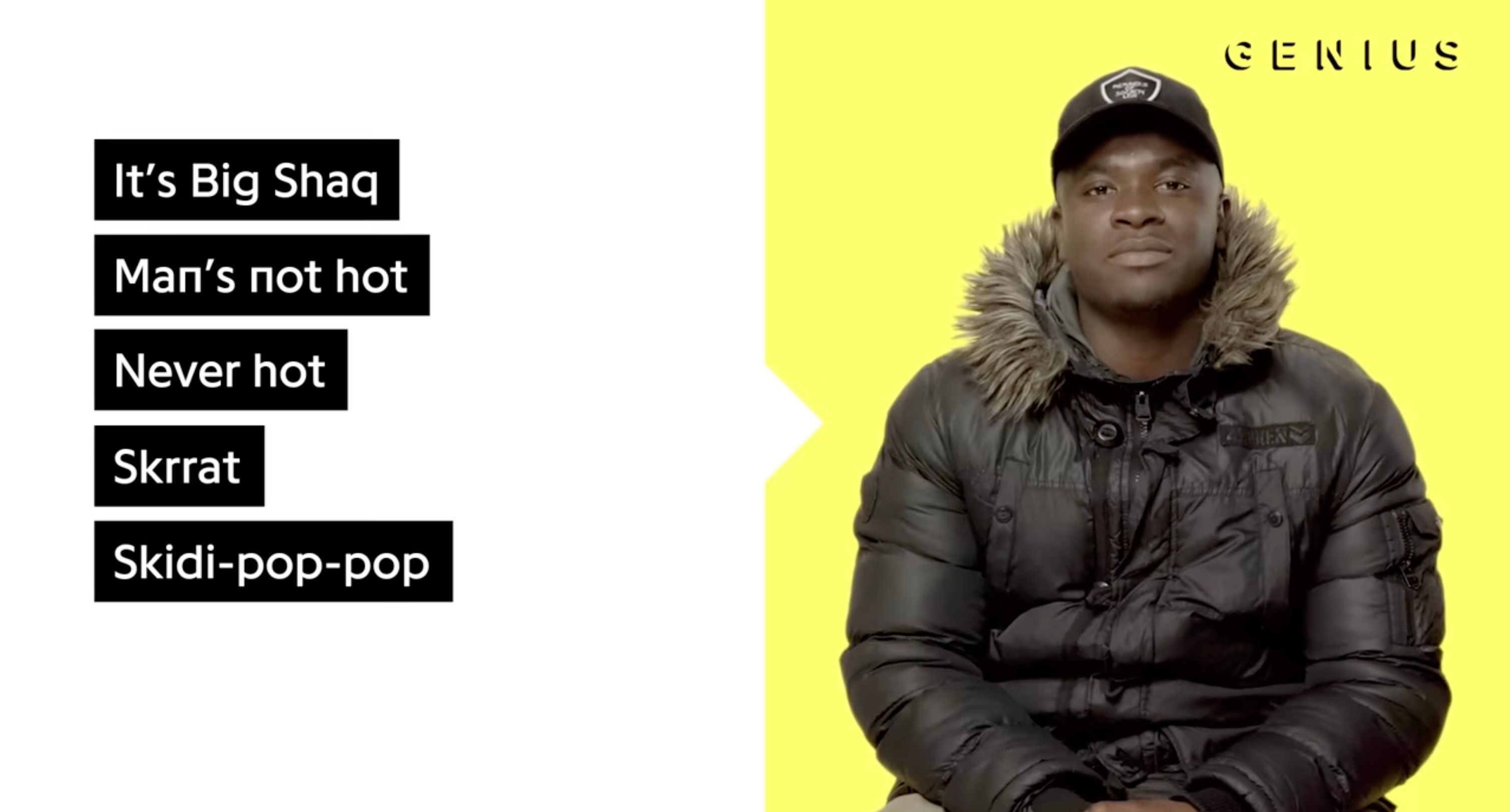
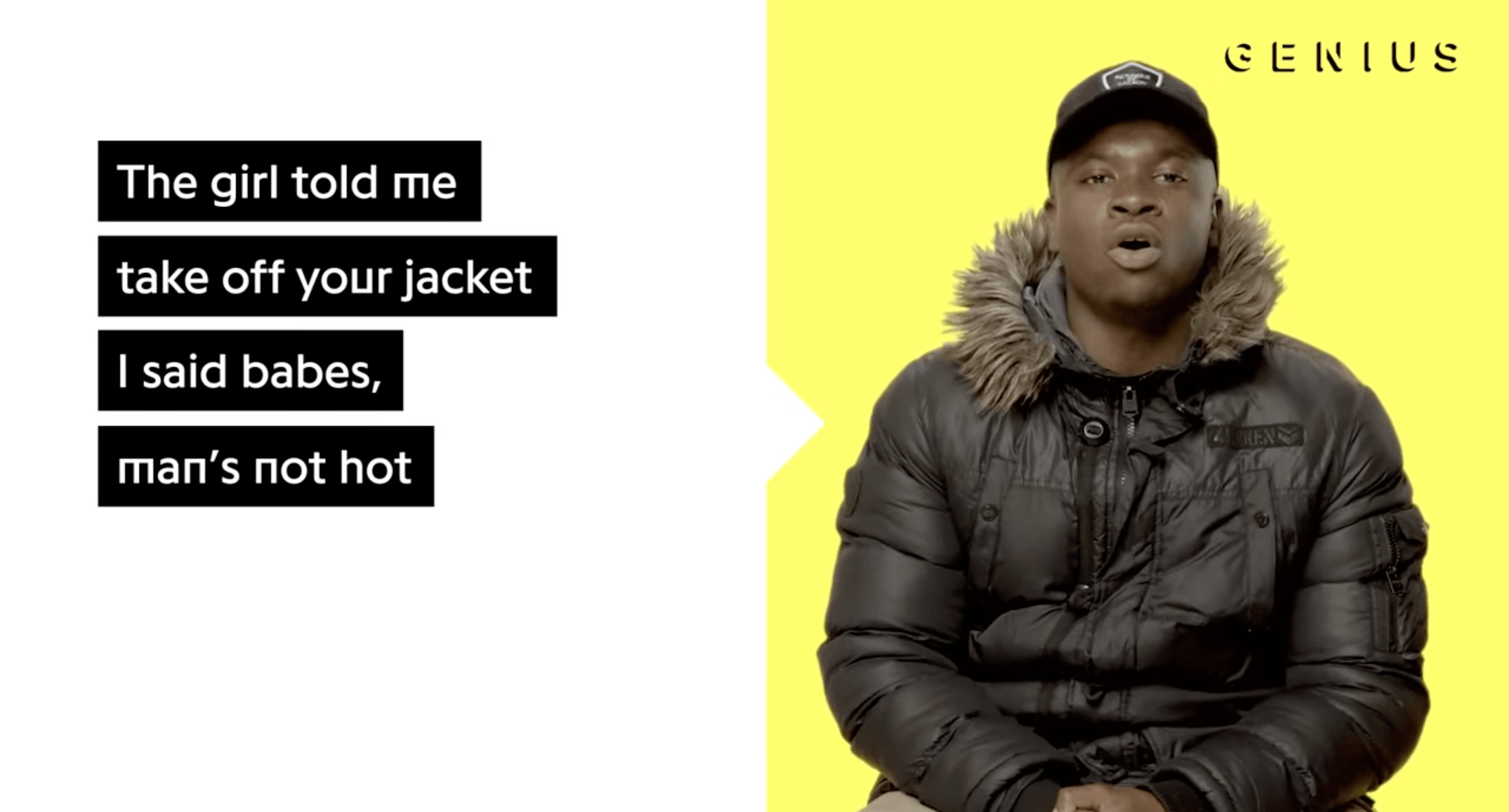
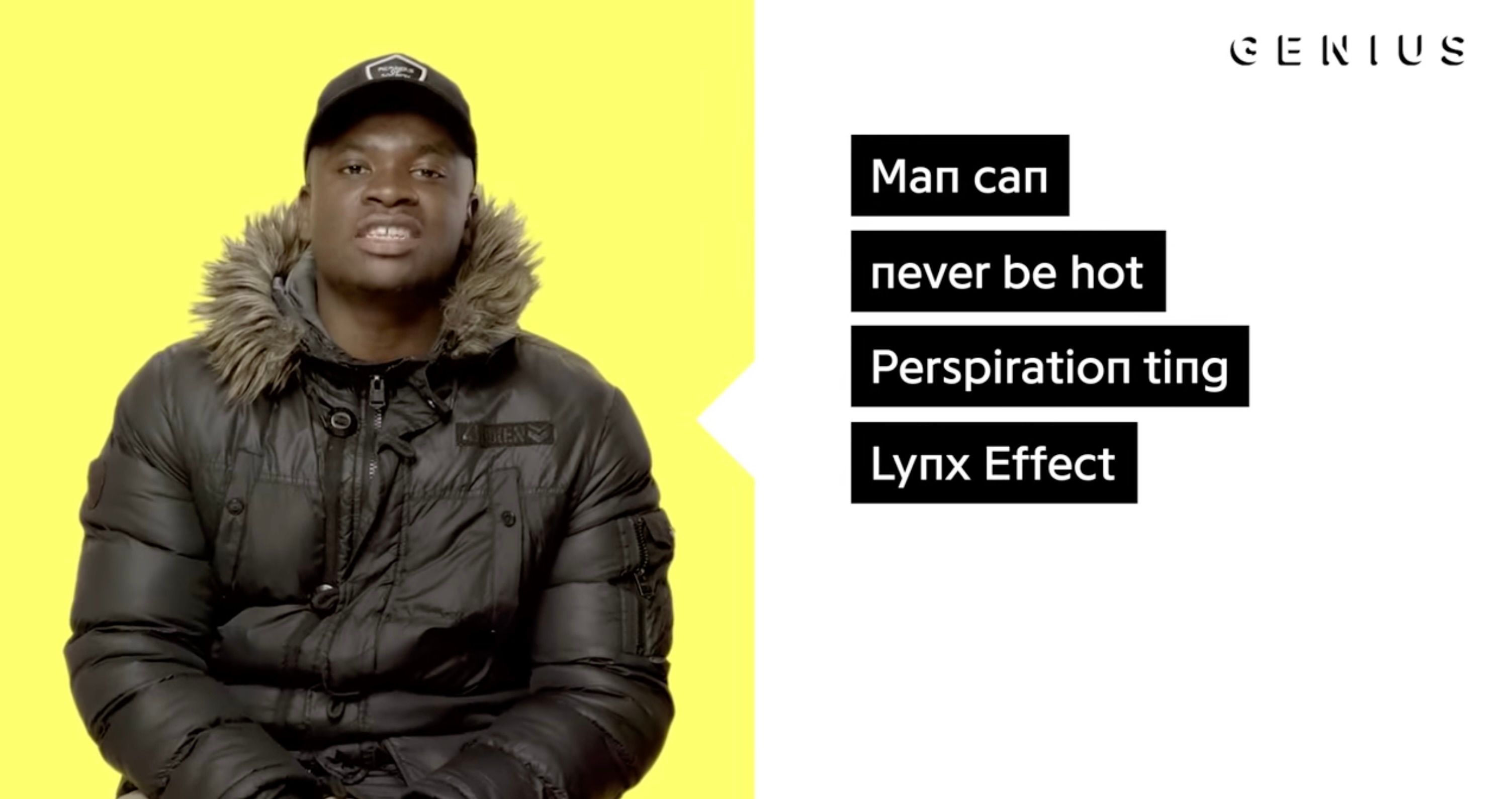
This practical approach didn’t emerge from a deliberate pursuit of style; however, the emphasis on functionality soon developed a distinct aesthetic of its own. Paradoxically, people were wearing the puffer jacket no longer because it was practical, but because practicality itself had become fashionable. More than a means of staying warm, the puffer jacket had evolved into a symbol of cool. Worn less for the weather than for the look, the volume and construction of the puffer jacket evoked a streetwise toughness. The style of coat became so widespread among grime artists that it evolved into the object of satire in tracks like Big Shaq’s 2017 “Man’s Not Hot,” which poked fun at the MC who refuses to take off his puffer jacket, no matter how hot the room gets. Say what you will about practicality, but there might be no greater commitment to the edict of high fashion than refusing to take off your jacket, all for the sake of an outfit.
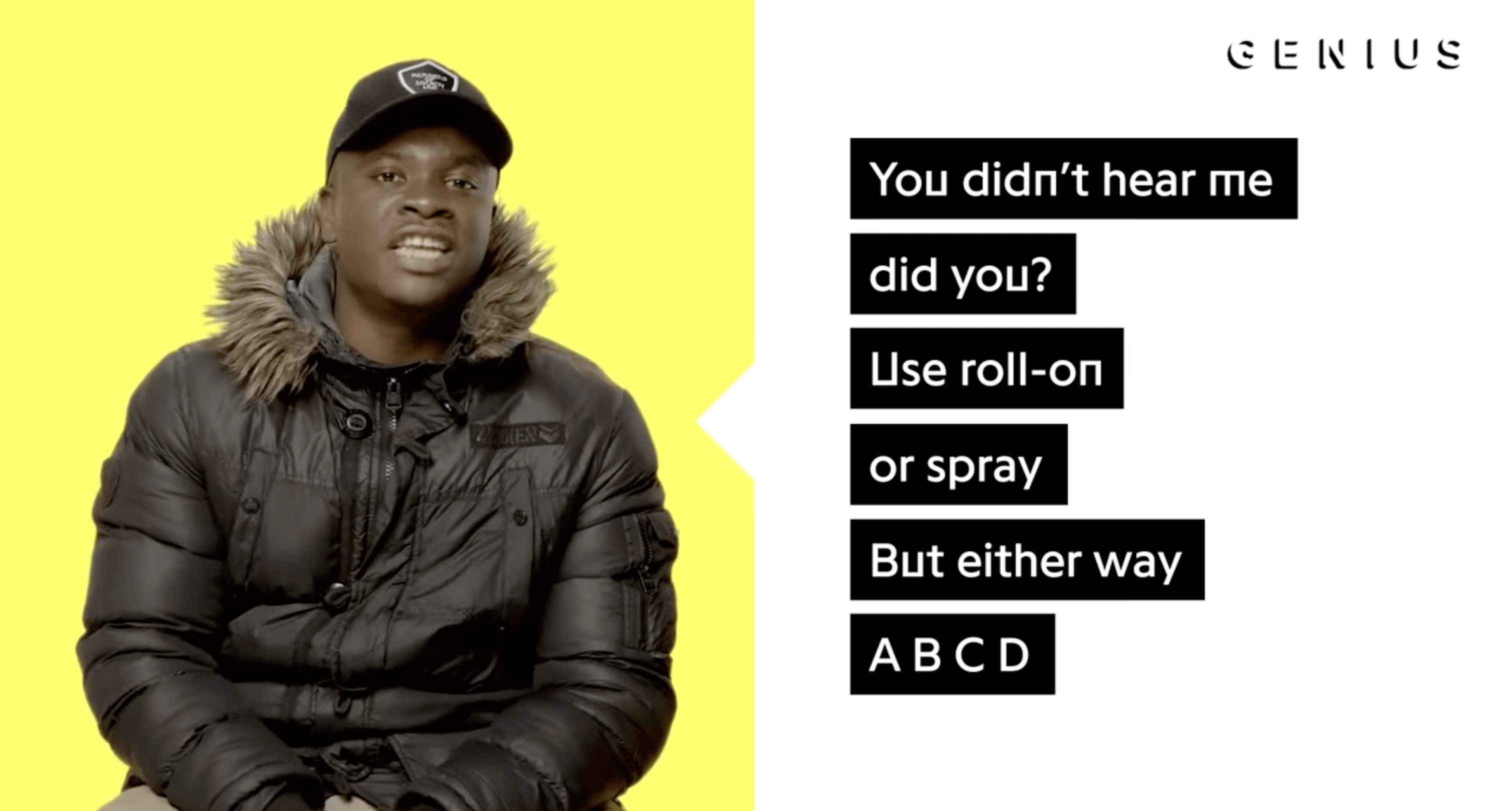
The puffer might thus be seen less as a tool of practicality than as a way of signifying one’s cultural belonging—a status symbol born out of the rejection of status symbols. As New York magazine documented in a 1996 cover feature “Prep School Gangsters” about Nuptse-wearing teens from the Upper East Side, the North Face had long since embedded itself in social circles far removed from the Brooklyn rap scene. The Nuptse was a desirable coat for what it represented: pure aspiration to street cred.
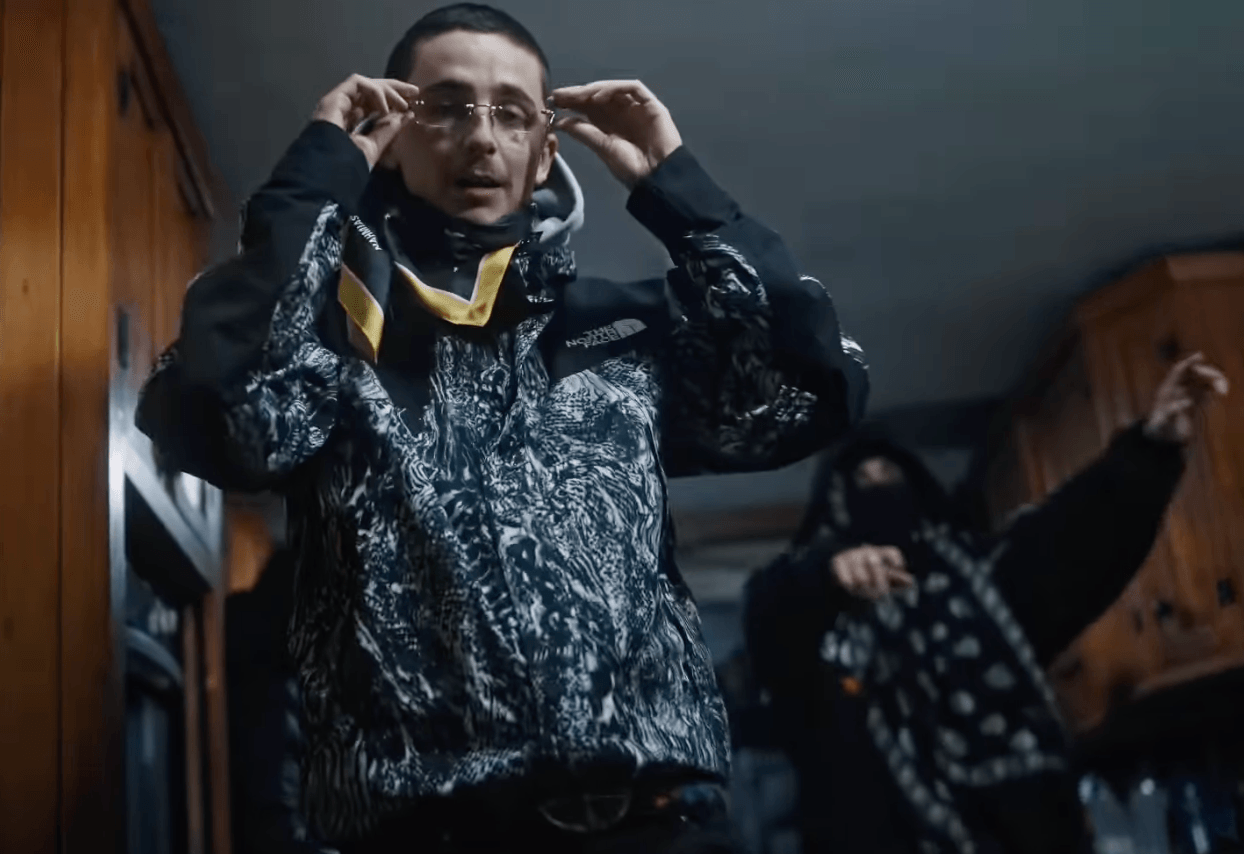
The cultural significance of the puffer jacket continues to evolve into the present, with one particularly surreal episode centering on the Liverpool rapper EsDeeKid. The Scouse musician has built his reputation on anonymity, performing only with his face covered. Based on the eyes visible through his balaclava, speculation grew online that the man behind the mask might be Timothée Chalamet. The theory took a life of its own and culminated in EsDeeKid’s “4 Raws” video, in which Chalamet adopts the rapper’s masked persona before revealing himself and adding his own verse. What makes this performance in part believable is that Chalamet is wearing a North Face jacket. The brand functions as part of the costume and its position in rap aesthetics has been fortified. It moves beyond its role as a simple piece of clothing; it playfully communicates what an underground rapper is supposed to look like. The puffer jacket's appeal lies in a curious contradiction: what made it practical also made it desirable. Sometimes, the most powerful status symbols are the ones that were never designed to be status symbols in the first place.
Credits
- Text: Zoë Dimitriadis