In an Age of Visual Excess, a Mirage: Paloma Wool
|LUNA SFERDIANU
Throughout my Zoom talk with Paloma Lanna, founder of Paloma Wool, her answers kept tapering off into one concluding sentence — “it’s all about what makes me dream.”
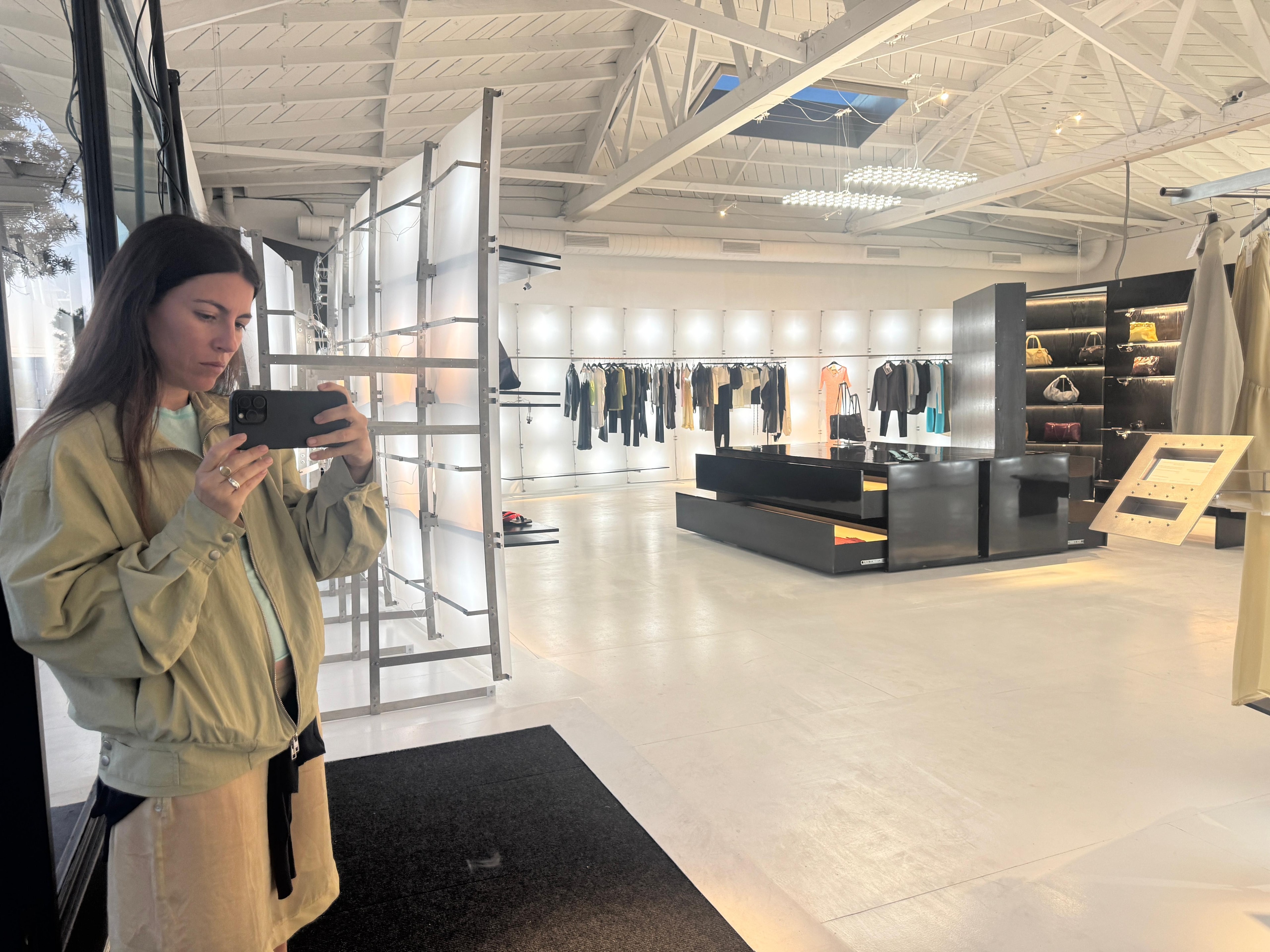
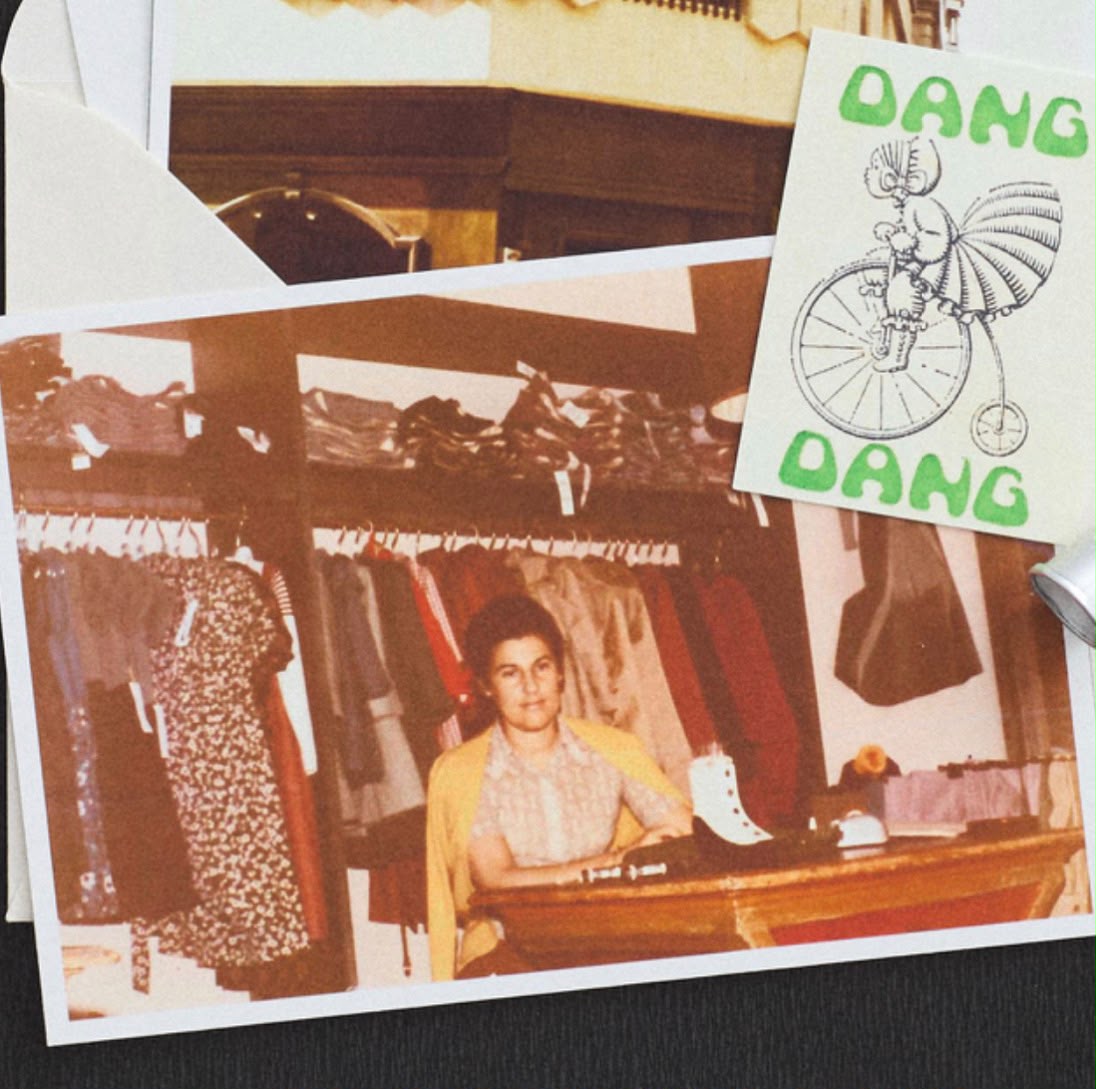
There is something ancestral about Paloma Wool not immediately visible—the genes of the business have traversed Lanna’s family line like an eye color. In her teens, Lanna got her start in the fashion business at her parents’ label, Nice Things, where her mother served as the creative force and her father as the head business honcho, a corporate model replicated between Lanna and her husband today.
A generation further back, Lanna’s grandparents were proponents of vibrant, idiosyncratic fashion in the designer’s hometown of San Sebastián, despite the austerity of Franco’s Spain. Her mother, also named Paloma, pieced together the future fashion empire from the family’s small boutique.
And what of the empire’s heirloom today? Serpentine queues gather outside the brick and mortar stores of Paloma Wool in LA, New York, Paris, London, and Barcelona alike. The fitting rooms have been transformed from non-places into IYKYK sanctuaries. No fashion-driven Instagram feed seems able to escape the washes of cerulean and turquoise fabric, or the mystical, campaign-y beach shots taken in erratic movement. It came as a surprise when Paloma Wool marketing seeped into my own visual vocabulary years back—against my attempts to resist the insidious conflation between e-commerce and art—but in that experience I am hardly alone. Everything, online and offline, feels faintly Paloma Wool.
What leaves me fascinated is the devotion of Paloma Wool acolytes who, beyond their wardrobes, have adapted the full range of their aesthetic sensibilities to the principles of the label’s off-kilter elegance. It transcends sartorial allegiance—people seem intent on inhabiting the Paloma Wool universe itself. I thought we were now numb to the appeal of novelty, with our fashion images degenerating into a mush of sameness, but Paloma Wool has taken the status quo in stride.
In the hope of unveiling the alchemy behind this success, admittedly while wearing a white PW dress I myself had lined up for, I called Paloma Lanna over Zoom on a simmering 32°C morning.


Luna Sferdianu: For the sake of this written-format interview, could you describe the room you’re in right now?
Paloma Lanna: I’m in our studio, in the back of our Barcelona store. I’m in a little room surrounded by curtains. That’s how we divide the space, since our studio is very big. Behind me, there’s a photo shoot going on. I’m surrounded by prototypes and garments.
LS: Are they the same curtains as in the fitting rooms?
PL: No, different ones.
LS: I feel like the curtains and the fitting rooms are symbolically charged in Paloma Wool’s visual microcosm. Said microcosm feels like a closed circuit of references... it doesn’t draw from anything overtly referential, and refuses any collaboration that does not fuel your artistic oeuvre. How do you achieve that, especially as an independent brand, and what’s important to you when accepting or seeking a collaboration?
PL: There’s no strategy behind this. We are always driven by intuition and what excites us, we are guided by the work of artists that can make us dream. It’s a very organic process when we collaborate with other people, and it has to feel coherent and part of our universe. Brand partnerships and exposure are not things that we are looking into when working or collaborating. We are always driven by the excitement of doing things and learning and meeting new people.
LS: In the same vein, we are all collectively saturated with images as a medium, and few things, especially online, elicit actual reaction. Paloma Wool seems to have the exact opposite reaction from your customers. I can easily observe people wanting to be associated with the brand, girls are making little Instagram story-meccas out of the changing rooms, and people and smaller brands alike reproduce your specific imagery. How do you embrace the internet, visual culture, and social media in their current form?
PL: I have to say that I myself feel really, really saturated and exhausted with how many images exist in the world. Especially now, given the fact that some of the images we are seeing are made with AI, and you cannot even tell often, I’m starting to use less and less social media. Luckily, I’ve never used TikTok, so there’s at least a safe distance.
But even Instagram is becoming a strange place to me. I owe Instagram so much because thanks to it and the internet as a whole, Paloma Wool exists nowadays. I’m trying to find a balance, and we are trying to create content that feels real, where you can understand there’s real people creating what we do and creating images that stay meaningful and that try to express something. Is this also happening to you, where Instagram doesn’t feel the same as even three years ago?
LS: The vibe shifted a while back. I am experiencing the same thing. I owe Instagram so much. Maybe it’s dramatic, but I feel like it made me a person. I met most of my really good friends on Instagram and my taste got shaped by Instagram, but nowadays, it makes my brain mushy.
PL: It’s not all about the algorithm, it’s how we use Instagram. We can use it to search things and to really learn things and discover people, or we can use it passively and let the algorithm bring forth things that are catchy for us. I’m trying to stay curious when using Instagram and actively search for the things that are relevant to me and not leaving it all in the hands of the algorithm.
“Pre-pandemic Paloma Wool was all psychedelic prints and colors, and I got so saturated with that; I needed a change…”
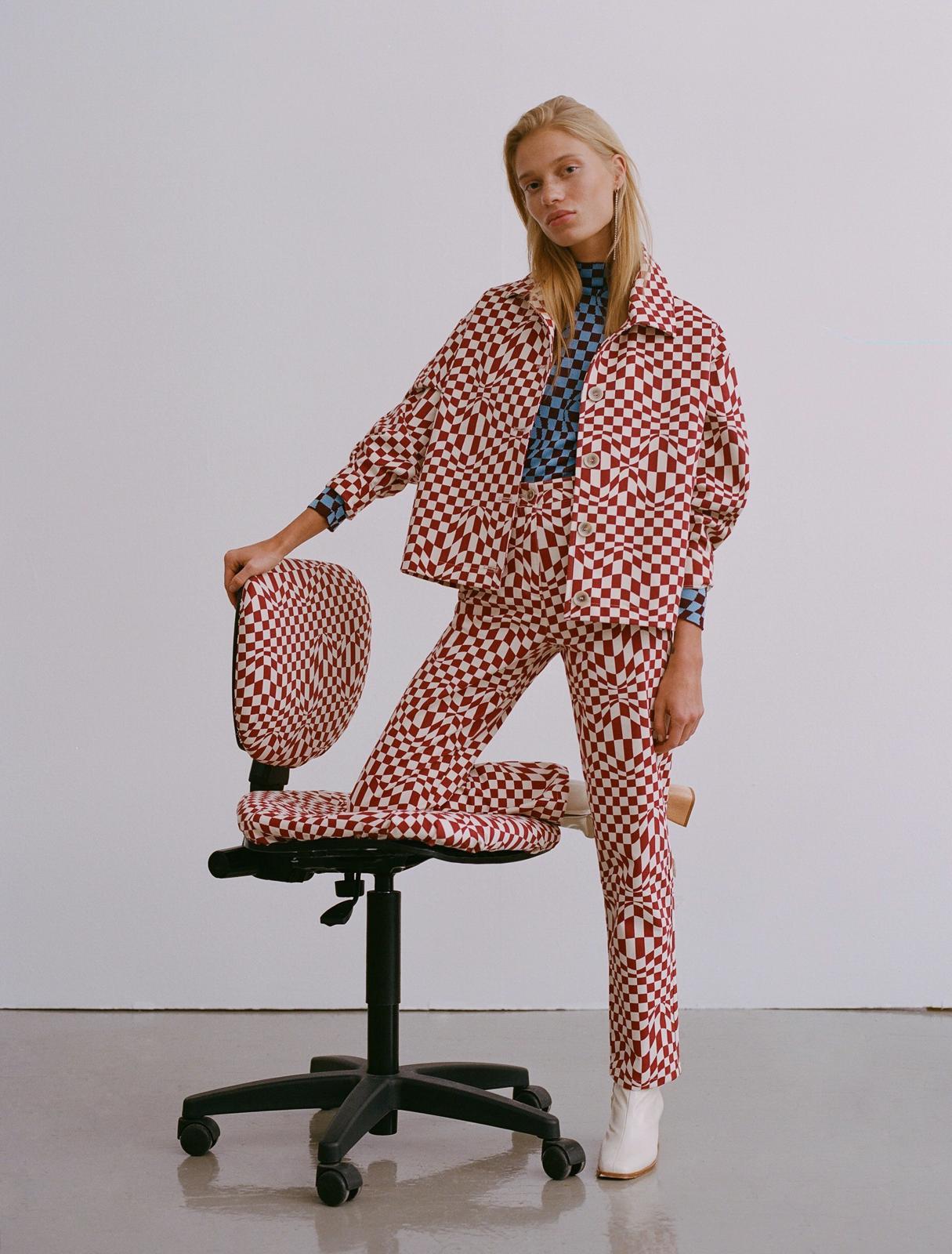
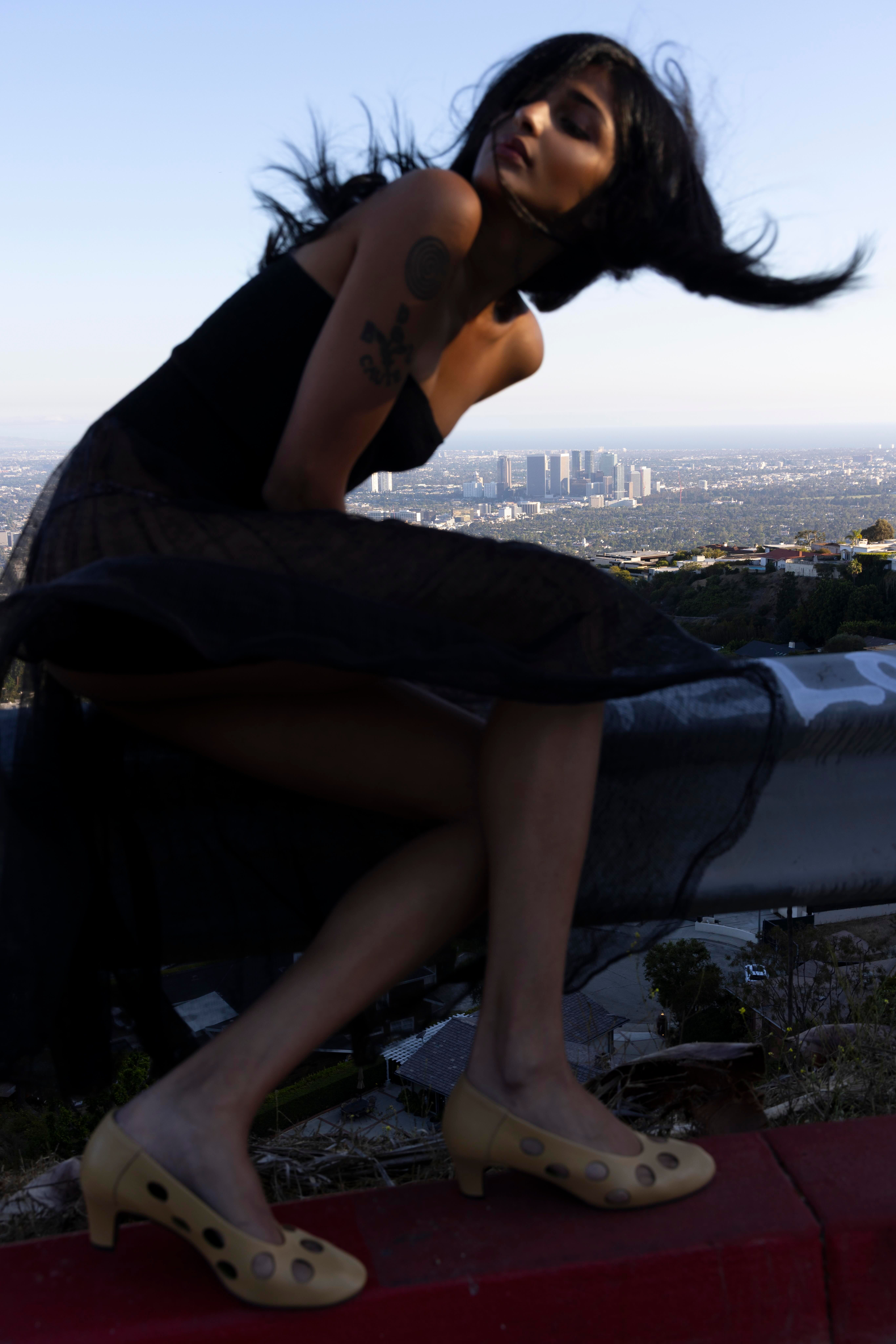
LS: I wonder what inspires the subtle changes in aesthetic orientation in Paloma Wool. I know you were talking in a previous interview about how, at some point, you were satiated with the maximalist, pre-pandemic Paloma Wool identity, and you pivoted to what you’re doing now. There’s more subtle alterations within this new direction: sometimes your ethos is more youth-concentrated, carved out for this Mediterranean party girl, other times it has a more mature tone (I am thinking of all the maternity-inspired photoshoots).
PL: Pre-pandemic Paloma Wool was all psychedelic prints and colors, and I got so saturated with that; I needed a change… also because Temu started doing the same pieces as we were doing. I kept seeing people on the streets wearing very similar pieces to the ones we were making, but from very cheap origins. I was craving a change because I wasn’t wearing Paloma anymore, and that’s been the most critical motivation. I’ve always wanted to do things that I want to wear, and that has stayed always true until that moment that I wasn’t feeling it anymore. Sales were going super well, and I decided to stop that and start building from a place where I felt comfortable. We changed radically, and I’m very grateful for having done that. It would have been easy to continue, and I don’t know what would have happened, but I wouldn’t have been happy. I’m sure about that.
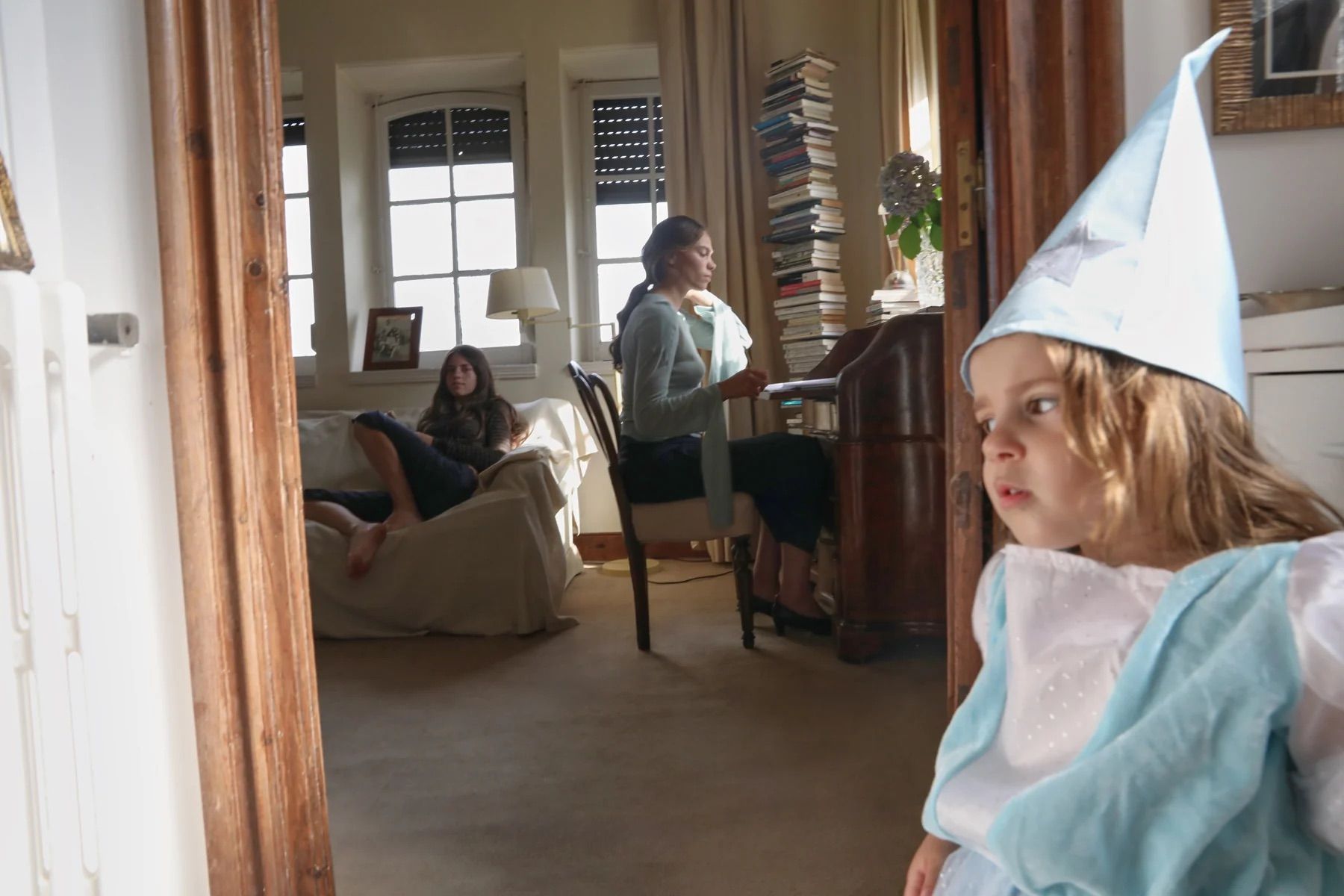
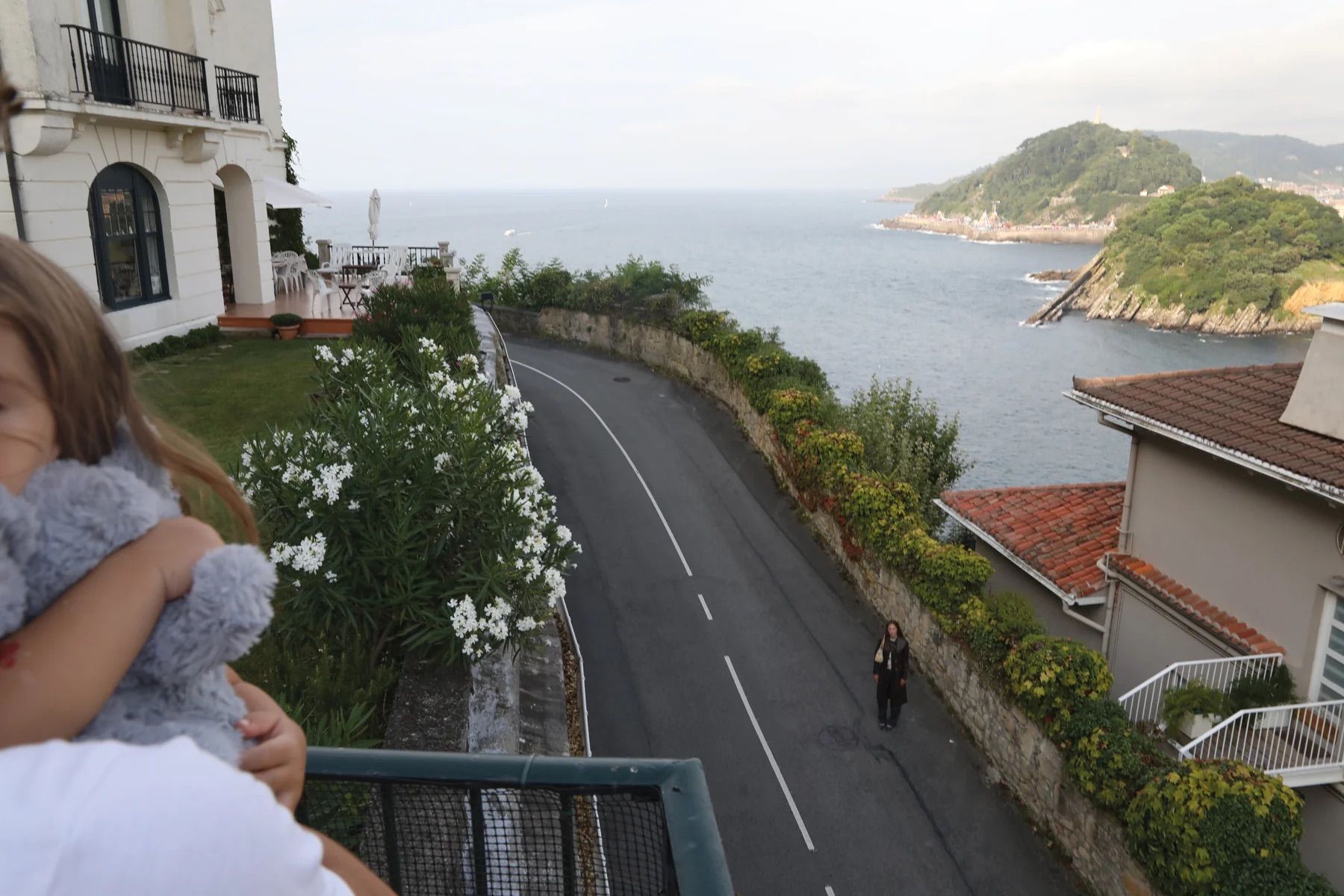
The brand worked with my life because it’s a very personal brand: motherhood has changed everything for me, my body and my time and my way of understanding everything, so this has shaped the project too. I feel the brand has kept a coherent aesthetic view since we started our shows in Barcelona in 2022. Maybe these little changes are easily to to detect from the outside, but there’s no strategy behind it. Again, I simply do what I feel like doing and what I would love to wear and and what makes me dream.
LS: Attempting to make sense out of the current fashion-scape, people have been throwing around the word chic in relation to your brand, complemented by a range of chic-derivatives. What even is chic, Paloma?
PL: It’s really difficult to understand trends while they are happening, versus once they’re gone. We’ve been using the word chic so much that it has lost meaning completely. I don’t understand what it means anymore. So I’m not really comfortable with this label or talking about it.
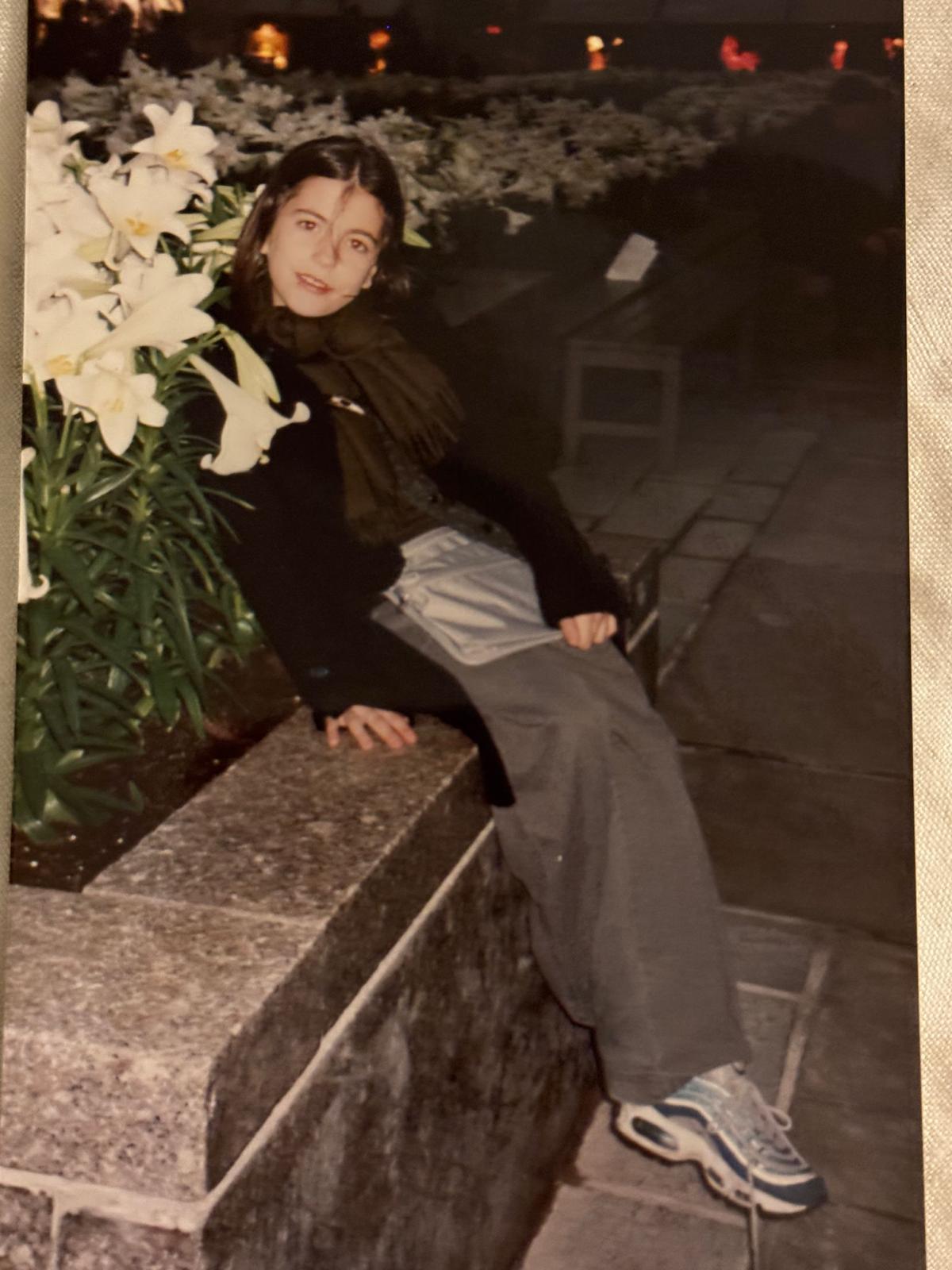
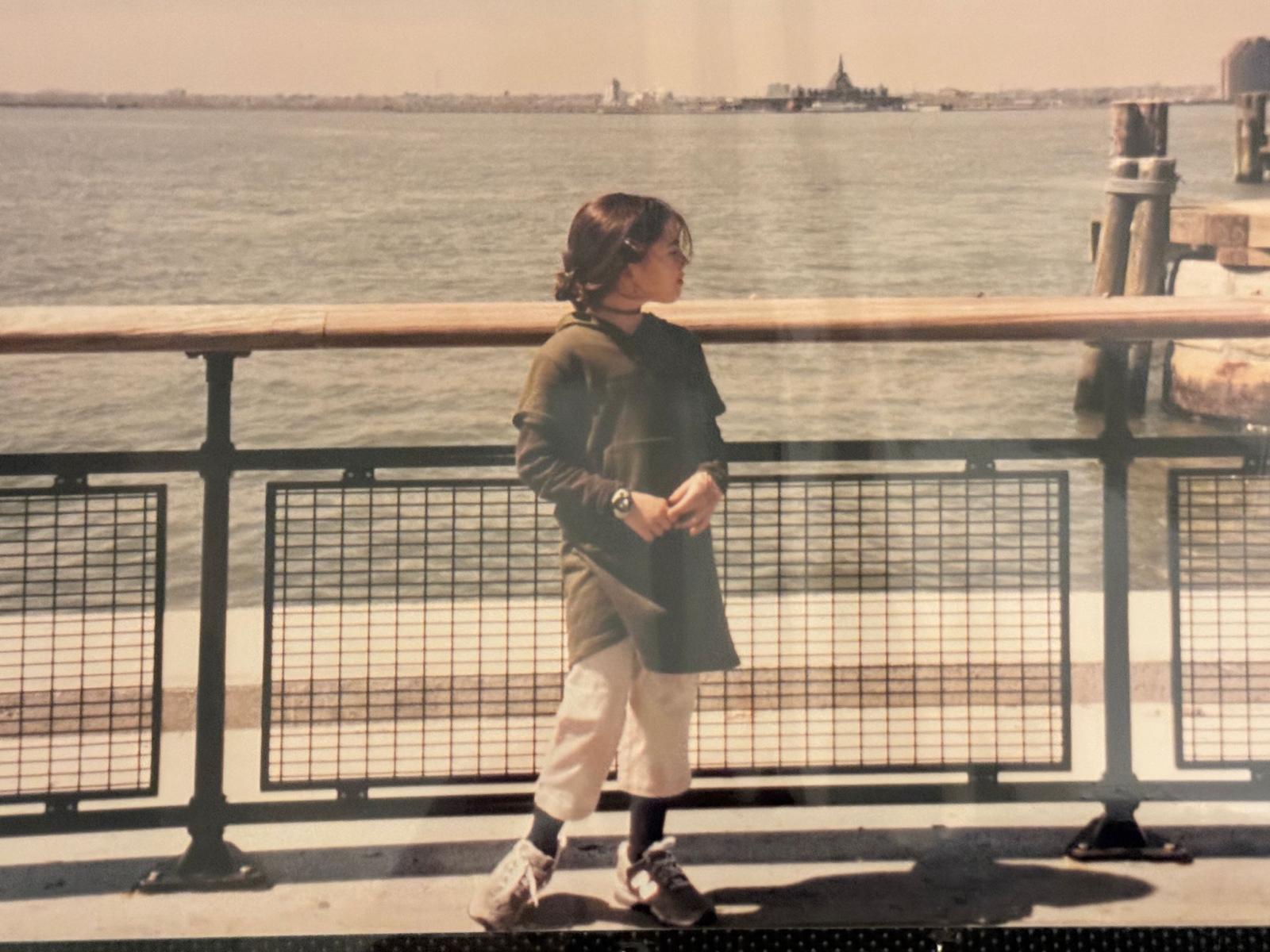
LS: How did you dress in your teenage years, and who was your style inspiration?
PL: Because of their work, my parents would travel to Japan twice every year, and they always brought the most amazing things from Japan as gifts, mostly clothes and stickers.
I would wear very cool pieces that my friends in school wouldn’t understand at all, which made me feel a bit strange.
My style inspiration has always been my mother. I love her taste and how she understands colors and she taught me everything I know about fashion, but I have to say that as a teenager I used PhotoLog and Tumblr a lot. Ah, there was also Cory Kennedy. Do you know her?
LS: Of course!
PL: I loved her style. She was so iconic to me. I was sixteen or something.
LS: Do you have anyone else now that you get inspired by?
PL: I don’t know who my style icon is now, there isn’t someone I look up periodically. I love observing how people dress on the street.
LS: The primordial anti-algorithm inspiration.
PL: Yes!
LS: Who would you regard as your generic, ideal customer?
PL: I envision someone who is sensitive. Someone interested in art, who understands the project not only through the garments we design, but because of everything that surrounds it.
LS: If you could envision them as a physical person, what would their lunch order be, what would they drink, and where would they go on vacation?
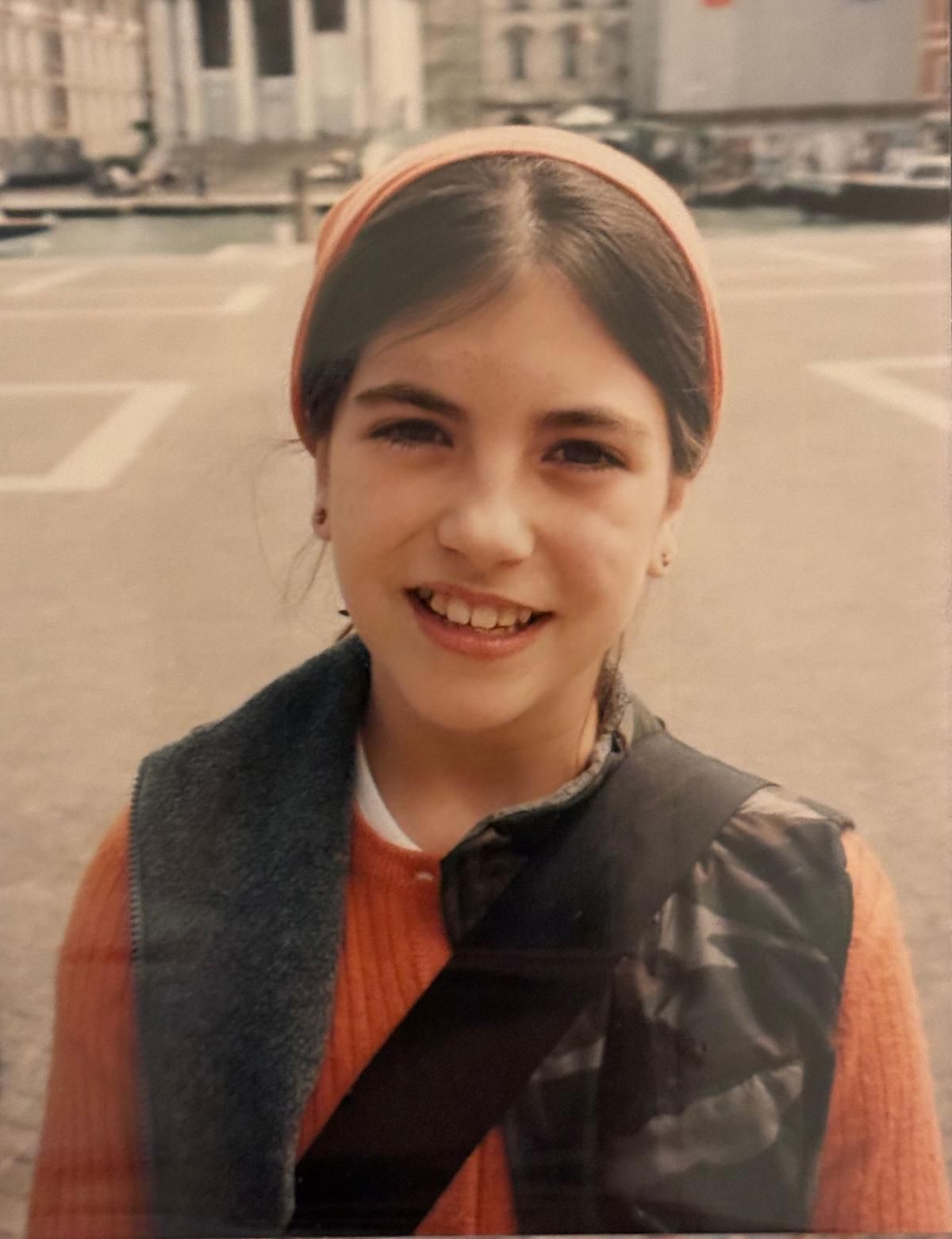
PL: I envision a girl going on vacation to Venice for the Biennale, eating pasta vongole, and drinking Italian wine. (Maybe because it is what I did some months ago.)
LS: Do you have a staple photograph, movie or piece of media lingering in your mind for a while? Something that may have inspired Paloma Wool?
PL: An image that has remained meaningful to me is a photo I took myself in 2012, when I was in New Zealand on my university exchange. It’s a photo of a backyard filled with hydrangeas. My grandmother used to have them in her backyard too. The first piece I ever made for Paloma Wool was a sweatshirt with this image printed on it. So to me, this image represents the very beginning of Paloma Wool.
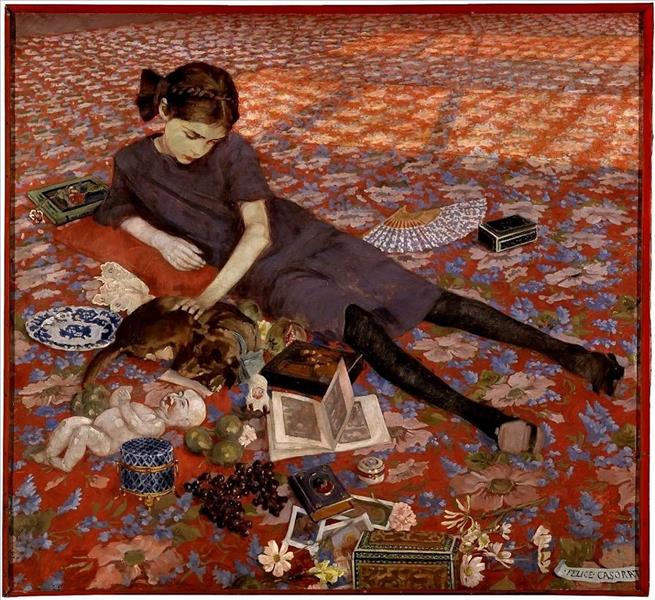
Recently, I’ve been very, very inspired by two Italian painters, Antonio Donghi and Felice Casorati. I’ve been buying books of their work, and I've been contemplating them a lot. The scenes they depict, the characters, and what they wear really captivate me. There's a sense of magical realism that I'm very drawn to.
LS: At last — what are your dreams for the future of your brand, and perchance the future of fashion?
PL: My goal isn’t to grow eternally. I really love working with the team I work with, and I love knowing everybody that forms the project. Growth is not my goal in life overall. For me, it's very important to keep the project meaningful and personal, and that it continues exciting me and growing organically. I want to remain independent, I really value being able to do what I like. As for fashion…everything is so complex right now. I hope that things are well done in the in the future, that the rhythm slows a bit, and that people make things that are meaningful and beautiful and embrace longevity.
Credits
- Text: LUNA SFERDIANU