Design in the Age of Mobility: The 2026 RIMOWA Design Prize
|LUNA SFERDIANU
The primary mission of design is to somehow appease both aesthetics and pragmatism. For the past four years, the RIMOWA Design Prize has been tracking the upcoming designers who, in spite of the nascent state of their practices, already wield this balance effortlessly.
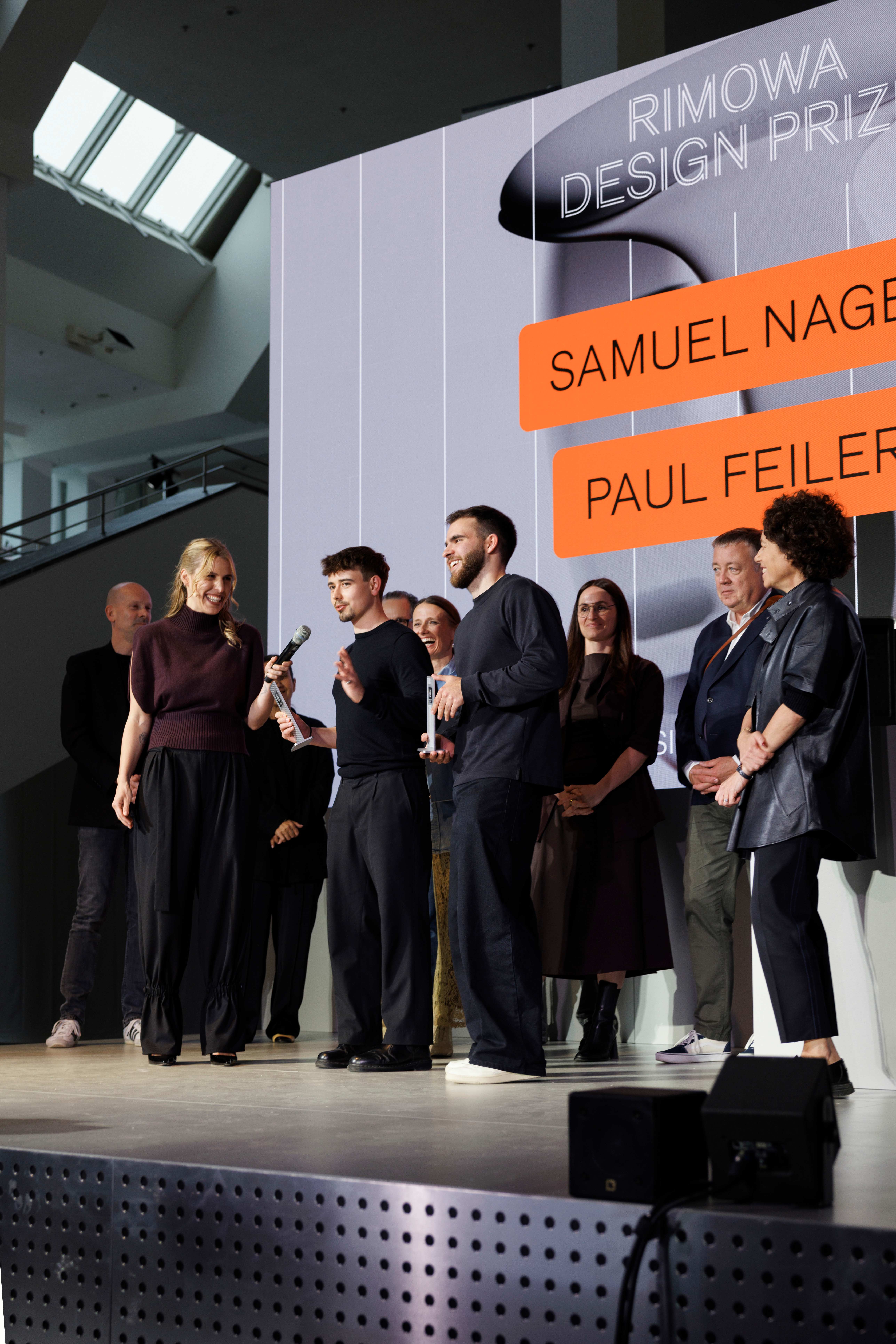
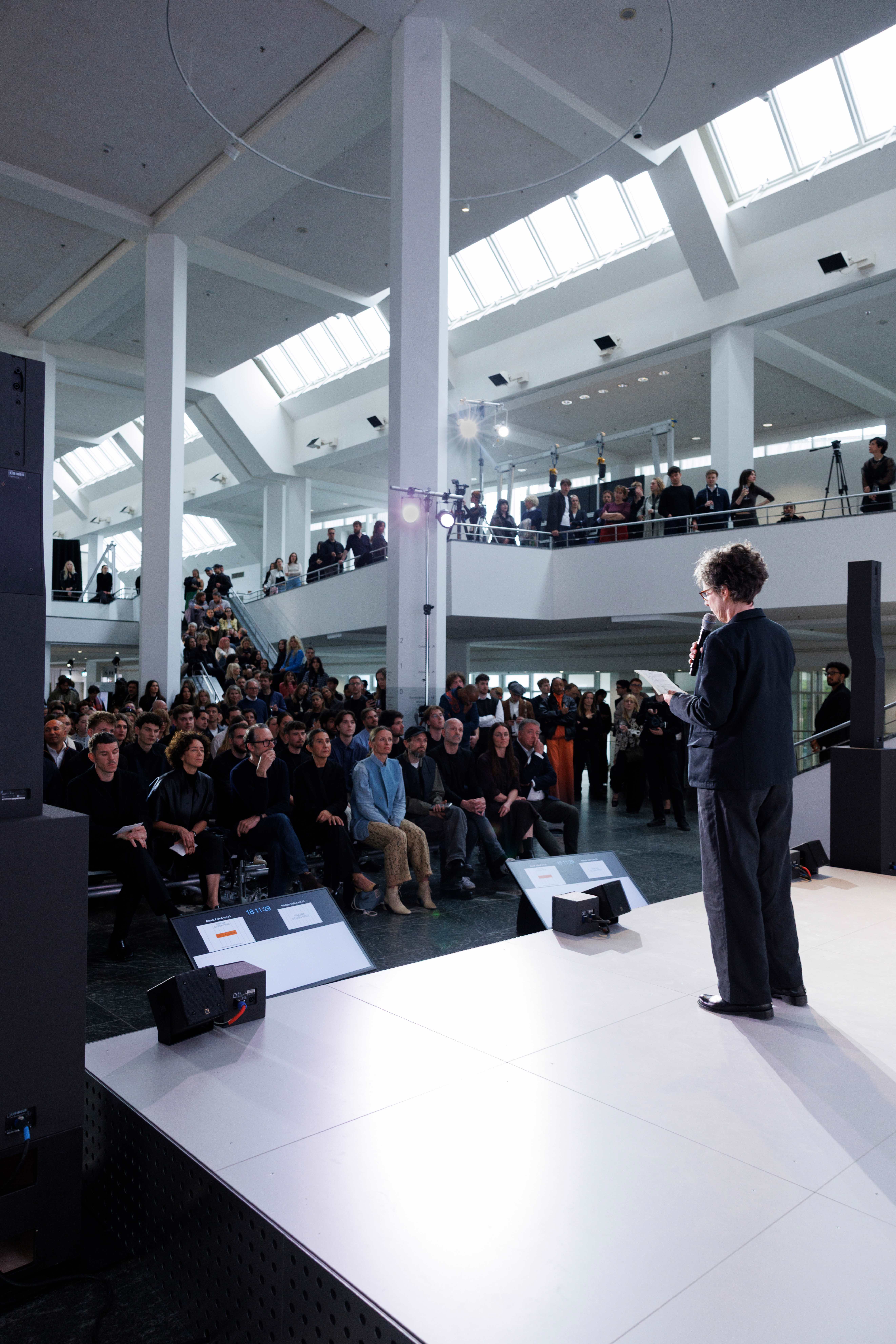
RIMOWA's annual celebration of young German talent gathered a diverse palette of finalist projects, each of them addressing an exigent facet of what is loosely referred to as “mobility.” The topic has been central to the prize since its outset, bearing little semblance to a too-literal interpretation of its meaning. This year’s stage welcomed, among other ideas, ancient migratory beekeeping techniques, actualized into a four-wheeled hive; a remedy for the rampant loneliness amid elders, materialized into a portable, bird-shaped device; a neo-traditional Iranian windcatcher aimed at environmental autonomy and the preservation of goods for those facing crises in arid climates. To ensure the projects were congealed at their peak capacity, the RIMOWA Team deployed a team of design experts, consisting of Konstantin Grcic, Hanne Willmann, Tim Richter, Clemens Poloczek, Stefan Daniel, Farah Ebrahimi, and Matylda Krzykowski. Subsequently, the number of participating universities has grown significantly, increasing from 15 institutions at the launch of the award to more than 40 today.
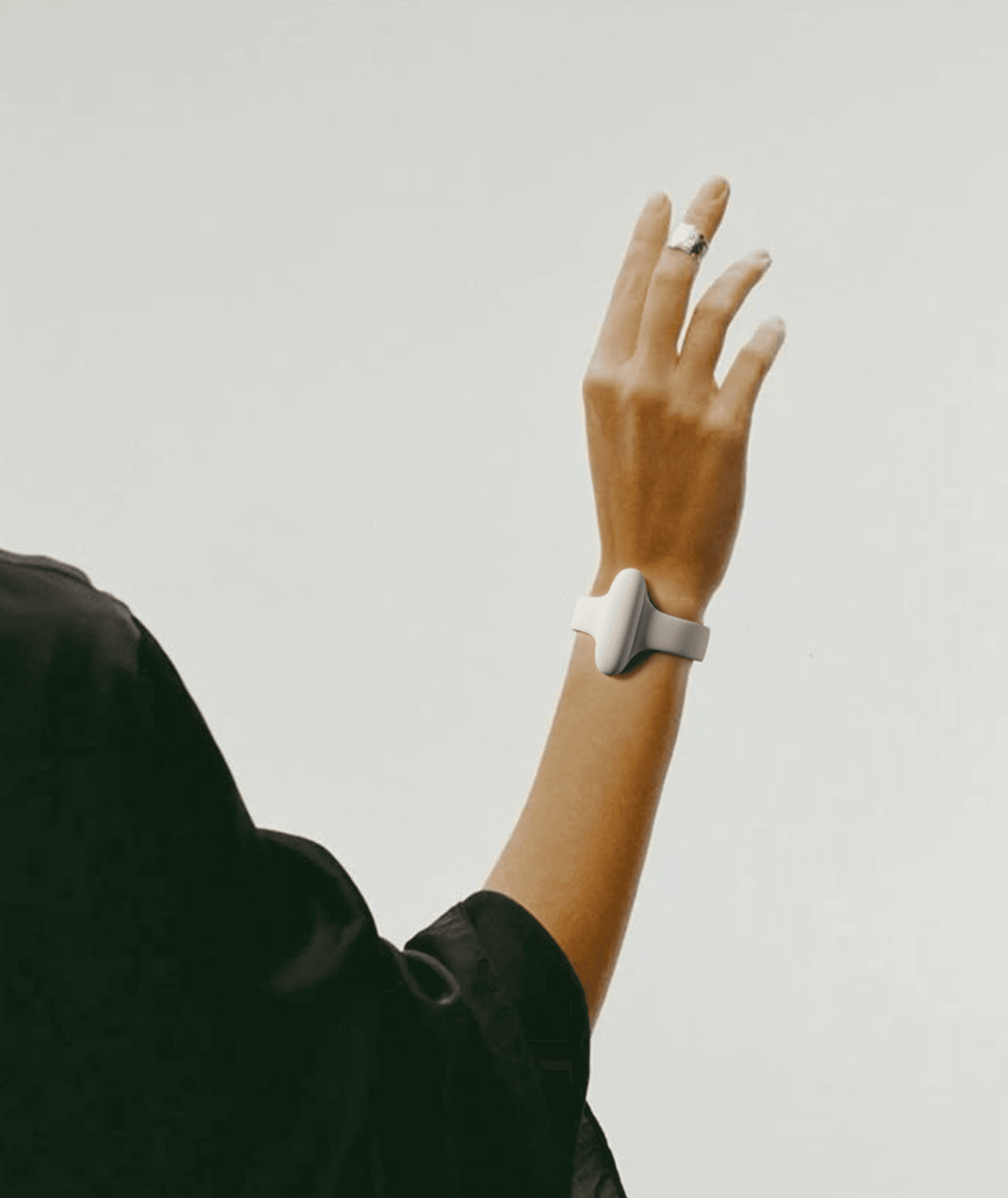
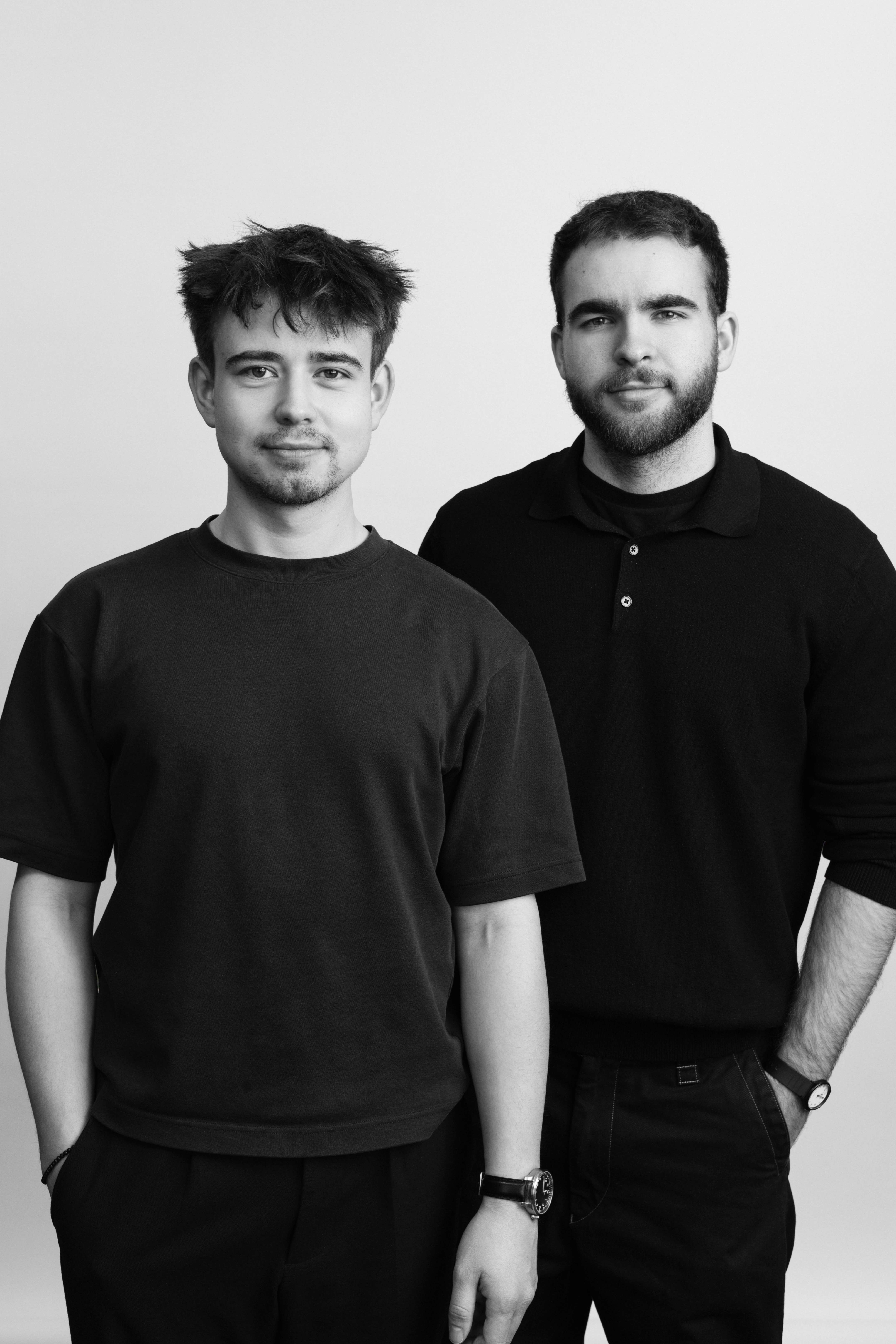
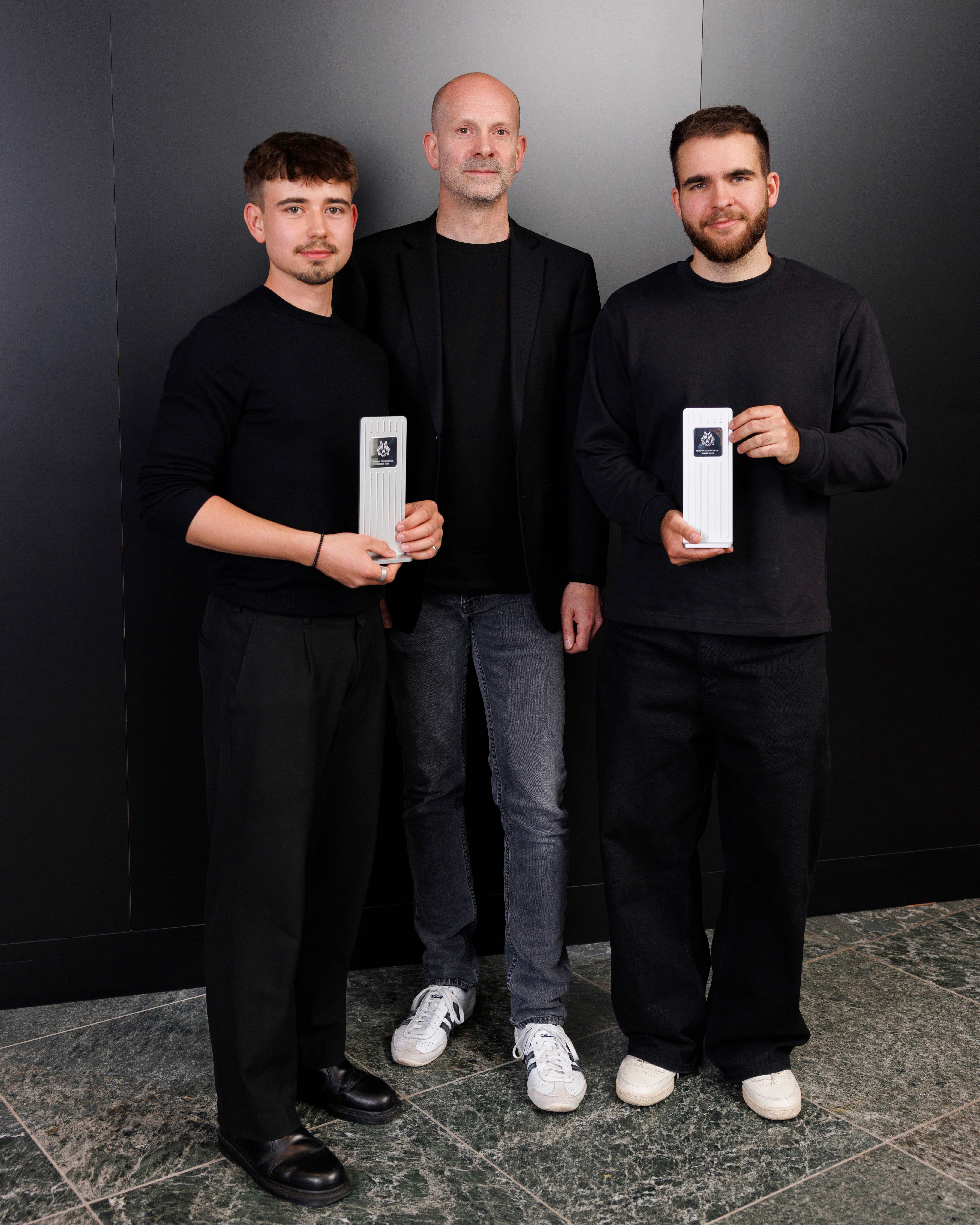
For their winning project, NURA, Samuel Nagel and Paul Feiler devised a sleek, watch-like armpiece that effectively translates sign language into audible speech and written text. NURA is both pious to the eternal, sacrosanct principles of design and apt for a time when human contact is imperative. Tim Richter, Head of Industrial Design at Siemens Healthineers, mentored the participants on their project, from the hesitant stage of inception through to the awarding of the prize on May 11 at Berlin's esteemed Kulturforum.
In our interview, Nagel and Feiler look back on a mentor’s lasting impact, the role of design today, and its presumptions for the future.
Luna Sferdianu: How does a design idea come into a being? What’s at stake?
Samuel Nagel and Paul Feiler: Honestly, we think a design idea rarely comes out of nowhere. It usually starts with noticing something—a situation, a gap, a small everyday frustration—that doesn’t sit right. From there, the work is to ask the right questions before jumping into a solution. What’s at stake early on is exactly that: framing the problem in a way that’s actually worth solving. If the starting point is off, no amount of refinement later can really fix it. That’s also something we really enjoy doing. When the two of us start a new project, we typically begin by just listening, talking to each other a lot first, and then start talking to different people around the topic. A lot of the early work is really just conversation, and questioning our own first assumptions along the way.
LS: NURA is a complex design that requires multidisciplinary input. Where does your agency as a designer begin? To what point does it stretch before handing over the keys to other people involved in the process?
SN & PF: Our work as designers starts much earlier than the actual shape of the product. It begins with understanding a situation, the people involved, and asking why something should exist in the first place. With NURA, that meant defining the vision, how the wristband sits on the body, and how the whole interaction should feel. At some point, the deeper engineering, the software development, and the manufacturing need people who know those fields much better than we do, but personally, we think there’s something beautiful about not knowing every detail in those areas. When you already know exactly what’s possible in terms of tech or manufacturing, that can sometimes become a limiting factor. As designers, you can instead ask what you actually want or need, and then find a smart, maybe out-of-the-box way to make it possible.
LS: How did the mentorship part of the process look like for you?
SN & PF: It was really great to have Tim [Richter] as our mentor on our side, with multiple opportunities to get his insights and feedback throughout the project. We had a mix of online sessions where we’d present our current progress and get direct feedback, and one in-person visit where we got to spend a day with him at Siemens Healthineers. That was a super cool experience, especially because Siemens Healthineers works in such a related field, which made the feedback even more relevant for our project.
LS: I assume it was the first time you collaborated so intimately with an industry insider, outside of school. In what ways did you benefit from it in the long-run? How did the RIMOWA mentorship system facilitate your craft, either in terms of conceptualization or production?
SN & PF: Yes, that was definitely a new experience for us. Working closely with someone from the industry over a longer period gave us a different perspective than what we are used to from school, both in terms of how to think through a concept and how to communicate it. What stuck with us most was how much Tim pushed us to challenge our own ideas, always reminding us that the first idea is rarely the best one and that it is worth questioning a concept again and again before committing to it. On top of that, we also got the opportunity to pick a second mentor, which gave us another professional perspective on our work. Overall, it gave us a much more practical, industry-oriented view of our own process.
LS: Did the idea for NURA commence as a collaborative process? Can you talk to me about the conceptual part and how each step looked like for you?
SN & PF: Yes, it was a collaborative process from the very beginning. Along the way, we really talked to a lot of different people, experts and others, which gave us a much better understanding of the topic and the situations we wanted to design for. From there, the idea of a wearable felt like a natural fit: always with you, independent of place or a third person.
LS: What is your ultimate aim with NURA?
SN & PF: What we really hope to achieve with NURA is to empower deaf people in their individual mobility. For us, mobility isn’t only about getting from A to B, it’s also deeply connected to communication. So much of being able to act spontaneously, make your own decisions, or just feel at ease in an everyday situation comes down to being able to communicate directly with the people around you. That said, NURA is still a concept, and there’s something valuable in that too: it can spark conversations about the responsibility designers have to design with everyone in mind. In that sense, part of what we hope for is to widen the idea of what design can be for, and to draw attention to the problems that are genuinely worth solving.
LS: Can you talk to me about both of your current practices? What are you focused on as design students and (soon) full-fledged designers?
SN & PF: Right now, we’re both still students, currently working on our bachelor thesis project, which we’re doing together again. One thing that’s become really clear to us along the way is how much it matters to care about what you’re working on, and to really value the people you’re doing it with. Being able to work with friends, or with the right people, lifts both the work itself and how much you enjoy doing it. So at this stage, our focus isn’t on narrowing ourselves down too early. It’s more about staying curious, working on things we actually care about, and figuring out what kind of designers we want to become.
LS: Winning the RIMOWA Design Prize at this incipient stage of your careers is a highly-valuable accomplishment. What comes next?
SN & PF: That’s actually a question we’ve been asking ourselves a lot lately, not only now after the amazing experience at the RIMOWA Design Prize, but also because our studies are slowly coming to an end. There are a lot of possible directions at this point—an internship, a master’s, or maybe even starting something of our own. For now, I (Paul) am going to do a master’s in product design in Sweden, which I’m really excited about. Samy is thinking about something similar but wants to do internships first. So we’ll see where things go from there.
LS: What does calling a design project complete entail?
SN & PF: That’s a really difficult one to answer. Along the way you have to make so many decisions, and there’s rarely one correct answer, but there are definitely plenty of wrong ones. In a lot of cases, you just get a feeling. A feeling that says: that’s it, that works. It’s hard to put into words, but at some point the pieces come together and it just feels right. That said, we’re not sure a design project is ever truly complete. There’s almost always something you could refine or question again, so “complete” is often more about reaching that feeling than about the project actually being finished.
LS: Intuitively, what sets a successful design apart?
SN & PF: Intuitively, we’d say a successful design fits the people and the context it’s made for, makes a situation a little better than before, and ends up being something people genuinely enjoy using.
LS: What are some of the elements that go into design production that would not be easy to guess from an outside perspective?
SN & PF: Probably the biggest thing is how much never makes it into the final result. From the outside, you usually only see the finished design, but behind it there are countless versions and directions that were explored and then dropped along the way. With NURA, for example, the project looked completely different at various points during the process. There’s a lot of work and many long nights behind a final design that you might not see, or even guess, from the outside.
LS: Who, or what are your main inspirations when it comes to design?
SN & PF: For us, it’s not really one specific thing. Inspiration is something you collect over a long time, across all your projects and everyday life. You see things, you notice them, you keep them in the back of your mind, and at some point you have this whole collection of impressions to draw from. A lot of the time, inspiration ends up coming from completely unexpected places.
LS: How would you define the present of design, as a discipline or industry? What would you consider design’s focal point now?
SN & PF: We’d say design today is about more than how things look. There’s a growing sense of responsibility behind it. The focal point right now seems to be asking who we’re actually designing for, and keeping more people in mind. At the same time, how you solve a problem still matters, and solving it beautifully remains a real part of good design.
LS: What is the future of design?
SN & PF: That’s definitely not an easy question. But hopefully it’s a future with less pretending, more fun, and design that truly works for the people it’s made for.
Credits
- Text: LUNA SFERDIANU