Chxrry’s Hall of Fame
|Sahir Ahmed
Before the icon was a category of celebrity, it was a technology of survival: an image created to outlast the life of its subject.
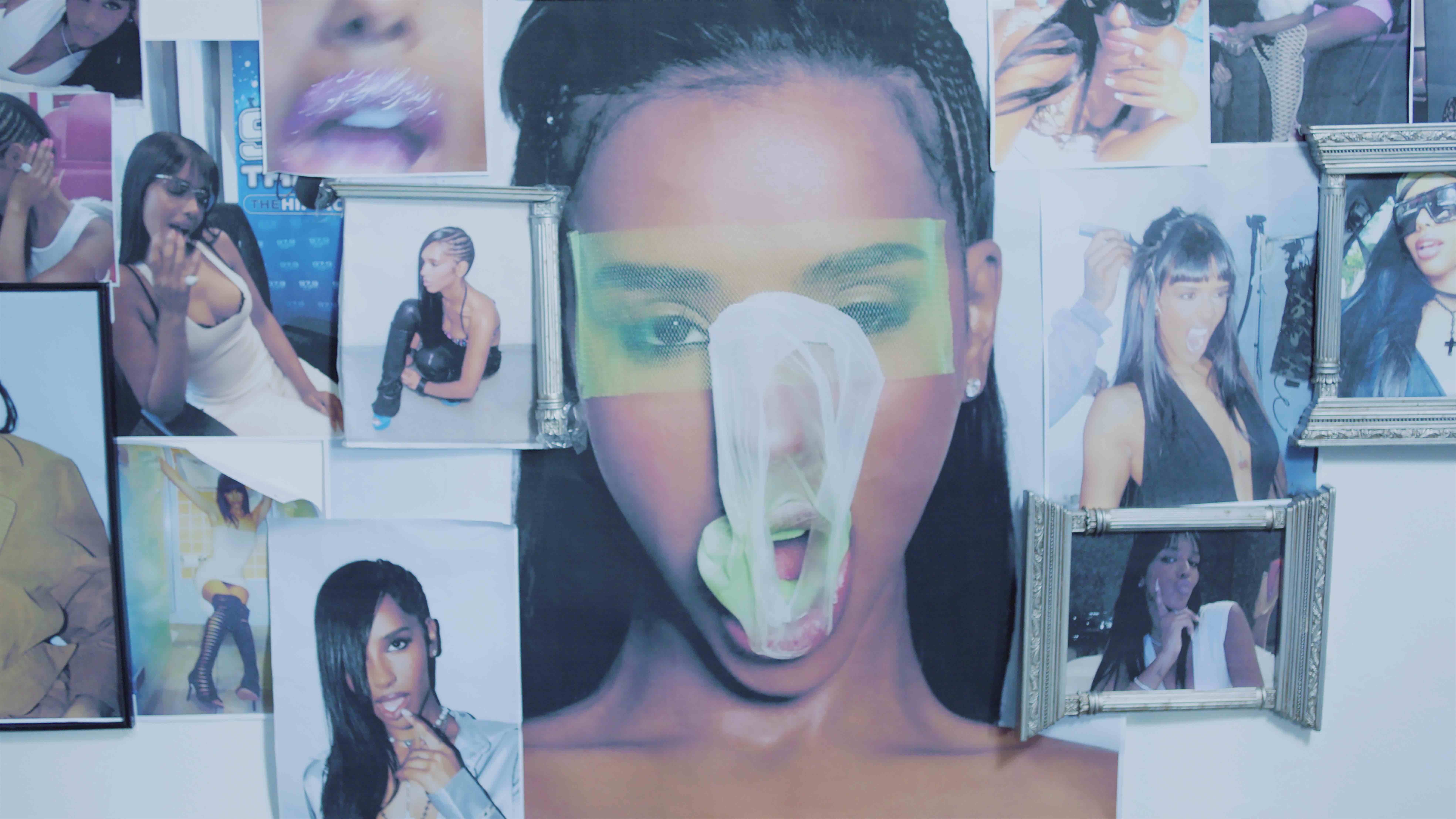
Cleopatra’s tomb may have never been found, but what does remain of her time on Earth is the media stamped with her likeness more than two millennia ago. Thus, the moment her name appears, so does she: dark hair, kohl-lined eyes, sun-kissed, golden skin. Whether it’s Elizabeth Taylor’s performance as the Egyptian ruler in the 1963 Hollywood film Cleopatra or Frank Ocean name-dropping her in his monumental 2012 single “Pyramids,” it’s clear that the magic of Cleopatra’s image, like all icons, resides in its reproducibility.
Chxrry understands this better than most. The first woman signed to XO Records, the Toronto-born artist reimagines the codes of early-2000s hip-hop and R&B femininity through the sounds and sensibilities she grew up with. Whether nodding to Lil’ Kim’s flamboyance or Aaliyah’s coolness, Chxrry assumes the glamour of an era when pop stardom depended more on personal myth than the potential for virality. But the effect isn’t nostalgic. What makes Chxrry’s approach particularly compelling is that rather than merely inhabiting an image that existed before her, she rewrites it.
In her 2025 single “Main Character,” Chxrry doesn’t describe a world so much as she wills one into being. “Call that bitch my carbon copy,” she sings, and soon enough the copies appeared: fans reproduced her hairstyle from the video, circulating her image beyond her own body. When she later says, “Fuck ‘round tell Mona Lisa move / I’ll put myself up in the Louvre,” she’s not saying look at me—she’s demanding placement in a history of images with lasting power. For Chxrry, this is what music can do: a look, a night, a persona might pass, but if it’s fixed in song, it acquires an afterlife.
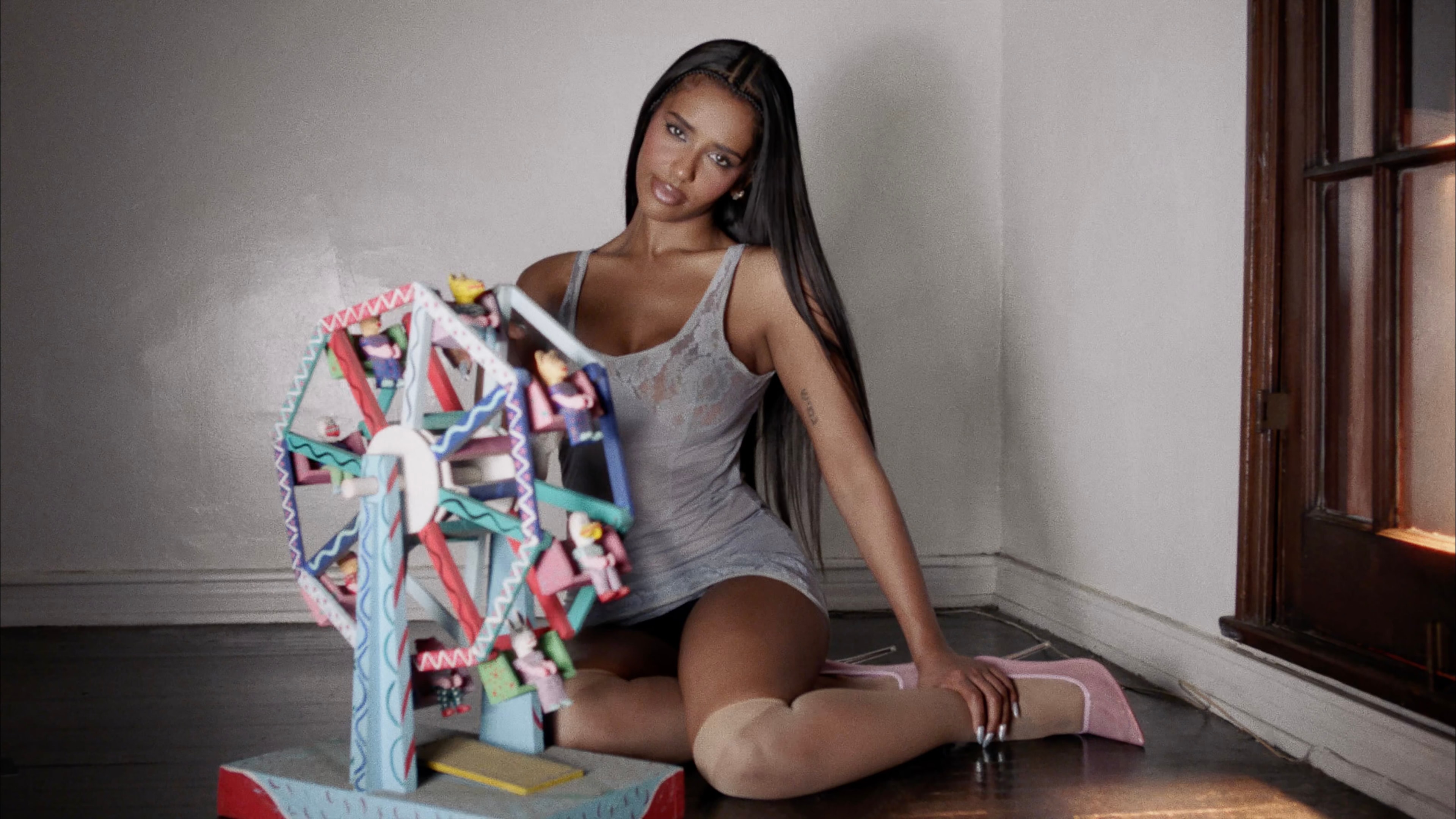
“Hall of Fame,” Chxrry’s recently released single from her forthcoming debut album, U, Me & My Ego, gives shape to that ambition. She wanted the track to capture how her nights feel—and how her life feels—as a woman from Toronto, coming up in a canon dominated by male acts. In the accompanying music video, directed by artist and filmmaker Jasmine Johnson, that desire is portrayed in a house party populated with a cast directly drawn from the artist’s real world. For her, the stakes of this act of auto-fictionalization are simple: “Music is timeless and I want to live forever.”
In conversation with Sahir Ahmed, Chxrry and Jasmine Johnson discuss the role of iconography in self-mythologies, what Toronto owes its women, and why Chxrry is clearly that bitch.
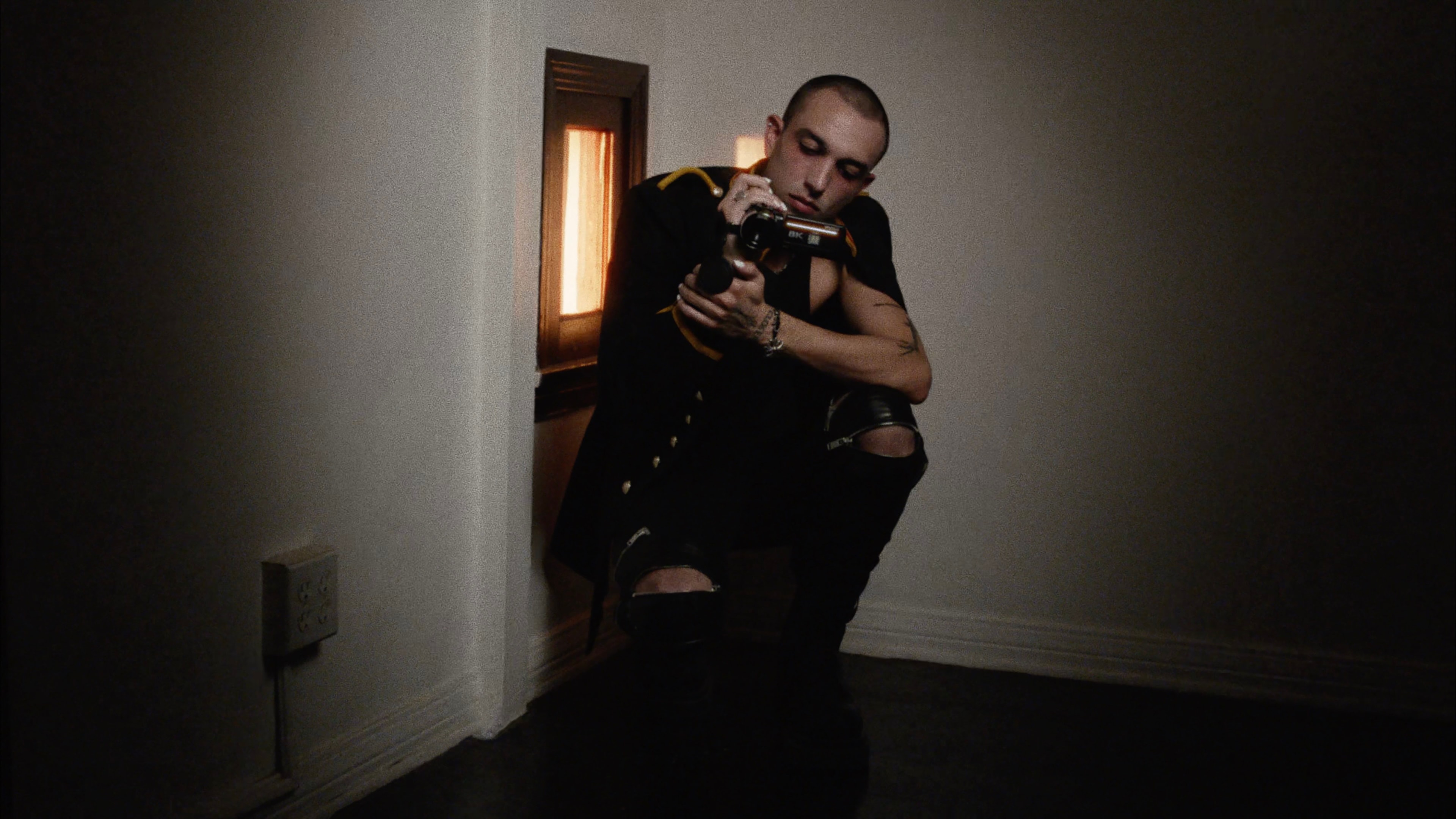
Sahir Ahmed: How did you two meet?
Chxrry: For the last six months, my creative director Juliet [Charlotte] and I were on the hunt for the perfect director. I’m pretty sure we sent every person on Instagram to each other. One day, my manager Stephanie sent us Jasmine’s page, and I was like, She's the one. I reached out, but she didn’t respond right away, so I panicked. I was texting Juliet like, She hates us, she’s never going to respond. And Stephanie was literally like, Give it a fucking day, you psycho. She finally replied, was super sweet, and I sent her the song. This one [“Hall of Fame”] has been a big jump for me sonically, so I wanted someone who I admired to get it. When Jasmine said that the song was infectious, I knew she was perfect.
Jasmine Johnson: Once I heard the song, I knew I had to tap in. This feels like a step away from Chxrry’s previous work and indicative of where pop is going, with an electronic undercurrent proven to be a match made in heaven.
SA: Chxrry, you’re pushing your Toronto roots into this more unpredictable space, while Jasmine you’re drawing from this lived LA experience. What did you recognize in each other?
C: A lot of my aesthetic is about looking like I’m having the best time, because I am having the best time. Nothing looks overly manufactured. And Jasmine has a way of capturing people in their natural essence. A lot of what I do is on the fly, and I hate when people say no because of money or resources, or just because they’re not creative enough. Jasmine is somebody who hears an idea and says, Yeah, we can do that. It’s how Juliet and I work, too. We’ve made red carpet outfits from Goodwill finds, which most people would never do. Finding that in a director felt meant to be.
JJ: I come from a background of putting shoots together independently or solely with friends. We can really make something out of nothing. So, if Chxrry or Juliet has an idea, my first instinct is: How do we make that happen? We had a framework for the video, but it also needed this anything-goes energy. I remember the night before, Chxrry was like, “Is this going to give Disney”" And I said, “No, this is going to give a million-dollar video.”
SA: What was the first image you had in mind for “Hall of Fame”?
C: I wanted to make a song that captured how my life feels all the time. I’m a woman from Toronto, and a lot of the really successful people from my city are men. I wrote the line, “the city is my stage,” when I started going home to people recognizing me. That became, “the city knows my name.” Then one day I said, “Put me in the hall of fame,” because there are all these guys from my city—Abel [Tesfaye], Drake, Daniel Caesar, [Justin] Bieber—and I’m that bitch from the city, too.
JJ: When I first got the mood board, before I even heard the song, I could see where they were going with it. There’s a repeating motif: Are you a woman or a trophy? A lot of my work is about the tension between interiority and exteriority. I wanted the video to reflect this arc of self-recognition, hence half the video taking place in a studio. Chxrry sings directly into the camera, almost announcing herself. When we place her in a different context, the question becomes: Who are you? And in any context, she’s really that bitch.
SA: How did that become a house party?
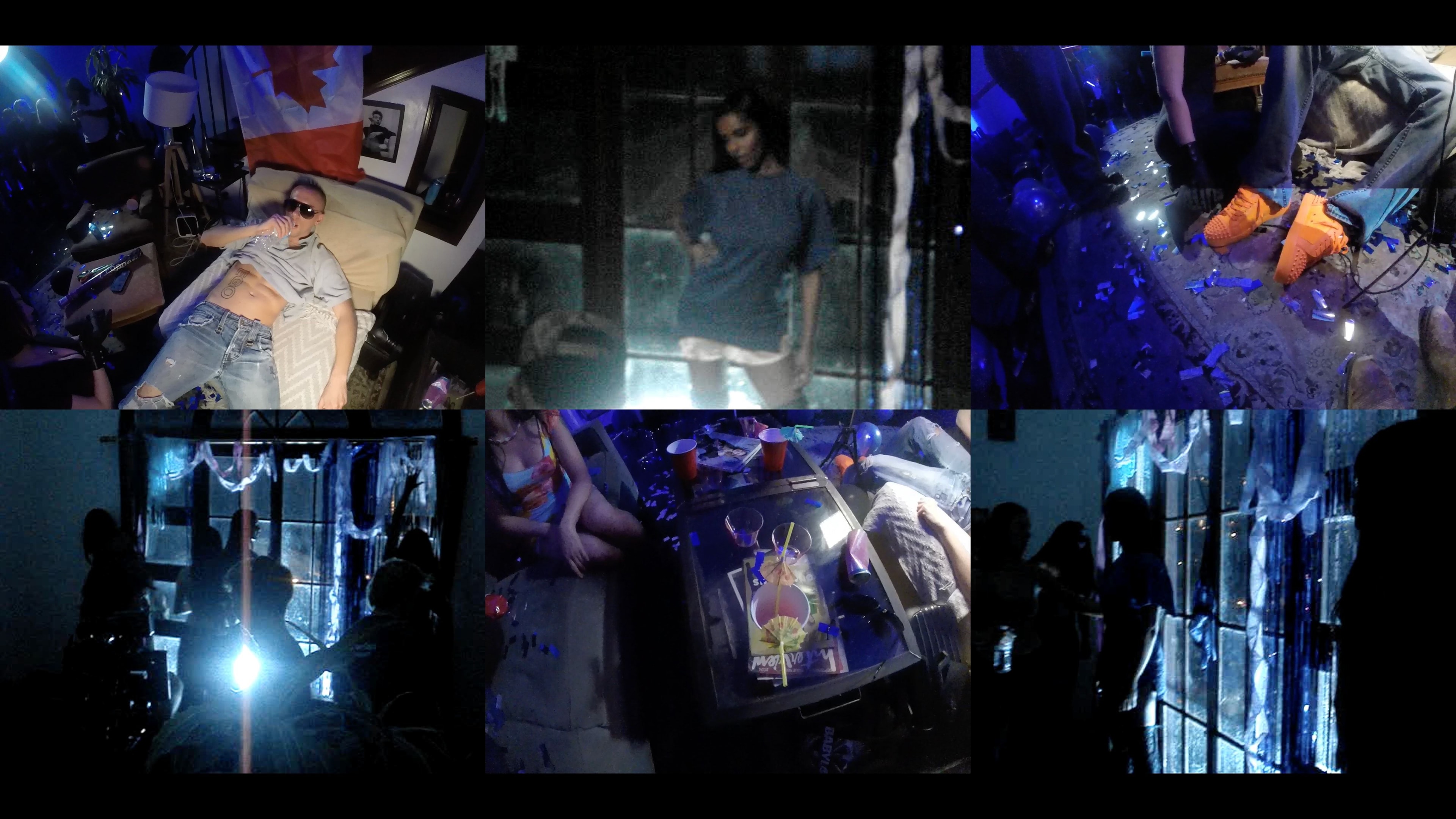
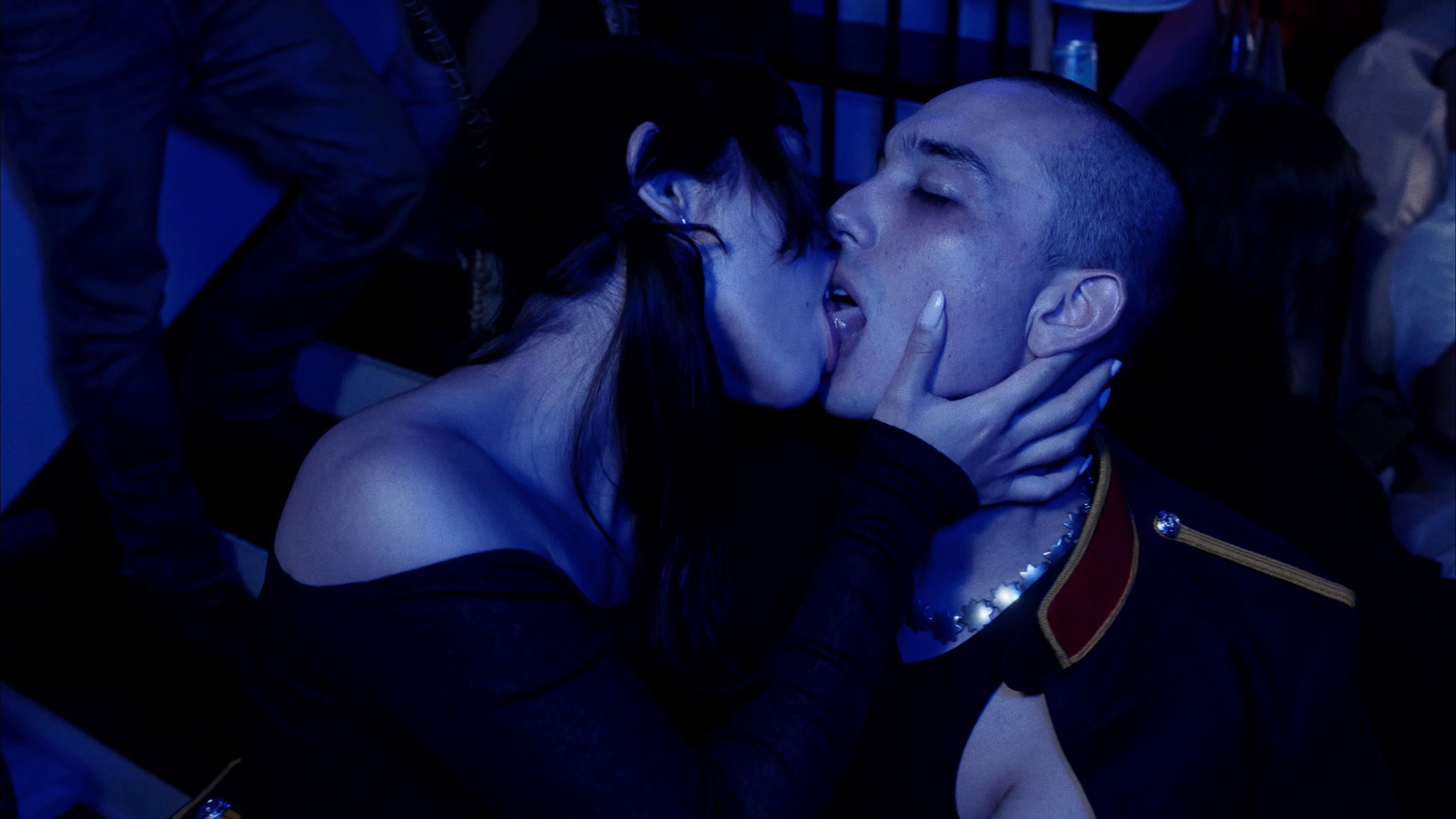
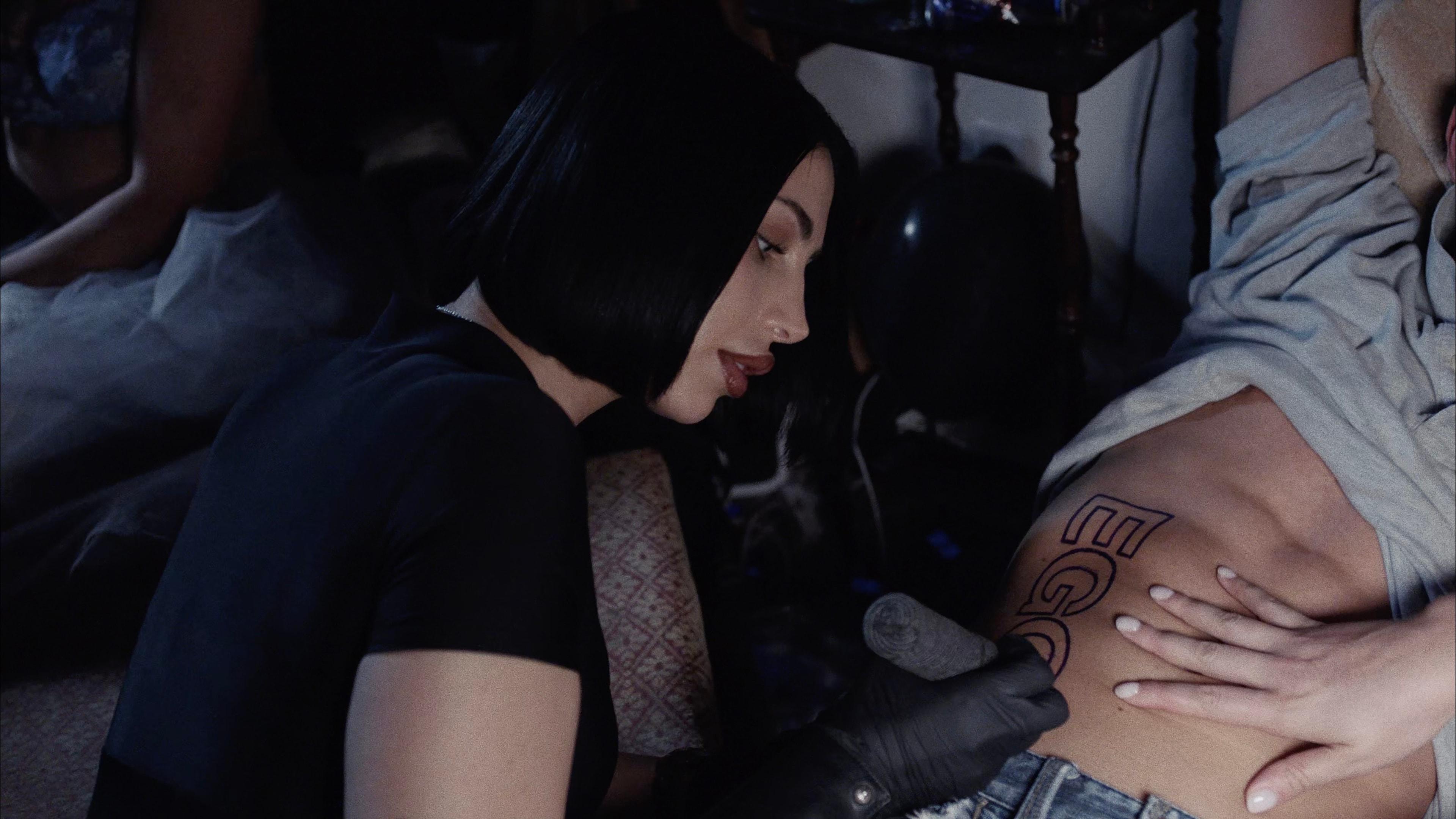
C: Planning to shoot in LA, I wanted it to feel like Project X (2012), where you watch and think, Wow, I wish I was there. I remember standing at the back of the party scene at one point, and it looked like people were really having fun. It was more than anything I could have wanted. I looked over at Jasmine like, How the fuck did we pull this off?
JJ: We had an actual party. Murphy Penn, one of our actresses, was doing the gay pour. I was pouring shots like a promoter. By the time we started filming, everything felt seamless. I couldn’t remember where I was. It was so important to curate the right people in the right house. We had a room full of real ones. What more could a girl ask for?
SA: The video pulls from all these different social and aesthetic worlds. How did they come together?
C: We’re two young women from different places, so that naturally shaped the vision. Jasmine brought her LA flair to it, and there are little hints of Toronto in there too. We wanted it to feel like it could be anywhere—not too LA, not too Toronto, not too on the nose—but still carry both of us. Even the shot where I’m standing on the podium with the trophy felt like the perfect middle ground. We do have to say that this was an all-women team, just girls with a dollar and a dream, trying to pull off something huge with almost no time. There was myself, Jasmine, Juliet, my manager Stephanie [Pereira], Jasmine’s producer Nicole [Ghalili], Mariah [Jasmine] on choreography, and Marla on glam.
JJ: Shout out to Nikki, the producer of all producers. You’re really only as strong as your team, and she’s one of those people who makes sure everything happens when it needs to happen.
SA: The cast felt central to the video’s mythology, too.
JJ: It’s really a time capsule. In a couple years, or even a couple months, everyone can look back and remember how early we were. We had Manon Macasaet, who was running New York when we were coming up—I mean, we’re still coming up—and is now running LA. Simone Alysia, another New Yorker, is a star and one half of Somewhere Special, who are next up. Murphy is a good example, too. She’s part of this new wave of performers who are just starting to blossom.

SA: What does “Hall of Fame” unlock about the record?
C: I’m creating a world that feels true to me with this rollout. My work is past meets present. I’m inspired by those pop girls who took chances back in the day, and I want to create my own version of big music now. With “Hall of Fame,” I kept thinking, When was the last time I heard a pop song from a Black girl that felt this fresh and this big? I personally think about songs like “Super Bass” or “Starships.”
This is probably my favorite rollout yet. Everything from the writing to the production choices feels intentional this time. People have seen me build the world online, but they haven't really heard the music yet. And that’s what’s going to put me in my own lane. This project is all Chxrry.
JJ: I love Chxrry’s older work, but this is really a progression. “Hall of Fame” can easily be mainstream pop, but there’s an artistry that differs from what everyone else is doing. When you’re making art, it’s life or death. If you’re not willing to die for it, you shouldn’t be making anything at all.
SA: Who is the “U” in U Me & My Ego?
C: You messy, little… I’m kidding! “U” is really anybody who deserves to be written about. “Me” is Lydia, the real me. And “ego” is Chxrry. But for me, it’s more protective than anything else. My ego is like my mom in a way. It steps in when I need it to, because the truth is, I can be very pure and naive. I’ll believe people are coming to me with the same openness that I’m coming to them with, and sometimes that’s not what’s happening at all. When I feel tried, my ego shows up immediately. It’s like, Do you know who the fuck I am?
SA: Your work feels very aware of authorship and self-mythology. How deliberate is that?
C: I really believe that a lot of my music is manifestation. Once I realized everything I said in “Main Character” was actually happening, I started thinking differently about what you put in a song. I remember seeing everyone do the hairstyle I had in the video and thinking, I’ve never seen a phenomenon like this. Then, I realized that I had literally said, “Call that bitch my carbon copy.” After that, I was like, I’m going to keep saying good things about myself, because shit can be dark and self-deprecating, and I want people singing positive things about themselves, too.
Credits
- Text: Sahir Ahmed
- Photography and Video Stills: Jasmine Johnson
- Production: Nicole Ghalili
- Choreography: Mariah Jasmine
- Hair and Makeup: Marla