Best Nights VC is Invested in the Future of Nightlife
|032c Editorial
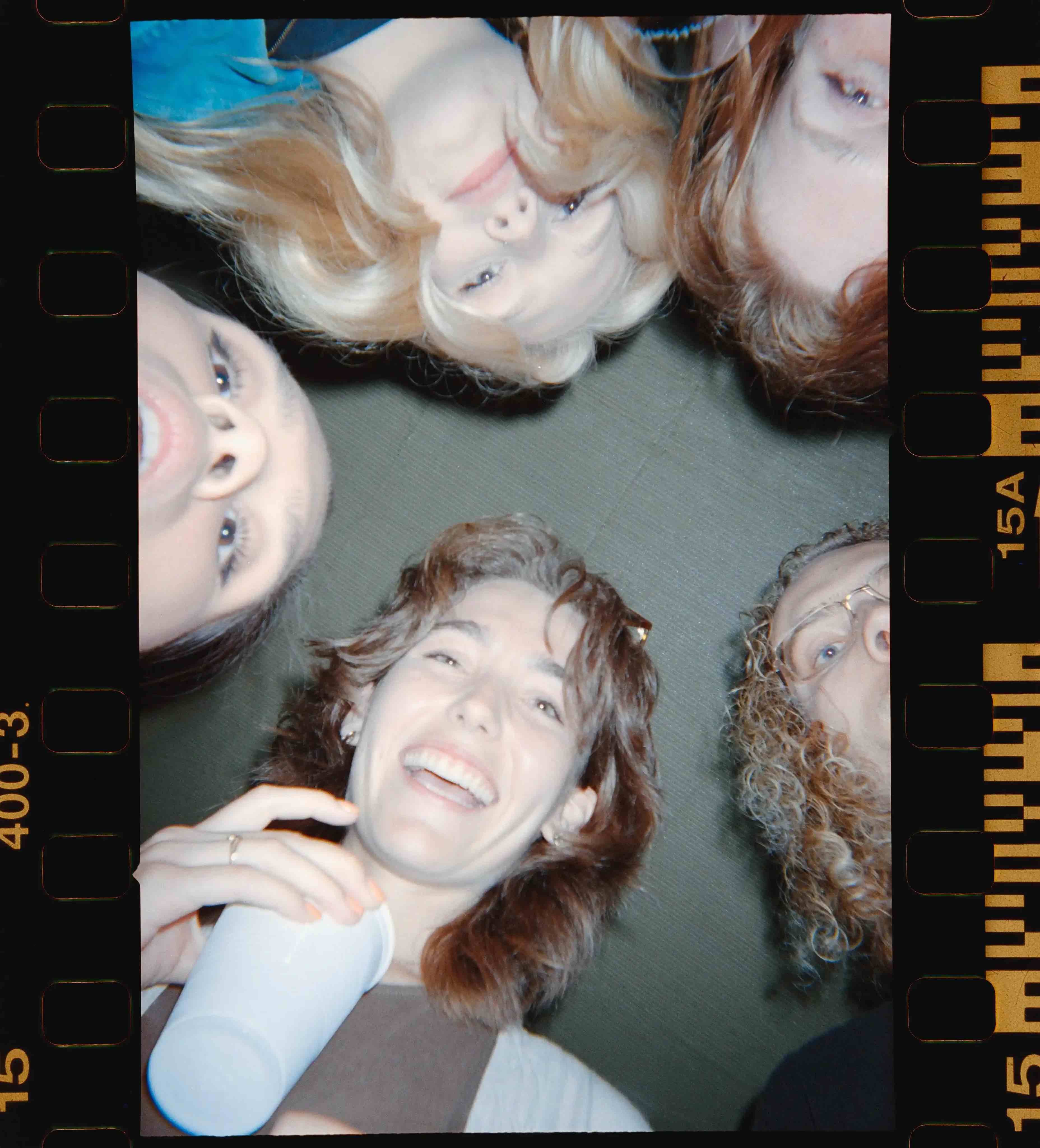
We are living through a Big Bang period in nightlife, though it may be more fittingly referred to as the “Big Boom.” Techno and house have become the new lingua franca of global youth culture, and such growth is accompanied by familiar tensions: commercialization, capitalization, and the precarious endangerment of underground scenes. Long treated as a taboo in nightlife, money is paradoxically essential for what matters most: sustaining parties, venues, festivals, artists, and the communities that sustain them.
“We understand both perspectives and the pain points behind them,” says Lorrain de Silva, Managing Director of Best Nights VC. “On the venture capital side, nightlife is often dismissed as nonessential, too risky, or somehow shady. On the nightlife side, VCs are frequently seen as extractive forces, only interested in squeezing profit from a culture built on community, creativity, and passion rather than margins and valuations.”
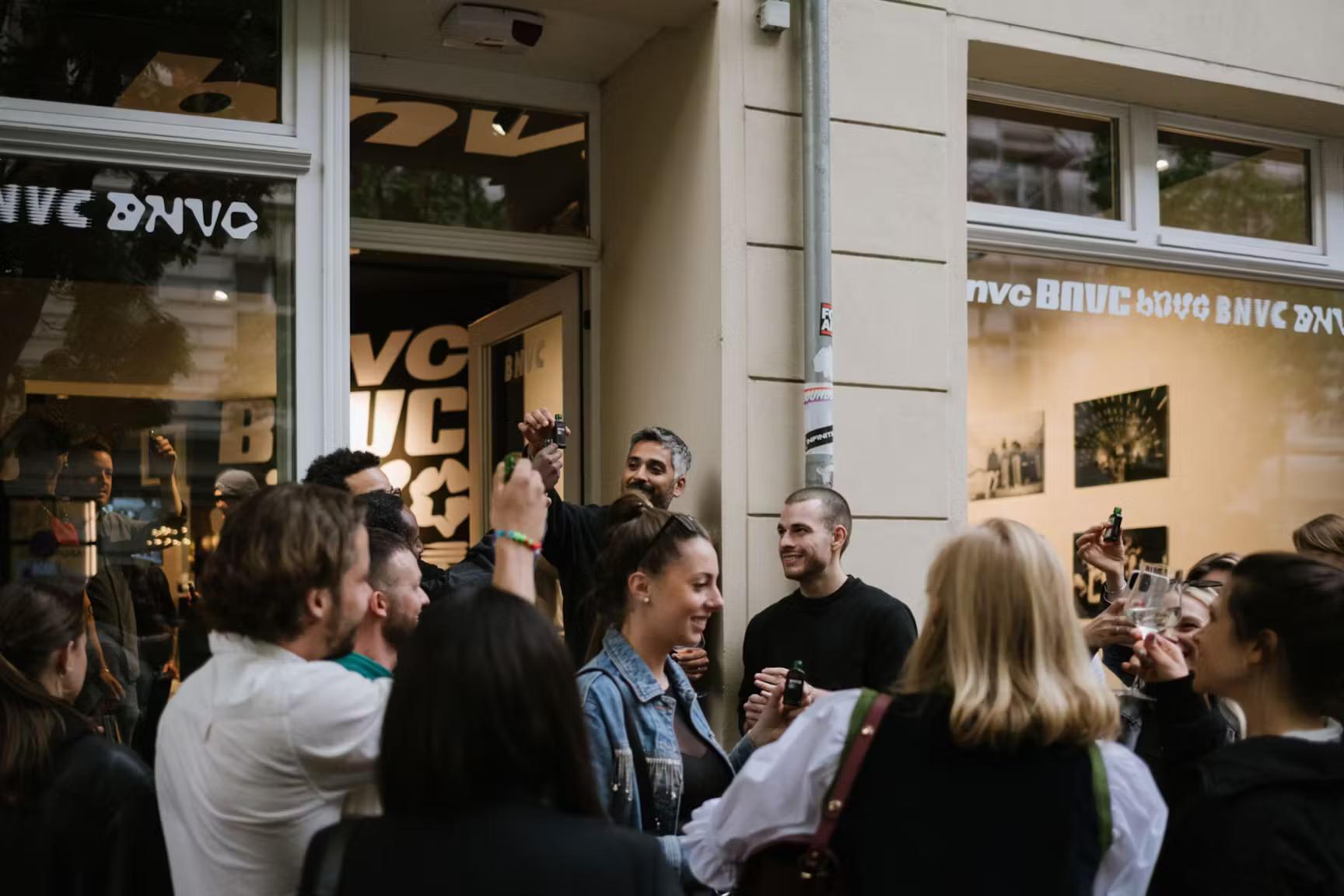
BNVC invests in consumer tech startups that are connected to the global nightlife & entertainment industry.
As Jägermeister’s corporate venture arm, Best Nights VC occupies and thrives in a space of tension. “We have the privilege of not being solely driven by financial returns,” de Silva added. The fund invests in founders who are the ones responsible for the tools and infrastructure that enable and empower nightlife. Best Nights VC backs ventures aimed at improving safety and inclusivity, and others whose goal is to battle the loneliness epidemic and foster meaningful human connection. Rather than hunting for unicorns or billion-euro exits, BNVC measures success by an unusual metric: the number of best nights or meaningful social experiences their portfolio companies help create. Over the past four years, BNVC-backed companies have generated more than 100 million such nights worldwide.
Beyond destigmatizing investment in nightlife and the conversations around it, Best Nights VC’s mission is to show that responsible, thoughtful investment can protect and uplift culture rather than extract from it. To see this mandate in action, Best Nights connected 032c with founders from three BNVC-backed ventures, offering a firsthand look at how their vision translates into practice.
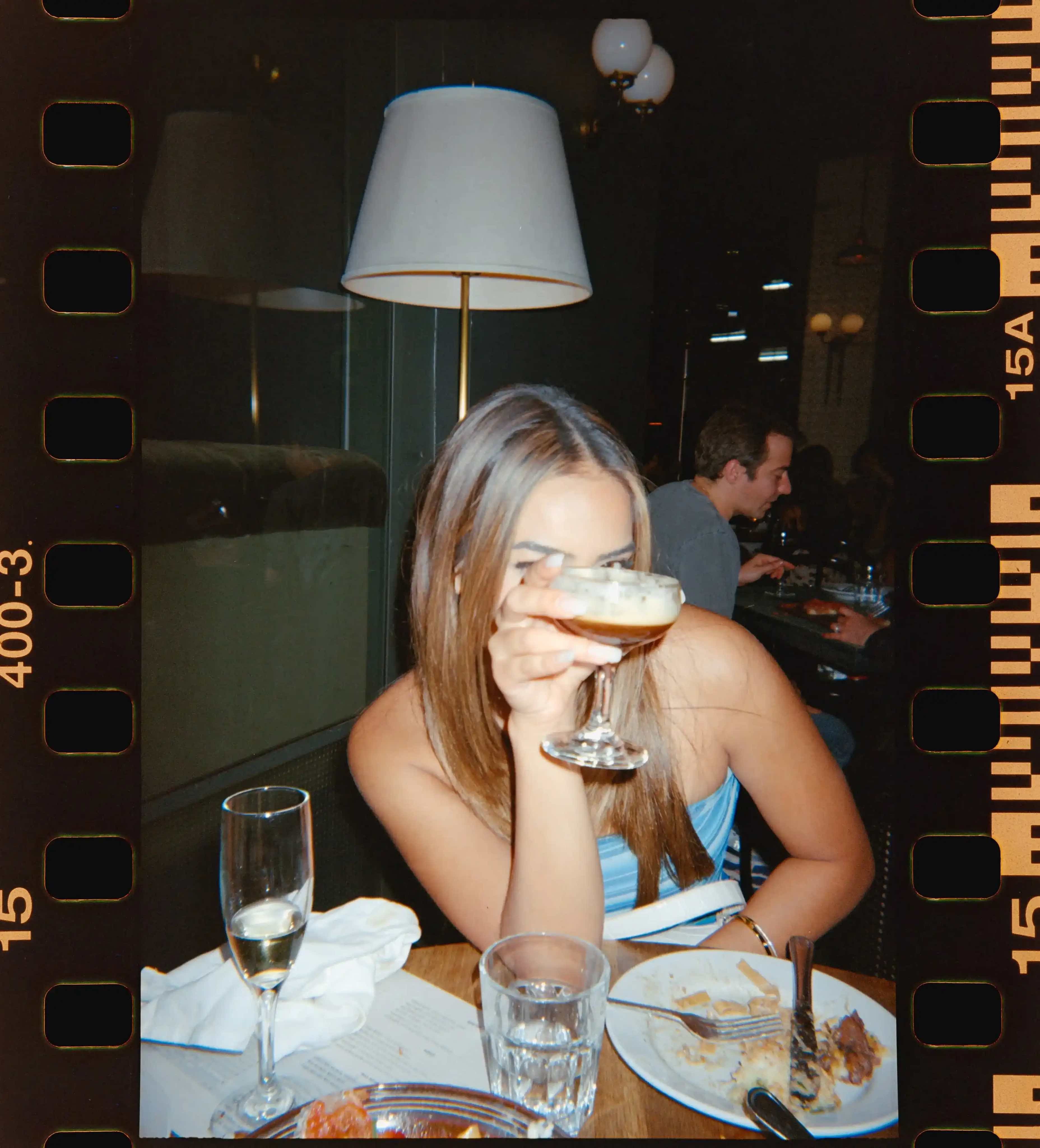
222 uses data to design and facilitate social experiences at local venues.
On your website, you describe what you do as “engineering serendipity.” What does that mean to you?
222: We believe the erosion of serendipity is a core driver of social isolation and of the breakdown of social fabric. Repeated chance interactions with strangers, without digital preconceptions, are the foundation of a healthy, connected society. Preconceived judgments based on online identity have been one of the most harmful shifts in the past 20 years. Much of today’s “social” technology has been a net negative—creating more division, endless entertainment, and eroding purpose and meaning. We believe using technology to bring people to the same place at the same time, around shared experiences and a desire for connection, which is what we do at 222, is a net positive.
How much human curation is involved at 222?
We are training our own proprietary ML model to understand how humans interact in the real world and what increases the probability that two strangers would want to see each other again. We use AI in a deep-learning sense, and not as generative AI. Our team is concerned about the rise of low-quality automated content and the bastardization of creativity. Every part of 222 has human curation: all questions are hand-written, partners are carefully selected, the interaction design is built by our designers and engineers, and our copy and brand identity are crafted by our team. We don’t outsource our thinking and creativity to AI.
How do you design the member experience?
We always start with emotion—what we want members to feel—then work backwards to the experiences that create it, and finally the technology that enables it. We’re an intuition-driven company guided by data. When you join 222, we ask users questions about everything—ranging from favorite musical artists to political openness, psychedelics, childhood bullying, and loneliness. We assign users a label based on their input, such as “experimentalists” or “romantics.” They help members share results and gain insight into how they compare within the 222 member base. They are built from the same characteristics used to predict human compatibility.
Why should technology be trusted to fight loneliness?
Technology itself has no moral skew—it can be used for harm or good. Much of the startup industry is exploiting the social recession with virtual companions and infinite generated content. Our approach is the opposite: we use technology to maximize the probability of an IRL future—forming relationships, discovering cities, learning skills, and joining recurring activities. We don’t make money by increasing screen time or serving ads. We make money by getting people into real-life interactions and lasting memories.

Lapee manufactures female urinals for usage at large scale events, such as music festivals.
Why did it take so long for this design to be created and manufactured?
Because of the “pee-triarchy.” More seriously, it’s hard to understand why there wasn’t any solution to such a large issue—it’s as if the world forgot that women also pee. Outdoor urinals were invented by the Roman Emperor Vespasiano, but not for his wife Flavia. Today, our solution exists in 26 countries at hundreds of events, even though resistance remains. Access to this basic need is still overlooked.
Could this work in smaller venues, like clubs and bars?
Data from two large Northern European festivals shows men have five to seven times more access to pee than women, and 90% of toilet queues are women who just need to pee quickly. We already work with clubs like Berghain and would like to develop an indoor version in the future—it’s very needed and still not there.
What have been your biggest challenges?
The design phase was not very challenging—we created a solution that fits users and works for events and toilet rental companies, based on existing men’s urinal designs. The key is the doorless design: users are covered enough to pee quickly, which makes it efficient and safer, preventing locking, pushing, or harassment. Neon colors make sanitation visible rather than hidden. Scaling has been harder. The pandemic, the lack of prioritization of sanitation, and women’s needs in the event industry remain major challenges.
Isn’t this also financially beneficial for vendors and event organizers?
When people aren’t stuck waiting, they spend time at the event—and at the bar. Atmosphere, efficiency, safety, and bar sales all improve. The math is easy.
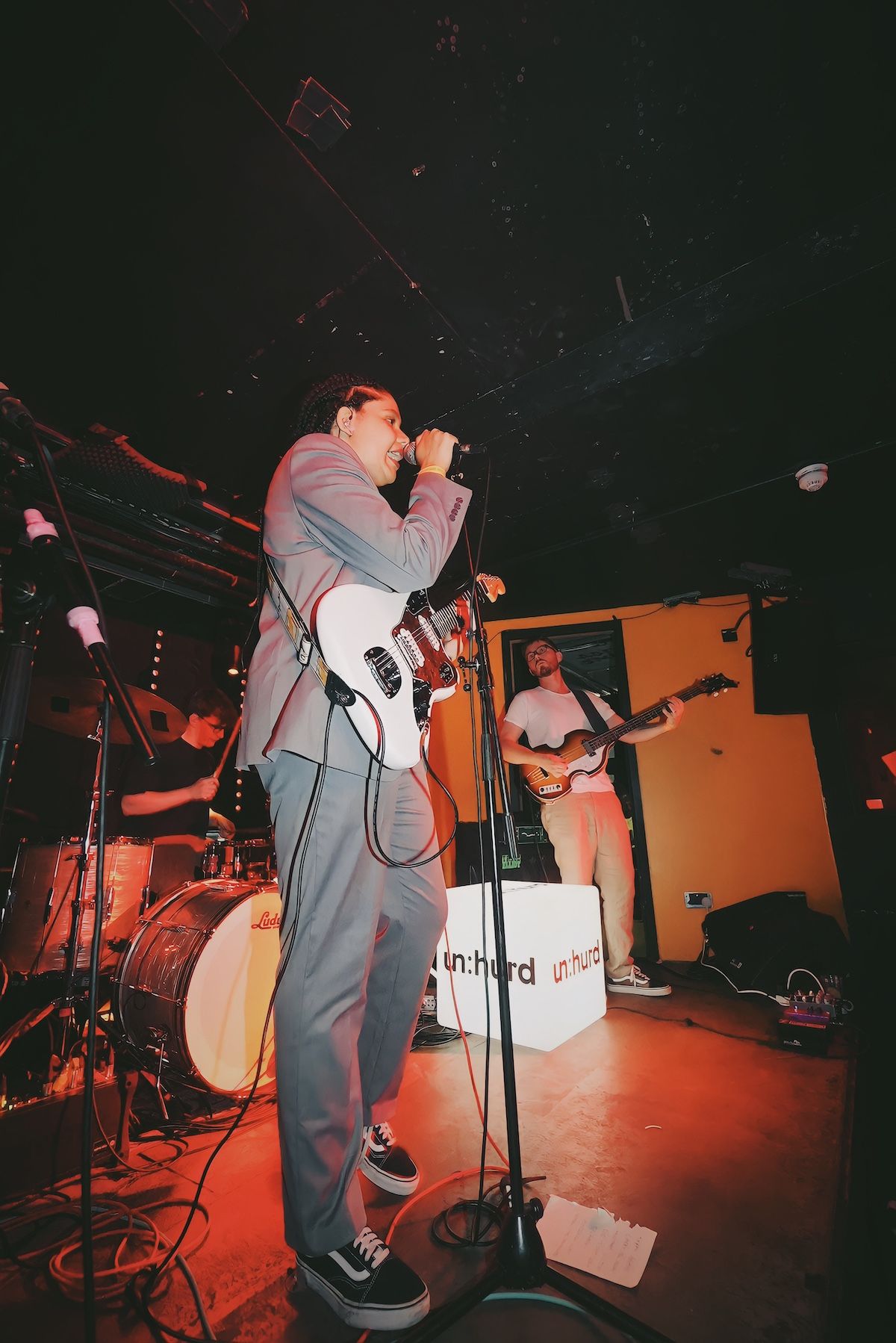
UN:HURD is a music marketing app, designed to “level the playing field for emerging artists.”
How does UN:HURD define success in an algorithm-driven industry?
We define success based on your goal. For some artists, that means simply creating and releasing music that fulfills their desire to create. For others, it’s reaching one million streams or generating £10,000. We’re flexible in our approach. We can help you, regardless of what you want to achieve. Scale, exposure, and reach are useful if you want to be a career artist—building a career requires generating appeal and leveraging it to drive revenue, but they are not a requirement.
Why has playlisting become so crucial today?
There are over nine billion playlists on Spotify alone and that figure speaks for itself. The challenge for artists is to find the most relevant and valuable playlists to pitch to, which is where our matching algorithms come in. Playlists fit into mood- and lifestyle-based listening—whether for workouts, sleep, or everyday activities—and facilitate music consumption across all aspects of life, giving them strong cultural relevance and influence.
What does UN:HURD consider to be the biggest advantages and disadvantages of the streaming model?
The compensation model has its flaws, many of which are widely publicized. Ideally, artists would receive a proportion of the subscription fee listeners pay, but that’s not how it currently works. Still, streaming has contributed massively to the recovery of the music industry, allowing more artists to leverage digital audiences to sell merch, tickets, and build sustainable careers.
How does UN:HURD approach AI?
We see non-generative AI, when used properly, as a valuable tool that gives artists back time to focus on creating music. The problem arises when artists’ content is used to train large language models without compensation—all artists should be fairly paid, and it’s positive to see progress being made in this area.
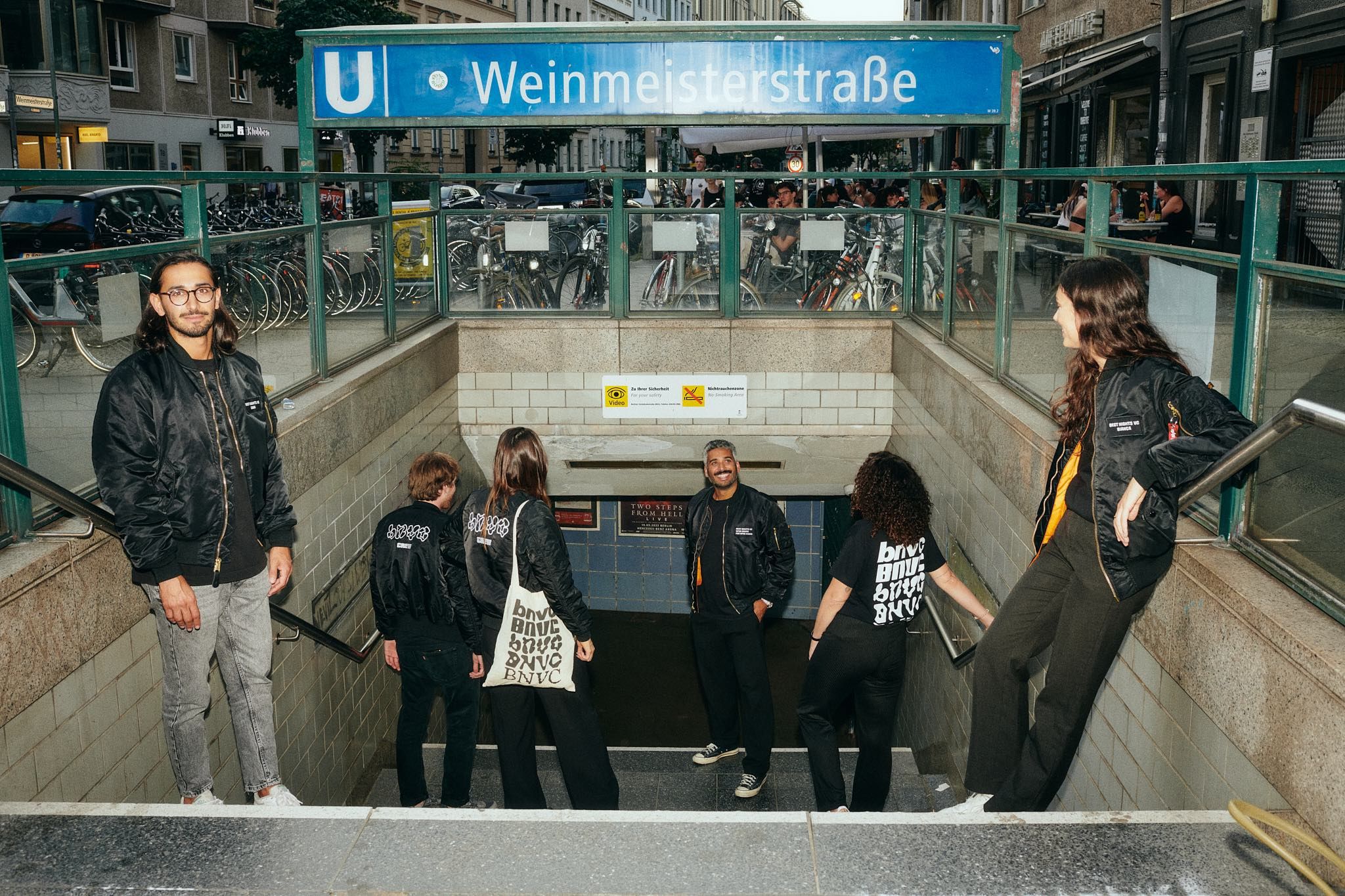
The Best Nights VC team near the BNVC space in Mitte
By moving between culture and capital, Best Nights VC treats nightlife less as escapism and more as infrastructure. In their vision of the future, nightlife becomes not only a site of release, but a testing ground for new models of social and cultural life.
To learn more about Best Nights VC or submit an application for funding, click here.
A partnership with Best Nights VC
Credits
- Text: 032c Editorial