Belief Over Consensus: Talking to Ebony L. Haynes
|CORRI GREENE
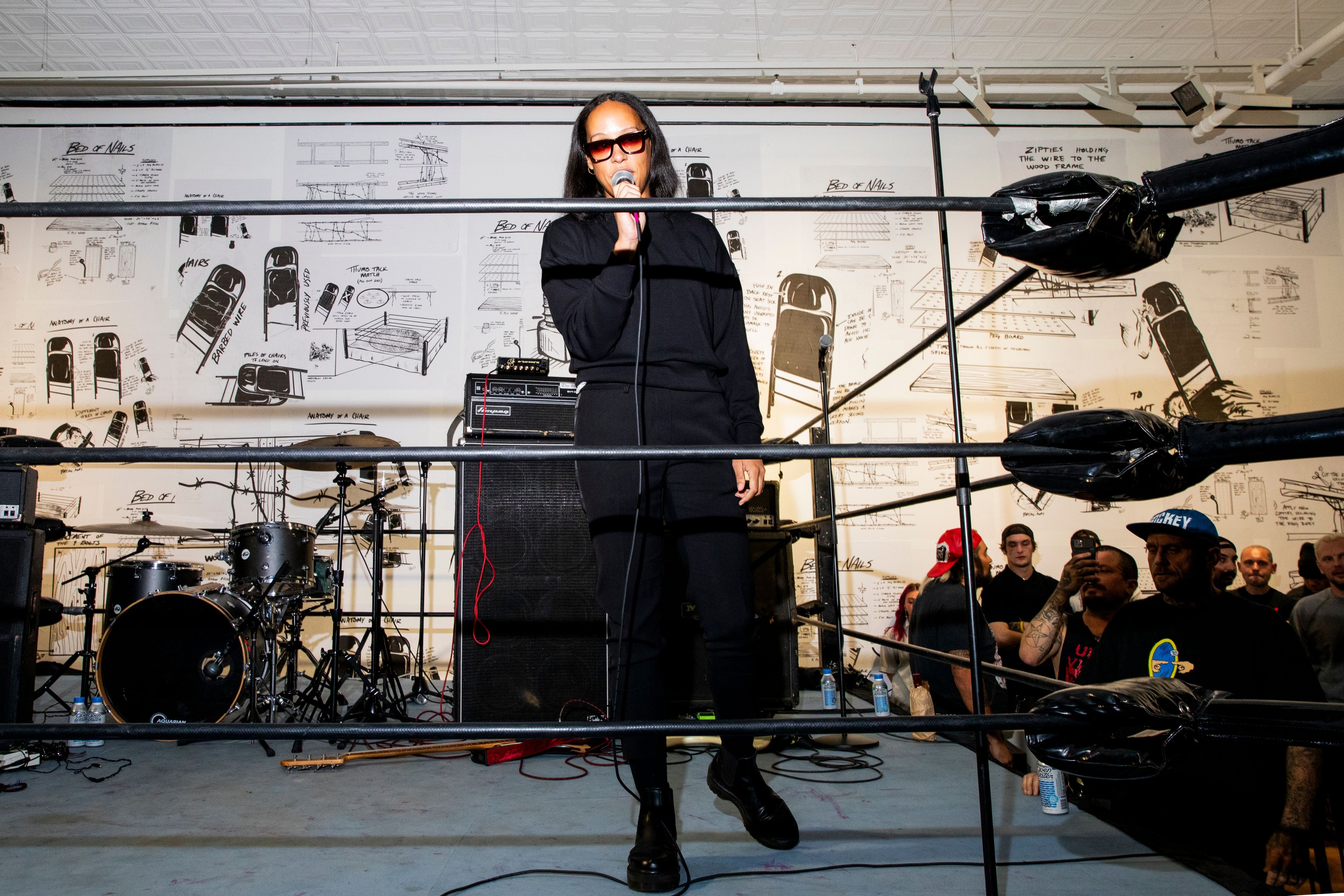
Few curators have shaped the contemporary gallery landscape as directly and decisively as Ebony L. Haynes. First through 52 Walker, the experimental Kunsthalle she founded with David Zwirner, and now as Global Head of Curatorial Projects, Haynes has consistently resisted the art world’s pressure to accelerate, instead creating space for artists, ideas, and audiences to linger. Speaking shortly after returning from the Venice Biennale, she reflects on the artists who continue to inspire her, the intuition that guides her curatorial decisions, and why belief remains a more useful measure than consensus.
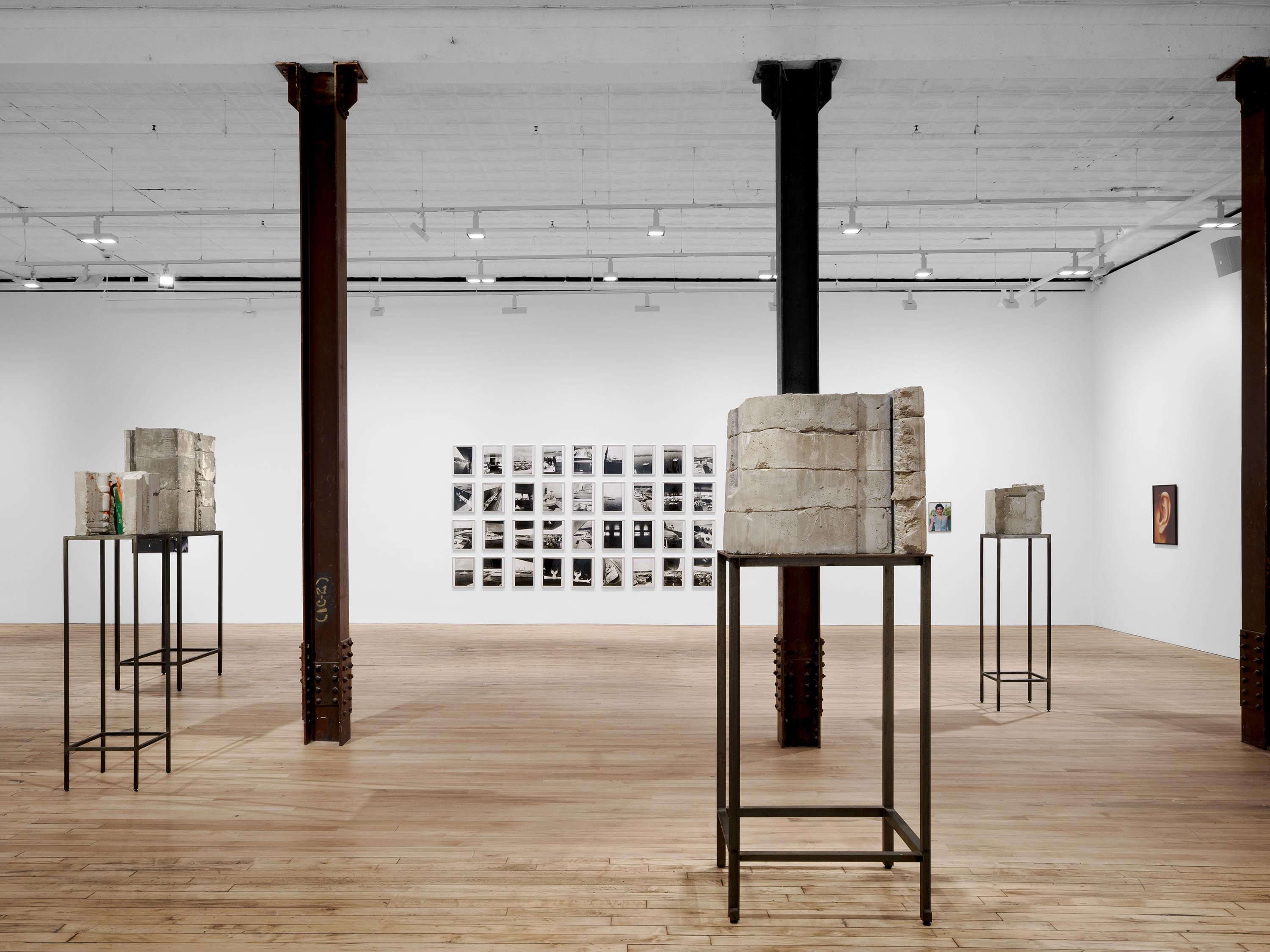
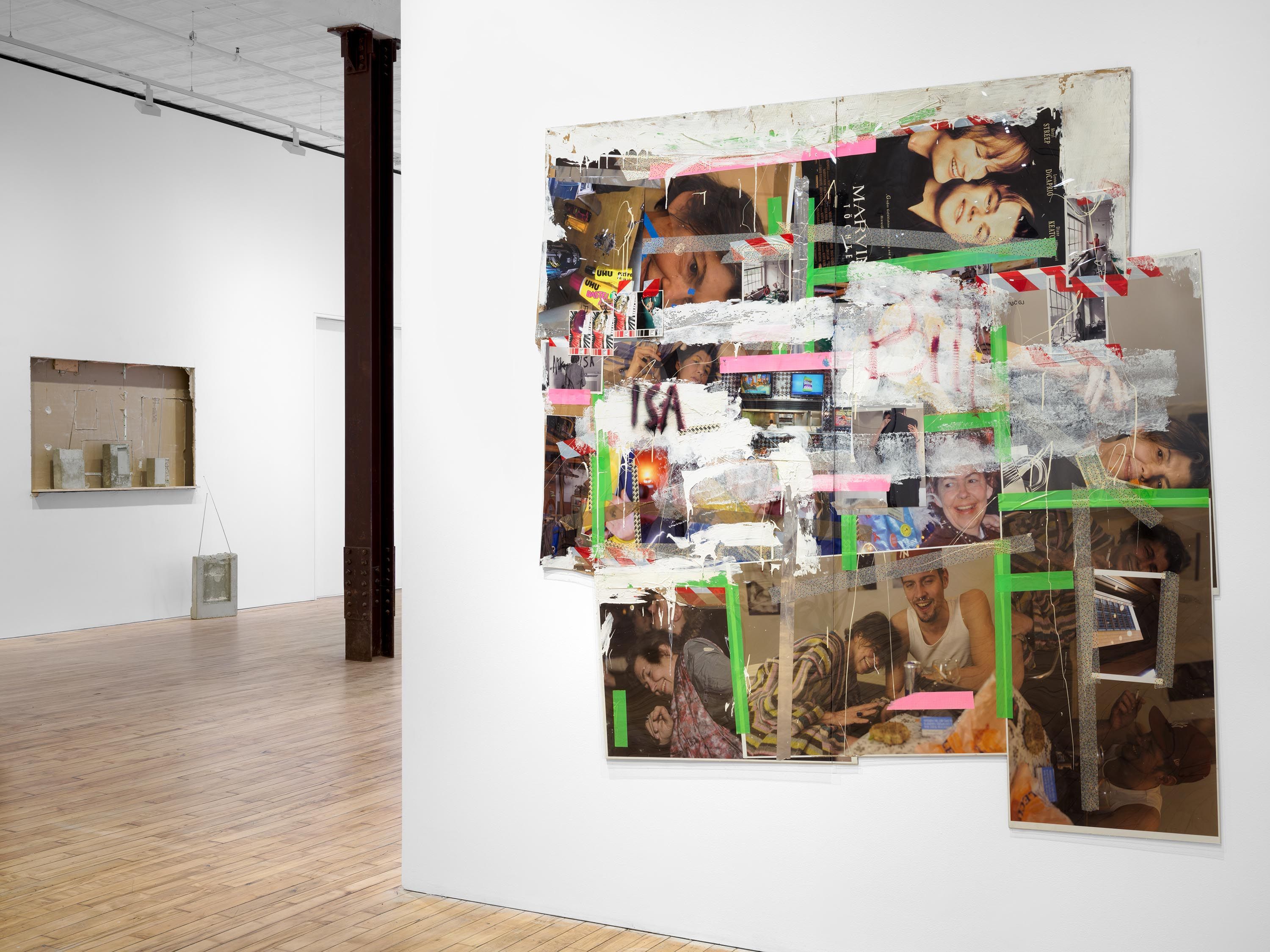
Corri Greene: You just got back from the Venice Biennale. Where are you mentally right now? Is there an artist, pavilion, or exhibition you keep returning to?
Ebony L. Haynes: Yeah, two things jump out the longer I'm back. One is that there felt like a big focus on object-making—not necessarily sculpture in a high-art definition of it, and not quite craft, though I don't really align myself with that division. There was something about making and design and constructing and recreating and casting, not just in the Biennale itself but in a lot of the off-site exhibitions. Every time I revisit images and think about those shows, I seem to be taking that away more and more.
And I really loved the Polish Pavilion. I thought it was breathtaking. It was emotional. I thought it was beautifully designed and executed.
CG: You've said before that Isa Genzken is one of your favorite artists. What holds your attention in her work?And is that the same kind of quality you tend to look for when you’re working with other artists?
ELH: Yeah, Isa is one of my favorite artists. She's grown into that role for me and solidified herself there over years. She's one of those artists you learn about early and never get tired of seeing.
What holds my attention? That's an interesting question because I don't know. It's kind of a gut feeling. What I like about Isa's work is that it feels confident, but not arrogant. It feels playful, but very stringent in the decisions she's made. Once she's decided, it's kind of there, but she's been playful getting to that point.
This is all just my read, of course. I've never spoken to her about this aspect of her practice. But whenever I see the work or experience a show, I feel like she's still inspired. She's still looking and thinking and constantly considering new ideas, or things she's seen or heard or read, and how they fold into her own practice. I can feel her thinking about making in a way that isn't too stringent or too serious, but is confident and not arrogant.
CG: Is that a quality you look for in every artist?
ELH: No. I don't think there's any kind of throughline I could call out. I really have no idea. I'm into it or I'm not into it. That's the throughline. I believe in it, or I don't believe in it.
CG: Is that instinct immediate, or does it develop over time?
ELH: Sometimes it's immediate—that feeling of belief. Then once I give it time, I can continue to deep dive and go all in, or I can spend more time with it and realize it actually falls a bit flat. Both can happen. But it starts with: do I want to give this more time?
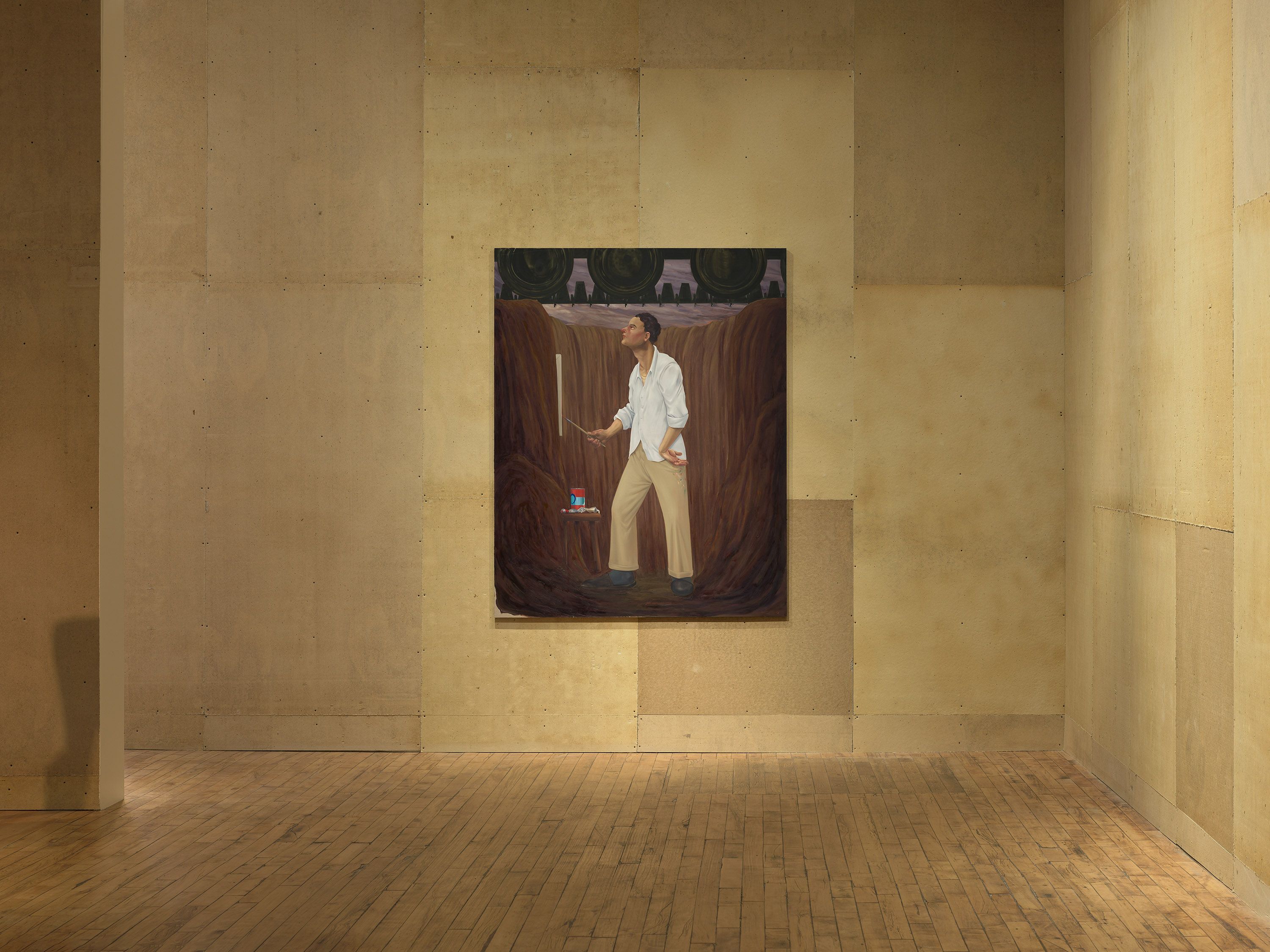
CG: You've said before that you almost left the art world before 52 Walker. What made staying possible?
ELH: Staying felt possible because I happened to have a conversation with David Zwirner. That's really what made me feel hopeful—that somebody was listening and somebody seemed as interested in the potential for an idea as I was.
I didn't think 52 Walker would be forever, nor did I intend it to be. But it came at a really important time when I wasn't sure if people even liked art anymore. I was having a lot of existential moments. It was Covid. It was Black Lives Matter. It was a lot of things at once. I wanted to make sure I was enjoying what I was doing, and I knew I would enjoy 52 Walker.
CG: When you pitched 52 Walker, you weren't proposing a gallery so much as a different tempo. What felt broken about the existing pace?
ELH: It just felt broken for me. But I wasn't pitching a paradigm shift. I don't think everyone should slow down or do fewer shows. I was interested in creating breathing room and really thinking about artists' time, and my time.
The amount of time I would have to engage with each artist in a dedicated way was new, because I wouldn’t have to focus on anything else. The slower turnaround time was something I really wanted. It came from a period when I was programming three different spaces at the same time and doing art fairs. By the time I installed a show, I had to de-install it. Then I went to an art fair. Then I was installing another show. I was constantly chasing the next opening date.
What made me sad was that I didn't have enough time to really live in the work, promote it, sell it, place it, and spend as much time as I wanted with what artists were doing.
It almost sped up with Covid. Everything was online. Everything felt quicker in a way I wasn't interested in. I was just looking for a different pace and a different way to engage.
CG: Do you think the gallery model has weakened, or are we simply asking different things from it now?
ELH: I don't think the gallery model has weakened. I think it's evolving.
The fractures I was responding to were specific to me. I do think the emerging gallery world feels different than it did fifteen or twenty years ago. Everything can feel a bit more do-or-die. But maybe I'm misreading it because I'm not in that world anymore.
What I do think is that artists need galleries—or should have good galleries—and we all need artists. It's a model that can't just go away. It has to continue to evolve for the needs of artists and audiences.
CG: 52 Walker has often been read through its engagement with Black artists and the visibility of an all-Black staff. How do you navigate that framing today?
ELH: 52 Walker never proposed a “Black artist” program. That frame that was projected onto me and it only reinforced thatno matter what I'm working on, some people will only see one thing. Whether the artists in the program are at various places in their careers,backgrounds,skin colors,ethnicities and genders, some people will only see Black artists and a Black curator.
What became important was not changing anyone's mind or perception. I had to stay focused on the program, and I did. I couldn't let that affect me showing art that I thought was important, whether the artist was Black, white, green, or blue. It's the kind of art I'm interested in. It's a particular feeling. I either believe in it and want to continue, or I don't. People can take what they want from the program.
What that framing did was make me double down on the program itself and on work that I think is interesting and important—not only a particular skin color. Some people saw that in the work, and some people took other things from it.
CG: Now that you're Global Head of Curatorial Projects at David Zwirner, how do you think about authorship differently than you did at 52 Walker?
ELH: That's funny. I always thought I was representing David Zwirner.
Even when 52 Walker was a brick-and-mortar space, I felt like I was representing David Zwirner. That's part of why it worked. There aren't many galleries I could have imagined partnering with in that way.
What's different now is that there's more collaboration. That's part of what has been rewarding. If I'm working on a show in Los Angeles, I have more sounding boards, more thinking partners. If I'm thinking about something in Paris, there's a partner there too. It's been really gratifying.
I still see 52 Walker as a brand that's alive and will reappear when it needs to. It can show up as an exhibition when it needs to. And both things are my vibe.
What I'm doing now isn't reinventing any wheel. It creates more of a support system for the curatorial side of things, which is exactly what I want to do. It opens up opportunities to rethink how work is presented, to work closely with artists I haven't worked with before, and to go deep on projects in different ways.
I feel like a support system. I feel like a thinking partner. I feel like an artist advocate and a liaison. I think that will continue to shift as the work grows.
CG: What would you refuse now that you would have accepted five years ago?
ELH: Not enough!
I don't know that I would refuse anything. I think I would say no more to asks that stretch me too thin—usually things outside the gallery, to be honest—because they create projects and obligations that pile up.
But those things are also a big part of my practice. I couldn't imagine not working on things all the time. So I wouldn't refuse anything. I could try to say no a bit more, but it wouldn’t work.
CG: What are you working on right now?
ELH: I’m working on a big Roy DeCarava exhibition for our Los Angeles gallery.
CG: You've spoken a lot about resisting acceleration in the art world. Roy DeCarava's photographs seem to ask for a different tempo altogether. As you prepare this exhibition in Los Angeles, what do you think his work offers audiences right now?
ELH: Honestly, I can’t remember the last time I was in front of an artwork for the first time, or in my first studio visit with any artist, where I went this “slow.” DeCarava’s photographs sucked me in–in a way I was definitely not expecting. It was like an emotional awakening. That will probably sound hyperbolic to some, but you can only understand if you’ve ever been in front of these photographs, unframed, or at least up close. Working with Sherry DeCarava and the estate on the full presentation of DeCarava’s the sound i saw has had me inspired and in planning mode for about 8 months now. It’s the first time the full collection of 125 photographs will be exhibited together since the first time it was shown at the Studio Museum in Harlem in 1983. And I truly cannot wait for everyone to see it.
Credits
- Text: CORRI GREENE