After Euphoria, Mozart: Eren M. Güvercin
|Shane Anderson
Was it dumb luck or fate? I’ve asked myself this question with the big and the small: flat tires, book offers, and ill-timed illnesses. But actor Eren M. Güvercin doesn’t seem to possess this predisposition. “Lucky breaks” for the Berlin native are just a way to keep moving forward. Having performed at the illustrious Deutsches Theater and Volksbühne before most people get their driver’s license, Güvercin landed the lead in Druck at seventeen, and then starred in the German version of Euphoria—all with casual ease. Most recently, he played Mozart for German TV and worked with legendary director Fatih Akin on his next film.
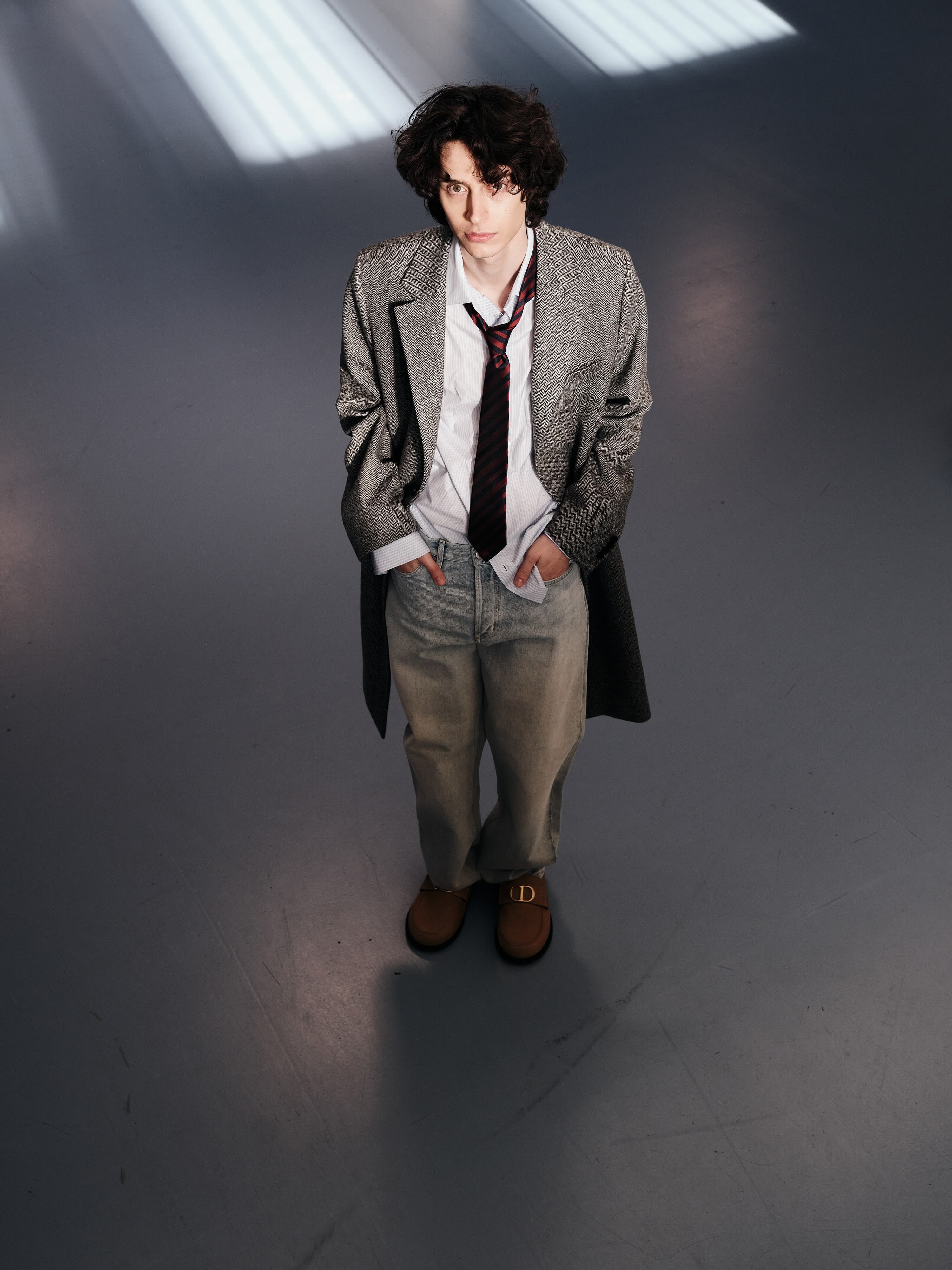
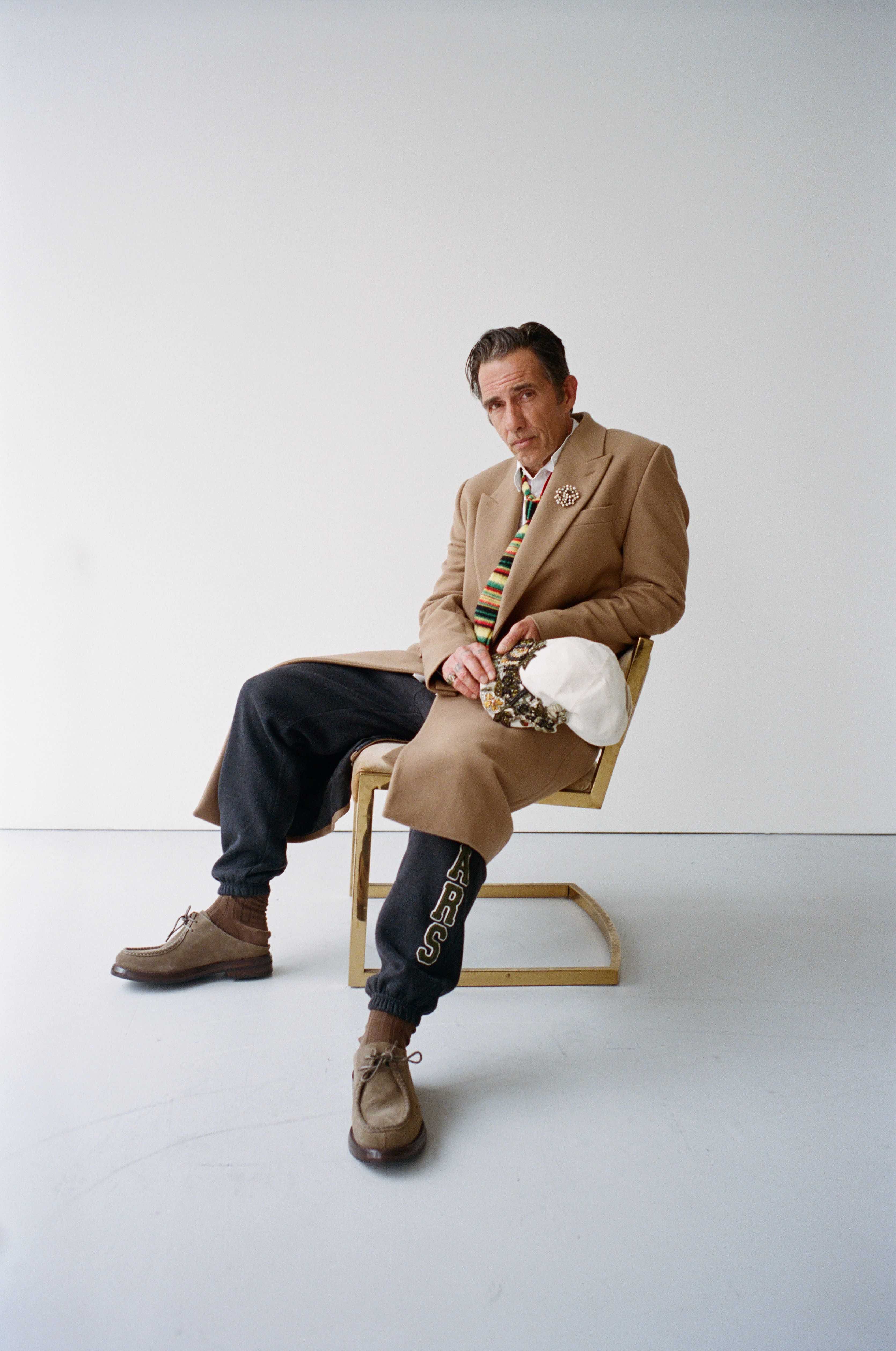
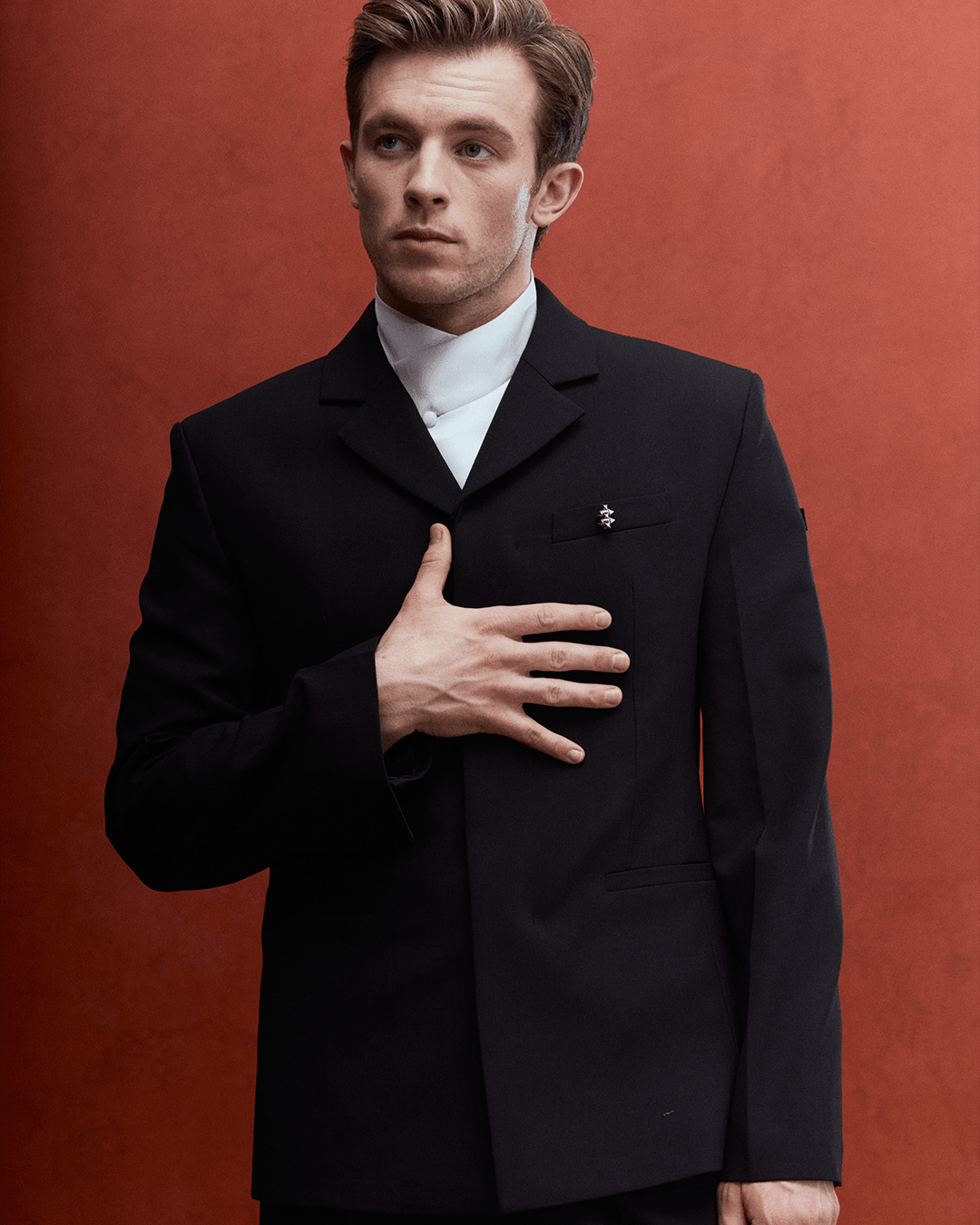
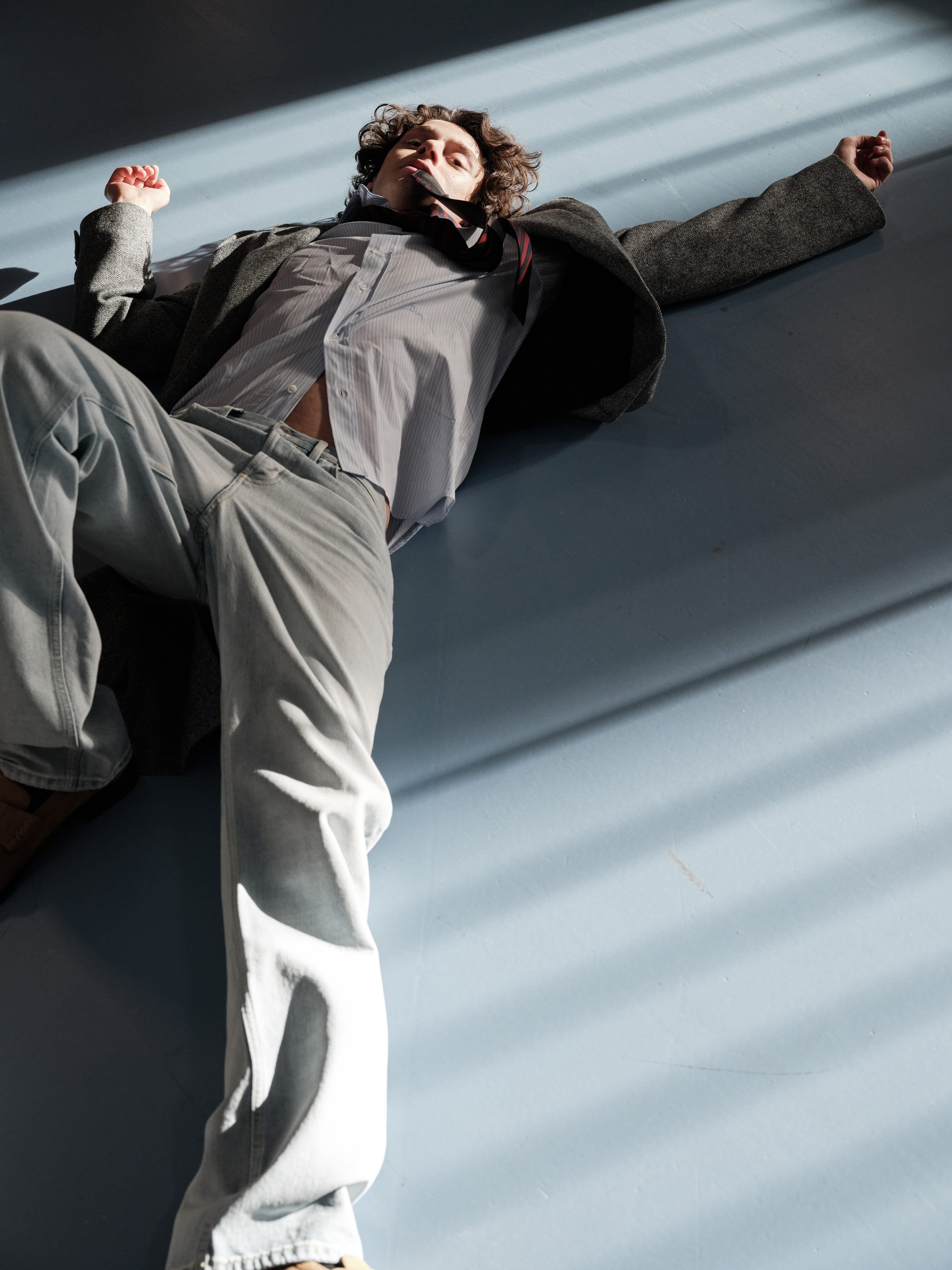
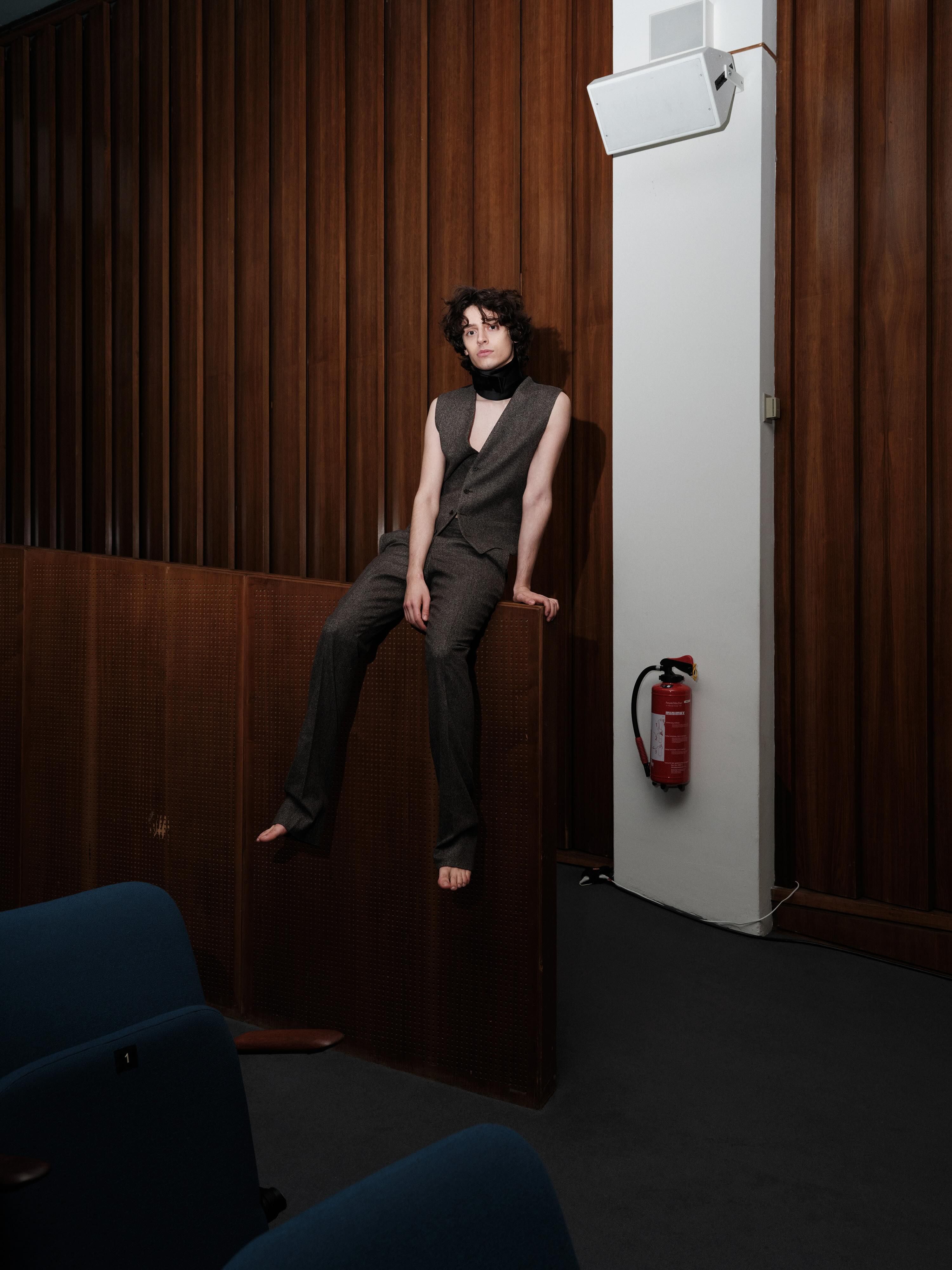
In the accompanying shoot by Christian Werner, Güvercin is dressed exclusively in looks from Jonathan Anderson’s Dior Summer 2026 menswear collection. Sporting a tweed Bar jacket, a popped-collar button-up, a loosely-dangled tie, and a bow tie-turned-cloth choker, the actor assumes the interpretive, playful approach to the idea of style at the heart of the designer’s debut collection at the house—much as his acting pedigree mirrors both the couturier’s interest in the past and Anderson’s perceptive knowledge of the present.
In conversation with Shane Anderson, the two spoke about empathy, playing Mozart on heels, and satanic mermaids as a gateway.
SHANE ANDERSON: How did you get into acting?
EREN M. GÜVERCIN: I actually wanted to become a painter when I was really young. So, I went to this art school in Kreuzberg but it was more of a performance arts school than I had originally understood. To be honest, I hated it at first. I was not a theater kid. I was just a little queer kid. But we could miss school for rehearsals and performances, so that was nice, and we ended up having some performances at HAU (Hebbel am Ufer) with external artists, who weren’t really teachers. I was working with adult performers, directors, and dancers, who were experimenting with us. I think this approach is what hooked me. Then I played with this collective at Deutsches Theater but got bored and couldn’t quite fit in. I went to P14, the anarchist, artistic youth group section at the Volksbühne, since I heard you could direct there. While I was there, I was cast for the series Druck, which was my jump into the screen.
SA: How did that come about?
EG: I got a DM on Instagram. Funnily, I didn’t answer because I thought it was spam. My account was private at the time and I had like 70 followers. I didn’t think anyone could even find me. Anyway, I answered it a week before shooting. It was perfect timing. I needed the money. I dropped out of school because I hated it and moved into my own place.
SA: How did they find you?
EG: I was playing a satanic mermaid in this P14 thing and some director recommended me to the people doing casting.
SA: How do you conceptualize this? Do you see it as dumb luck or fate?
EG: To be honest, I didn’t really think about it all that much. I just thought it was a gateway to get into painting, and everything else was built on top of that passion. I wanted to be an artist or a creative—whatever that means.
“People were treating me like fresh meat and I hated that.”
SA: I hate that word. Just either be an artist or don’t.
[Laughter]
EG: So, I guess I was just trying to figure out what kind of art I wanted to do. I was painting and started writing and also picked up the guitar—acting helped me a lot with this. It was like a form of therapy.
Then, when Druck finished, I had a sort of weird time. I jumped into my first relationship, and I was just wasting away for weeks. I wasn’t really doing anything. At the time, I kept saying no to job offers. People were treating me like fresh meat, and I hated that. I was such a diva. I ran away to Cyprus with this guy I barely knew, but at some point I needed a job. I actually started working at a call center just to pay rent—I was two months behind—while looking for an acting agent at the same time. After signing, I got an acting job within three weeks and could focus on that.
SA: I’d like to return to how acting was like therapy for you.
EG: What I meant was more like the reading and preparation, not the actual acting. When I’m shooting, it has nothing to do with me or my own ego. I’m just trying to tell a great story and have fun with the cast and director. There’s something very cathartic about a good scene or a good day, but it’s the preparation—the reading and researching on the topics—that’s therapeutic. Nowadays, I only work on projects that I feel connected to, whether that be something nerdy I’m really interested in or something that’s essential to my being.
SA: But what exactly is therapeutic?
EG: For example, I was working on this show about five or six guys, where one of them killed their best friend. The show was more of a social critique than a crime show. It was about love and community. That show was therapeutic for me with regard to masculinity. Where I had previously struggled to accept it, it helped me understand that masculinity isn’t something you need to be afraid of per se. That there is fragility and sensitivity, some kind of platonic romanticism between bros, which is beautiful to see visually.
SA: Acting can also be an exercise in empathy, right? You try to understand what would lead someone else to commit certain acts and try to convey their thinking.
EG: I don’t think acting makes you empathetic. I know too many actors who aren’t.
SA: Maybe I’m idealizing it. I guess actors are mostly known for being egomaniacs, right?
EG: They’re known for their intellect because they’re so intelligent.
[Laughter]
SA: What did you want to learn by playing Mozart?
EG: I was thinking about him more as an iconic character and what it means for me to play Wolfgang Amadeus Mozart on heels.
SA: It’s pretty camp.
EG: Totally. But I did take this role in part because I have this really long to-do list and one of the things on it was piano lessons. I also really wanted to be challenged. I wanted to be alone in Riga and work on myself, on music, and on this Mozart figure.
SA: On paper, it’s quite a jump from your other roles. You were also in the German version of Euphoria, right?
EG: Exactly. Mozart came right after Euphoria. And after Mozart was the movie I did with Fatih Akin.
SA: What was it like working with Fatih Akin?
EG: Very intense. He’s very passionate and loving about his craft. I can’t say that much about the movie, even though I really want to talk about it because I fucking love it. The only thing I can say is that grief guided my work on this film.
SA: Now that you’re done with piano and have worked with one of the great contemporary German directors, what else is on your to-do list?
EG: I’m learning C++ right now, which is why I have my Edward Snowden glasses. But it’s really hard. Maybe I’ll switch to Python. I feel defeated.
But, besides all the fun, I take this whole thing really seriously because I believe it means something. I feel like everyone is so used to trash that it’s okay to be mundane. So one item on my to-do list is to focus on my craft while being as authentic as possible in public and, at the same time, protecting myself.
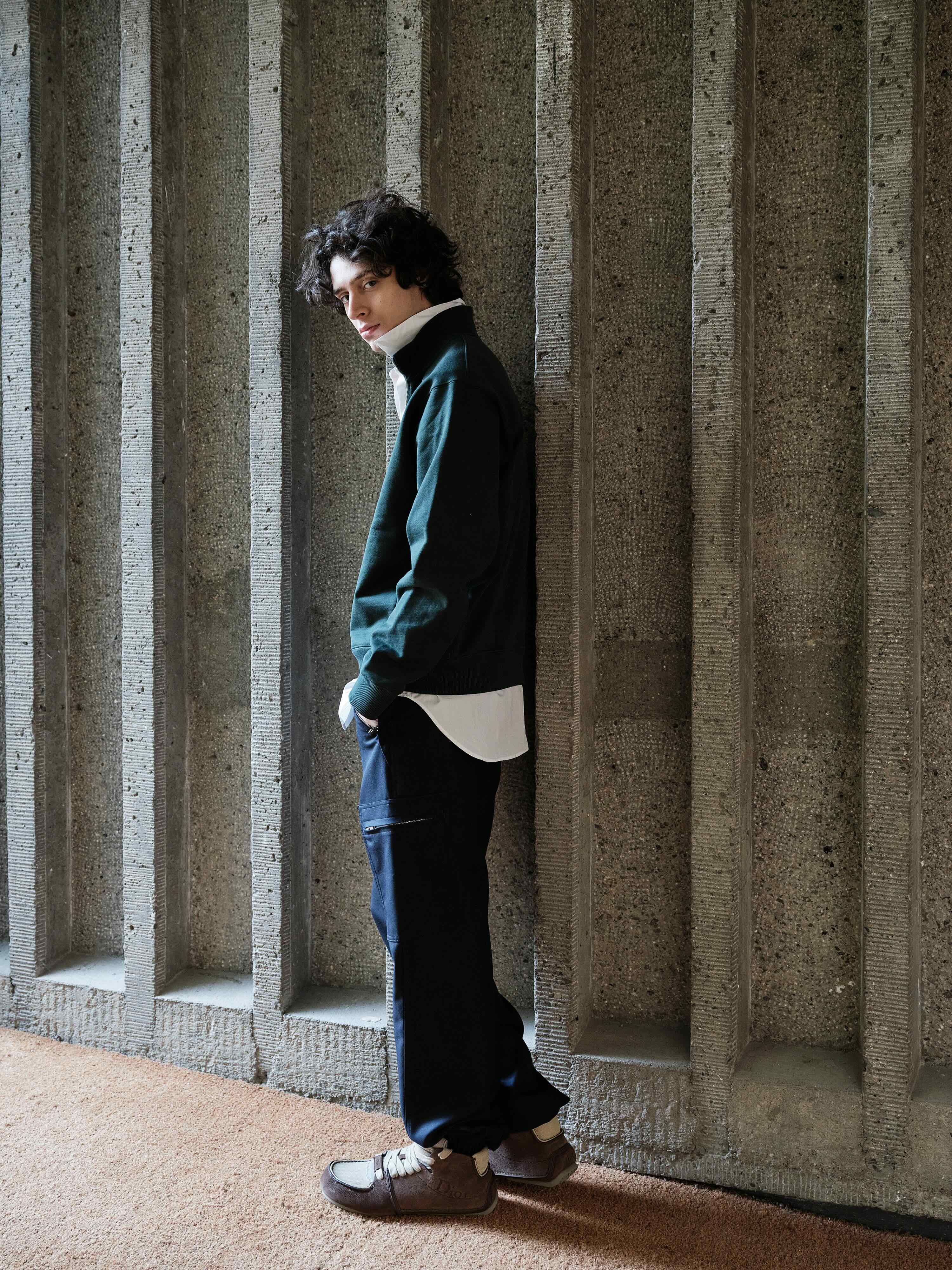
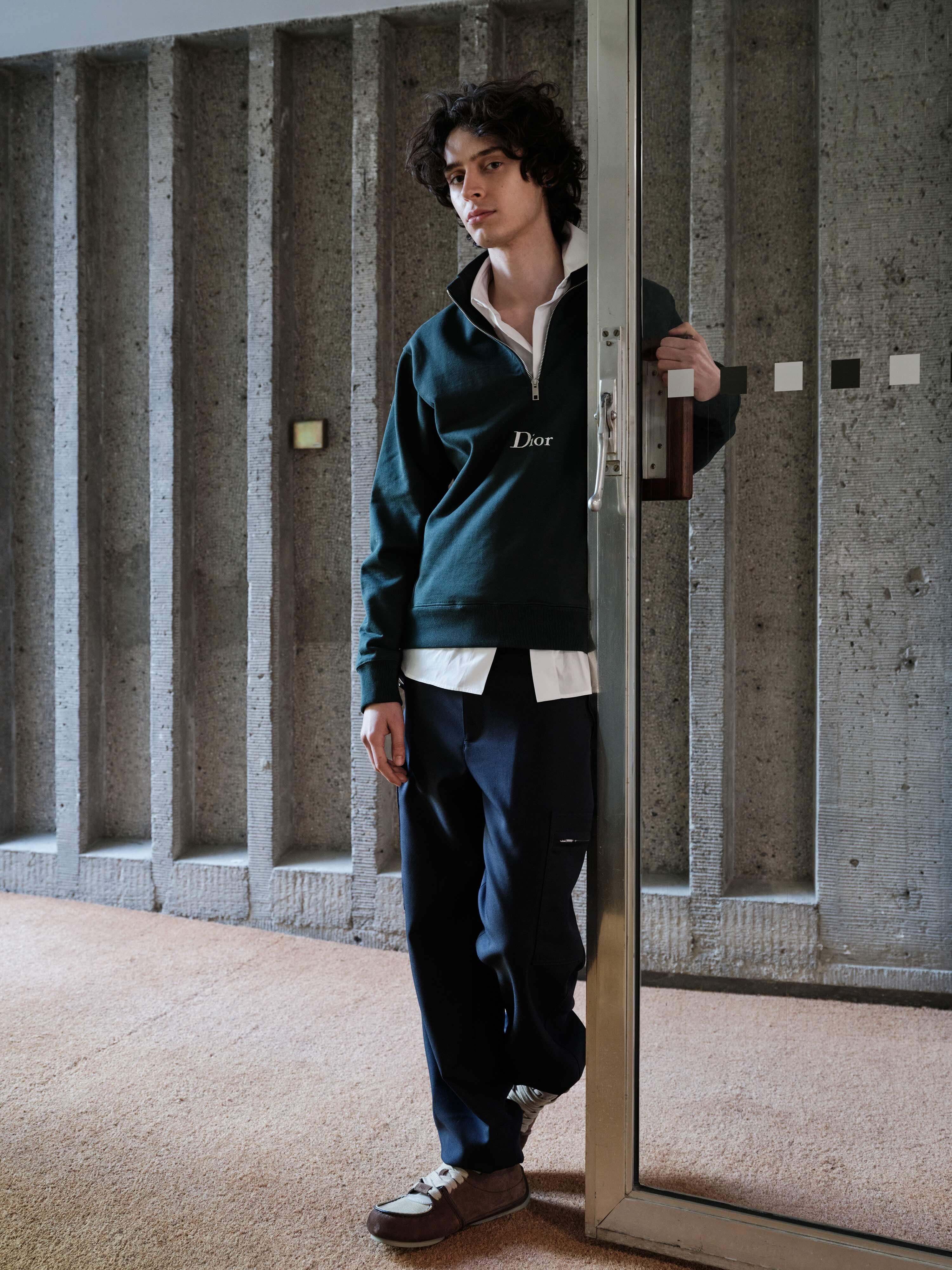
Eren is wearing Dior’s Summer 2026 menswear collection in all looks, special thanks to HKW Berlin.
Credits
- Text: Shane Anderson
- Photography: Christian Werner
- Fashion: Sarah Sharon Karsten
- HMU: Gregor Makris
- Creative Production: Melanie Constein